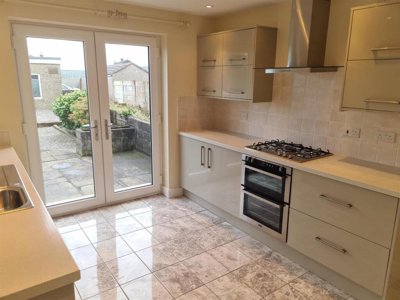
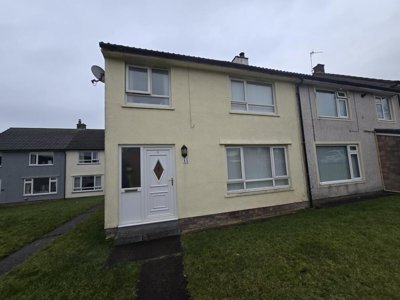
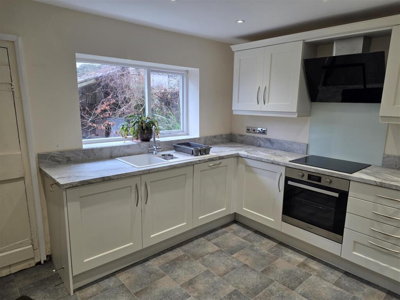
Browse 3 rental homes to rent in St. Bees from local letting agents.
Bees. The 2 bed house market features detached, semi-detached, and terraced properties with two separate bedrooms plus living spaces. Properties in St. Bees range from Victorian and Edwardian period homes to modern new builds, with pricing varying across different neighbourhoods.
St. Bees’ rental market mirrors the village’s status as a premium Cumbrian address, but it is shaped by a small community and a tight housing stock. Compared with the larger towns in the West Lakes area, fewer homes come up for rent at any one time, so anyone serious about finding a place needs to speak to local letting agents early. The sales market gives a useful steer, with average sold prices of approximately £246,559 to £251,000 across the village, which says a fair bit about the value placed on a St. Bees postcode. For renters, that usually means well-kept family homes rather than blocks of high-turnover apartments.
In St. Bees, the rental stock tends to lean towards traditional stone cottages, semi-detached family houses, and the odd detached home with a sizeable garden. Detached homes dominate the wider housing mix and averaged around £350,610 in recent sales, while semi-detached properties came in at £253,800 on average. That family-sized profile shapes what comes up to let, so most properties suit households wanting room to breathe rather than people after a compact town centre flat. Terraced homes averaging £153,380 and flats around the £166,317 mark do appear from time to time, usually at the more accessible end of the market. Anyone looking should register with several local agents and set up alerts, because this is a small, competitive niche and new listings can disappear quickly.
Sold prices in St. Bees have fallen by 10% year on year, and they are sitting about 6% below the 2022 peak of £261,707. Asking prices, too, have moved by an average of minus 2% over the past six months, though the village itself still holds plenty of appeal. Those shifts feed into the rental market indirectly, as landlords adjust expectations around value and yield. Anyone looking to rent here should keep in mind that the premium feel of St. Bees does not disappear just because the wider market has wobbled.

Few places capture the classic English coastal village quite like St. Bees, with a population that enjoys a high quality of life amid some of Britain’s most striking and unspoiled scenery. The village takes its name from the medieval Priory of St. Mary and St. Bega, and that heritage still shows in the buildings and in local traditions. A Grade II listed property on Finkle Street is a good reminder of the village’s long history, and plenty of homes date from periods long before modern construction standards were a concern. Living here means being part of a close-knit place where neighbours tend to know one another and local events pull people together through the year.
Practical everyday life is well covered in the village centre, with a respected primary school, a traditional post office, and at least one popular public house serving local ale and hearty Cumbrian food. St. Bees Beach is a major draw in its own right, giving direct access to the Irish Sea and forming part of the celebrated Cumbria Coastal Path, which keeps walkers, birdwatchers, and anyone who likes a big seascape coming back. St. Bees School, which is among the area’s most respected educational institutions, adds real weight to the village’s family appeal and brings a level of energy and community investment that many places its size simply do not have. For culture, the Theatre by the Lake in Keswick and the Beacon Museum in Whitehaven are both within easy reach, so a rural setting does not mean giving up on days out.
Because St. Bees is compact, day-to-day essentials are usually walkable, while the surrounding countryside opens up a huge amount of space for exploring. The Cumbria Coastal Path runs directly through the village, linking it with neighbouring coastal communities and giving access to some fine walking in any season. Birdwatchers come for the seabirds along the cliff stretches, and photographers are often drawn by the shifting light over sea, sky, and the rolling Cumbrian hills. There is also something harder to pin down, the sense of living in a landscape that has inspired writers and artists for generations.

For families looking at this part of Cumbria, education is one of the biggest attractions, with St. Bees School at the centre of that appeal. It is a co-educational independent school with day and boarding provision across preparatory and senior divisions, and it draws pupils from across the region and beyond. Its academic reputation, plus the range of extracurricular activities on offer, makes it a real factor in the local property market, since parents often want rental homes within a sensible commute. State education is available too, with several options in nearby Whitehaven and the wider Copeland district providing secondary provision.
St. Bees Primary School serves younger children directly and offers a community-led education in surroundings where class sizes are usually smaller than those found in larger towns. Early years provision includes both school-based reception classes and a number of childminders working within the village, which gives working parents a bit of flexibility. Those educational facilities matter to the rental market, because family homes near school catchments often command stronger rents and stay in demand across the year. Families moving here should look carefully at admission criteria and build catchment areas into the search, since school places can affect which streets and pockets of the village are the best fit.
St. Bees School’s boarding places also mean families from further afield can look at rental accommodation here without needing to do the school run every day. Its sports grounds and arts spaces feed into village life as well, with events and lettings bringing people in outside term time. For anyone renting in St. Bees mainly for education, it often makes sense to time the search around the academic year, because demand can shift when school terms start and finish.

Connectivity is decent for a rural village, and St. Bees manages to balance its quiet setting with transport links that work for both local journeys and longer trips. St. Bees railway station sits on the Cumbrian Coast Line and provides regular services to places including Whitehaven, Barrow-in-Furness, and Carlisle. The trip to Carlisle takes approximately one hour, so day trips are straightforward and flexible commuting is possible for some workers. The route itself is one of Britain’s most scenic rail journeys, which makes the daily trip rather more pleasing than most.
Road access centres on the A595, which runs through St. Bees and links it into the wider Cumbrian road network, including access to the M6 motorway at Penrith via the A66. Whitehaven, the nearest sizeable town, is approximately seven miles away and brings shopping, healthcare, and work opportunities within easy reach. For flights, Carlisle Lake District Airport offers connections to London Southend and Belfast, while Manchester Airport, reached via the M6, opens up a much wider set of international routes. A car is still very useful in the village itself because bus services are limited, although the compact layout means daily essentials can often be reached on foot.
Transport needs matter here more than they might in a town, so prospective renters should think carefully about how often they need to travel. People commuting to major employment centres every day may find the rural setting a bit awkward, while those with flexible hours or home-based work are likely to get on much better. St. Bees suits remote workers and anyone whose job is in Whitehaven or another West Cumbrian town especially well. Digital infrastructure across rural Cumbria keeps improving too, which helps make the village a realistic option for professionals who once would have needed daily city access.

We usually suggest starting with the location itself, not just the properties, and that means thinking about schools, transport links, and the local amenities you would actually use. St. Bees is small enough that each part of the village has its own feel, so it is worth visiting more than once, at different times of day and on different days, to get a proper sense of it. Have a look through local rental listings as well, because the limited stock means competition can be fiercer than people expect.
Before any viewings, it helps to secure a rental budget agreement in principle so landlords can see that affordability has already been checked. In practical terms, that means a straightforward financial assessment and a certificate showing how much rent you can realistically manage each month. Having it ready marks you out as organised and serious, which can make a real difference if several applicants go for the same place.
Local letting agents covering St. Bees should be your next call, both to register interest and to book viewings. Because the village is so small, it pays to move fast when a suitable home appears, as decent rentals can be let within days of reaching the market. Before you go to a viewing, it is sensible to prepare questions about the property’s condition, tenure arrangements, pet policies, and parking.
Once you have found a home you want, the letting agent will take you through the application, which normally includes referencing checks and identity documents. Tenant referencing looks at employment status, rental history, and creditworthiness, giving the landlord a clearer picture of how reliable you are as a tenant. In St. Bees, that process usually takes approximately one to two weeks under normal circumstances.
After successful referencing, you will sign a tenancy agreement covering the length of the tenancy, the rent amount, the deposit amount, and the responsibilities of both landlord and tenant. In England, deposits are capped at five weeks' rent where annual rent is less than £50,000, and they must be protected in a government-approved scheme within 30 days of receipt. Read every clause properly, and ask for clarification on anything that is unclear before you sign.
On move-in day, do a full inventory check and record the condition of the property, including any existing damage, with photographs. Your deposit is held during the tenancy and returned at the end, subject to any legitimate deductions for damage beyond fair wear and tear. It also pays to note the local contacts for utilities, bin collections, and any maintenance issues, so settling into St. Bees feels straightforward from the start.
Renting in St. Bees does bring a few area-specific points that people unfamiliar with this part of Cumbria may not spot at first. The coastal setting means properties ought to be checked for signs of damp or salt-related wear, especially older homes with solid walls rather than modern cavity insulation. If a property sits in one of St. Bees’ historic buildings, a proper condition survey is a wise move, because maintenance on older homes can be expensive. The Grade II listed property on Finkle Street is a reminder that some homes in the village have listed status, which affects what alterations or improvements are allowed for both landlord and tenant.
Flood risk should also be part of your checks, particularly if a property has a garden or sits close to the coast. No specific flood risk data was found for St. Bees in our research, but the coastal position means it is sensible to stay alert to water-related issues. Energy efficiency can vary a great deal in older village homes, so reading the Energy Performance Certificate before you commit gives a clearer picture of likely heating costs and any insulation concerns. Leasehold properties need another level of attention, too, because service charges and ground rent can have a big effect on the true cost of what first looks like an attractive rent.
The age of the local housing stock deserves close attention when renting in St. Bees. Plenty of homes date from before modern building regulations, so electrical systems, plumbing, and insulation may not meet current standards. Ask the landlord about any recent heating upgrades, rewire history, and renovation work. Streets such as Main Street, Fairladies, and High House Road include properties from different construction periods, and knowing the maintenance history of a specific home makes it easier to budget for likely costs during the tenancy.

There is no publicly aggregated rental dataset for St. Bees in the same way there is for sales, but the local market clearly reflects the village’s desirability and the quality of the housing stock. Sales figures give a good clue, with average sold prices around £250,000 and detached homes averaging approximately £350,610, which suggests family rental values are likely to sit towards the upper end of the West Cumbria range. The market is mainly made up of family homes rather than apartments, and three-bedroom semi-detached and detached houses tend to command the strongest rents. For current rental values, the best route is to speak directly with local letting agents, since prices shift depending on condition, garden size, and the exact part of the village.
St. Bees falls under Copeland Borough Council for council tax purposes, which covers the village and the surrounding area. Council tax bands run from Band A through to Band H, reflecting everything from modest terraced cottages to larger detached family homes. The Grade II listed property on Finkle Street and other historic buildings may sit in unusual bandings because listed status can affect the valuation method. Anyone considering a property should ask the landlord or letting agent for the specific council tax band, since that sits alongside rent in the monthly outgoings.
Education in St. Bees is a major strength, led by the well-known St. Bees School, an independent co-educational boarding and day school with a strong academic record and extensive facilities. For primary-age children, St. Bees Primary School serves the village directly and offers a community-focused education with class sizes that are usually smaller than in larger towns. Those schools make the village especially attractive to families, and proximity to good education can affect which streets attract premium rents. State secondary options in the wider area include schools in Whitehaven, reached via the A595, where families can access a broader range of provision.
St. Bees railway station gives direct access to the Cumbrian Coast Line, with regular services to Whitehaven, Carlisle, and the other stations along the coast. The journey to Carlisle takes approximately one hour by train, so the village can work for occasional commuting, though daily rail travel to major cities would need careful timetable planning. Bus services link St. Bees with nearby villages and towns, but frequencies are limited compared with urban areas, which makes car ownership a real advantage for most residents. For flights, Carlisle Lake District Airport and Manchester Airport provide regional and international links, and the M6 is reachable via the A66 for those travelling by road.
For people after a high quality of life in a safe, scenic Cumbrian village, St. Bees is a very strong rental option. Community spirit, natural beauty, and educational provision all score well here, and residents have direct access to the Cumbria Coastal Path and some excellent beach walks. The main drawback is the limited housing stock, which means fewer choices than you would find in a larger town and a market that can move quickly when a property becomes available. Families, retirees, and remote workers, or those based in nearby towns such as Whitehaven, are likely to fit the village well, while people who need daily access to major employment centres may find the rural location tougher.
Under current tenancy deposit rules in England, landlords can charge a maximum deposit equal to five weeks' rent where annual rent is below £50,000. That deposit has to be protected in a government-approved scheme within 30 days of receipt and is returned at the end of the tenancy, subject to deductions for damage or unpaid rent. Tenants usually also pay a holding deposit to reserve a property while referencing checks are carried out, and that is normally capped at one week's rent. Referencing fees are much more restricted under tenant fees legislation, but some agents may still charge admin costs, so ask for a full breakdown before you commit.
The homes available to rent in St. Bees generally mirror the local housing stock, which is dominated by detached and semi-detached family houses. Traditional stone cottages turn up regularly in listings and bring plenty of character, with original fireplaces and thick walls that help with natural temperature regulation. Semi-detached homes, which sold for an average of £253,800 in recent transactions, are often let too and provide practical family space with gardens. Terraced houses and flats make up a smaller slice of the market, but they do appear from time to time at more accessible price points for smaller households or single occupiers.
Homes close to St. Bees Beach are especially popular because they sit right by the Cumbria Coastal Path and the dramatic shoreline that defines this part of the county. The beachside streets appeal to walkers, outdoor types, and anyone who wants sea views as part of everyday life. That premium setting does come at a cost, though, and rents in the immediate beach area tend to be higher than for similar homes elsewhere in the village. If that is the part of St. Bees you want, be ready to move quickly when a listing appears and build the higher rent into your budget from the start.
Getting the full financial picture right makes a big difference when renting in St. Bees, especially at the start of the process. The usual upfront cost is a holding deposit, equal to one week's rent, which reserves the property while referencing and credit checks are completed. That holding deposit is deducted from the main security deposit when the tenancy begins, so the two are not paid separately. The main security deposit is capped at five weeks' rent under the Tenant Fees Act 2019 for properties with annual rent below £50,000, which gives some protection against excessive demands.
Beyond the deposit, tenants should still allow for referencing fees, which cover employment and previous landlord checks, credit checks, and right to rent documentation. Although these charges are more limited now under tenant fee legislation, some agents still apply admin costs, so it is sensible to ask for a transparent fee breakdown before moving ahead. Monthly rent, council tax paid to Copeland Borough Council, and utility bills all need to be included as well, and older stone properties can be more expensive to heat if they lack modern insulation. Contents insurance is strongly recommended because the landlord’s buildings cover does not protect personal belongings. Putting aside a buffer of one to two months' rent can also make the move into a new home feel far less stretched.
Anyone budgeting for a rental in St. Bees should also think about seasonal changes in utility costs. The coastal location brings strong winter winds and salt spray, both of which can raise heating needs, while older houses may use more energy than newer ones. Requesting an Energy Performance Certificate before committing gives a clearer picture of likely running costs. Solid-walled homes, which are common in traditional Cumbrian construction, usually cost more to heat than cavity-insulated equivalents, and that needs to sit within the monthly budget.
From 4.5%
Get a rental budget agreement in principle to show landlords you can afford the rent
From £25
Comprehensive tenant referencing to support your rental application
From £75
Professional inventory check to protect your deposit at move-in and move-out
From £85
Energy Performance Certificate to understand your new home's efficiency
Properties to Rent In London

Properties to Rent In Plymouth

Properties to Rent In Liverpool

Properties to Rent In Glasgow

Properties to Rent In Sheffield

Properties to Rent In Edinburgh

Properties to Rent In Coventry

Properties to Rent In Bradford

Properties to Rent In Manchester

Properties to Rent In Birmingham

Properties to Rent In Bristol

Properties to Rent In Oxford

Properties to Rent In Leicester

Properties to Rent In Newcastle

Properties to Rent In Leeds

Properties to Rent In Southampton

Properties to Rent In Cardiff

Properties to Rent In Nottingham

Properties to Rent In Norwich

Properties to Rent In Brighton

Properties to Rent In Derby

Properties to Rent In Portsmouth

Properties to Rent In Northampton

Properties to Rent In Milton Keynes

Properties to Rent In Bournemouth

Properties to Rent In Bolton

Properties to Rent In Swansea

Properties to Rent In Swindon

Properties to Rent In Peterborough

Properties to Rent In Wolverhampton

Enter your details to see if this property is within your budget.
Loans, cards, car finance
Estimated property budget
Borrowing + deposit
You could borrow between
Typical borrowing
Monthly repayment
Est. at 4.5%
Loan-to-value
This is an estimate only. Your actual budget may vary depending on interest rates, credit history, and personal circumstances. For an accurate affordability assessment, speak to one of our free mortgage advisors.
This calculator provides estimates for illustrative purposes only and does not constitute financial advice. Your home may be repossessed if you do not keep up repayments on your mortgage. Estimates based on 4.5% interest rate, repayment mortgage. Actual rates depend on your circumstances.
Homemove is a trading name of HM Haus Group Ltd (Company No. 13873779, registered in England & Wales). Homemove Mortgages Ltd (Company No. 15947693) is an Appointed Representative of TMG Direct Limited, trading as TMG Mortgage Network, which is authorised and regulated by the Financial Conduct Authority (FRN 786245). Homemove Mortgages Ltd is entered on the FCA Register as an Appointed Representative (FRN 1022429). You can check registrations at NewRegister or by calling 0800 111 6768.

We use cookies to show you personalised content and improve your experience of our website. Find out more in our Privacy policy and Cookie policy.