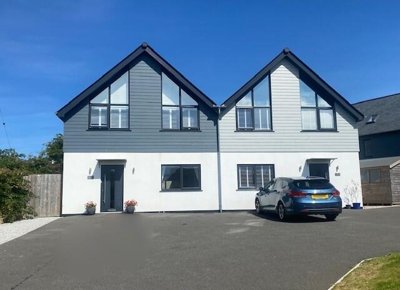
Browse 1 rental home to rent in St. Allen from local letting agents.
Allen from local agents. The larger property sector typically features multiple bathrooms, substantial reception space, and private gardens or off-street parking. Four bedroom houses in St. Allen span detached, semi-detached, and occasionally terraced configurations, with styles ranging from period properties to modern executive homes.
St. Allen's rental market mirrors the wider Cornwall picture, where demand in sought-after village spots keeps running ahead of supply. Homes here often achieve premium rents compared with urban centres, helped by the shortage of rental stock and the quality of life that comes with rural Cornish living. Cornwall county has seen average house prices move around recently, reaching £277,000 in December 2025, a 2.5% decrease from the previous year. Even so, rental values in places such as St. Allen tend to hold up well, with tenants willing to pay more for countryside living and decent transport links.
Across Cornwall, detached homes make up the largest share of housing stock, at 35.9% of recent sales, with terraced homes on 30.2% and semi-detached properties on 22.2%. Flats account for only 11.7% of the market, so renters looking for apartments will find few choices in St. Allen itself. That family-home bias suits households wanting space, gardens, and a quieter setting. In practice, rental properties in the parish usually offer generous accommodation, often with multiple bedrooms, substantial gardens, and parking that would cost a premium in a town or city.
Renters should expect competition for the homes that do come up, especially in summer, when demand rises from people looking for holiday bases or a move into the region. With so few rental properties available in St. Allen at any one time, getting finances, references, and paperwork in order before the search begins really matters. Local letting agents who know the Truro market can open the door to properties before they are widely advertised, which can make all the difference in a tight market.

St. Allen captures rural Cornwall at its most understated, with a slower pace that feels far removed from urban pressure. Gentle rolling land, traditional Cornish hedgerows, and scattered farmsteads have shaped this part of the county for generations. The housing stock tends to follow suit, with stone walls, slate roofs, and render finishes that sit neatly within the landscape. It is a close-knit parish too, where neighbours know each other and local events draw people together through the year. Life here moves with the seasons, from spring lambing in nearby fields to summer fetes and autumn harvest gatherings.
For day-to-day essentials, residents of St. Allen look to Truro, roughly five miles to the south, where retail, healthcare, and administrative services are all in one place. The city has major supermarkets, independent shops on its historic streets, restaurants, and the Royal Cornwall Hospital for healthcare needs. Lemon Street Market and the Pannier Market bring in local produce and artisan goods, while the cathedral and cultural venues help give Truro a lively feel despite its role as Cornwall's administrative capital. Plenty of St. Allen residents make regular runs into Truro for shopping, dining, and entertainment, treating the trip as part of the countryside routine rather than an inconvenience.
Within the parish, St. Allen church acts as a community anchor, and the surrounding countryside offers plenty of walking and cycling along public rights of way. Being within reach of both the north and south coasts is a real advantage, with the surfing beaches of Newquay to the north and the sailing harbours of Falmouth to the south both within easy driving distance. To the southwest, the Roseland Peninsula brings coastal walks and St. Mawes harbour, while Porthtowan and St. Ives on the north coast are reached via the A30. That access to so many different stretches of coastline makes St. Allen a practical base for anyone who wants coastal days out without paying to live right on the shore.

Families looking to rent in St. Allen have a fair range of education options within a manageable journey. Truro is the main educational centre for Cornwall, with primary schools, secondary schools, and further education institutions. Nearby primary provision includes several Ofsted-rated Good and Outstanding schools, among them Threemilestone School, St. Mary's CofE VA Primary School, and Probus Primary School. Catchment areas often stretch across surrounding parishes such as St. Allen, so parents should check school boundaries and admission policies carefully before they commit to a tenancy.
For older pupils, the area includes Truro School, a long-established independent school with a solid academic reputation, plus comprehensive choices such as Truro High School for Girls and Penrice Community School. Cornwall also runs a grammar school system, with schools such as Truro School Grammar and Penryn College taking students according to selection criteria. Anyone considering the grammar route needs to start preparing for entrance assessments well before secondary school entry. Taken together, those options make St. Allen workable for families at different stages of schooling, although transport arrangements still need careful thought in a rural parish like this.
Families with older children can also look to Truro College for sixth form study, along with A-level and vocational courses, while the wider Cornwall College group offers further education and higher education programmes across the county. Truro College has strong facilities for students following academic or vocational routes, and links with local employers help those seeking work experience. From St. Allen to Truro College, the car journey takes approximately fifteen minutes, and some students cycle when weather and timetables line up. Having these institutions close by means rural living does not have to come at the expense of education at any stage.

By road, St. Allen is well placed for commuters and families alike. The parish sits between Truro and the north Cornwall coast, with the A39 providing the main route through the area. Known as the Atlantic Highway, the A39 links St. Allen with Wadebridge to the north and then connects with the A30, Cornwall's main trunk road towards the rest of England. For anyone working in Truro, the daily drive is usually a pleasant fifteen-minute run through Cornish countryside, and it avoids the congestion that so often comes with longer urban commutes.
Truro railway station is about five miles south in the city centre and offers direct services into the wider national network. A trip from Truro to London Paddington takes approximately four and a half hours, which keeps business travel possible while still basing life in the countryside. The station also links to Penzance, Plymouth, Bristol, and other regional destinations across Cornwall, so it works for commuters and leisure travellers alike. For people who need London or other major cities on a regular basis, St. Allen offers a workable journey time and the quieter lifestyle that would be hard to find at the far end of those trips.
For school runs and routine commuting, car ownership is effectively essential in St. Allen because of the parish's rural setting. Local bus services do connect the area with Truro and nearby villages, but frequencies are limited compared with city routes, often running hourly or less on weekdays. That makes the parish best suited to people who can build driving into their normal routine. Traffic on local roads is usually light outside peak times, so driving is straightforward, and the short hop to Truro means most amenities sit within a fifteen-minute drive. Cycling also has a role for shorter journeys, especially on the relatively flat land around the parish when the weather stays dry.

Before starting a search, it helps to secure a rental budget agreement in principle so the monthly rent and related costs are clear from the off. That document strengthens any enquiry and shows landlords and letting agents that the finances are in order. Knowing the budget range also keeps the search focused and stops time being wasted on homes that sit outside the price bracket.
Spend time exploring St. Allen and the surrounding villages so the right fit becomes clearer. Think about the distance to schools, workplaces, amenities, and transport links. A visit at different times of day, including weekends, gives a better read on the area. Walking or driving around the parish helps too, and speaking to people already living there can be useful if they are willing to share their experience.
Local letting agents are the next step for viewings of rental properties that match the brief. St. Allen does attract tenant interest, so homes that fit the requirements often need a quick response. We would take notes and photographs during each viewing to make comparison easier later. Fixtures, fittings, and appliances should all be checked, along with the age and service history of key systems like heating and plumbing.
Once a property has been chosen, the application goes through the letting agent together with the required paperwork. That usually means proof of identity, evidence of income or employment, references from previous landlords, and the rental budget agreement. All documents should be complete and current, otherwise delays can creep in. Having references ready beforehand can speed up tenancy approval considerably.
After acceptance, the tenancy agreement arrives for signing, and it sets out the rent amount, deposit, duration, and landlord responsibilities. Every clause needs to be understood before anything is signed, so any unclear point should be queried. Because the tenancy agreement is legally binding, it is worth reading it carefully and taking time over the detail before committing.
Next comes the deposit payment, protected in a government-approved scheme, together with the move-in date. A full inventory check with the agent should record the property's condition so there is a clear trail if there are disputes at the end of the tenancy. Date-stamped photographs of every room, plus any existing damage, give further evidence of the property's condition at the start.
Renting in rural Cornwall brings its own set of practical points that do not always appear in urban searches. In St. Allen, homes often come with oil-fired central heating, private drainage systems, and large gardens that need ongoing care. Prospective tenants should ask about the condition and servicing record of heating systems, especially in older properties where boilers may be outdated or insulation may be weak. Heating oil prices move with global energy markets, so checking the property's efficiency and likely running costs is important for budgeting properly.
The rural setting also means internet performance can vary sharply between properties, so broadband speeds and mobile signal strength are worth checking for anyone who works from home or depends on reliable connectivity. Some homes in St. Allen can access superfast broadband, while others are still limited to standard connections with slower speeds. Running a speed test at the property on your own devices before committing can save a lot of trouble later. Mobile reception changes from one part of the parish to another depending on the network provider and exact location, and some spots have weak signal that affects day-to-day communication.
The age and construction of St. Allen rentals deserve close attention, because many homes in this part of Cornwall were built before modern regulations came in. Traditional stone and render buildings can bring issues such as damp penetration, roof problems, and maintenance needs that sit with landlords under rental agreements. During viewings, look out for signs of damp, such as stained walls, musty smells, or condensation on the windows. Windows and doors should open and close properly, and the roof's age and condition are well worth asking about. A clear maintenance history, together with any planned works, helps show whether the property has been properly looked after.

There is no public record of specific rental price data for St. Allen in the same way as sales prices, partly because there are so few rental transactions in the parish. Even so, with the average sales price in the area sitting at approximately £865,000, rental homes usually command premium prices that reflect the desirability of the setting. Cornwall rental values have held up in recent years, and comparable village properties in the Truro hinterland generally rent for sums that follow their size, condition, and garden space. For current pricing on individual homes that match the brief, local letting agents are the best source of up-to-date market intelligence.
St. Allen falls under Cornwall Council, which sets council tax bands using property valuations from the Valuation Office Agency. Bands run from A through to H, and most rural homes in Cornwall sit somewhere in the B to E range depending on their assessed value. The exact band for a property can be checked through the Cornwall Council website or with the letting agent, and it affects the monthly cost of renting. Council tax in Cornwall helps fund services such as waste collection, road maintenance, and community facilities, with the bill changing according to the band attached to the home.
Within the parish boundaries, schooling is limited, but families still have access to strong primary and secondary options in nearby Truro and the surrounding area. Primary schools in the Truro area include Threemilestone School, St. Mary's CofE VA Primary School in Truro, and Probus Primary School, with several of them rated Good by Ofsted. Secondary choices range from comprehensive schools such as Penrice Community School to the independent Truro School, while grammar school places are available at Truro School Grammar for pupils who pass the entrance assessment.
Public transport in St. Allen remains limited, which fits its rural village character and a population that is better served by car ownership. Bus links run between the parish, Truro, and surrounding villages, but frequencies are modest, usually hourly on weekdays and reduced at weekends. Truro railway station, about five miles away, provides services to London Paddington, Plymouth, Penzance, and the wider rail network, with the capital taking around four and a half hours. Most residents still rely on a car for daily amenities, schools, and work, though the short run into Truro means many services can be reached in a fifteen-minute drive.
For renters who value rural Cornish living and still want a decent connection to a major city, St. Allen offers a strong quality of life. It suits families who want space and outdoor living, professionals based in Truro or travelling further afield, and anyone who prefers countryside character to urban convenience. The trade-off is plain enough, limited local amenities within walking distance and the need for a car for most everyday tasks. Rental stock is thin because the village is small, and properties rarely come to market, so being ready and moving quickly when a rental appears is essential if we want to secure a home in this sought-after place.
In England, standard deposits on rental homes are capped at five weeks' rent, worked out from annual rent divided by 52 and multiplied by five. On a property renting at £1,500 per month, that comes to a deposit of approximately £1,731, and it has to be protected in a government-approved scheme within 30 days of the landlord receiving it. Other costs can include referencing fees from £35 to £150, admin charges from letting agents, and inventory check fees usually between £80 and £200. We always ask for the full cost breakdown before any commitment, and the deposit should be protected in a government-approved scheme so its return is properly covered at the end of the tenancy.
Broadband in rural Cornwall can vary a great deal from one property to the next, and from one postcode area to another within the TR4 district. Some homes in St. Allen have superfast broadband that copes with video calls and streaming, while others are still on standard connections with slower speeds that can frustrate people working from home. Mobile phone signal strength depends on both the network and the exact spot in the parish, with some areas suffering poor reception that disrupts everyday communication. Before signing up for a tenancy, we would check broadband speeds with online test tools and try mobile signal on the actual devices and network being used, so connectivity problems do not appear later.
Looking at the full cost of renting means going beyond the monthly rent and allowing for fees and the required deposit. As of 2024-25, deposits on rental homes in England are legally capped at five weeks' rent, calculated from annual rent divided by 52 weeks and multiplied by five. For a property renting at £1,500 per month, that is a deposit of approximately £1,731, which the landlord must place in a government-approved scheme within 30 days of receiving it. The approved schemes are the Deposit Protection Service, MyDeposits, and the Tenancy Deposit Scheme, all of which offer free dispute resolution if deductions are disputed at the end of the tenancy.
There are also extra costs to think about, including tenant referencing fees that cover credit checks and employment verification. These usually sit between £35 and £150, depending on the agency and how detailed the checks need to be. If a guarantor is supporting the application, some landlords and agents also carry out guarantor referencing, which means further checks on their financial position. Inventory check fees, normally between £80 and £200, pay for a professional inspection and record of the property's condition at move-in and move-out, and that evidence can be crucial if there is a dispute over the deposit. These fees are generally paid upfront during the application stage, so having the funds ready before moving in is important.
Some letting agents still charge administration fees for handling applications and managing the tenancy, although tenant fee legislation introduced in 2019 has restricted them quite a bit. First-time renters in England may qualify for relief on certain fees depending on their circumstances, and some deposits for lower-value properties may qualify for reduced regulation. We would always ask for a complete cost breakdown before going ahead with a rental application, so every charge is clear and every fee has a purpose that can be explained. The tenancy agreement should set out all costs linked to the property, and nobody should feel pushed into paying fees that have not been explained properly from the outset.
From 4.5% APR
We look for a rental budget agreement, because it shows landlords and letting agents that the finances are in order.
From £35
Comprehensive referencing checks, including credit history, employment verification, and previous landlord references, come next.
From £80
Professional inventory documentation helps protect the deposit at the end of the tenancy.
From £60
An Energy Performance Certificate assessment is part of the process for rental properties.
Properties to Rent In London

Properties to Rent In Plymouth

Properties to Rent In Liverpool

Properties to Rent In Glasgow

Properties to Rent In Sheffield

Properties to Rent In Edinburgh

Properties to Rent In Coventry

Properties to Rent In Bradford

Properties to Rent In Manchester

Properties to Rent In Birmingham

Properties to Rent In Bristol

Properties to Rent In Oxford

Properties to Rent In Leicester

Properties to Rent In Newcastle

Properties to Rent In Leeds

Properties to Rent In Southampton

Properties to Rent In Cardiff

Properties to Rent In Nottingham

Properties to Rent In Norwich

Properties to Rent In Brighton

Properties to Rent In Derby

Properties to Rent In Portsmouth

Properties to Rent In Northampton

Properties to Rent In Milton Keynes

Properties to Rent In Bournemouth

Properties to Rent In Bolton

Properties to Rent In Swansea

Properties to Rent In Swindon

Properties to Rent In Peterborough

Properties to Rent In Wolverhampton

Enter your details to see if this property is within your budget.
Loans, cards, car finance
Estimated property budget
Borrowing + deposit
You could borrow between
Typical borrowing
Monthly repayment
Est. at 4.5%
Loan-to-value
This is an estimate only. Your actual budget may vary depending on interest rates, credit history, and personal circumstances. For an accurate affordability assessment, speak to one of our free mortgage advisors.
This calculator provides estimates for illustrative purposes only and does not constitute financial advice. Your home may be repossessed if you do not keep up repayments on your mortgage. Estimates based on 4.5% interest rate, repayment mortgage. Actual rates depend on your circumstances.
Homemove is a trading name of HM Haus Group Ltd (Company No. 13873779, registered in England & Wales). Homemove Mortgages Ltd (Company No. 15947693) is an Appointed Representative of TMG Direct Limited, trading as TMG Mortgage Network, which is authorised and regulated by the Financial Conduct Authority (FRN 786245). Homemove Mortgages Ltd is entered on the FCA Register as an Appointed Representative (FRN 1022429). You can check registrations at NewRegister or by calling 0800 111 6768.

We use cookies to show you personalised content and improve your experience of our website. Find out more in our Privacy policy and Cookie policy.