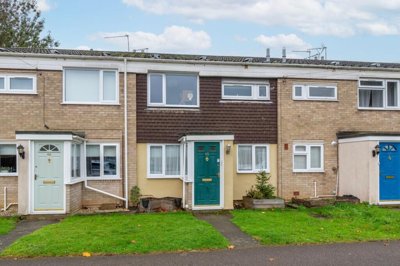
Browse 1 rental home to rent in Skeyton, North Norfolk from local letting agents.
The Skeyton property market offers detached, semi-detached, and terraced houses spanning various price ranges and neighbourhoods. Each listing includes detailed property information, photographs, and direct contact with the marketing agent.
£0/m
0
0
0
Source: home.co.uk
Showing 0 results for Houses to rent in Skeyton, North Norfolk.
homedata.co.uk records show that the local sales market in Skeyton has been moving in different directions depending on the road and property type. Skeyton Common averaged £266,648 over the last year, and that figure sits 7% below the previous year and 20% below the 2022 peak of £331,568. Skeyton New Road, in the NR28 area, averaged £170,500 over the last year, down 31% year on year and 26% below its 2023 peak. Skeyton Road averaged £365,000, which was 30% up on the previous year but still 54% below its 2023 peak of £791,667.
The type split also matters here, because terraced homes in Skeyton Common averaged £214,946, semi-detached homes £265,679 and detached homes £387,727. For renters, that usually means the village can support a range of budgets, but the best-value lets may appear in smaller cottages or converted homes rather than larger detached houses. Our search works especially well for people willing to widen their search into nearby NR28 and NR10 locations too, since supply in a small parish can be limited. A rental budget agreement in principle is useful before you start viewing, because homes with character and countryside appeal can be snapped up quickly.
There is also some fresh housing activity to keep an eye on, with plans revealed to convert four barns at Beech Farm into seven homes. That kind of development matters in a place like Skeyton, where the existing stock is older and new supply is relatively rare. Period homes, farm conversions and infill opportunities tend to define the market more than big estates do. If you want a rental with village character, the most useful move is to watch how these smaller schemes come forward and how they shape future availability.

Skeyton feels like a proper Norfolk parish, with a small resident base, countryside views and a layout shaped by old lanes, farms and historic buildings. The settlement size gives it a calm, low-traffic feel that suits renters who want quiet evenings and straightforward parking more than café streets and late-night footfall. Our reading of the area is that it works best for people who value a peaceful home base and do not mind travelling a little further for larger shops or services. That trade-off is often exactly what makes rural renting worthwhile.
Landscape matters here too, because Skeyton sits within an open rural stretch of North Norfolk rather than a dense urban block. The area has fertile land and a classic village character, while All Saints Church, built in brown carstone, underlines the historic feel of the parish. Other older homes suggest a mix of local brick, flint and render across the village, which gives the housing stock plenty of visual variety. Those details matter if you are after a rental with period features, original materials or the kind of rural setting that feels rooted in place.
Village life is anchored by heritage and nearby countryside rather than a long list of high-street chains. The Goat Inn, historic farmhouses and chapel conversions point to a settlement that has grown gradually, and the wider North Norfolk coast and market-town amenities are reachable when you need them. For renters, that usually means a good balance of privacy and practicality, with everyday peace at home and bigger shopping trips elsewhere. If you want a place where the setting is a feature rather than an afterthought, Skeyton deserves a close look.
Skeyton itself is a tiny parish, so families usually look beyond the village boundary for day-to-day schooling. Nearby Buxton and North Walsham are the names most people compare first, because they offer the shortest practical commute for primary and secondary education. That makes school choice a local issue as much as a catchment issue, and it is worth checking exact addresses before you commit to a tenancy. Our advice is to shortlist homes once you know which school run you are trying to make.
Local parents tend to focus on village primaries for younger children and larger secondary options in North Walsham for older pupils, with sixth-form and college provision also available across the wider North Norfolk area. Because Skeyton is rural, a good school commute usually matters more than being within walking distance of every stage of education. Speak to schools directly about catchments and transport links, since boundaries can shift and rural postcodes do not always behave the way people expect. If you are moving as a family, viewing at school-run times is a smart way to test how the village fits your routine.
For renters with children, the appeal of Skeyton is often the chance to combine a quieter home life with access to more than one education corridor nearby. That gives you options if one school is oversubscribed or if you need a route into a particular secondary or sixth-form path. We would always check the latest Ofsted reports and admission maps before making an offer, because these details matter more than postcode myths. In a small parish like this, the best school strategy is usually the one that matches your tenancy length and your family timetable.

Transport is one of Skeyton's biggest trade-offs. The village is rural, so most residents rely on a car for work, shopping and school runs, while bus use tends to be more occasional and timetable-led. The practical rail option is usually North Walsham for connections into Norwich and the wider network, though you should always check current timetables for the exact home you are considering. Living here rewards people who are happy to plan ahead rather than jump on a train at the last minute.
Road access is straightforward in the sense that you are close to the North Norfolk village network, but not in the sense of urban shortcut routes. Narrow lanes, farm traffic and seasonal tourism can all shape journey times, so a five-mile drive can feel slower than it looks on a map. Parking is usually better than in a town centre, yet many older homes have tighter driveways, shared accesses or limited on-street space. If you commute regularly, test the route at peak time before signing a tenancy.
Cycling can work well for local trips if you are used to country roads and variable surfaces, but it is less suited to people who need protected urban cycling infrastructure. The upside is a quieter setting and less day-to-day congestion than you would find in larger settlements. Renters who work in Norwich or on the coast often treat Skeyton as a peaceful base with predictable road access rather than a transport hub. That is exactly why a budget check before viewing matters, because the right home here depends on both travel costs and rent.
Get a rental budget agreement in principle before you book viewings, so you know what you can afford and can move quickly when the right home appears.
Decide whether you want a property close to the centre, on a quieter lane or nearer your commuting route, because small changes in location can affect daily life in a place like Skeyton.
Arrange viewings at different times of day if you can, so you can judge parking, road noise, lighting and the feel of the surrounding countryside.
For period homes, barn conversions and listed buildings, check maintenance history, heating, insulation, access, repairs and any restrictions that come with the property.
Use tenant referencing, prepare your documents and confirm the deposit, first month's rent and move-in date before you commit to the tenancy.
Record meter readings, read the inventory carefully and photograph any issues straight away so there is a clear record from day one.
Skeyton has a strong stock of older and converted buildings, so condition matters as much as location. Period cottages, former farm buildings and chapel conversions can look charming while hiding maintenance issues such as damp, roof wear, older electrics and uneven insulation. If a home dates back many decades, ask who is responsible for repairs to shared roofs, chimneys, drainage and access tracks. That is especially relevant if the property sits in one of the village's listed or converted buildings.
Because the research pack does not provide a verified flood map for Skeyton, ask for a property-specific check rather than relying on postcode assumptions. Rural Norfolk can also include clay and mixed soils in places, so make sure you understand whether the home has historic movement, cracked plaster or signs of settlement. When a property sits in a converted chapel or barn, service arrangements and maintenance obligations can be different from those in a standard house. A careful viewing will save you from surprises after you move in.
Converted and listed buildings can be lovely to live in, but they are not always the easiest places to maintain or modify. Ask about windows, heating upgrades, loft access, insulation and any restrictions on fixtures if you want to hang shelves or make cosmetic changes. If you are renting a flat or a converted unit, confirm what service charges or communal costs are bundled into the monthly payment. The best Skeyton rentals are the ones that fit your lifestyle and your appetite for upkeep.
For a rental in Skeyton, the main upfront costs are usually the holding deposit, the tenancy deposit and the first month's rent. Under the Tenant Fees Act, the holding deposit is normally capped at one week's rent, while the tenancy deposit is usually capped at five weeks' rent if annual rent is under £50,000, or six weeks above that threshold. Ask the agent exactly what is due before you apply, because village lets can be taken quickly and you do not want avoidable delays. A clear budget makes rural house-hunting far less stressful.
If you are also comparing renting with buying later, the current stamp duty thresholds are 0% up to £250,000, 5% from £250,000 to £925,000, 10% from £925,000 to £1.5 million and 12% above that. First-time buyers get 0% up to £425,000 and 5% from £425,000 to £625,000, with no relief above £625,000. That is not a tenancy cost, but it does matter if Skeyton is part of a longer move plan and you want to keep your options open. We always encourage movers to run the numbers early so the rental choice supports the next step too.
A rental budget agreement in principle can help you move faster, especially where the village supply is limited and properties are character-led. It is a simple way to show that your finances are ready before you book viewings or submit an application. Our rental budget quotes can help you compare the real monthly outlay, not just the headline rent. That matters in Skeyton because travel, heating and maintenance costs can be as important as the rent itself.
The supplied research does not include a verified live rental average for Skeyton, so we would not guess at a figure. What we do know from homedata.co.uk is that the local sales market averages £266,648 in Skeyton Common, with terraced homes at £214,946, semi-detached homes at £265,679 and detached homes at £387,727. That spread usually points to a rental market shaped by property size, age and road location rather than by one flat benchmark. The best way to judge current rent is to compare live listings on home.co.uk and work from your budget agreement in principle.
Council tax in Skeyton is set by North Norfolk District Council, and the band depends on the individual property rather than the parish as a whole. A converted cottage, a detached period house and a barn conversion can all sit in different bands even on the same road. Ask for the exact band on any viewing sheet or listing before you make an offer. That is especially useful in a small village where a handful of homes can cover a wide range of sizes.
Because Skeyton is so small, the most practical school choices are usually in nearby Buxton and North Walsham, with Aylsham also worth considering for some families. The right pick depends on catchment, transport and the age of your children, so check each school's intake map before assuming proximity equals eligibility. For older pupils, North Walsham's secondary and sixth-form options are the names most renters investigate first. We would always advise pairing school research with your tenancy length so the move works for the whole family.
Skeyton is rural, so public transport is serviceable rather than frequent in the way a town centre would be. Most commuters look to nearby North Walsham for rail access into Norwich and onward journeys, while buses tend to serve local trips on a timetable you need to check carefully. In practice, this is a car-friendly village with public transport as a backup rather than the main event. If you rely on rail every day, test the route before you sign.
Yes, if you want quiet surroundings, historic buildings and easy access to countryside living. The village suits renters who are happy with a slower pace and a commute that may involve driving to a nearby station or town. homedata.co.uk shows prices across the parish can vary a lot, from £170,500 on Skeyton New Road to £365,000 on Skeyton Road, which reflects the different character of the roads and properties here. That variety is useful because it can create more than one kind of rental opportunity.
Expect the usual English tenancy costs: a holding deposit of up to one week's rent, a tenancy deposit of up to five weeks' rent on most homes, or six weeks where annual rent is above £50,000. You may also need your first month's rent in advance, plus a budget for moving costs such as vans, insurance and meter set-up. Agents should be clear on any permitted payments, and anything outside the legal list should ring alarm bells. If you are comparing multiple homes, ask for the full upfront total in writing so you can compare like for like.
Older homes are one of Skeyton's strengths, but they need a careful eye. Look for damp, roof wear, cracks, wood condition and any evidence of outdated wiring or heating. If the property is converted from a chapel, barn or farm building, ask who handles shared maintenance and whether there are restrictions on changes. A good viewing here is not only about how the house feels, but about how the building has been looked after over time.
From 4.5%
Compare monthly affordability and get an agreement in principle before you view
From £499
Get support with tenant checks, affordability and paperwork
From £350
Useful for older homes, barn conversions and period rentals
Properties to Rent In London

Properties to Rent In Plymouth

Properties to Rent In Liverpool

Properties to Rent In Glasgow

Properties to Rent In Sheffield

Properties to Rent In Edinburgh

Properties to Rent In Coventry

Properties to Rent In Bradford

Properties to Rent In Manchester

Properties to Rent In Birmingham

Properties to Rent In Bristol

Properties to Rent In Oxford

Properties to Rent In Leicester

Properties to Rent In Newcastle

Properties to Rent In Leeds

Properties to Rent In Southampton

Properties to Rent In Cardiff

Properties to Rent In Nottingham

Properties to Rent In Norwich

Properties to Rent In Brighton

Properties to Rent In Derby

Properties to Rent In Portsmouth

Properties to Rent In Northampton

Properties to Rent In Milton Keynes

Properties to Rent In Bournemouth

Properties to Rent In Bolton

Properties to Rent In Swansea

Properties to Rent In Swindon

Properties to Rent In Peterborough

Properties to Rent In Wolverhampton

Enter your details to see if this property is within your budget.
Loans, cards, car finance
Estimated property budget
Borrowing + deposit
You could borrow between
Typical borrowing
Monthly repayment
Est. at 4.5%
Loan-to-value
This is an estimate only. Your actual budget may vary depending on interest rates, credit history, and personal circumstances. For an accurate affordability assessment, speak to one of our free mortgage advisors.
This calculator provides estimates for illustrative purposes only and does not constitute financial advice. Your home may be repossessed if you do not keep up repayments on your mortgage. Estimates based on 4.5% interest rate, repayment mortgage. Actual rates depend on your circumstances.
Homemove is a trading name of HM Haus Group Ltd (Company No. 13873779, registered in England & Wales). Homemove Mortgages Ltd (Company No. 15947693) is an Appointed Representative of TMG Direct Limited, trading as TMG Mortgage Network, which is authorised and regulated by the Financial Conduct Authority (FRN 786245). Homemove Mortgages Ltd is entered on the FCA Register as an Appointed Representative (FRN 1022429). You can check registrations at NewRegister or by calling 0800 111 6768.

We use cookies to show you personalised content and improve your experience of our website. Find out more in our Privacy policy and Cookie policy.