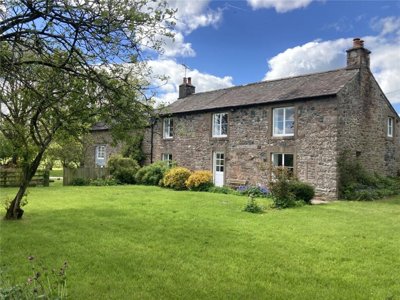
Browse 1 rental home to rent in Skelton, Westmorland and Furness from local letting agents.
£0/m
0
0
0
Source: home.co.uk
Skelton’s rental market mirrors the feel of this historic Cleveland village, with everything from period stone cottages to modern family homes. We monitor listings across the village and, although recent homedata.co.uk data puts the sales market average at around £168,885, renting moves to its own rhythm. It tends to suit tenants who want the village atmosphere without taking on a purchase. Our database continues to show steady availability across property types, so Skelton works for renters at different stages of their housing search.
In Skelton, rents usually sit around £550-800 per month for one and two-bedroom properties, while larger family homes can command £900-1,200 per month. There is plenty of variety too, from traditional 19th-century brick terraces that can be strong value for first-time renters, to semi-detached and detached homes from the village’s 20th-century expansion. Conservation area homes may carry a premium because of their character and heritage, while newer developments nearby bring modern specifications and better energy efficiency. The Castlegate development by Bellway Homes, about five minutes drive from Marske station in the Skelton vicinity, includes 3 and 4-bedroom detached and semi-detached houses for those after newer construction.
Narrowing the property type makes the search far easier. Detached homes in Skelton, with sales values averaging around £268,112, usually give families more space and privacy. Semi-detached homes, averaging £156,408, sit in the middle and often make good value for money. Terraced properties, especially those from the 19th century, are generally the most affordable way into the village rental market, and many still show the red brick character seen throughout East Cleveland.

Skelton has real historical depth, dating back to the medieval period when it acted as an important market centre for the surrounding agricultural community. The village centre still gathers around The Green, the traditional village green that remains the focal point of community life. We enjoy the Conservation Area, designated in 1973 to protect the historic core and covering 60 listed buildings of special architectural or historic interest. The Church of St Giles, a Grade I listed building dating from around 1240, dominates the skyline with its magnesium limestone walls and Westmoreland slate roof, a direct link to more than 800 years of local history.
According to the 2021 Census, the village population is approximately 6,893, with nearby areas taking the civil parish total to nearly 12,848 people. That gives Skelton a close-knit feel without losing the services and amenities people need. A local industrial estate to the north helps provide jobs and supports the local economy, which also cuts down on long commutes. Several traditional pubs, local shops and essential services remain in place, while Saltburn-by-the-Sea and Redcar add broader retail, dining and leisure options within easy reach. Our local knowledge suggests the older streets around The Green are especially valued for that village-centre atmosphere.
At the foot of the Cleveland Hills, Skelton sits in a spot that gives immediate access to excellent walking and outdoor recreation. The North York Moors National Park is within easy reach, and the coastline at Saltburn-by-the-Sea brings dramatic sea walks and beach access. Ironstone mining shaped the area for years and was a major East Cleveland industry. You can still see the effects in the landscape and architecture, with former mine sites now forming interesting walking routes and local history landmarks. Some properties may even have been built using materials from former mining operations, something tenants should bear in mind when looking at older homes.

Families looking to rent in Skelton will find a sensible choice of schools serving the village and surrounding area. The village itself has primary options, and several good-rated schools sit within a short distance, covering children from early years through to Key Stage 2. Our local insight is that schools in the Skelton and Brotton area generally serve the community well, with positive Ofsted ratings across a number of settings. Parents should remember that catchment areas can have a big effect on which properties attract the strongest demand, so checking those boundaries before committing to a tenancy is well worth the time.
For secondary education, nearby towns provide the next step, and school transport makes them reachable for families living in Skelton. Schools in Redcar and Middlesbrough offer full GCSE and A-Level programmes, while grammar school options in selective areas give academically gifted students another route. The Cleveland area has seen continuing investment in educational facilities, and local authority data points to generally positive Ofsted ratings across many of the schools serving the Skelton catchment area. If a family has specific preferences, a visit to the schools and a conversation with admissions offices usually gives the clearest picture of capacity and entry requirements.
Homes in good school catchments often see stronger rental demand and hold their value better over time. Tenants should also allow for school transport costs if the property sits outside the walkable catchment for their preferred school. In our experience, roads leading toward Saltburn and Redcar tend to offer useful access to secondary school transport routes. Several primary schools in the surrounding villages also run before and after-school clubs, which can matter a great deal for working parents weighing up the day-to-day practicality of a rental property.

Practical transport links help make Skelton workable for commuters and for anyone needing wider amenities. The nearest railway station is in nearby Marske-by-the-Sea, with services to Middlesbrough and onward connections into the wider rail network. From Middlesbrough station, travellers can reach Newcastle, York, Leeds and London via interchange links. We always suggest checking National Rail Enquiries for the latest timetables and connection times, because weekday and weekend service patterns are not always the same.
Just off the A174, the village has straightforward access to the A19 trunk road running through Teesside, which connects residents to employment centres, shopping destinations and leisure facilities across the region. Middlesbrough town centre is usually around 20-30 minutes by car, so days out and evening plans are easy enough for Skelton residents. For people working in Teesside, the commute from Skelton can stack up well against living in Middlesbrough itself, with village character on one side and reasonable travel times on the other.
Bus services do run in the Skelton area, linking residents with nearby towns and villages, though frequency changes depending on the route and time of day. Drivers usually find parking simpler than in larger urban areas, which many renters appreciate. Cyclists get the challenge of the Cleveland Hills, while the coast road offers a gentler ride to Saltburn and beyond. We have found that homes near the village centre and along the main approach roads tend to give the easiest access to transport, although the village’s compact layout means most areas are still fairly walkable.

Getting to grips with the construction and character of properties to rent in Skelton helps when choosing the right home. The housing stock covers several centuries, with especially strong heritage in the Conservation Area around The Green. There are 18th-century and earlier stone buildings, Victorian terraces and modern developments, each with its own quirks and maintenance considerations. The Church of St Giles, built in magnesium limestone with Westmoreland slate roofing, sets much of the tone in the historic core, while Victorian and Edwardian terraces show the red brick style typical of late 19th-century housing.
Many traditional 19th-century terraces in Skelton use the red brick seen across East Cleveland, and a lot of them still keep original features such as fireplaces, timber floors and high ceilings. They can be full of character and good value, although older construction often asks for more maintenance attention. Our inspectors frequently point out that period properties are best understood with their upkeep in mind, especially the heating system, roof condition and any history of damp penetration. It helps to ask landlords about recent maintenance and the age of key systems so expectations stay realistic.
The 20th-century expansion of Skelton brought semi-detached and detached houses, along with bungalows, especially in the areas around the historic core. These homes often come with more modern specifications while still keeping the village feel. Some properties may also have been affected by the area’s ironstone mining past, and mining subsidence has been recorded, including significant damage in North Skelton in 1964. After the mines closed, some subsidence issues in East Cleveland were linked to the use of shale from mine waste tips in foundations. That said, the problems are not widespread, though tenants of older homes should feel comfortable asking about any history of structural issues or remediation works.
There are 60 listed buildings within the Conservation Area, and that means tenants in Skelton need to take special care with certain homes. Skelton Manor, a Grade II* listed building with mid-16th-century origins, has timber framing cased in brick and a plain tile roof. Skelton Hall, Grade II listed and dating from 1824, is built in white brick with Welsh slate roofing. People renting listed properties should know that permitted development rights can be limited and that alterations may need Listed Building Consent. That can affect decorating or other changes during the tenancy, so it is sensible to talk those points through with landlords before signing up.

Before we begin a search for rental properties in Skelton, we like to secure a rental budget agreement in principle from a financial provider. It shows how much rent can be afforded and gives landlords and letting agents confidence that the applicant is serious and ready. Having finances organised before viewings gives a clear edge in what can be a busy rental market. We recommend arranging this before any viewings, since it makes the application process much smoother.
We also suggest spending time in Skelton itself, and around the surrounding area, to get a proper sense of daily life there. Visit at different times of day and on different days of the week so noise, traffic and community atmosphere come through properly. Check how close the local amenities are, along with transport links, schools if relevant and green spaces. A feel for the village character helps confirm whether it matches lifestyle expectations. Our team can talk through the different neighbourhoods in Skelton, including which parts work best for commuters and which have the strongest community feel.
Once a shortlist is in place, we arrange viewings through Homemove or local letting agents. It is worth bringing questions about the property condition, maintenance arrangements, the landlord’s expectations and any specific tenancy terms. Notes and photographs taken during the viewing make comparison easier afterwards. For period homes, ask directly about the heating system, roof condition and any history of damp or structural issues. Our viewings give us the chance to look over properties properly before anyone makes a commitment.
As soon as the right property comes up, we submit the rental application quickly, with all the paperwork ready, including proof of identity, proof of income or employment, references from previous landlords and the rental budget in principle. Complete applications tend to move fastest in competitive situations. We advise preparing documentation in advance so there is no delay when a property feels right. Some landlords may ask for a guarantor, especially where the tenant has limited rental history.
After approval, a tenancy agreement will be issued and signed. We always read this carefully and ask for clarification on anything that is unclear before putting pen to paper. The deposit amount, tenancy term length, notice periods and any special conditions all need checking. Return the signed agreement promptly to secure the property. For listed homes, clauses about decorations and alterations deserve extra attention, because restrictions can be tighter than in a standard property.
Before the keys are handed over, an inventory check and condition report are usually completed. We document the condition thoroughly, with dated photographs and notes on any existing damage or issues. A clear check-in inventory helps protect against unfair deductions later on when the tenancy ends. Contents insurance should be arranged, and relevant parties need to be told about the change of address. We strongly recommend a professional inventory service for this stage, since detailed move-in records can prevent disputes at move-out.
Rental prices for properties to rent in Skelton usually sit around £550-800 per month for one and two-bedroom homes, with larger family houses commanding £900-1,200 per month or more. The market remains relatively affordable compared with larger regional centres like Middlesbrough and Leeds, which makes it attractive for people who want village character without city-level pricing. Conservation area properties or homes with historic features may attract premiums, while smaller terraced houses often offer the best entry point for first-time renters. The rent achieved depends on the condition, the location within the village and the level of demand at the time.
For council tax purposes, properties in Skelton fall under Redcar and Cleveland Borough Council. The council handles banding for all residential properties in the area, with bands from A through to H depending on value. Most terraced homes and smaller properties in Skelton are usually in Bands A-C, while larger detached houses may sit higher up the scale. Prospective tenants should ask landlords or letting agents for the exact council tax band of any home they are considering, because it forms part of the regular tenancy costs alongside rent. Council tax is usually paid monthly and can often be set up by direct debit.
Skelton is served by several primary schools with good ratings in the local area, covering children from early years through Key Stage 2. Secondary options in nearby towns include schools with strong academic reputations, and school transport from Skelton gives access to them. The Cleveland area has a mix of academy schools, faith schools and comprehensive schools offering different curricula and extracurricular programmes. Parents should look into specific catchments, admission criteria and transport arrangements when choosing a rental property, because school access can have a major effect on family life and everyday routines. Homes within walking distance of popular primary schools often draw stronger rental demand from families with young children.
For a village of its size, Skelton has practical public transport connections. The nearest railway station sits in Marske-by-the-Sea, with services into Middlesbrough and onward links to Newcastle, York and London. Bus routes connect Skelton to Saltburn-by-the-Sea, Redcar and other nearby towns, although service levels vary by route and time of day. The village is near the A174 road, which leads on to the A19 trunk road and opens up Teesside and beyond. A car is usually helpful for commuting to larger employment centres, though not essential for everyone depending on where they work and how flexible the job is.
Skelton gives renters a strong quality of life, especially if they want village character without losing practical links to bigger urban areas. Historic charm sits alongside essential local amenities, a clear sense of community and attractive countryside, with access to the North York Moors National Park close by. The rental market offers good value compared with larger towns and cities in the region, and homes come at a range of price points. For families, local schools and the employment offered by the village industrial estate add to the appeal. The Cleveland Hills also open up plenty of recreation for walkers and outdoor enthusiasts, which suits anyone who likes rural living with accessibility.
When renting in Skelton, the usual security deposit is equivalent to five weeks rent, held in a government-approved tenancy deposit scheme for the duration of the tenancy. As a first-time renter, you may find there is no stamp duty equivalent on residential rentals, which helps keep upfront costs down. Even so, the first month’s rent, moving costs and any letting agent fees that still apply all need budgeting for. Since April 2019, letting agent fees charged to tenants have been largely banned in England, so many costs that used to fall to renters now sit with the landlord. We recommend getting a rental budget agreement in principle before starting the search, as it helps the application move faster and shows landlords that the finances are in place.
Skelton has significant heritage stock, including listed buildings and homes in the conservation area, so renting here can involve a few extra considerations. Ask about what is and is not allowed in terms of decoration and alterations, because listed building consents may be needed for certain changes. Period properties often bring different maintenance needs from modern houses, and traditional materials need specialist care. Landlords should be asked about recent maintenance, the age and condition of the heating system, roof condition and any history of damp or structural issues. It is also sensible to understand the maintenance reporting process and the expected response times, and older homes may have higher heating costs, so checking energy efficiency ratings before committing is wise.
In recent years, Skelton has seen some new housing development, including the Castlegate development by Bellway Homes, which offers 3 and 4-bedroom detached and semi-detached houses in the vicinity. A planning application for up to 400 new residential properties on land to the east and west of Saltburn Lane in Skelton was proposed, although the current status should be checked with Redcar and Cleveland Borough Council planning department. Newer homes usually bring modern specifications, improved energy efficiency and less maintenance than older stock, though their condition and features can mean higher rents.
Knowing the full financial picture when renting in Skelton makes budgeting easier and helps avoid surprises during the application process. The biggest upfront cost is usually the first month’s rent plus a security deposit, normally equivalent to five weeks rent, which must be protected in a government-approved tenancy deposit scheme within 30 days of receipt under the Housing Act 2004. That deposit protection means the full deposit should be recoverable at the end of the tenancy, provided there is no damage beyond normal wear and tear or unpaid rent. Our team always advises checking which deposit protection scheme the landlord uses before the tenancy agreement is signed.
If you are a first-time renter or have limited rental history, some landlords may ask for a guarantor who agrees to cover costs if tenancy obligations are not met. That is especially common for students or those with limited credit history. Letting agent fees, where they still apply, should be clearly set out before anyone commits to a particular agent or property. Since April 2019, letting agent fees charged to tenants have been largely banned in England, which means many costs that were once passed to renters are now the landlord’s responsibility, although it still pays to check exactly what is included in the rent and what other charges could arise. We always ask for a written breakdown of all costs before any holding deposit is paid.
On top of the moving costs, the monthly budget should include rent, council tax payable to Redcar and Cleveland Borough Council, utility bills, contents insurance and a TV licence if applicable. Older buildings, or homes with weaker energy efficiency ratings, can bring higher heating costs, so that is worth checking before any tenancy begins. Setting up utility accounts as soon as the move happens helps avoid disconnection or reconnection problems and means payment starts from day one of the tenancy. We recommend taking meter readings on the day of the move and sending them to the utility providers straight away.
Get pre-approved for your rental budget to streamline your search
From 4.5%
Comprehensive referencing to support your rental application
From £99
Energy performance certificate for your rental property
From £85
Professional inventory check to protect your deposit
From £95
Properties to Rent In London

Properties to Rent In Plymouth

Properties to Rent In Liverpool

Properties to Rent In Glasgow

Properties to Rent In Sheffield

Properties to Rent In Edinburgh

Properties to Rent In Coventry

Properties to Rent In Bradford

Properties to Rent In Manchester

Properties to Rent In Birmingham

Properties to Rent In Bristol

Properties to Rent In Oxford

Properties to Rent In Leicester

Properties to Rent In Newcastle

Properties to Rent In Leeds

Properties to Rent In Southampton

Properties to Rent In Cardiff

Properties to Rent In Nottingham

Properties to Rent In Norwich

Properties to Rent In Brighton

Properties to Rent In Derby

Properties to Rent In Portsmouth

Properties to Rent In Northampton

Properties to Rent In Milton Keynes

Properties to Rent In Bournemouth

Properties to Rent In Bolton

Properties to Rent In Swansea

Properties to Rent In Swindon

Properties to Rent In Peterborough

Properties to Rent In Wolverhampton

Enter your details to see if this property is within your budget.
Loans, cards, car finance
Estimated property budget
Borrowing + deposit
You could borrow between
Typical borrowing
Monthly repayment
Est. at 4.5%
Loan-to-value
This is an estimate only. Your actual budget may vary depending on interest rates, credit history, and personal circumstances. For an accurate affordability assessment, speak to one of our free mortgage advisors.
This calculator provides estimates for illustrative purposes only and does not constitute financial advice. Your home may be repossessed if you do not keep up repayments on your mortgage. Estimates based on 4.5% interest rate, repayment mortgage. Actual rates depend on your circumstances.
Homemove is a trading name of HM Haus Group Ltd (Company No. 13873779, registered in England & Wales). Homemove Mortgages Ltd (Company No. 15947693) is an Appointed Representative of TMG Direct Limited, trading as TMG Mortgage Network, which is authorised and regulated by the Financial Conduct Authority (FRN 786245). Homemove Mortgages Ltd is entered on the FCA Register as an Appointed Representative (FRN 1022429). You can check registrations at NewRegister or by calling 0800 111 6768.

We use cookies to show you personalised content and improve your experience of our website. Find out more in our Privacy policy and Cookie policy.