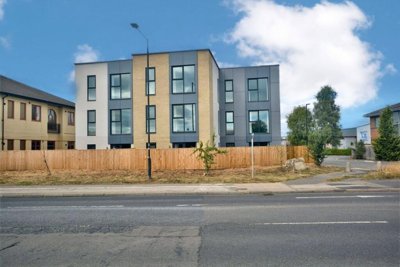
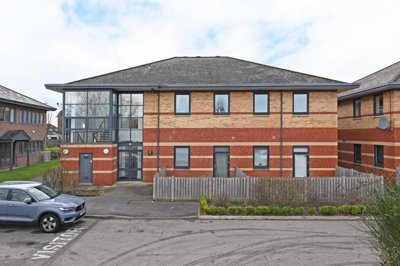
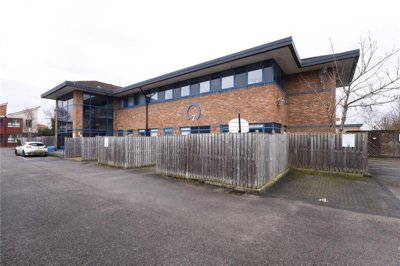
Browse 3 rental homes to rent in Skelton from local letting agents.
One bed apartments provide a separate bedroom alongside distinct living space, bathroom, and kitchen areas. Properties in Skelton are available in various building types including mansion blocks, contemporary developments, and house conversions.
Skelton’s rental market sits within the pull of York, which is why demand tends to hold up even when sale prices move around. Exact rents in YO30 1 depend heavily on size, condition and street, but the wider York postcode area gives useful background for anyone thinking beyond a short let, with average house prices at £351,866. There were 57 property sales in the last 24 months, so the market has not gone quiet. homedata.co.uk shows house prices in YO30 1 down by 19.4% over the last 12 months as of January 2026, which may give renters a little more room when discussing terms.
There is a proper mix of rental stock in and around Skelton, rather than one dominant house type. In the wider YO30 postcode, sales data shows detached homes at 30.5% of transactions, semi-detached properties at 32.7%, terraced houses at 25.0%, and flats at 11.8%. For renters, that can mean anything from a family house with a garden to a smaller flat for one person or a couple. The older village core brings period homes into the picture, while post-war building and later estates add more straightforward modern options.
YO30 is wider than Skelton itself, taking in places such as New Earswick and Huntington, so it is worth looking across the full postcode if your budget is tight or your dates are fixed. Each area has its own balance of houses, flats and rental supply. Skelton’s draw is the easy reach of York city centre, without being right in the middle of it.

Skelton has much older roots than its commuter-village reputation might suggest. The settlement dates back at least to the 8th or 9th century and appears in the Domesday Book. Around The Green, Skelton Hall and the Church of St Giles, you still get a clear sense of the historic centre. St Giles is Grade I listed, dates from around 1240, and is built from magnesium limestone with Westmorland slate. The Skelton Conservation Area, designated in 1973, protects that character, covering traditional buildings, mature trees and valued open spaces. The Village Trust also plays an active part in keeping the village looking like Skelton, not a suburb by accident.
For much of its life Skelton was an agricultural community, then the village grew sharply from the mid-20th century onwards. Brecksfield appeared from 1957, Grange Park followed in the 1970s, and later housing came at The Meadows, The Vale and The Dell. That is why the rental stock can feel mixed, with old village buildings close to more practical family housing. Everyday services are still close by for many residents, including a post office and general store, a public house, a social club and a doctor’s surgery.
The east bank setting beside the River Ouse gives Skelton much of its appeal, but renters should not ignore the practical side of that location. The village sits approximately 25 metres above sea level, with boulder clay beneath the historic core and strong clay over gravel and sand across the rest of the area. The River Ouse at Skelton is monitored, and records show a highest level of 6.79m on November 4, 2000. Flooding has affected properties in places such as Alma Terrace and Postern Close before, so flood checks matter on some streets.
Clay is part of the local story in Skelton. Boulder clay and strong clay soils can shrink and swell as moisture levels change, and over time that may lead to foundation movement, especially in older parts of the village. Trees close to a house can make the problem worse in dry spells by drawing water out of the ground. On viewings, look for wall cracks, uneven openings or door frames that stick. Those signs do not always mean serious movement, but they are worth asking about.
It helps to know what you are looking at when viewing homes in Skelton, because the village’s buildings are not all built the same way. The Church of St Giles, c. 1240, uses magnesium limestone and Westmorland slate. Skelton Manor, from the mid-16th century, began as a timber-framed building before later being cased in brick under a plain tile roof. Skelton Hall, built in 1824, has white brick and a Welsh slate roof, a more formal Georgian choice.
Across the village, different ages of building are tied together by traditional materials. Clay pantiles arrived in the 17th century, then grey-blue-black Welsh slate became common in the mid-19th century, and both still shape the local roofscape. Brick use spread from the late 17th century onwards, with handmade and machine-made red, orange and brown bricks becoming familiar through the Victorian period. One especially recognisable material is creamy white Pease brick, visible on Skelton Methodist Church and on some Victorian buildings nearby.
Modern Skelton homes are usually more conventional in construction, with standard brick and tile methods and, in some newer cases, man-made slates and tiles. The age of a rental property can make a real difference to upkeep and comfort. A period house may have solid walls without cavity insulation, original wiring or single-glazed windows. Post-war homes more often have cavity wall construction and later building standards. Before renting an older home, ask what the landlord has repaired recently and what work, if any, is planned during the tenancy.
Families looking at Skelton have schooling choices in the village and across the York area. Skelton has educational facilities for its own population, including a primary school for the immediate community, with further primary schools in neighbouring areas. Being close to York widens the choice of primary and secondary schools across different catchments, which gives families more to weigh up when deciding which part of the Skelton area suits them.
Secondary options sit within reasonable travelling distance in the wider York area. Some families compare schools by curriculum strengths, extracurricular activities or a particular teaching approach. York has several grammar schools drawing pupils from across the region, and places are competitive, so parents with secondary-age children usually need to start research early. The University of York and York St John University also shape the wider educational climate, with university staff often choosing villages such as Skelton as a place to live.
For early years, Skelton and the surrounding area offer nurseries, preschools and other childcare settings. York’s two major universities bring another layer to local life through educational research, cultural events and community activity. Sixth form and further education are well represented in York city centre, reached by regular buses or a short car journey. The Park and Ride near Skelton also makes city-centre school runs or college trips more manageable when parking would otherwise be a nuisance.

Skelton is well placed for commuters heading into York city centre or further out. The village is close to York’s main road network, with access to the A59, A64 and onward routes across the Yorkshire motorway network. Leeds is approximately one hour by car in normal traffic, so Skelton can work for people who need both cities. For longer journeys, the A64 links directly towards the A1(M).
Buses connect Skelton with central York, giving daily commuters an alternative to driving. York railway station then opens up the national network, with fast trains to London, Edinburgh, Leeds, Manchester and other major cities. Recent investment has improved the station environment too, including the £25 million York Station Gateway regeneration, with better facilities and easier access for commuters.
Cycling is a realistic option for many Skelton residents, particularly with York’s growing network of traffic-free routes. The flat land around the River Ouse valley helps, while routes towards the Howardian Hills offer something hillier for leisure rides. Parking within the village is fairly limited, so buses and bikes can be the simpler choice for regular trips into York. The nearby Askham Bryan College cycle path gives riders a traffic-free route into the city without relying on busier roads.

Before you start viewing, get a rental budget agreement in principle. It sets out what you can afford each month and gives estate agents and landlords a clearer picture of you as a serious applicant. Banks and mortgage brokers can provide budget agreements, and having one ready shows that your finances have been thought through before you make an offer.
Start with current rental listings in Skelton and the wider YO30 postcode. Compare house type, rent, access to schools, transport and the day-to-day amenities your household actually uses. Because Skelton has both period homes and later developments, it is sensible to decide early which style of property best fits your budget and how you live.
Arrange viewings through local estate agents once a property looks close to your requirements. Take notes, because details blur after a few visits. Ask about lease terms, deposit amounts, fixtures and fittings, and any rules on pets or smokers. In Skelton, also ask directly about flood history, general condition and recent maintenance.
Once a suitable rental comes up, move quickly with the application. You will usually need proof of identity, income or employment evidence, previous landlord references and permission for background checks. Demand in the Skelton area means delays can cost you the property, so keep the documents ready before you need them.
The estate agent or landlord will then carry out tenant referencing. If the checks are accepted, you sign the tenancy agreement and pay the deposit plus the first month’s rent. Read the agreement before signing, particularly the tenancy length, notice periods and maintenance clauses.
After that, agree the move date, put utilities into your name and go through the inventory at the property. Photograph the condition at check-in, including any marks, chips or wear, so there is a clear record later. For Skelton properties, check the flood risk information for that specific address too, and know what action to take if a flood warning is issued.
Skelton has a few local issues that are easy to miss if you do not know the village. Clay soils here are prone to shrink-swell behaviour, and that can affect foundations over time. Older properties, especially on boulder clay deposits, may show signs of movement. A careful viewing and, where appropriate, a survey can flag concerns before you commit to a tenancy.
Flood risk applies to certain Skelton homes because of the village’s position on the River Ouse floodplain. The Environment Agency monitoring station at Skelton records normal levels between 0.51m and 6.10m, with property flooding possible above 6.40m. Alma Terrace and the area near Postern Close have historic flood exposure, and the highest recorded level was 6.79m in November 2000. On viewings, ask about past flooding, present flood defences and the property’s location in relation to flood risk zones. Insurance may cost more where exposure is higher.
The Skelton Conservation Area can affect what happens to rented homes, particularly external changes. There may be limits on alterations, tree work or anything that changes the look of a property. If you want to make changes during a tenancy, raise them with the landlord before you commit. Listed buildings in the village may also carry specific maintenance obligations. Natural building materials help give Skelton its unified character, so some landlords will be restricted in what they can allow.
Period rentals in Skelton can be lovely, but they may not behave like newer houses. Original sash windows, Victorian fireplaces and traditional stone walls need the right sort of care, and they may fall short of modern expectations for insulation or energy efficiency. Ask the landlord about heating upgrades, double glazing and insulation work. In York winters, those details can affect comfort as much as the rent.

Exact rental figures in Skelton YO30 1 change with property type and size, but the wider York market remains busy because of the universities, tourism and the growing digital economy. Two-bedroom homes typically sit between £950 and £1,300 per month, depending on location and condition. Larger family houses are more likely to command £1,400 to £1,800 per month. Skelton’s proximity to York city centre keeps it attractive for commuters who want easier access to jobs and amenities without paying central York rents.
Skelton properties come under City of York Council. In the YO30 postcode, council tax bands run from Band A through to Band H, with the exact band based on the property’s valuation. Many post-war homes in areas such as Brecksfield and Grange Park fall into lower to mid-range bands, while larger detached houses and period homes may sit higher. You can check the band for a specific address through the City of York Council website or the Valuation Office Agency.
Skelton’s own educational facilities serve the local population, including a primary school for the immediate community, with other primary schools close by. Across York, several primary and secondary schools have strong Ofsted ratings, although performance data changes annually. Families often compare current league tables, Ofsted inspection outcomes and grammar school access before choosing where to rent. The University of York and York St John University also feed into the wider area’s education-focused culture.
Regular buses run from Skelton into York city centre, so not every commuter needs a car. From York railway station there are direct rail services to London, Edinburgh, Leeds and Manchester. By road, the village is close to the A59 and A64, giving access to the wider Yorkshire network. For flights, Leeds Bradford Airport and Manchester Airport are both within reasonable driving time.
Skelton works well for renters who want a village setting without losing York. It has historic character, a quieter residential feel and practical services such as a post office, doctor’s surgery and public house. York’s wider economy, supported by tourism, digital sectors, financial services and the two universities, helps keep rental demand steady. For longer-term tenants, that stability is part of the appeal.
In York and the surrounding areas, standard deposits usually come to five weeks’ rent, depending on the annual rent amount. As of 2024-25, tenant fee restrictions mean landlords and agents cannot charge certain fees, though you may still pay for items such as referencing, administration or check-in costs. The first month’s rent is normally due before or on the tenancy start date. Ask for a full cost breakdown before agreeing to take a property, so the upfront amount is clear.
Skelton’s position on the east bank of the River Ouse means flood history should be part of your checks. The Environment Agency monitoring station at Skelton records regular levels between 0.51m and 6.10m, and property flooding may be possible above 6.40m. The highest recorded level, 6.79m, came in November 2000, when flooding affected homes on Alma Terrace and near Postern Close. Ask about past incidents, flood defences and whether the address is in a designated flood risk zone. Higher exposure can also mean higher insurance costs.
From 4.5%
Get a mortgage in principle before applying, it can strengthen your rental application
From £99
Finish referencing checks early so your rental application can move faster
From £400
Book a professional survey for any property you expect to rent long-term
From £85
Check the energy efficiency rating before you commit to a rental property
The cost of renting in Skelton is more than the monthly rent on the listing. Alongside the first month’s rent and deposit, allow for referencing fees, inventory check costs and possible admin charges from letting agents. As of 2024-25, the Tenant Fees Act limits what landlords can charge, but reasonable costs for matters such as background checks still apply. Ask for the complete list of charges before submitting a rental application.
Across Skelton and York, the deposit is usually five weeks’ rent, with a cap at five weeks’ rent where the annual rent is less than £50,000. The landlord must protect it in a government-approved tenancy deposit scheme within 30 days of receipt. At the end of the tenancy, it should be returned minus agreed deductions for unpaid rent or damage beyond normal wear and tear. A detailed check-in record is your best protection.
Build your rental budget around the whole monthly cost, not just the rent. Council tax, utilities, contents insurance and internet all need adding in. Energy efficiency varies across Skelton because homes differ so much by age and construction type. Older period properties, especially those with solid walls rather than cavity insulation, may need more heating than modern-build homes. The Energy Performance Certificate gives a rating that can help you estimate future utility bills.

Properties to Rent In London

Properties to Rent In Plymouth

Properties to Rent In Liverpool

Properties to Rent In Glasgow

Properties to Rent In Sheffield

Properties to Rent In Edinburgh

Properties to Rent In Coventry

Properties to Rent In Bradford

Properties to Rent In Manchester

Properties to Rent In Birmingham

Properties to Rent In Bristol

Properties to Rent In Oxford

Properties to Rent In Leicester

Properties to Rent In Newcastle

Properties to Rent In Leeds

Properties to Rent In Southampton

Properties to Rent In Cardiff

Properties to Rent In Nottingham

Properties to Rent In Norwich

Properties to Rent In Brighton

Properties to Rent In Derby

Properties to Rent In Portsmouth

Properties to Rent In Northampton

Properties to Rent In Milton Keynes

Properties to Rent In Bournemouth

Properties to Rent In Bolton

Properties to Rent In Swansea

Properties to Rent In Swindon

Properties to Rent In Peterborough

Properties to Rent In Wolverhampton

Enter your details to see if this property is within your budget.
Loans, cards, car finance
Estimated property budget
Borrowing + deposit
You could borrow between
Typical borrowing
Monthly repayment
Est. at 4.5%
Loan-to-value
This is an estimate only. Your actual budget may vary depending on interest rates, credit history, and personal circumstances. For an accurate affordability assessment, speak to one of our free mortgage advisors.
This calculator provides estimates for illustrative purposes only and does not constitute financial advice. Your home may be repossessed if you do not keep up repayments on your mortgage. Estimates based on 4.5% interest rate, repayment mortgage. Actual rates depend on your circumstances.
Homemove is a trading name of HM Haus Group Ltd (Company No. 13873779, registered in England & Wales). Homemove Mortgages Ltd (Company No. 15947693) is an Appointed Representative of TMG Direct Limited, trading as TMG Mortgage Network, which is authorised and regulated by the Financial Conduct Authority (FRN 786245). Homemove Mortgages Ltd is entered on the FCA Register as an Appointed Representative (FRN 1022429). You can check registrations at NewRegister or by calling 0800 111 6768.

We use cookies to show you personalised content and improve your experience of our website. Find out more in our Privacy policy and Cookie policy.