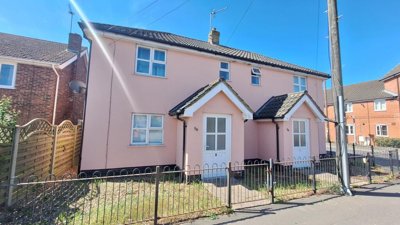
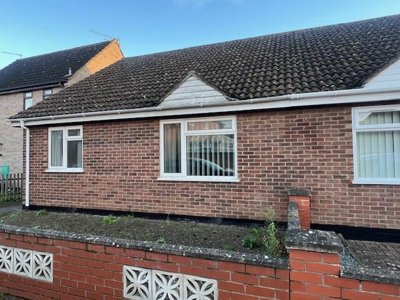
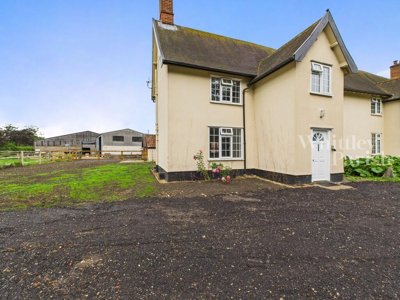
Browse 3 rental homes to rent in Scole, South Norfolk from local letting agents.
The 2 bed house market features detached, semi-detached, and terraced properties with two separate bedrooms plus living spaces. Properties in Scole range from Victorian and Edwardian period homes to modern new builds, with pricing varying across different neighbourhoods.
£0/m
0
0
0
Source: home.co.uk
Showing 0 results for 2 Bedroom Houses to rent in Scole, South Norfolk.
Scole’s rental market mirrors the village itself, small in scale but well regarded for rural living. Scole is compact, yet the wider South Norfolk area gives us a spread of rental homes, from traditional village cottages to more modern houses built in the latter half of the twentieth century. Detached houses, semi-detached homes and terraced properties are the usual choices, while flats are relatively rare in this mainly residential setting. That mix means tenants can sometimes find anything from a compact one-bedroom home to a roomy four-bedroom family house, depending on what is available.
We keep an eye on average property prices and market activity so the Scole housing picture is easier to read. Our data shows average property prices of £329,995, with detached homes averaging £410,000, semi-detached properties at £275,000, and terraced houses around £230,000. Scole has been steady over the past twelve months, with approximately 10 property sales, although renting works to a different rhythm and suits people who are not ready to buy. Rent usually follows property type, size and condition, and homes in the conservation area often attract a premium because of their character and rural setting.
New-build rentals are thin on the ground in the immediate Scole postcode area, so the existing housing stock matters a great deal for anyone after character. Most rental homes here date from the pre-1919 period or the mid-twentieth century, and many were built using traditional methods such as solid brick walls, timber floor joists and pitched roofs with clay tiles. Those older houses often still have original fireplaces, exposed beams and thicker walls, which can help with natural temperature regulation and give them a feel newer developments rarely match.

Living in Scole gives residents that classic English village feel, while keeping larger towns and cities within reach. The village sits in the Waveney Valley along the A140 road between Norwich and Ipswich, so access to the county capital and the wider East Anglian road network is straightforward. Agriculture, hospitality and small businesses support the local economy, and many residents commute to nearby Diss for shopping, work and day-to-day amenities. With a population of 1,373, the village feels close-knit without the congestion and higher costs of bigger towns.
Set on the River Waveney, which marks the historic boundary between Norfolk and Suffolk, Scole has a scenic edge and good riverside walking along the bank. Much of the village centre is protected by the designated Scole Conservation Area, which covers the historic core, including the notable Scole Inn, a Grade I listed building dating from the seventeenth century. That building is a clear reminder of the village’s long history. Around it are numerous other listed buildings, and the local palette is still very much red brick, with some properties showing render or flint detailing that speaks to the area’s building heritage.
A good number of homes in Scole date from the pre-1919 period, especially within the conservation area, and that brings plenty of character along with period features. Day-to-day needs are covered by a village shop, post office and the historic Scole Inn, which serves food and acts as a community hub. For broader shopping and leisure, Diss is approximately five miles away and offers supermarkets, independent shops, restaurants and leisure facilities, including a swimming pool and fitness centre. It is that combination of village charm and easy access to a larger town that makes Scole appealing for renters wanting a balanced lifestyle.

Families looking to rent in Scole will find schools available in nearby villages and towns. Primary education is within reach through several local village primaries that serve the surrounding community. Ofsted ratings in the area range from Good to Outstanding, and a number of primary schools are well established with local families. The nearest primary schools are in neighbouring villages, where reputations for strong academic performance and good behaviour ratings make Scole a practical choice for households putting schooling near the top of the list.
Diss, about five miles from Scole, is where the nearest secondary schools are located, and pupils there can access a wider choice, including sixth form provision. Secondary schools in Diss draw students from across South Norfolk and usually offer a range of GCSE and A-Level courses. For further education, colleges in Norwich and Bury St Edmunds provide vocational and academic options for older students, and good bus links make the daily journey manageable for motivated learners. Because Scole sits in South Norfolk, families also have access to schools rated by Ofsted across the county, with full data available on the Ofsted website to help with catchments and admissions.
It pays to look into school performance and catchment areas before agreeing to a tenancy, as admission rules can be competitive in sought-after spots. Bus services between villages and the secondary schools in Diss are generally reliable, so transport to school is not usually difficult. That said, families should think carefully about how children will travel, particularly if they are relying on public transport rather than a car. We recommend checking the Ofsted website and reading the admission catchment boundaries before settling on a rental, because both can change and may affect schooling options quite a bit.

Despite its rural feel, Scole is very well connected, which is part of the appeal for commuters and anyone who wants access without losing the village setting. The A140 runs straight through the village, giving a direct route north to Norwich, approximately 20 miles away, and south towards Ipswich and the A14 beyond. That road links Scole into the wider East Anglia network, with the A11 opening up travel towards Cambridge and the A14 giving routes to the Midlands and ports. It means residents can reach major employment centres without having to rely on smaller country lanes.
Rail travel is close at hand too, with Diss and Norwich the nearest stations and both offering links to London Liverpool Street and Cambridge. Diss railway station, roughly five miles from Scole, has regular services to Norwich and journey times of around 25 minutes, which makes it workable for daily commuters heading into the city. Norwich station opens up the wider rail network, including services to London Liverpool Street with journey times of approximately two hours. The A140 also puts coach services to larger towns and cities within reach from nearby stops, so longer trips have a few options.
Bus services connect Scole with surrounding villages and market towns, giving useful public transport cover for those without a car. The routes through the village usually link to Diss, Norwich and neighbouring settlements, with services running through the day on weekdays and reduced timetables at weekends. For drivers, parking is usually far simpler than in urban areas, and most rental homes have off-street parking, which is a real plus for households with more than one vehicle. Cycling is getting better too, with quiet country lanes suitable for leisure rides and short trips, while the National Cycle Network offers links to larger towns for longer journeys.

Renting in Scole brings a few area-specific considerations that urban renters may not think about. The local geology matters here, because the surrounding land has superficial deposits of glacial till, known as boulder clay, sitting over chalk bedrock. Boulder clay has a moderate to high shrink-swell potential, so foundations can be affected, especially during long dry spells or very wet periods. For that reason, we advise tenants to ask landlords about the foundation type and any history of structural movement or subsidence, particularly in older homes built traditionally.
Flood risk is another issue to bear in mind when renting in Scole. Homes close to the River Waveney may face a higher fluvial flood risk during heavy rainfall and periods of high river levels, especially where gardens or access run towards the riverbank. Surface water flooding can also be a problem in lower-lying parts of the village where drainage is limited. Before signing a tenancy, it is sensible to check the Environment Agency flood risk maps and ask landlords or letting agents about any flood history. Properties in the Scole Conservation Area may also have planning restrictions on alterations, so anyone planning changes should check with South Norfolk Council.
Because so many homes here are older, we would expect to see damp, timber defects and roofing problems among the more common things to watch. Solid-wall properties can suffer from rising damp, penetrating damp or condensation, particularly where modern improvements have reduced original ventilation. Timber can be affected by rot or woodworm, especially where damp has been an issue or maintenance has been poor. Roofs in period homes may show slipped tiles, failing felt and leadwork defects, and properties built before the 1980s can still have outdated wiring or consumer units that do not meet current safety standards. For listed buildings and homes in the conservation area, a specialist survey may be needed because of the construction and the need to respect historic fabric when planning works.

We can also help you think through the budget side, by looking at how much rent you can realistically afford each month. An agreement in principle for your rental budget before you start viewing can save time and shows landlords and letting agents that you are serious. It also brings the full cost into view, with council tax, utility bills and insurance all needing to sit alongside the rent in your monthly figures.
Have a look through our listings for properties to rent in Scole and across South Norfolk. Alerts can be set up so you hear about new rentals that match your criteria as soon as they appear in the village. We update our listings regularly as homes come to market, and you can filter by property type, number of bedrooms and price range to focus on the most relevant options.
Once you find a property that looks promising, speak to the local letting agent or landlord and arrange a viewing. Take notes while you are there, and ask about the condition of the home, any appliances included, who deals with garden maintenance, and whether pets or smoking are restricted. We suggest viewing more than one property before deciding, so you have something to compare and can make a properly informed choice.
Although surveys are usually associated with buying, renters of older homes can still benefit from a professional inspection. An RICS Level 2 Survey can pick up defects in properties over 50 years old, and local pricing usually sits between £400 and £700. That matters in Scole, where many homes predate 1919 and use traditional construction. A survey can flag damp, structural movement or outdated electrics before you commit to a tenancy.
After you have chosen a property, we will ask you to complete the tenant application form and provide references, proof of income and identification as requested by the landlord or letting agent. Standard referencing normally includes credit checks, employment verification and landlord or character references. It usually takes a few days, and during that time the landlord will review the applications and may come back for more details.
Read the tenancy agreement closely before signing, and make sure the clauses on rent, deposits, maintenance responsibilities and notice periods are all clear. Your deposit must be protected in a government-approved scheme within 30 days of receipt, and you should be told which scheme is holding it. Once that is sorted, you can arrange the move to your new Scole home, including utilities and any contents insurance you need.
Rental price data for Scole itself is not tracked separately in national rental indices, mainly because the village has so few rental transactions. Across South Norfolk and the surrounding area, rents usually move with property type and size, so one-bedroom homes tend to cost less than three or four-bedroom family houses. In villages like Scole, character features and the rural setting often push rents higher, and conservation area homes or period properties can command more than similar modern houses. Speaking with local letting agents or checking current listings on home.co.uk gives the clearest picture of what tenants are paying right now.
For council tax, Scole falls under South Norfolk Council, with banding from A through to H depending on the property’s assessed value. Most homes in the village, especially older houses and traditional cottages dating from the pre-1919 period, sit in bands A through D, so residents usually pay less than they would in larger towns or cities. Before committing to a tenancy, prospective tenants should check the exact band with the landlord or letting agent, as council tax is part of the regular monthly outgoings when renting.
There are no schools within Scole’s village boundary, so primary education is provided by nearby villages that serve the local community. Schools in the surrounding area have Ofsted ratings ranging from Good to Outstanding, and several primaries have strong local reputations and solid academic results. Secondary education is in Diss, approximately five miles away, where students can attend comprehensive schools with sixth form provision and a wider choice of GCSE and A-Level subjects. For the latest school performance data and admission catchment information, parents should look at the Ofsted website and compare schools against their own priorities.
Bus services link Scole with Diss, Norwich and surrounding villages, so there is a useful public transport network for residents without a car. Diss, about five miles away, has the nearest railway station, with regular trains to Norwich and connections to London Liverpool Street with journey times of approximately two hours. The A140 also means coach services to larger towns and cities are accessible from nearby stops, and while a car may still be needed for some jobs, the transport links do work for people based in local towns.
For renters after a peaceful rural setting without losing easy access to larger places, Scole offers a very good quality of life. The village mixes historic character, with its conservation area and Grade I listed Scole Inn alongside numerous period homes, and modern amenities are still within reach in nearby Diss. A population of 1,373 helps keep the community close-knit, while avoiding the congestion and higher costs of larger towns, which is why families, commuters and countryside lovers often look here in South Norfolk.
In England, deposits for rental homes are usually capped at five weeks' rent where the annual rent is less than £50,000, so most Scole rentals will need a deposit equal to five weeks' rent. That deposit has to be protected in a government-approved scheme within 30 days of receipt, and you will be told which scheme is being used when the tenancy starts. Tenant referencing fees, admin charges and inventory check costs can also come up, so we suggest asking the letting agent or landlord for a full cost breakdown before you go ahead. First-time renters should also allow for moving costs and utility connection fees.
There are several upfront costs to budget for when renting in Scole, beyond the first month’s rent. The security deposit, capped at five weeks' rent under the Tenant Fees Act 2019, must be protected in a government-approved scheme within 30 days of receipt, giving you legal protection throughout the tenancy. It acts as security against damage or unpaid rent and is returned at the end of the rental period, subject to deductions for genuine damage or arrears. Getting a rental budget agreement in principle before you begin your search helps you see the maximum rent you can handle and avoids disappointment later on.
Tenant referencing fees may cover credit checks and employment verification, while letting agents can also charge administration fees for handling the application. An inventory check at the start of the tenancy protects both landlord and tenant by recording the condition of the property and its contents, which can be useful if there is a dispute at the end. For anyone considering an older home in the village, especially one in the conservation area or built before 1919, putting money aside for a professional survey can reveal maintenance or structural issues before the tenancy is agreed. RICS Level 2 Survey pricing in the Scole area usually ranges from £400 to £700 depending on property size and complexity, and it can pick up issues that may be discussed with the landlord before signing.
Monthly rent, council tax, utility bills and contents insurance all sit among the ongoing costs of renting in Scole. Properties here come under South Norfolk Council, and most traditional homes fall in bands A through D, which keeps them in the lower council tax brackets. Utility bills may be higher in older homes with solid walls and less insulation than in modern properties, although period houses do have the benefit of thicker walls and some natural temperature regulation. We recommend asking current landlords or tenants about typical utility costs during viewings, then folding those figures into the wider rental budget alongside the rent.
From 4.5%
How much rent can you afford each month?
From £50
Credit checks and employment verification for rental applications
From £400
Professional inspection of properties over 50 years old
From £80
Energy performance certificate for rental properties
Properties to Rent In London

Properties to Rent In Plymouth

Properties to Rent In Liverpool

Properties to Rent In Glasgow

Properties to Rent In Sheffield

Properties to Rent In Edinburgh

Properties to Rent In Coventry

Properties to Rent In Bradford

Properties to Rent In Manchester

Properties to Rent In Birmingham

Properties to Rent In Bristol

Properties to Rent In Oxford

Properties to Rent In Leicester

Properties to Rent In Newcastle

Properties to Rent In Leeds

Properties to Rent In Southampton

Properties to Rent In Cardiff

Properties to Rent In Nottingham

Properties to Rent In Norwich

Properties to Rent In Brighton

Properties to Rent In Derby

Properties to Rent In Portsmouth

Properties to Rent In Northampton

Properties to Rent In Milton Keynes

Properties to Rent In Bournemouth

Properties to Rent In Bolton

Properties to Rent In Swansea

Properties to Rent In Swindon

Properties to Rent In Peterborough

Properties to Rent In Wolverhampton

Enter your details to see if this property is within your budget.
Loans, cards, car finance
Estimated property budget
Borrowing + deposit
You could borrow between
Typical borrowing
Monthly repayment
Est. at 4.5%
Loan-to-value
This is an estimate only. Your actual budget may vary depending on interest rates, credit history, and personal circumstances. For an accurate affordability assessment, speak to one of our free mortgage advisors.
This calculator provides estimates for illustrative purposes only and does not constitute financial advice. Your home may be repossessed if you do not keep up repayments on your mortgage. Estimates based on 4.5% interest rate, repayment mortgage. Actual rates depend on your circumstances.
Homemove is a trading name of HM Haus Group Ltd (Company No. 13873779, registered in England & Wales). Homemove Mortgages Ltd (Company No. 15947693) is an Appointed Representative of TMG Direct Limited, trading as TMG Mortgage Network, which is authorised and regulated by the Financial Conduct Authority (FRN 786245). Homemove Mortgages Ltd is entered on the FCA Register as an Appointed Representative (FRN 1022429). You can check registrations at NewRegister or by calling 0800 111 6768.

We use cookies to show you personalised content and improve your experience of our website. Find out more in our Privacy policy and Cookie policy.