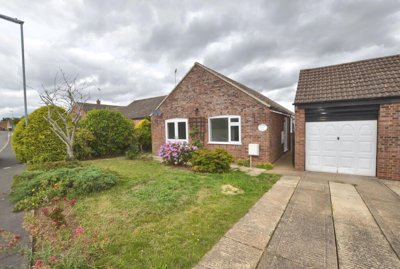
Browse 1 rental home to rent in Ryburgh, North Norfolk from local letting agents.
Three bedroom properties represent a significant portion of the Ryburgh housing market, offering space for families with multiple reception rooms and gardens in many cases. Browse detached, semi-detached, and terraced options ranging from period character homes to contemporary developments.
£0/m
0
0
0
Source: home.co.uk
Showing 0 results for 3 Bedroom Houses to rent in Ryburgh, North Norfolk.
Ryburgh's rental market is helped by a wide mix of homes, shaped by the village's long history and steady change. Available rentals range from traditional detached family houses and semi-detached cottages to terraced properties, all of which reflect the Norfolk vernacular seen here. Recent sales data puts detached homes at around £340,333 and semi-detached homes at about £210,000, a clear sign of the premium attached to larger, more private accommodation in this well-regarded village. Those sale figures give a useful frame of reference for rental expectations too, even though the actual rent depends on condition, size, and what the market is doing at the time.
Most of the housing stock is older, and many places go back several decades or further, helped by Ryburgh's Conservation Area designation and the number of listed buildings. Brick-and-flint cottages along the lanes are the classic Norfolk vernacular, built from local materials that give the village its unmistakable look. The Grade II* listed Church of St Andrew, with Saxon origins dating to the 11th century, anchors that deep heritage, while The Boar Inn on Station Road shows the historic fabric that gives Ryburgh its character. At the time of the most recent neighbourhood planning papers, no major new-build scheme was under way, though there have been discussions about limited growth, including a possible 50 new homes linked to the expansion of the Crisp Malting works.
Since 1870, the maltings complex has been central to Ryburgh's economic life, producing malt for brewing and still acting as a major local employer. The Crisp Malting works has a noticeable effect on the village, from traffic patterns to job opportunities. That industrial background sits alongside village life rather than outside it, supporting the local economy through direct employment and related services. Renters should be aware that the maltings can bring extra movement and activity at times, especially during working hours, although it is generally managed well and remains part of the everyday rhythm here.

Ryburgh gives renters a mix of rural Norfolk charm and practical ease that is hard to find in one place. The village lies in the Wensum Valley, where pastoral fields, woodland, and the River Wensum create a gently changing landscape through the parish. That river has shaped the geography and the story of the place, feeding the fertile agricultural land that has supported the community for centuries and also bringing the flood management issues the village still deals with. A walk by the riverbank or out into the surrounding countryside is part of daily life here, and a good one at that.
With 72.24% of residents owning their homes outright or with a mortgage, and 27.76% renting, Ryburgh has a settled feel that comes through quickly. That tenure mix tends to produce a stable community, where neighbours know one another and local events help people stay connected. Because the rented sector is relatively small, homes come up less often and usually draw strong interest from people who want village living. New arrivals often settle in quickly, helped by the welcoming atmosphere and the village's traditional social venues.
Just four miles north-west of Ryburgh, Fakenham gives residents access to supermarkets, healthcare, banking, and independent shops. The market town also runs a weekly market, so it fills in the practical gaps that village life does not always cover. Norwich, meanwhile, is reachable in around 40 minutes by car and brings larger retail centres, hospitals, and professional services within easy reach. That balance of peace and convenience is part of Ryburgh's appeal for people who want countryside living without feeling cut off.

For families renting in Ryburgh, schooling is available both in the village and across the surrounding North Norfolk area. Primary options nearby serve younger children, and there are several good and outstanding Ofsted-rated schools within easy reach. The rural network in North Norfolk has often kept close community links and smaller class sizes, which many parents value. Admission rules and catchment areas matter here, though, and it is worth checking them early because they can shape which properties suit a family's needs best.
Older children looking beyond primary school have sixth form colleges and further education colleges in larger Norfolk towns such as Norwich, King's Lynn, and Great Yarmouth. The University of East Anglia in Norwich adds higher education within a reasonable commute for those who want to stay at home while studying for an undergraduate degree. Families searching for rentals should look closely at catchment areas and admission arrangements for chosen schools, since they vary and may affect which homes work best. School transport from Ryburgh to nearby secondary schools is usually available, though timings and routes should be checked before a tenancy is agreed.

Ryburgh's transport links reflect its rural Norfolk setting, so there is the familiar trade-off between quiet village life and the need to travel for work and services. The village is approximately four miles south-east of Fakenham, the nearest substantial market town, which covers everyday shopping, healthcare, banking, and other essentials. Road links serve the local area well, with the A148 giving access to King's Lynn and the coast, while the wider Norfolk road network connects the village to the rest of the county and beyond.
Bus services are the main public transport option for residents without a car, linking Ryburgh with Fakenham and other local towns, though the service pattern is limited in line with the rural setting. For people commuting to Norwich, a car journey usually takes around 35-40 minutes, which makes regular travel workable for those with flexible or hybrid working arrangements. The nearest railway stations sit in larger Norfolk towns and connect onwards to Norwich, Cambridge, and London through the national rail network. Anyone planning a commute should factor in how often those bus services run before choosing a rental property in Ryburgh.
Broadband in rural villages like Ryburgh can be patchy, with some properties getting superfast service and others left with slower speeds. Anyone looking to rent should check what is available at the specific address, because internet quality can make a real difference to home working. Mobile signal is not always consistent either, and coverage can change between networks and from inside to outside a property. These practical details matter a great deal for renters who need reliable connectivity for work or day-to-day life.

We list available rental properties in Ryburgh through Homemove, so it is easy to see what is on offer right now. Think about the property type, size, and how close it is to local amenities, and keep the village's rural character in mind when weighing up what fits your lifestyle. Because only 27.76% of residents rent in Ryburgh, homes come onto the market less often than in larger towns, so setting alerts for new listings can help you move quickly when something suitable appears.
A rental budget agreement in principle helps show landlords and letting agents that you can afford the home and are ready to move. These checks are now common practice and give landlords confidence that a tenant is serious and prepared. For properties in Ryburgh, landlords will usually want proof of regular income, a satisfactory credit history, and references from previous landlords or employers. Having that budget agreement in place before the search begins gives a clear spending limit and shows you are ready to act without delay.
Viewings are the point at which condition, character, and practical fit really come into focus. In Ryburgh, we look closely at construction materials, possible flood risk near the river, and the effect of being in a Conservation Area beside listed buildings. It also helps to check the age of the building, the state of traditional details such as flint walls and thatched elements, and any obvious maintenance issues. Some homes here have non-standard construction features that are typical of their age, so getting to grips with them early keeps expectations realistic.
Before signing anything in Ryburgh, we always look at the practical side, broadband speed, mobile signal strength, oil or gas heating, and whether the property has septic tank or mains drainage. Older homes can bring higher energy costs too, so it is sensible to ask for Energy Performance Certificate details and think about a rental budget agreement for any improvements needed. Properties in the Wensum Valley may also have flood risk and drainage issues that need checking. Ask about any flooding history, where the house sits in relation to the flood plain, and what flood resilience measures are already in place.
Once the property is chosen, the letting agent will ask for references, right to rent checks, and usually a deposit equal to five weeks' rent. Read the tenancy agreement carefully, especially any clauses linked to Conservation Areas or listed building matters, before signing and securing your new Ryburgh home. We also advise taking a copy of the inventory check-in report, as it records the condition of the property and helps protect your deposit at the end of the tenancy. Traditional features often come with maintenance responsibilities, and there may be limits on modifications within Ryburgh's Conservation Area.
Several local factors need attention when renting in Ryburgh, and they are tied closely to the village's geography. The River Wensum runs through the parish, so some homes, especially those in lower-lying areas near the river, may face flood risk. It is sensible to ask about flood history, how close the property is to flood plains, and what resilience measures are already in place. Buildings insurance can be more expensive where flood risk is higher, which may affect rental pricing and how landlords approach maintenance. Knowing the position helps you budget properly and make a sound choice.
Great Ryburgh's Conservation Area designation brings planning controls that affect both landlords and tenants. Homes inside conservation areas face stricter rules on external alterations, so renters should know what changes are allowed and what is off-limits in a rented home. The number of listed buildings in Ryburgh, including the Grade II* listed Church of St Andrew and properties on Fakenham Road and Station Road, protects the village's character, but it can also limit some modern conveniences. During viewings, ask about recent renovations, the condition of traditional details like flint walls and thatched elements, and any maintenance works already planned.
Many Ryburgh properties use traditional building methods that differ from modern construction, with solid walls instead of cavity wall insulation, original timber windows, and period details that need proper care. Those features add charm, but they can also mean higher heating bills and different maintenance demands from newer homes. Ask for the Energy Performance Certificate so you can see the efficiency rating, and build heating costs into your budget. Homes off the mains gas network may rely on oil, LPG, or electric heating, each with its own running costs and practical implications. Understanding all of that helps you judge the real cost of renting in Ryburgh.
Some of Ryburgh's older homes still have electrical and plumbing systems that may need updating to meet modern standards. At viewings, check the age of the consumer unit, whether there are modern circuit breakers rather than old-style fuses, and whether any recent electrical work has been carried out. The same applies to plumbing and drainage, particularly where the property has traditional construction. None of this automatically makes a home unsuitable, but it does mean you should understand the position clearly so you can plan properly and negotiate fairly on rental terms where needed.

The local sales market gives the best guide to rental values in Ryburgh, where average prices sit at around £307,750. Detached homes are around £340,333 in sales value, while semi-detached properties average approximately £210,000. Rents usually reflect those values, along with property condition, size, and current demand, so terraced cottages and period homes can offer a more accessible entry point while larger detached houses tend to attract higher rents. For current rental figures on properties in Ryburgh, local letting agents in the Fakenham area will have the latest information.
North Norfolk District Council handles council tax for properties in Ryburgh. The band applied to each home depends on its individual value as assessed by the Valuation Office Agency. Older homes, including the traditional brick-and-flint cottages and period properties that make up a large share of the village stock, were valued against their 1991 condition and later reviews. Because many Ryburgh properties are old and traditionally built, banding can vary depending on the home's specific features and any improvements. To confirm the exact council tax band for a property you want to rent, ask during your enquiries or check the Valuation Office Agency website using the address.
Primary schooling is available across the surrounding North Norfolk area, with several good and outstanding Ofsted-rated options within a sensible distance of Ryburgh. Smaller class sizes and strong community links are common in this rural part of Norfolk, and many families appreciate that. For secondary education, nearby Fakenham and other market towns provide choices, supported by school transport for those living further out. Catchment areas and admission criteria still need checking carefully, since they can shape which homes work best for a family's plans. The University of East Anglia in Norwich gives older children a higher education option within commuting distance.
For people without a car, transport from Ryburgh depends on rural bus services linking the village with Fakenham and other local towns, and the timetable is limited compared with what you would find in a town. Railway stations sit in larger Norfolk towns and provide routes to Norwich, Cambridge, and London. By car, Norwich is usually 35-40 minutes away, which keeps regular commuting possible for those with flexible or hybrid working patterns. Residents should look carefully at bus times and think through the practical side of daily travel to work, education, and services before they choose a rental home here.
Ryburgh suits renters who want proper Norfolk village life, with strong local character and good links to larger towns. The River Wensum setting, Conservation Area status that protects attractive historic buildings, and traditional places like The Boar Inn all add to the sense of place. The maltings complex still shapes the local economy, bringing employment and helping to define the village's identity. With 27.76% of residents renting and the village remaining compact and manageable, newcomers often settle into community life quickly, which is a big part of its appeal.
Deposits and fees in Ryburgh follow normal UK renting practice. A deposit is usually equal to five weeks' rent and is held in a government-approved tenancy deposit scheme. Tenant referencing fees, covering credit checks and employment verification, are common and usually fall between £100-200. An inventory check at the start of the tenancy, typically £100-200, records the property's condition and protects both tenant and landlord. Given the age and character of many Ryburgh homes, with their brick-and-flint construction and period details, that inventory is especially useful when it comes to protecting the deposit at the end of the tenancy.
Along the River Wensum, flood management is part of the picture in Ryburgh. Homes in lower-lying areas near the river can face a higher flood risk, and that may affect insurance costs and the upkeep a landlord is prepared to fund. Ask about flood history, where the property sits in relation to the flood plain, and any flood resilience measures already in place. Buildings insurance can be pricier where risk is higher, which can feed into rental pricing and maintenance decisions. A clear understanding of those issues helps with budgeting and gives you a better basis for renting in the village.
Coverage checks matter here, because broadband in Ryburgh can vary sharply from one address to another, with some properties getting superfast service and others seeing slower speeds. Rural Norfolk homes can have patchy internet reliability, which is an important point for anyone working from home or needing steady connectivity. Mobile signal can also change between networks and between indoor and outdoor spaces, so it is wise to check the coverage for your own provider. Before you commit to a tenancy, verify the actual broadband speed at the address using comparison websites, and test the mobile signal inside the building so you know the practical limits.
From 4.5% APR
We can pre-approve your rental budget so landlords in Ryburgh's competitive market can see affordability straight away.
From £99
We complete referencing checks to satisfy landlord requirements for homes across North Norfolk.
From £99
We record the property condition with a professional inventory, helping protect your deposit.
From £60
We can arrange your EPC so you know the energy costs for traditional homes in Ryburgh.
Knowing the full cost of renting in Ryburgh helps with planning and cuts down on surprises once the right property comes along. The upfront costs include the security deposit, usually five weeks' rent, which must be placed in a government-approved Tenancy Deposit Scheme within 30 days of receipt. It is returned at the end of the tenancy, minus any deductions for damage beyond normal wear and tear or unpaid rent. Because so many Ryburgh homes have traditional brick-and-flint construction and period features, a thorough check-in record through an inventory service is especially useful in setting the property's baseline condition and protecting your position throughout the tenancy.
Monthly rent, council tax, and utility bills are the main ongoing costs, with council tax paid to North Norfolk District Council and utility bills sometimes including oil heating for homes off the mains gas network, which is common in rural Norfolk villages. Buildings and contents insurance usually sits with the tenant unless the tenancy agreement says otherwise. Broadband and mobile costs can vary a lot in rural areas, so checking coverage and speeds before you commit is sensible given Ryburgh's village location. Because the village sits in a Conservation Area, some properties may also bring higher maintenance costs linked to preserving traditional features, and landlords may take that into account in rent and expectations around tenant care.
A rental budget agreement in principle gives landlords and letting agents confidence that you are ready to rent, while also showing clearly what you can afford alongside your other living costs. That sort of preparation is especially useful in Ryburgh, where rental homes are relatively scarce because the home ownership rate is high, and interest in the properties that do appear can be strong. It is also wise to factor in heating costs for older homes with solid walls and traditional construction, and to budget for any improvements you may want to make during the tenancy, subject to landlord approval in Conservation Area properties.
Properties to Rent In London

Properties to Rent In Plymouth

Properties to Rent In Liverpool

Properties to Rent In Glasgow

Properties to Rent In Sheffield

Properties to Rent In Edinburgh

Properties to Rent In Coventry

Properties to Rent In Bradford

Properties to Rent In Manchester

Properties to Rent In Birmingham

Properties to Rent In Bristol

Properties to Rent In Oxford

Properties to Rent In Leicester

Properties to Rent In Newcastle

Properties to Rent In Leeds

Properties to Rent In Southampton

Properties to Rent In Cardiff

Properties to Rent In Nottingham

Properties to Rent In Norwich

Properties to Rent In Brighton

Properties to Rent In Derby

Properties to Rent In Portsmouth

Properties to Rent In Northampton

Properties to Rent In Milton Keynes

Properties to Rent In Bournemouth

Properties to Rent In Bolton

Properties to Rent In Swansea

Properties to Rent In Swindon

Properties to Rent In Peterborough

Properties to Rent In Wolverhampton

Enter your details to see if this property is within your budget.
Loans, cards, car finance
Estimated property budget
Borrowing + deposit
You could borrow between
Typical borrowing
Monthly repayment
Est. at 4.5%
Loan-to-value
This is an estimate only. Your actual budget may vary depending on interest rates, credit history, and personal circumstances. For an accurate affordability assessment, speak to one of our free mortgage advisors.
This calculator provides estimates for illustrative purposes only and does not constitute financial advice. Your home may be repossessed if you do not keep up repayments on your mortgage. Estimates based on 4.5% interest rate, repayment mortgage. Actual rates depend on your circumstances.
Homemove is a trading name of HM Haus Group Ltd (Company No. 13873779, registered in England & Wales). Homemove Mortgages Ltd (Company No. 15947693) is an Appointed Representative of TMG Direct Limited, trading as TMG Mortgage Network, which is authorised and regulated by the Financial Conduct Authority (FRN 786245). Homemove Mortgages Ltd is entered on the FCA Register as an Appointed Representative (FRN 1022429). You can check registrations at NewRegister or by calling 0800 111 6768.

We use cookies to show you personalised content and improve your experience of our website. Find out more in our Privacy policy and Cookie policy.