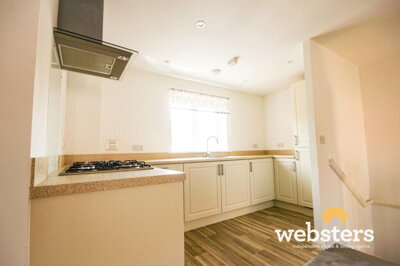
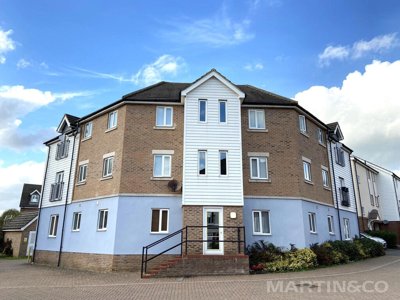
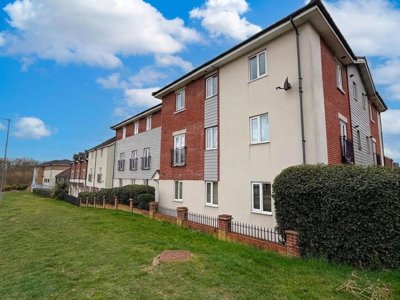
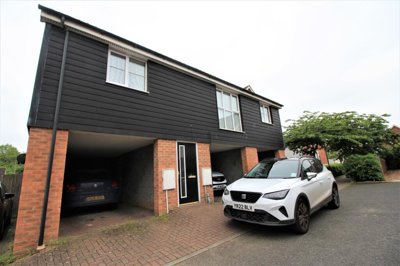
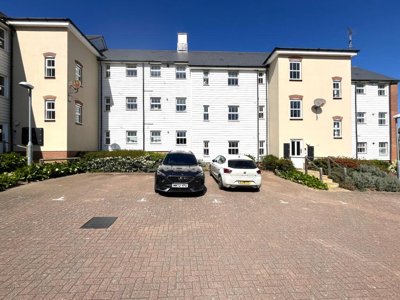
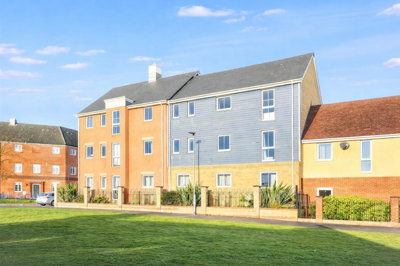
Browse 6 rental homes to rent in Ringland from local letting agents.
Studio apartments feature open-plan living spaces without separate bedrooms, incorporating sleeping, living, kitchen, and bathroom facilities. The Ringland studio market includes properties in modern apartment complexes, converted Victorian and Georgian buildings, and purpose-built developments.
Ringland has a small and selective housing market, so available homes often feel more individual than in an urban postcode. homedata.co.uk shows that the average sold price over the last year was £472,500, which points to a market dominated by larger family homes and well-kept detached plots. Detached properties averaged £470,000 and semi-detached homes £475,000, a narrow spread that reflects the limited number of sales and the specific mix of homes changing hands. For renters, that usually means looking for houses with private parking, gardens, and a quieter residential setting rather than dense apartment stock.
The village market has also moved sharply over a short period. Prices were 63% higher than the previous year, yet still 27% below the 2022 peak of £646,500, so the area has seen both strong growth and some cooling from its high point. Across the broader Broadland district, homedata.co.uk records an average of £315,000 in December 2025, up 1.9% year on year, which helps explain why Ringland sits in a more premium pocket of the district. Terraced homes and flats are not clearly priced for Ringland in the research pack, but the wider Broadland averages of £228,000 for terraces and £147,000 for flats give a useful reference point.
New-build supply inside Ringland itself appears limited, and the research pack does not identify active named developments within the village boundary. Some nearby NR8 schemes, such as those in Queens Hills or Taverham, are separate places with a different feel, so it is worth keeping the boundary clear when you search. That matters because Ringland is best understood as a village market, not a suburban estate market. If you are renting here, expect homes to come to market one by one, with strong interest in the best-presented properties.

Life in Ringland feels distinctly rural, and that is a big part of the appeal. The village sits within Broadland, but it has its own identity, shaped by open Norfolk countryside and the quieter pace that comes with a small parish. For many renters, that means morning walks, less traffic noise, and a home setting that feels more personal than a larger commuter suburb. Our local knowledge says the area suits people who value space, privacy, and easy access to green surroundings.
Because Ringland is small, the housing stock leans towards detached and semi-detached homes rather than flats. That pattern matches the sold-price data too, where detached and semi-detached properties dominate the last year of transactions. The research pack does not identify a strong concentration of new-build homes, conservation areas, or listed-building clusters, so the village is best approached as a low-density residential pocket rather than a heavily protected historic core. For renters, that can mean more flexibility in the style of home, but also fewer stock options at any given moment.
Local amenities are spread across the wider west Norwich and Broadland area, which works well for day-to-day living. You can use nearby centres for supermarkets, healthcare, and general services, then return to the village for a quieter evening. That blend is one reason Ringland appeals to families, professionals, and long-term renters who want a calmer base without feeling cut off. It is also why a good rental budget agreement in principle is so useful, because homes in this kind of location can move quickly when they are priced well.
Ringland itself is too small to have a wide school network inside the village boundary, so most households look to the wider Broadland and west Norwich corridor. That makes school search planning especially important for renters with children, because catchment areas can shift and the nearest practical option may not be the one you first expect. Families usually compare primary schools, secondary schools, and transport times together rather than treating them as separate decisions. Before you apply for a home, check the latest admissions guidance with the local authority and the school directly.
Nearby options in the Norwich west side often include a mix of primary schools in Taverham, Drayton, and Hellesdon, plus secondary choices within a practical drive or bus journey. Taverham High School is a common name in the wider area, while Hellesdon High School also serves many west Norwich families, but admissions and catchments should always be checked for the current year. Because the parish is rural, some parents prefer homes with straightforward road access so the school run stays manageable in term time. That practical angle matters as much as the property itself when you are renting for the long term.
Higher and further education are easier to access through Norwich than from the village itself. The city gives you wider access to sixth-form options, college courses, apprenticeships, and specialist independent schools, all within a sensible commute from Ringland. That broader choice is one of the advantages of living in a small settlement near a major regional centre. If education is high on your list, look at the whole daily routine, not just the postcode, because the best fit usually balances school location, travel time, and rental budget.

Transport in Ringland is shaped by its rural setting, so most residents think first about the road network. Norwich is the main hub for rail, shopping, and larger employers, and the village works best for people who are comfortable with a short drive or cycle to connect with the city. Bus services in small rural settlements tend to be less frequent than in Norwich itself, so public transport planning needs a bit more attention than it would in a dense suburb. That trade-off is part of the village lifestyle, and it suits renters who value space more than a high-frequency bus stop.
Norwich station gives you the strongest rail links, including direct services to London Liverpool Street and useful onward connections for Cambridge and other regional centres. For many commuters, that makes Ringland a practical base if they can reach Norwich easily by car, taxi, or a local bus link. Journey times will vary by service, but the city’s rail connection is one of the main reasons west Broadland remains attractive to people who work beyond Norfolk. If you are comparing homes, think about the total commute from front door to platform, not just the station on a map.
Parking is often easier in a village than in central Norwich, especially on homes with driveways or front gardens. Even so, some older lanes and smaller plots can be less forgiving, so it is worth checking turning space, visitor parking, and whether the property sits on a narrow road. Cycling can also be a sensible option for nearby errands or short trips into Norwich on quieter routes. Our advice is simple, choose the home that fits the rhythm of your week, not just the rent on paper.
Start with a rental budget agreement in principle so you know what monthly rent, deposit, and moving costs you can manage before you book viewings.
Look closely at how each Ringland property fits your routine, from Norwich commuting to parking, school runs, and access to everyday shops.
Good village homes can attract strong interest, so arrange viewings quickly and ask about heating, broadband, garden upkeep, and any access routes.
Have proof of identity, income details, references, and previous landlord information ready, because rental applications move faster when your paperwork is complete.
Read the tenancy agreement carefully, confirm the deposit protection details, and review the inventory so you know what is included before moving day.
Pay the first month’s rent and deposit on time, confirm meter readings, and keep a record of the property condition when you collect the keys.
Ringland is a village setting, so the property checks you make should reflect that. Flood risk information was not specifically identified in the research pack, which means you should always review the exact address, especially if the home sits near lower ground or open countryside. Older village houses can also have quirks in layout, insulation, and heating, so ask direct questions about energy use, window condition, and any recent maintenance. A home that looks idyllic on first viewing can still carry extra running costs if the fabric of the building has not been updated.
Conservation areas and listed-building clusters were not highlighted in the research data for Ringland, but that does not mean you should skip planning checks. If a property has been altered, extended, or converted, ask whether any permissions were needed and whether those works were completed properly. Flats and converted homes can bring service charges, ground rent, or lease terms that matter as much as the rent itself, so never assume every village property works the same way. Detached homes may feel simpler, yet they can still come with access rights, driveway arrangements, or boundary questions that are worth clarifying before you sign.
Local renters should also think about the wider setting around the home, not just the building. Rural locations can have quieter streets, but they can also mean fewer streetlights, different bin collections, and longer walks to regular services. Broadband availability and mobile signal can vary from street to street in small villages, so it is wise to test those details if you work from home. We always recommend checking the exact property against your daily needs, because the best rental is the one that works in real life as well as in the brochure.

The research pack gives sold-price data rather than live rental asking prices, so I cannot quote a verified average rent for Ringland from the available figures. What we can say is that homedata.co.uk records an average sold price of £472,500 over the last year, which shows Ringland sits in a higher-value pocket of Broadland. Detached homes averaged £470,000 and semi-detached homes £475,000, so rental homes here are likely to reflect that stronger owner-occupier market. For the latest asking rents, check current listings on our property search and compare them with the wider NR8 area.
Council tax bands depend on the individual property and the local valuation, not just the village name. Ringland sits in the Broadland District Council area, so the bill will be set by the home’s band and the council’s current rates. Detached village homes are often in higher bands than smaller terraces, but you should always confirm the exact band before you commit. Ask the agent for the current band and include it in your monthly budget alongside rent, utilities, and travel costs.
Ringland does not have a large school cluster inside the parish, so most families look at the wider west Norwich area. Nearby names that often come into the conversation include Taverham High School and Hellesdon High School, along with local primary schools in Taverham, Drayton, and Hellesdon. I cannot verify current Ofsted ratings from the research set, so check each school’s latest report and admissions rules before making a decision. Catchment boundaries can change, especially in smaller villages, so confirm them directly with the school and the local authority.
Ringland is better suited to people who are happy to combine a car, cycle, or occasional bus with Norwich’s stronger transport network. Norwich station is the main rail hub, with direct links to London Liverpool Street and onward connections to Cambridge and other regional destinations. Bus frequency in a village setting is usually lighter than in Norwich itself, so daily commuters often plan around road access. If you need regular public transport, check the exact stop and timetable for the address you are viewing.
Ringland works well for renters who want a quieter, rural feel without giving up access to Norwich. The local market is dominated by detached and semi-detached homes, and homedata.co.uk shows a strong but selective sales market with an average of £472,500 over the last year. That kind of profile usually appeals to households looking for space, parking, and a more settled village atmosphere. If you are after lots of nightlife or a dense cluster of apartment options, the village may feel too quiet, but for calm long-term living it has real appeal.
In England, the usual tenancy deposit is capped at five weeks’ rent for annual rents below £50,000, and the holding deposit is usually one week’s rent. You should also budget for the first month’s rent in advance, utility set-up costs, and any moving expenses. Ringland homes can be larger and more energy intensive than city flats, so the deposit is only one part of the total cost. Always ask the agent exactly what is due before you apply so there are no surprises.
The research pack does not identify active named new-build developments inside Ringland itself. Some newer homes in the wider NR8 area may be in neighbouring places such as Queens Hills or Taverham, but those are separate locations with different rental profiles. If a listing is described as new build, check the exact address so you know whether it is truly within Ringland or just nearby. For a village like this, one-off modern homes are more common than large development estates.
Quote required
Compare rental budget rates and find the best deal
Quote required
Check your application details and support your tenancy move
Quote required
Check energy performance before you sign a tenancy
From £350
Useful for older homes if you want a closer look at condition
Properties to Rent In London

Properties to Rent In Plymouth

Properties to Rent In Liverpool

Properties to Rent In Glasgow

Properties to Rent In Sheffield

Properties to Rent In Edinburgh

Properties to Rent In Coventry

Properties to Rent In Bradford

Properties to Rent In Manchester

Properties to Rent In Birmingham

Properties to Rent In Bristol

Properties to Rent In Oxford

Properties to Rent In Leicester

Properties to Rent In Newcastle

Properties to Rent In Leeds

Properties to Rent In Southampton

Properties to Rent In Cardiff

Properties to Rent In Nottingham

Properties to Rent In Norwich

Properties to Rent In Brighton

Properties to Rent In Derby

Properties to Rent In Portsmouth

Properties to Rent In Northampton

Properties to Rent In Milton Keynes

Properties to Rent In Bournemouth

Properties to Rent In Bolton

Properties to Rent In Swansea

Properties to Rent In Swindon

Properties to Rent In Peterborough

Properties to Rent In Wolverhampton

Enter your details to see if this property is within your budget.
Loans, cards, car finance
Estimated property budget
Borrowing + deposit
You could borrow between
Typical borrowing
Monthly repayment
Est. at 4.5%
Loan-to-value
This is an estimate only. Your actual budget may vary depending on interest rates, credit history, and personal circumstances. For an accurate affordability assessment, speak to one of our free mortgage advisors.
This calculator provides estimates for illustrative purposes only and does not constitute financial advice. Your home may be repossessed if you do not keep up repayments on your mortgage. Estimates based on 4.5% interest rate, repayment mortgage. Actual rates depend on your circumstances.
Homemove is a trading name of HM Haus Group Ltd (Company No. 13873779, registered in England & Wales). Homemove Mortgages Ltd (Company No. 15947693) is an Appointed Representative of TMG Direct Limited, trading as TMG Mortgage Network, which is authorised and regulated by the Financial Conduct Authority (FRN 786245). Homemove Mortgages Ltd is entered on the FCA Register as an Appointed Representative (FRN 1022429). You can check registrations at NewRegister or by calling 0800 111 6768.

We use cookies to show you personalised content and improve your experience of our website. Find out more in our Privacy policy and Cookie policy.