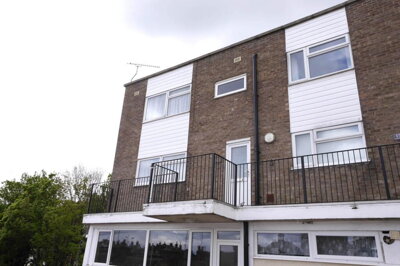
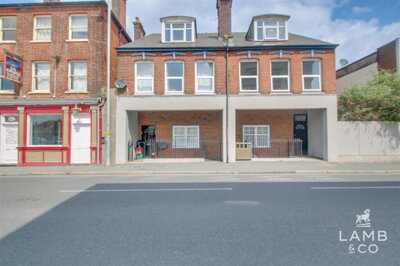
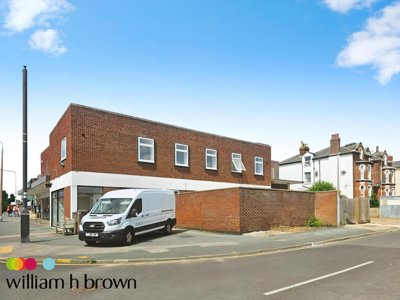
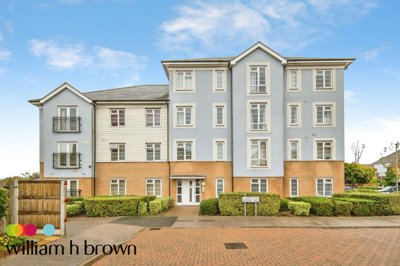
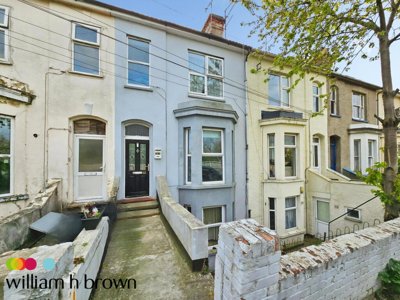
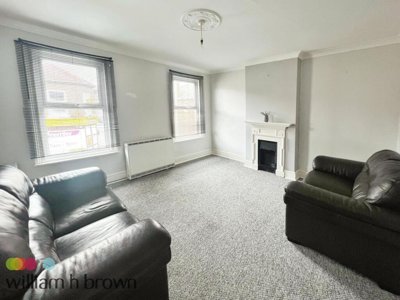
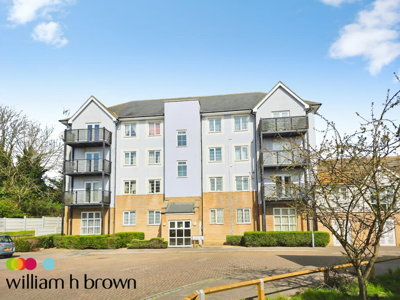
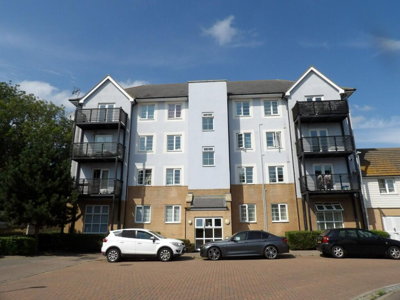
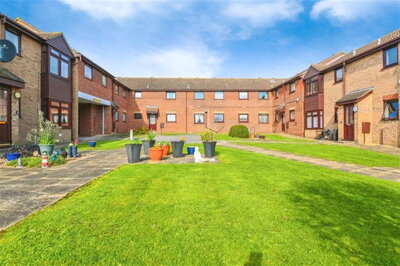
Browse 9 rental homes to rent in Ramsey and Parkeston from local letting agents.
Studio apartments feature open-plan living spaces without separate bedrooms, incorporating sleeping, living, kitchen, and bathroom facilities. The Ramsey And Parkeston studio market includes properties in modern apartment complexes, converted Victorian and Georgian buildings, and purpose-built developments.
The rental market in Ramsey and Parkeston mirrors the wider Tendring area’s steady growth, with overall property prices rising by 2.22% over the past twelve months. Semi-detached homes have led the way at 2.9%, terraced properties follow at 2.2%, and detached houses are up by 1.6%. That steady climb points to continued demand for homes in the parish, which keeps it appealing for both tenants and landlords. Our listings are refreshed daily, so we always have the latest rental properties to hand.
Detached homes dominate the housing stock in Ramsey and Parkeston, making up 38.6% of properties, while semi-detached homes account for 32.1%. Terraced houses represent 16.5% of the market, and flats and maisonettes sit at around 12.0% of available homes. That spread gives renters real choice, from family-sized houses with gardens to smaller apartments that are easier to maintain. New development activity also adds to the mix, with The Chase on Parkeston Road offering 2, 3, and 4-bedroom homes from £1,800 and Rosemary Gate providing 3 and 4-bedroom detached properties from £2,300.
Looking at property age in Ramsey and Parkeston, around 68.9% of homes were built before 1980, so most of the local stock is middle-aged or older. The figures break down further into 15.2% built before 1919, 18.7% from 1919 to 1945, and 35.1% constructed between 1945 and 1980. Knowing a property’s age gives a useful clue about likely maintenance, from older electrics and tired plumbing to original features that may need updating. For renters, that context matters when weighing up value and any ongoing maintenance responsibilities that could come with a tenancy.

Ramsey and Parkeston has a distinctive feel, shaped by its coastal setting and maritime past. The parish sits in Tendring district, an area known for countryside, traditional villages, and easy access to the Essex coastline. Weekends often mean walks by the River Stour estuary, with birdwatching and waterside recreation close at hand. The community keeps a friendly, village atmosphere too, while still providing the everyday essentials. Local pubs, shops, and community facilities give the area a welcoming edge that many renters prefer to the anonymity of larger towns.
A population of 4,887 gives Ramsey and Parkeston a balanced mix of families, professionals, and retirees. Within Parkeston, the Port of Harwich International is a major local employer, with work in shipping, logistics, and related maritime services. That economic base supports shops and services too, helping the area feel more self-sufficient and reducing the need for residents to travel far for everyday needs. Harwich town centre is also close by, bringing extra shopping, dining, and leisure options into reach. For renters, it means coastal living without giving up access to urban conveniences.
Traditional building materials are part of the story here, with many older Ramsey and Parkeston properties built in solid brickwork and finished with timber floors and slate or clay tile roofs. Mid-century homes are more likely to use cavity wall brick construction with concrete tiled roofing, while newer developments tend to bring timber frame elements and more modern methods. That mix gives the area a wide range of property types for renters to consider. Older cottages and farmhouses may offer original fireplaces, exposed beams, and period detail, while newer homes usually come with better insulation, efficient heating systems, and open-plan layouts suited to contemporary living.

Families renting in Ramsey and Parkeston will find schools within the parish and across the wider Tendring district. Primary schools serve children from Reception through to Year 6, while secondary education is available in nearby towns including Harwich and further afield. That makes the parish especially appealing for families with school-age children, and many rental homes sit within easy commuting distance of these schools. In practice, checking how close a property is to a primary school can quickly narrow the search if catchment areas matter to the family.
For families focused on school outcomes, Ofsted reports and Key Stage 2 and GCSE results are well worth reviewing before choosing a rental property. Schools across Tendring serve varied communities and differ in both academic and extra-curricular provision, so looking at school websites and recent inspection reports helps build a clearer picture. Catchment boundaries can make a major difference to school placement, so it is important to know which homes sit inside the more sought-after zones. In Ramsey and Parkeston, primary school boundaries usually follow geographic patterns, with homes nearer the village centres generally falling within the main catchment areas.
Older students are not short of options either, with sixth form and further education available in nearby Colchester and Clacton. Colchester, around 20 miles away, has several sixth form colleges and the Colchester Institute for those choosing a vocational route. Apprenticeships and part-time study are also available through local colleges in Tendring. Our property listings include location details so we can spot homes within preferred school catchment areas, and visiting schools in person is still a sensible step wherever possible to check they fit a family’s educational needs.

Ramsey and Parkeston is well connected, which makes commuting to larger employment centres practical. The nearby Port of Harwich offers ferry links for continental travel, with connections including the Hook of Holland and Rotterdam. Rail services are available from nearby stations too, with regular trains to Colchester, Ipswich, and London Liverpool Street from stations in the surrounding area. Many residents make use of that position to live by the coast while working in finance, healthcare, education, or professional services in larger towns.
Bus services link Ramsey and Parkeston with nearby villages and towns, giving those without a car a useful public transport option. Services run into Harwich for shopping and day-to-day needs, while other routes reach Manningtree and Colchester for larger retail centres or rail connections. The A120 and A137 provide direct access to Colchester and the wider Essex road network, so car travel is straightforward for residents heading to work or to services that are not available locally. In normal traffic, Colchester is usually about 30 minutes away by car, while Ipswich takes around 40 minutes.
For cyclists, the flat Tendring peninsula makes local riding fairly straightforward, although winter winds along the coast can turn longer trips into hard work. National Cycle Route 51 crosses the area, giving traffic-free stretches for recreation and shorter commutes. The River Stour estuary also opens up attractive leisure routes, with paths running along the water and linking nearby villages and natural spaces. A mix of cycling for local trips and public transport for longer journeys suits many residents, and it fits the area’s semi-rural character well.

Before we start viewings, it helps to get a rental budget agreement in principle so we know exactly what is affordable. Monthly rent, council tax, utility bills, and moving costs all need to be worked into the figures. Ramsey and Parkeston has homes at a range of price points, so a clear budget cuts the search down quickly. It also makes sense to compare similar properties in the local market, which gives a better sense of what rent is realistic for different sizes and types of home.
We can start by browsing our listings for Ramsey and Parkeston and shortlisting properties that fit the brief. Viewings then let us judge the condition of the home, how close it is to local amenities, schools, and transport, and whether the neighbourhood feels right. Walls, floors, and ceilings should be checked for damp or structural problems, and it is sensible to ask about the boiler, windows, and any recent renovation or maintenance work carried out by the landlord. Small details matter here.
Before anyone signs a rental agreement, booking a property survey can help flag issues early. With 68.9% of homes in Ramsey and Parkeston built before 1980, a RICS Level 2 Survey may uncover hidden defects such as damp, structural movement, or outdated electrics, which can save unpleasant repair bills later. Landlords are responsible for the structure and exterior of the property, but spotting possible problems in advance still helps us make a better call and negotiate sensible tenancy terms.
Once a property has been chosen, the tenancy agreement needs to be read carefully before signing. We should check the deposit amount, notice periods, and any limits on pets or alterations. For annual rent under £50,000, the standard deposit is capped at five weeks' rent. Clauses covering maintenance responsibilities, decoration, and how repairs should be reported deserve close attention, as they can shape the whole tenancy experience.
After the tenancy agreement is signed and the deposit and first month’s rent have been paid, the keys can be collected and the move can begin. A detailed inventory check is vital, because it protects the deposit when the tenancy ends. Date-stamped photographs of every room are useful too, especially where there is existing wear and tear or damage. Copies should be kept by both sides, and records retained throughout the tenancy in case of any dispute at the end of the lease.
Renting in Ramsey and Parkeston means keeping an eye on a few local factors that can affect a tenancy. Flood risk is one of the main ones, given the parish’s coastal position and its closeness to the River Stour estuary. Lower-lying homes near watercourses may face fluvial or coastal flooding, so checking the flood position for any property under consideration is essential. The Environment Agency provides flood maps that show historical flooding and future risk predictions, and it is sensible to ask for that information before committing to a tenancy.
The geology of Tendring, which includes Ramsey and Parkeston, is made up of London Clay Formation and Lambeth Group solid geology, with superficial deposits of sand, gravel, and clay on top. Homes built on shrinkable clay soils can be prone to subsidence or heave, especially where mature trees are nearby. The local clay content creates a moderate to high shrink-swell risk in periods of extreme weather, which can lead to movement in older or shallow foundations. For older homes in particular, a building survey can highlight movement or structural problems that may need attention.
Our research shows that around 15.2% of properties pre-date 1919, with another 18.7% built between 1919 and 1945, so plenty of homes in the area may bring age-related maintenance issues. Common defects in older Ramsey and Parkeston properties include damp from poor ventilation or weak damp-proof courses, roof problems such as slipped tiles or degraded felt, outdated electrical systems in homes built before the 1980s, and timber faults like woodworm or rot where airflow is limited. Properties from the 1950s and 1990s may also contain asbestos-containing materials, which were widely used during that period. Landlords must keep homes safe and deal with asbestos properly, but knowing the age of the property helps us spot likely concerns.

Budgeting properly matters when renting in Ramsey and Parkeston, because several costs sit alongside the rent itself. The standard deposit is capped at five weeks' rent for annual rental prices below £50,000, which gives tenants a useful safeguard. That deposit is held in a government-approved tenancy deposit scheme and returned at the end of the tenancy, subject to any agreed deductions for damage or unpaid rent. The three approved schemes are the Deposit Protection Service, MyDeposits, and the Tenancy Deposit Scheme, each offering free dispute resolution if there is a disagreement over deductions.
There are other costs to allow for too, including the first month’s rent in advance, agency fees if a letting agent is involved, and the cost of moving itself. Utility setup charges may apply when new gas, electricity, and water accounts are opened, and internet and telephone connections can also come with fees. Council tax in Ramsey and Parkeston is handled by Tendring District Council, and most residential properties fall within bands A to D, which sit at the lower end of the valuation scale. Moving costs are often around £500 to £1,000 once removal services, packing materials, and any temporary storage are added in.
Before committing to a rental property, a rental budget agreement in principle from a lender can help show financial reliability to landlords and confirm that the ongoing tenancy costs are manageable. This free check provides a certificate showing how much could potentially be borrowed for rental accommodation, which gives both sides more confidence in the application. Many landlords and letting agents also ask for proof of income or referencing checks before they agree a tenancy, so having that paperwork ready can speed things up and strengthen the application for a sought-after home.
Rental prices vary with property type, size, and condition, but the sales market gives a helpful sense of relative value. Average house prices in Ramsey and Parkeston stand at £321,805, with detached properties averaging £450,404, semi-detached homes at £280,000, terraced properties at £232,000, and flats at £145,000 according to home.co.uk listings data from February 2026. Those figures suggest that rents here are competitive compared with larger Essex towns like Colchester or Chelmsford, which makes Ramsey and Parkeston a solid option for renters who want coastal living without stretching the budget. For current rental figures, local letting agents are the best point of contact, because private rental prices can move quite differently from sales values.
For council tax purposes, properties in Ramsey and Parkeston fall under Tendring District Council. Bands run from A through to H, with the band based on the property’s assessed value as of April 1991. Most homes in the Ramsey and Parkeston area sit within bands A to D, which reflect the lower end of the council tax scale and the more modest property values seen in this part of Tendring compared with larger urban centres. The exact band for any property can be checked through the Valuation Office Agency website or by asking the landlord or letting agent during the application process.
Schools are available within Ramsey and Parkeston itself and across the wider Tendring district, while secondary choices sit in nearby towns including Harwich and Dovercourt. Ofsted reports and examination results give parents objective ways to judge school quality, so they are a sensible place to start. Catchment boundaries can have a big effect on school placements, which makes it important to check which rental homes fall inside the preferred zones. Local primary schools take children from Reception through Year 6, and secondary schools usually cover Years 7 through 13 for those looking for sixth form provision closer to home.
Bus routes connect Ramsey and Parkeston with nearby villages, including regular services to Harwich, Manningtree, and links through to Colchester. The nearby Port of Harwich provides ferry services to continental Europe through the Stena Line route between Harwich International and the Hook of Holland. Rail services can be picked up at nearby stations, with regular trains to Colchester, Ipswich, and London Liverpool Street within a reasonable travelling distance. For drivers, the A120 and A137 give straightforward access to the wider Essex road network, and Colchester is usually around 30 minutes away by car in normal traffic.
Ramsey and Parkeston brings together coastal charm, a strong community feel, and practical amenities, which makes it a good fit for renters looking for balance. With a population of nearly 5,000, the parish has a village atmosphere where neighbours tend to know one another, while Harwich nearby brings extra services, shopping, and work opportunities. The Port of Harwich International supports employment in shipping, logistics, and maritime services, and transport links make commuting to Colchester and Ipswich possible too. Property prices have grown by 2.22% over the past year, and 50 sales were recorded in the past year, which points to a stable and healthy housing market for both tenants and landlords. A wide range of homes, from older cottages to modern family houses, keeps the rental stock varied.
The standard deposit for renting in Ramsey and Parkeston is capped at five weeks' rent for properties with annual rent under £50,000, in line with the Tenant Fees Act 2019. That deposit must be protected in a government-approved scheme within 30 days of receipt and is returned at the end of the tenancy minus any legitimate deductions for damage beyond fair wear and tear or unpaid rent. The first month’s rent is usually paid in advance too, and agency fees may apply if a letting agent is used, although many agents now work on fee-free models. It is wise to budget an extra £500 to £1,000 for moving costs, utility setup fees, possible referencing charges, and council tax registration. Getting a rental budget agreement in principle before the search starts helps speed up the process and shows landlords that the finances are in order, which can be a real advantage in this active rental market.
Free
Free rent check to see how much we can afford before we start searching
From £100
Most landlords ask for credit checks and references
From £400
A professional survey flags defects before we commit
From £85
An energy performance certificate is required for rental properties
Properties to Rent In London

Properties to Rent In Plymouth

Properties to Rent In Liverpool

Properties to Rent In Glasgow

Properties to Rent In Sheffield

Properties to Rent In Edinburgh

Properties to Rent In Coventry

Properties to Rent In Bradford

Properties to Rent In Manchester

Properties to Rent In Birmingham

Properties to Rent In Bristol

Properties to Rent In Oxford

Properties to Rent In Leicester

Properties to Rent In Newcastle

Properties to Rent In Leeds

Properties to Rent In Southampton

Properties to Rent In Cardiff

Properties to Rent In Nottingham

Properties to Rent In Norwich

Properties to Rent In Brighton

Properties to Rent In Derby

Properties to Rent In Portsmouth

Properties to Rent In Northampton

Properties to Rent In Milton Keynes

Properties to Rent In Bournemouth

Properties to Rent In Bolton

Properties to Rent In Swansea

Properties to Rent In Swindon

Properties to Rent In Peterborough

Properties to Rent In Wolverhampton

Enter your details to see if this property is within your budget.
Loans, cards, car finance
Estimated property budget
Borrowing + deposit
You could borrow between
Typical borrowing
Monthly repayment
Est. at 4.5%
Loan-to-value
This is an estimate only. Your actual budget may vary depending on interest rates, credit history, and personal circumstances. For an accurate affordability assessment, speak to one of our free mortgage advisors.
This calculator provides estimates for illustrative purposes only and does not constitute financial advice. Your home may be repossessed if you do not keep up repayments on your mortgage. Estimates based on 4.5% interest rate, repayment mortgage. Actual rates depend on your circumstances.
Homemove is a trading name of HM Haus Group Ltd (Company No. 13873779, registered in England & Wales). Homemove Mortgages Ltd (Company No. 15947693) is an Appointed Representative of TMG Direct Limited, trading as TMG Mortgage Network, which is authorised and regulated by the Financial Conduct Authority (FRN 786245). Homemove Mortgages Ltd is entered on the FCA Register as an Appointed Representative (FRN 1022429). You can check registrations at NewRegister or by calling 0800 111 6768.

We use cookies to show you personalised content and improve your experience of our website. Find out more in our Privacy policy and Cookie policy.