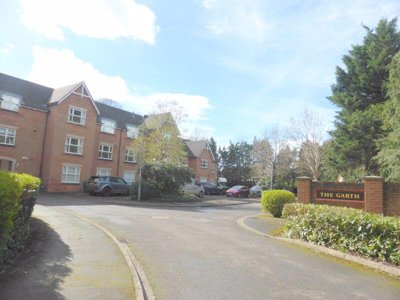
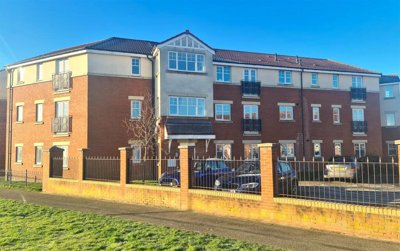
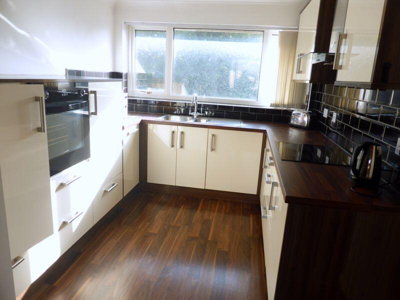
Browse 3 rental homes to rent in Preston-on-Tees from local letting agents.
The 2 bed flat sector typically includes two separate bedrooms, dedicated living areas, and bathroom facilities. Properties in Preston On Tees span purpose-built blocks, converted period houses, and modern apartment complexes on various floors.
homedata.co.uk records show a market that is varied rather than one-note, and that matters when you are weighing up rental options in Preston-on-Tees. Detached homes sit at £371,780 on average, which points to a stronger family-home segment, while flats at £108,750 suggest some lower-entry stock in the wider local mix. Semi-detached homes average £229,515 and terraced homes £165,550, so there is room for different budgets and household sizes within a compact area. For renters, that usually translates into a choice between larger family houses and smaller, easier-to-manage homes, depending on what a landlord has brought to market.
The 1.0% annual fall in house prices suggests a market that has cooled a little rather than swung sharply, which can be helpful for tenants reading local demand. We could not verify an active new-build development within the core Preston-on-Tees postcode at the time of research, so much of the likely rental supply sits in established housing. That older stock can be attractive if you want mature streets and practical layouts, but it also makes condition checks more important. If you are comparing homes on home.co.uk, look closely at finish, heating efficiency and any signs of ageing fabric, because those details often matter more here than glossy marketing.

Preston-on-Tees feels residential first, with a village identity that still sits neatly inside the wider Stockton-on-Tees economy. The housing mix suggests a place shaped by family moves, longer-term occupancy and practical commuting, rather than a transient apartment market. Brick construction is common across the area, usually with red brick, tiled roofs and occasional rendered or pebble-dashed finishes. That gives the streets a familiar North East character, especially in the older parts of the village and the post-war estates around it.
The landscape and geology also shape how the area feels underfoot and how tenants should think about maintenance. Superficial glacial till and Mercia Mudstone underlie much of Stockton-on-Tees, and that clay-rich ground can carry moderate to high shrink-swell potential in some places. Near the River Tees, flood awareness becomes part of sensible viewing, especially where surface water can linger after heavy rain. For renters, that means checking gutters, drains, garden levels and any signs of damp rather than assuming every issue is cosmetic. The best homes here usually combine a calm street, straightforward parking and easy access out towards the main road network.
Detailed school data for the precise Preston-on-Tees boundary was not isolated in the research, which is common for a smaller village area. Families therefore tend to judge schools by the exact street first, then widen the search across Stockton-on-Tees and the nearby Teesside corridor. That approach works well here because catchments, admissions and travel times can change quickly from one road to the next. If education is a priority, check the address before you fall in love with the house, not after.
Local renters usually compare nearby primary schools, secondary schools, sixth-form routes and further education options across the borough, then confirm each one through Ofsted and the council admissions pages. For younger children, a short and reliable school run often matters more than the school name alone, especially in an area with road links that can be busy at peak times. Older students may also look at wider Stockton-on-Tees and Teesside options, particularly if they want flexible post-16 choices. When a village is this specific, the safest rule is simple: verify the postcode, the admissions map and the daily journey before you sign anything.

Road travel is one of Preston-on-Tees’ strongest practical advantages, with the A19 and A66 giving the area good access in different directions. That matters for commuters linked to chemicals, advanced manufacturing, logistics and the public sector, because those jobs are spread across the wider Teesside economy. Teesside International Airport also adds a useful option for business travel and longer trips. For many tenants, the appeal is not speed alone, but the ability to get out of the village without fighting through a dense city centre.
Public transport is more of a local and regional convenience than the headline feature, so bus connections and rail choices should be checked against the exact address you are viewing. Parking is often a bigger daily question than train times in a village setting like this, especially for households with more than one car. Cycling can work well on quieter residential streets, but route quality depends on where in Preston-on-Tees you live and how you connect to the broader network. If you commute regularly, do a dry run at the time you would actually leave, because road patterns here can feel very different at 8am than they do mid-morning.
Get a rental budget agreement in principle before you start viewings, then decide what monthly rent, deposit and commuting costs feel comfortable.
Compare the exact part of Preston-on-Tees you are targeting, because flood exposure, parking and access can change street by street.
Good homes can move fast in a small local market, so arrange viewings as soon as a suitable property appears on home.co.uk.
Look for damp, roof wear, ventilation issues and any signs of movement, especially in older brick homes on clay-rich ground.
Keep ID, income evidence and landlord references ready so tenant referencing does not slow down your application.
Confirm what is included in the rent, how the deposit is protected and who handles repairs before you move in.
Older housing in Preston-on-Tees makes condition checks especially important. Given the local clay-rich ground, signs of subsidence, heave or wider movement deserve attention, particularly where mature trees sit close to the property or drainage looks tired. Damp also deserves a close look, because older brick homes can suffer from rising damp, penetrating damp or condensation if ventilation has been neglected. If you are viewing a house that has been extended or altered, ask how the work was done and whether the heating, insulation and roof details have been maintained properly.
Flood risk is another sensible consideration, especially near the River Tees or in low-lying spots where surface water can build up after heavy rain. Preston-on-Tees itself does not appear to have a designated conservation area in the research we reviewed, but older homes in and around the village may still come with planning or alteration sensitivities. That means renters should ask about any restrictions on external changes, garden structures or outbuildings if they plan to stay long term. Flats and conversions can be appealing for lower-maintenance living, yet they also need clarity on what the landlord covers and how quickly repairs are handled.

Verified average rent data for this exact village was not available in the research set we reviewed. The strongest local benchmark is the sold-price profile from homedata.co.uk, which shows an average house price of £277,341, with flats at £108,750 and detached homes at £371,780. That spread suggests rental pricing will vary a lot by size, condition and location within the village. Check live stock on home.co.uk and compare similar properties rather than relying on a single headline figure.
There is no single council tax band for Preston-on-Tees, because the band applies to each individual property, not the village as a whole. Stockton-on-Tees Borough Council handles local billing, and the band will depend on the home’s size, age and valuation bracket. Flats and terraces often sit lower than detached houses, but you should always confirm the exact band before you sign. The quickest check is the council tax page for the address or the letting agent’s tenancy pack.
The research for this small village did not isolate verified school rankings or catchment maps for the exact boundary. Most families compare schools across Stockton-on-Tees and the nearby Teesside corridor, then narrow the shortlist by postcode and daily travel time. Start with Ofsted, admissions policies and the school run from the street you are considering. That approach is more useful here than a generic county-wide list.
The area is strongest for road commuting, with the A19 and A66 providing easy access across Teesside and beyond. Bus and rail choices are still useful, but they should be checked against the exact property because convenience changes from one part of the village to another. Teesside International Airport adds another practical travel option for people who move for work. If you depend on public transport every day, test the route before you commit.
It can be a very good fit if you want a quieter village setting with access to Stockton-on-Tees jobs and Teesside road links. The housing mix is varied, from flats at £108,750 on the sold-price record to detached homes at £371,780, so there is enough variety for different household types. The main trade-off is that you need to inspect older homes carefully for damp, drainage and movement. Renters who value space, parking and a settled feel usually respond well to the area.
Most renters should plan for a holding deposit, the first month’s rent and a tenancy deposit that is usually capped at five weeks’ rent in England for annual rents under £50,000. Letting fees to tenants are generally limited, but you may still face charges for things like lost keys or late rent if the tenancy agreement allows it. Ask for a full cost breakdown before you apply so nothing comes as a surprise. A rental budget agreement in principle is the best way to keep those costs realistic before viewings begin.
The local stock is mainly brick-built housing, with a mix of inter-war, post-war and more modern homes. homedata.co.uk records show average values of £165,550 for terraced homes, £229,515 for semis and £371,780 for detached properties, which suggests a broad spread of house sizes in the area. Flats are present too, but they sit at the lower end of the price spectrum at £108,750. That mix usually means tenants can choose between compact homes, family houses and larger plots depending on the street.
Yes, that is worth checking carefully in Preston-on-Tees. Properties near the River Tees can face higher river flood exposure, while surface water can collect in heavy rain depending on local drainage. The clay-rich ground formed by glacial till and Mercia Mudstone can also create shrink-swell movement, which is one reason to look for cracks, sticking doors and signs of settlement. A good viewing should include the garden, gutters, drains and any extension joints.
Free quote
Compare rental budget options before you book viewings
From £49
Speed up checks so you can secure a tenancy faster
From £65
Check likely energy running costs for the home
From £400
Review condition concerns in older local housing
Renting costs in Preston-on-Tees should be viewed in two layers, the upfront move-in cost and the ongoing monthly commitment. The first layer usually includes a holding deposit, a tenancy deposit and the first month’s rent, while the second layer covers utilities, council tax and any commuting spend that comes with village living. Because home data for this exact rental market is limited, it helps to use the local sold-price picture from homedata.co.uk as a guide to the type of homes likely to command stronger rents. An average house price of £277,341, alongside detached homes at £371,780, suggests that larger family stock will usually sit at the higher end of the rental market too.
Practical budgeting matters as much as the headline rent, especially in an area where road travel is a daily reality for many households. Tenancy deposits are normally capped at five weeks’ rent for most annual rents under £50,000, so the monthly figure on the advert only tells part of the story. If you are comparing several homes, ask what the rent includes, whether parking is private or on-street, and how heating costs might behave in an older brick property. A careful budget, plus your rental budget agreement in principle, gives you a cleaner way to decide which homes in Preston-on-Tees are truly affordable before you book the next viewing.
Properties to Rent In London

Properties to Rent In Plymouth

Properties to Rent In Liverpool

Properties to Rent In Glasgow

Properties to Rent In Sheffield

Properties to Rent In Edinburgh

Properties to Rent In Coventry

Properties to Rent In Bradford

Properties to Rent In Manchester

Properties to Rent In Birmingham

Properties to Rent In Bristol

Properties to Rent In Oxford

Properties to Rent In Leicester

Properties to Rent In Newcastle

Properties to Rent In Leeds

Properties to Rent In Southampton

Properties to Rent In Cardiff

Properties to Rent In Nottingham

Properties to Rent In Norwich

Properties to Rent In Brighton

Properties to Rent In Derby

Properties to Rent In Portsmouth

Properties to Rent In Northampton

Properties to Rent In Milton Keynes

Properties to Rent In Bournemouth

Properties to Rent In Bolton

Properties to Rent In Swansea

Properties to Rent In Swindon

Properties to Rent In Peterborough

Properties to Rent In Wolverhampton

Enter your details to see if this property is within your budget.
Loans, cards, car finance
Estimated property budget
Borrowing + deposit
You could borrow between
Typical borrowing
Monthly repayment
Est. at 4.5%
Loan-to-value
This is an estimate only. Your actual budget may vary depending on interest rates, credit history, and personal circumstances. For an accurate affordability assessment, speak to one of our free mortgage advisors.
This calculator provides estimates for illustrative purposes only and does not constitute financial advice. Your home may be repossessed if you do not keep up repayments on your mortgage. Estimates based on 4.5% interest rate, repayment mortgage. Actual rates depend on your circumstances.
Homemove is a trading name of HM Haus Group Ltd (Company No. 13873779, registered in England & Wales). Homemove Mortgages Ltd (Company No. 15947693) is an Appointed Representative of TMG Direct Limited, trading as TMG Mortgage Network, which is authorised and regulated by the Financial Conduct Authority (FRN 786245). Homemove Mortgages Ltd is entered on the FCA Register as an Appointed Representative (FRN 1022429). You can check registrations at NewRegister or by calling 0800 111 6768.

We use cookies to show you personalised content and improve your experience of our website. Find out more in our Privacy policy and Cookie policy.