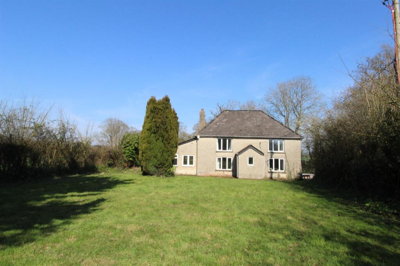
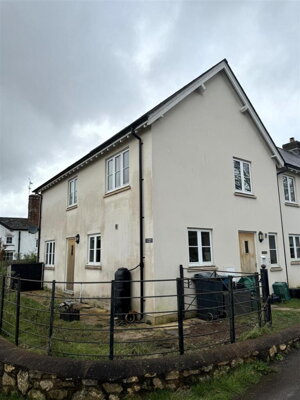
Browse 2 rental homes to rent in Plymtree, East Devon from local letting agents.
Three bedroom properties represent a significant portion of the Plymtree housing market, offering space for families with multiple reception rooms and gardens in many cases. Browse detached, semi-detached, and terraced options ranging from period character homes to contemporary developments.
£1,200/m
1
0
68
Source: home.co.uk
Showing 1 results for 3 Bedroom Houses to rent in Plymtree, East Devon. The median asking price is £1,200/month.
Source: home.co.uk
Semi-Detached
1 listings
Avg £1,200
Source: home.co.uk
Source: home.co.uk
Plymtree sits in a niche corner of the wider East Devon rental market. The village is still mainly owner-occupied, and with 60-70% of properties being detached homes, lettings appear less often than they do in the larger towns. When they do, they tend to appeal to tenants who value the setting and the strong community spirit. Our current listings cover traditional cottages, barn conversions, and family houses that show rural East Devon at its best. Most homes fall between two-bedroom cottages suited to couples or small families and four and five-bedroom family houses with generous gardens. Because available rentals are so scarce, competition can be keen when a property comes up, so it makes sense to have finances ready and referencing lined up before you view.
Rental values here only make sense once we set them against the wider East Devon picture. Detached homes in the surrounding area usually command higher rents because of their size, character, and rural position. Semi-detached properties give renters a more affordable way in, while terraced homes, which account for just 5-10% of the local stock, offer good value for anyone putting location ahead of space. The village's Conservation Area status means many rentals still have protected period details, from original stone fireplaces to sash windows, and newer builds cannot quite match that. For those after a new home, there are no active developments within the EX14 2 postcode area itself, although opportunities can be found in nearby towns and larger villages across East Devon.
In Plymtree, two-bedroom cottages usually rent for £850 to £1,200 per month, three-bedroom family homes for £1,000 to £1,500, and larger detached properties with four or more bedrooms for £1,500 to £2,500. The best-priced homes often come with recent renovations, bigger gardens, or a spot close to the village centre and its amenities. Because the village is small and rentals are rare, detailed Plymtree-specific price data is limited, so we suggest speaking to local estate agents for live availability and accurate pricing in the EX14 2 postcode area.

Village life in Plymtree is built around a community spirit that feels far bigger than the place itself. Through the year there are annual events that bring people together, from summer fetes and harvest celebrations to long-running village fairs. Local facilities include a well-regarded primary school, a traditional pub serving locally sourced food, and several working farms where fresh produce can be bought direct. Outside the village, there is plenty of scope for walking and cycling, with footpaths crossing rolling farmland and woodland that changes with the seasons. Beneath it all lie Permian sandstones and mudstones, the geology that gives the area its red soil and shapes both the landscape and the agricultural life that still underpins the local economy.
Plymtree's architectural heritage goes a long way towards explaining its appeal. The Conservation Area protects a number of historic buildings, including several Grade II listed cottages and farmhouses that display traditional East Devon building methods. Local red brick, rendered walls, and slate or clay tile roofs sit comfortably within the landscape. The same Permian sandstones and mudstones that shape the terrain also create the red soil seen across much of East Devon. For renters, life in a Conservation Area means enjoying a carefully preserved streetscape, while keeping in mind that alterations to a property may need planning consent.
There are a few practical lifestyle points worth weighing up before you settle on a rental here. The local economy is still largely agricultural, so fresh produce is often available from nearby farms, and the village pub remains the natural meeting point for social life. On the other hand, there are no large supermarkets or major retail parks, which means bigger shops usually involve trips to Honiton or Cullompton. Being inland means there is no coastal flood risk, although surface water flooding can affect low-lying spots and certain roads during heavy rain. Good road links via the A30 and M5 more than make up for the lack of local retail provision, keeping Exeter, Bristol, and the wider Southwest peninsula within easy reach.

Families are often drawn to Plymtree because of education. Plymtree Primary School serves children from Reception through to Year 6, and it has earned a solid reputation for both academic achievement and a nurturing atmosphere. That makes it a strong pull for young households moving into the area. For secondary school, pupils usually go on to schools in nearby towns, with Collyton's Academy in Seaton and The King's School in Ottery St Mary among the most popular choices for families happy to accept a slightly longer school run in return for the village's quality of life.
Education does not stop at the village boundary. Within a reasonable drive, there are several independent schools that offer different educational routes for families with particular priorities. Preparatory schools in the region feed into senior independent schools in Exeter or further afield, opening up pathways that go well beyond the local secondary options. For older students and adults, Exeter offers the University of Exeter and Exeter College, both of which provide broad higher education and vocational training opportunities. Toddlers and pre-school children are also catered for, with playgroups and nursery provision giving the youngest residents a solid start close to home.
A good local primary school has a clear effect on the rental market in Plymtree, and families often place proximity to education at the top of their list. Homes within walking distance of the school tend to attract extra interest, especially in summer when parents are looking to settle before the new term begins. The school also acts as a community hub, with events and activities that help newcomers settle into village life. For families thinking about renting here, we recommend a school visit alongside any property viewing, so you can judge whether the education provision suits your household.

Plymtree is well placed for people who need to commute. The village sits just off the A30, Devon and Cornwall's main east-west trunk road, so Exeter lies to the west and Honiton to the east within straightforward reach. From Exeter, the A30 gives access to the M5, which opens up wider links to Bristol, Taunton, and the Southwest peninsula. For anyone using rail, Honiton station offers regular services to Exeter St David's, Bristol Temple Meads, and London Waterloo, with the journey to the capital usually taking around two and a half hours.
Bus links are provided by Stagecoach and other operators, connecting Plymtree with neighbouring villages and market towns. That means residents can reach Honiton, Cullompton, and Exeter without always relying on a car, and from Exeter the wider public transport network makes car-free commuting possible for people working in the city. Timetables vary by route and by day, with more frequent services during weekday peak hours and fewer buses at weekends, as you would expect in rural East Devon. For cyclists, the fairly flat ground around the village and the growing cycle network make short-distance commuting a realistic option, particularly to nearby market towns for work.
Parking is much easier here than it would be in a town or city. Most rental homes offer off-road parking as standard, which is a real benefit for commuters who need space for a vehicle. Many properties also come with garages or allocated parking, reflecting the rural setting where car ownership is still practical for most households. Not having to deal with urban parking restrictions is a proper quality-of-life advantage. Add in the straightforward access to the A30 and M5, and Plymtree becomes especially appealing for people working in Exeter or across the region who still want village life.

We suggest getting to know Plymtree properly before you commit to a rental. Think through your commute, the school run if it applies, and how close you need to be to local amenities. Our platform includes detailed area guides and property listings to help with that research, so you can get a clear picture of everyday life in this East Devon village.
Speak to local estate agents and landlords to arrange viewings of the homes that are available. We usually advise looking at more than one property, so you can compare condition, facilities, and rental terms before you decide. In a village where rentals are scarce and the housing stock is mostly owner-occupied, moving quickly when the right place appears is often the sensible approach.
Before you commit to a rental, arrange a Rental Budget Agreement in Principle to show landlords you are financially ready. In a competitive market, where more than one prospective tenant may be chasing the same home, that can make a real difference to your application.
Gather the paperwork before you start applying, including proof of identity, recent payslips or accounts, bank statements, employment references, and previous landlord references if you have them. Having everything ready speeds up the process and tells landlords and letting agents that you are organised.
Once the tenant referencing checks are complete, the tenancy agreement is signed and the deposit, along with any applicable fees, is paid to secure the Plymtree home. We also make sure you know where you stand on property maintenance, utility arrangements, and any Conservation Area restrictions that may apply.
Renting in a rural village like Plymtree brings a few extra points to think about, especially compared with urban lettings. Many of the homes here are period properties with solid wall construction, traditional timber floors, and original features that need a tenant who understands how older buildings behave. Before you go ahead, we recommend a proper inspection for signs of damp, which can become an issue if ventilation is poor. Check the roof as well, because older properties often have slipped tiles or worn felt that can lead to leaks if maintenance has been neglected. The clay tile and slate roofs found here are durable, but they do need occasional attention, and both landlords and tenants should be clear on who is responsible.
With so many older homes in Plymtree, especially those predating 1919 within the Conservation Area, it is sensible to focus on the problems that most often turn up in period houses. Rising damp from failed or missing damp proof courses is common in solid wall construction, while penetrating damp can show up where render has failed or pointing has deteriorated. Timber rot, woodworm, outdated wiring, and older plumbing can all affect pre-1980s properties and may need upgrading to meet modern safety standards. Our recommended RICS Level 2 Survey, priced from £500 to £800 for a typical three-bedroom property, gives a professional view of these issues before you commit to the tenancy.
The setting itself brings another layer of things to check. Overall flood risk in Plymtree is low, because the village is not on a major river system, although small watercourses such as tributaries of the River Tale run nearby. Surface water can gather in low-lying spots and on certain roads after heavy rain, and homes nearer to watercourses need careful drainage checks and a clear disclosure of any flooding history from the landlord. The Conservation Area status also means external changes are restricted, so anyone thinking about alterations should confirm what permissions are already in place before signing. Heating systems in older homes deserve a close look too, since many still run on oil or LPG rather than mains gas, which affects both cost and convenience.
Plymtree is underlain by Permian sandstones and mudstones, with some superficial deposits near watercourses, so shrink-swell clay risk is usually low to moderate. In a few localised spots where clay content is higher, the risk can rise, especially for older homes with shallow foundations, although serious subsidence is not common in the village. Properties with large trees close by deserve particular care, as root growth and clay soil can sometimes lead to movement in the foundations. When you view a rental, it is worth asking the landlord or letting agent about maintenance history, because that often gives the best clue to any long-running issues or problems that have already been dealt with.

Because Plymtree is small and rentals are uncommon in this predominantly owner-occupied community, exact price data is limited. Even so, the wider East Devon pattern is fairly clear, with two-bedroom cottages generally renting for £850 to £1,200 per month, three-bedroom family homes for £1,000 to £1,500, and larger detached properties with four or more bedrooms for £1,500 to £2,500. The homes that achieve the top rents usually have had recent renovations, offer larger gardens, or sit close to the village centre. For current availability and accurate pricing in the Plymtree postcode area of EX14 2, we recommend speaking to local estate agents, where active rental listings are updated regularly to reflect the market.
East Devon District Council is the local authority for properties in Plymtree, and council tax bands run from A through H depending on valuation. Smaller terraced homes and period cottages are often placed in bands A to C, while larger detached houses and converted farmhouses can fall into bands E to G. Because the village has so many detached properties, the higher end of the scale is well represented locally. Tenants should always confirm the exact band with the landlord or letting agent, as council tax can vary sharply between bands and will sit alongside rent as part of your monthly outgoings.
Plymtree Primary School serves the village and has a solid reputation for quality primary education in a supportive community setting. For secondary school, families often look at Collyton's Academy in Seaton, The King's School in Ottery St Mary, and Honiton Community College, all of which serve the wider catchment and can be reached by the local bus network or by family transport. There are also several independent preparatory schools within a sensible drive, giving families more choice if they want a different style of education, including schools that prepare pupils for senior independent schools in Exeter or further afield. Older students can also take advantage of the University of Exeter and Exeter College, which add degree-level and vocational options to the local picture.
Public transport from Plymtree centres on bus services run by Stagecoach and local operators, linking the village with Honiton, Cullompton, and Exeter. Frequency changes by route and by day, with better weekday peak services and the more limited weekend provision that is typical of rural East Devon. Honiton railway station, around 15 minutes by car, offers regular trains to Exeter, Bristol, and London Waterloo, which makes it an important asset for commuters who work in larger cities but prefer to live in this attractive rural spot. The village's position near the A30 also makes hitchhiking or lift-sharing with neighbours a practical option if you do not have a car, although that is not something to rely on as your main transport plan.
Plymtree offers a high quality of life for renters who want rural charm, community spirit, and access to beautiful countryside. Its Conservation Area status, excellent local school, traditional pub, and proximity to outstanding landscapes make it especially appealing to families and anyone looking for a slower pace. The main drawback is the shortage of available homes compared with larger towns, so rental opportunities come along infrequently but usually attract tenants who know exactly what the village offers. Good road links to Exeter and the wider Southwest peninsula help offset the weaker public transport for anyone with a car. The property market has also remained stable, with average prices staying consistent over the past year despite a 15% increase over five years, which makes renting in Plymtree a sensible option for those seeking quality accommodation in a sought-after East Devon location.
In England, standard rental deposits are equal to five weeks' rent and are held in a government-approved Tenancy Deposit Protection scheme for the duration of the tenancy, then returned at the end minus any legitimate deductions for damage or unpaid rent. Most landlords also ask for a holding deposit of around one week's rent to take the home off the market while referencing checks are carried out, and that sum is usually deducted from the security deposit once the tenancy begins successfully. You may also face referencing fees, check-in fees for inventory checks, and, depending on the letting agent, admin fees, although regulations now cap what agents can charge tenants. We strongly recommend arranging a Rental Budget Agreement in Principle before viewings, because it shows financial readiness and strengthens your position in a local market where several tenants may be chasing the same property.
Flood risk in Plymtree is generally low, as the village is not on any major river system that would create significant exposure. It is inland and away from coastal flood sources, although small watercourses, including tributaries of the River Tale, run nearby and can contribute to localised flooding in the right conditions. Surface water can pool in low-lying places and along certain roads during heavy rain, but that tends to affect individual spots rather than the village as a whole. Homes closer to small watercourses and drainage channels deserve extra checks, and we recommend asking the landlord for disclosure of any historical flooding incidents. Buildings insurance usually covers flood damage to the structure, while contents insurance protects your belongings, and we strongly advise confirming that suitable cover is in place before the tenancy begins.
Although surveys are usually linked with purchases, arranging a RICS Level 2 Survey before taking on a tenancy in Plymtree is a smart move, especially given the village's high share of period properties. Many of the rental homes in this Conservation Area date from before 1919 and use solid wall construction, traditional methods, and original features that can hide defects. A professional survey, which typically costs £500 to £800 for a three-bedroom property, can bring damp, roof deterioration, timber defects, and outdated electrics to light before they become your problem. Since tenants still need to pay the rent throughout the tenancy and can run into difficulty if major defects are found after moving in, the relatively modest survey cost can offer useful protection and some bargaining power with the landlord on condition.
Get Started
We show landlords that you are financially ready with our expert mortgage in principle service. From 4.5%
Get Referenced
Detailed referencing checks to strengthen your rental application. From £25
Book Survey
Professional property survey ideal for period homes and older properties in Plymtree. From £500
Get EPC
Energy performance certificate required for all rental properties. From £85
To understand the full financial picture of renting in Plymtree, it helps to look beyond the monthly rent and focus on deposits, fees, and the day-to-day costs that come with a tenancy. The standard security deposit is five weeks' rent, held in a government-approved Tenancy Deposit Protection scheme throughout your tenancy and returned at the end of your occupancy minus any legitimate deductions for damage or unpaid rent. Most landlords also ask for a holding deposit of around one week's rent so the property comes off the market while your application goes through referencing checks. That holding deposit is usually set against your security deposit once the tenancy starts, although it may be kept if you pull out without good reason during the holding period.
It is also worth budgeting for referencing fees, which cover background and credit checks carried out by letting agents or independent referencing providers. Check-in fees pay for the inventory inspection at the start and end of the tenancy, giving a record of the property's condition and helping protect both tenant and landlord from arguments over deposit deductions later on. For rental homes in Plymtree, where older and period properties make up a large part of the stock, we strongly recommend arranging a RICS Level 2 Survey before you commit. That does mean an upfront cost of typically £500 to £800 for a family-sized property, but it can identify structural issues, damp, and repairs that might not show during a viewing, potentially saving thousands during the tenancy.
Beyond rent, there are still council tax, utility bills, and contents insurance to account for. East Devon District Council sets council tax bands according to property valuation, and tenants are responsible for paying them throughout the tenancy. Homes not connected to mains gas will need oil or LPG deliveries for heating and hot water, which brings its own costs, storage needs, and exposure to energy price swings. Contents insurance matters too, because it protects your belongings from theft, damage, or flooding, and many landlords ask for proof before the tenancy starts. By planning for all of these costs before you sign the tenancy agreement, we help keep your move into a Plymtree home smooth and sustainable.
Properties to Rent In London

Properties to Rent In Plymouth

Properties to Rent In Liverpool

Properties to Rent In Glasgow

Properties to Rent In Sheffield

Properties to Rent In Edinburgh

Properties to Rent In Coventry

Properties to Rent In Bradford

Properties to Rent In Manchester

Properties to Rent In Birmingham

Properties to Rent In Bristol

Properties to Rent In Oxford

Properties to Rent In Leicester

Properties to Rent In Newcastle

Properties to Rent In Leeds

Properties to Rent In Southampton

Properties to Rent In Cardiff

Properties to Rent In Nottingham

Properties to Rent In Norwich

Properties to Rent In Brighton

Properties to Rent In Derby

Properties to Rent In Portsmouth

Properties to Rent In Northampton

Properties to Rent In Milton Keynes

Properties to Rent In Bournemouth

Properties to Rent In Bolton

Properties to Rent In Swansea

Properties to Rent In Swindon

Properties to Rent In Peterborough

Properties to Rent In Wolverhampton

Enter your details to see if this property is within your budget.
Loans, cards, car finance
Estimated property budget
Borrowing + deposit
You could borrow between
Typical borrowing
Monthly repayment
Est. at 4.5%
Loan-to-value
This is an estimate only. Your actual budget may vary depending on interest rates, credit history, and personal circumstances. For an accurate affordability assessment, speak to one of our free mortgage advisors.
This calculator provides estimates for illustrative purposes only and does not constitute financial advice. Your home may be repossessed if you do not keep up repayments on your mortgage. Estimates based on 4.5% interest rate, repayment mortgage. Actual rates depend on your circumstances.
Homemove is a trading name of HM Haus Group Ltd (Company No. 13873779, registered in England & Wales). Homemove Mortgages Ltd (Company No. 15947693) is an Appointed Representative of TMG Direct Limited, trading as TMG Mortgage Network, which is authorised and regulated by the Financial Conduct Authority (FRN 786245). Homemove Mortgages Ltd is entered on the FCA Register as an Appointed Representative (FRN 1022429). You can check registrations at NewRegister or by calling 0800 111 6768.

We use cookies to show you personalised content and improve your experience of our website. Find out more in our Privacy policy and Cookie policy.