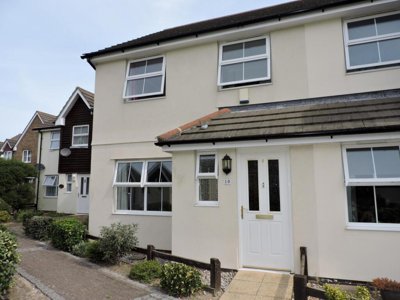
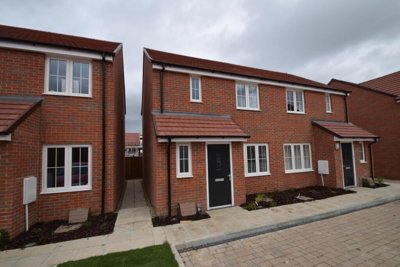
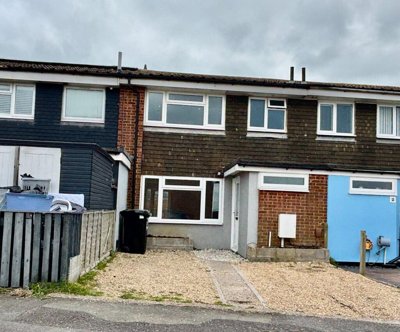
Browse 3 rental homes to rent in Pevensey, Wealden from local letting agents.
Three bedroom properties represent a significant portion of the Pevensey housing market, offering space for families with multiple reception rooms and gardens in many cases. Browse detached, semi-detached, and terraced options ranging from period character homes to contemporary developments.
£0/m
0
0
0
Source: home.co.uk
Showing 0 results for 3 Bedroom Houses to rent in Pevensey, Wealden.
Pevensey’s rental market gives tenants plenty of choice, from compact flats suited to singles or couples through to detached family homes with more room to spread out. Our current listings cover a broad range of price points, and the sales market is still a useful guide to local values. Detached homes in the area average around £448,000 based on recent sales data, semi-detached properties sit at roughly £325,000, and terraced homes average between £293,500 and £334,250 depending on the data set. Flats remain the more accessible entry point at around £185,000. Demand has stayed steady too, with prices up by about 4-5% over the past twelve months, according to recent market data.
New-build schemes around Pevensey are adding a fresh layer to the local housing picture. Mill Cross by Persimmon Homes, just over in Stone Cross, brings two, three, and four-bedroom family homes with prices from £335,000 to £440,000, plus over 100 new trees, a community amphitheatre, and play areas. A further 32 homes have been transferred to a local housing association for shared ownership. Taylor Wimpey’s site in Westham offers two and three-bedroom semi-detached homes from £320,000 to £375,000, while Orbit Homes at Hawthorn Grove, also in Westham, has one and two-bedroom apartments through Shared Ownership, priced from £84,000 to £134,000 for a 40% share. Modern layouts, energy-efficient build standards, and shared outdoor space make these schemes an easy draw for anyone after contemporary living near Pevensey.

Pevensey feels small, and that is part of the appeal. The village has around 200 permanent residents, while Pevensey Bay brings in seasonal visitors and gives the area a busier feel in holiday periods. Traditional pubs, village shops, and Pevensey Castle all help to anchor daily life, and the parish council stays involved in local issues, from the conservation area to flooding concerns affecting coastal homes.
The Pevensey Levels set the tone of the wider landscape, with low-lying marshland used mainly for grazing pasture and cut through by drainage channels. Much of it was still under water until the medieval period, so the area depends on constant water control through sluices and pumps. That gives the parish a very different feel, with good walking, birdwatching, and plenty of room to take in the natural surroundings. The Levels are an area of high conservation value, while Westham, the larger neighbouring settlement in the parish, adds shops, schools, and community facilities.
Tourism feeds the local economy, thanks to Pevensey Castle and the coastal pull of Pevensey Bay. Sovereign Harbour, right next to Pevensey Bay, adds marina facilities and jobs, and Eastbourne’s town centre is close enough for shopping, dining, and evenings out. Agriculture still matters as well, with farms on the Pevensey Levels producing livestock and helping to keep the traditional landscape intact. Plenty of residents commute into Eastbourne too, which suits the area’s mix of rural surroundings and urban convenience.

Families looking to rent in Pevensey have a workable choice of schools serving the local community. The village sits within Wealden district, and children usually move through primary school in Pevensey or nearby Westham before heading to secondary education in the wider Eastbourne area. The local primaries take children from reception through to Year 6, and many parents value the supportive atmosphere and close community ties that smaller village schools often provide. Schools across the region tend to perform well in Ofsted inspections, with committed staff focused on progress and achievement.
Secondary choices stretch across Eastbourne and the wider Wealden district, and several can be reached by school transport. Catchment areas and admission rules matter here, because school places are decided by home address within local authority boundaries. Nearby housing growth in Stone Cross and Westham has led to continued review of school capacity, with the local education authority tracking pupil numbers and provision. Older students also have access to sixth form colleges and further education institutions in Eastbourne, with academic and vocational courses that lead on to university or work.
We would always check school placements early with the local education authority, especially if a move is happening close to the start of the academic year. The education picture in Pevensey reflects the mix of historic village streets and newer parts of the parish, including Pevensey Bay. During viewings, it helps to ask the current tenant or landlord what their own school run looks like, and whether they rely on any transport arrangements.

Roads and local buses do most of the work here. Eastbourne is the nearest major railway station, and the A259 coastal road runs right through Pevensey, linking the village eastwards to Eastbourne and westwards towards Brighton and beyond. It is the main route for commuters and visitors alike, carrying traffic through Pevensey Bay and Normans Bay. In summer, though, it can clog up, especially at weekends and during school holidays when visitor numbers jump.
Eastbourne railway station is the key rail link for most residents, with services to London Victoria via Gatwick Airport and journey times usually around 90 minutes to two hours, depending on service changes. It also connects to Brighton, Portsmouth, and other South Coast destinations, which makes it important for anyone commuting to larger towns or into the capital. Stagecoach and local bus operators run services between Pevensey, Eastbourne, and surrounding villages, although frequencies are lower than you would find in a city. For many residents, car ownership still makes life easier, and parking costs should be allowed for as well, since on-street parking is common in the historic village centre.
The flat ground of the Pevensey Levels makes cycling fairly straightforward, though the marshland can turn muddy after wet weather. National Cycle Route 2 passes through the area and links into longer routes beyond the parish. By car, Eastbourne is usually a fifteen to twenty minute drive, while Brighton is about forty-five minutes away in normal traffic. Parking varies quite a bit, with on-street spaces common in the historic village centre and more room in Pevensey Bay for beachgoers.

A proper visit matters here. Spend time in Pevensey and the surrounding parish at different points in the day and week, so we can get a feel for traffic, noise from the coastal road, and the general atmosphere. It is also wise to check flood risk assessments for any property under consideration, since the low-lying setting means homes near the seafront can be more exposed during high tides and storms. The Pevensey Levels have seen temporary flooding in 1926, 1935, 1965, and 1999, so a property’s own history is worth checking closely.
Before we start viewings, it helps to have a rental budget agreement in principle in place. This comes from a mortgage broker or financial institution and shows how much rent can be afforded, which also helps to present as reliable to landlords. Most rental agreements in Pevensey ask for references, proof of income, and a security deposit equal to five weeks' rent. First-time renters should also allow for those upfront costs, plus agency fees if they apply, usually somewhere between £100 and £300 depending on the letting agent.
Viewings are the point where the detail starts to matter. Contact local estate agents and letting agencies to line up properties that fit the brief, then take proper notes at each one, looking at condition, maintenance standards, and any signs of damp or structural problems that crop up in older homes. It is sensible to ask about tenure, service charges on flats, and any rules around pets or lifestyle choices that might affect the tenancy. With so many listed buildings and conservation area properties in Pevensey, it is also worth asking about planning restrictions that could affect how the property is used.
Pevensey and Westham’s conservation area status means some homes, especially those close to the historic village core, may be listed buildings or covered by planning controls. There are 33 conservation areas within the Wealden district, and Pevensey and Westham were designated in March 2017. Keeping that in mind can save a lot of trouble later. It is also sensible to look at how close a property is to essential services, whether school catchment areas matter, and what makes one neighbourhood different from another within the parish.
Once the right place turns up, the admin follows quickly. Referencing usually takes one to two weeks, and we would expect to provide proof of identity, employment references, and previous landlord references where they are available. The tenancy agreement should be read with care, especially the deposit protection scheme, notice periods, and any special conditions. Your deposit has to be protected under a government-approved Tenancy Deposit Protection scheme within thirty days of tenancy commencement. After signing, the first month's rent and the security deposit are usually due.
Flood risk is the big issue we come back to in Pevensey. The coastal and rural setting brings several environmental considerations, but properties in Pevensey Bay or close to the Pevensey Levels need the closest look. The nine-kilometre shingle barrier beach at Pevensey Bay is an important line of coastal defence, yet over 18,000 properties in the wider area still face some flood risk during extreme weather and high tides. Flood alerts can affect Norman Road, The Promenade, The Parade, Beachlands, Normans Bay, and the Cooden Beach Hotel. Prospective tenants should ask about previous flooding, read flood risk assessments, and look carefully at elevation and drainage before going ahead.
Older buildings here bring character, but also rules. The conservation area designation for Pevensey and Westham means some properties are subject to planning restrictions on alterations, extensions, or external changes. Many of the historic homes use traditional construction, including timber-framing and weatherboarding, which calls for a different maintenance approach. Pevensey also has a notable concentration of Listed Buildings, among them The Parish Church of St Nicolas (Grade I), The Old Mint House and Mint Cottage (Grade II*), and others such as The Castle Inn, Court Lodge, and the Martello Towers along the coast. Renters should also be ready for the practical side of older homes, which can include less effective insulation, older heating systems, or windows that need careful handling.
For flats and apartments, service charges and ground rent sit on top of the monthly rent. They cover things like building maintenance, insurance, and communal areas. Seafront properties may carry higher upkeep costs because salt air wears down external finishes more quickly and repairs tend to come round sooner. The geology of the Pevensey Levels also means some homes sit on clay soils that can shrink and swell, which may lead to structural problems over time. Factoring in those extra costs and risks makes the total monthly housing picture much clearer, and stops the budget from being thrown off later.

Sales figures still give a useful steer on Pevensey’s rental market. Detached properties in the area average around £448,000 based on recent sales data, semi-detached homes come in at about £325,000, and terraced properties sit between £293,500 and £334,250. Flats are the lower-priced entry point at around £185,000. Rental prices usually run at only a fraction of those values, with one and two-bedroom flats offering the lower-cost end and larger family homes attracting higher rents. For current rental listings and pricing that fits a particular brief, local letting agents are the best people to speak to.
Council tax in Pevensey sits under Wealden District Council’s scheme. The bands run from A through H, with the band based on the property’s assessed value. Most homes in the village and Pevensey Bay fall within bands A to D, which places them in the lower to mid-range brackets. A specific property’s band can be checked through the Valuation Office Agency website using the address. Wealden District Council sets the annual rates, and single occupants may qualify for discounts, while some property types are exempt.
The school picture is similar across much of the parish. Several primary schools serve the area, and children usually move on to secondary schools in the wider Wealden district or Eastbourne. Primary education runs from reception through Year 6, and schools in the parish and nearby villages are generally reported as having good Ofsted ratings. Catchments need proper checking, because admission rules use geographic criteria and places are allocated by home address within local authority boundaries. Secondary options in Eastbourne are reachable by school transport, and many families choose between them on academic reputation, extracurricular offer, and the logistics of getting there from a Pevensey home.
Transport from Pevensey centre is fairly limited, so the details matter. Bus services link the village to Eastbourne and neighbouring settlements, while the A259 coastal road acts as the main transport artery and gives access to regional destinations. Eastbourne railway station is around fifteen minutes away by car and offers services to London Victoria, Brighton, and the wider rail network, with journey times of about 90 minutes to two hours. Anyone without a car will need to think carefully about those transport limits, particularly if work or study is outside the local bus network. Cycling works for shorter trips, helped by the flat terrain, though wet weather can leave the marshland muddy.
Pevensey suits renters who want coast and countryside in the same place. The historic character of the village, its conservation area status, and the closeness of Pevensey Bay create a setting that appeals to people who value community feel and open space. Sovereign Harbour and Eastbourne are close enough to provide jobs and a wider range of services. Even so, flood risk near the coast, limited public transport, and the rural layout mean some everyday errands still involve travel. For anyone who likes village life with sea access, Pevensey is a strong fit.
Upfront costs can catch people out, so we spell them out early. Standard rental deposits in Pevensey equal five weeks' rent, and they must be protected under a government-approved scheme within thirty days of tenancy commencement. The landlord also has to tell tenants which scheme is being used, so there is no uncertainty about where the money sits. Most letting agents and landlords ask for references that confirm employment and previous rental history, and referencing fees usually fall between £100 and £300 depending on the agency. Credit checks are part of the process too. At signing, the first month's rent is due as well, so the upfront total often comes to six weeks' rent plus fees. Some landlords will accept guarantors for tenants with limited rental history or for those in receipt of housing benefit.
Many homes in the village core date from the 16th, 17th, 18th, and 19th centuries, and the traditional building materials include timber-framing, weatherboarding, and brick. They are full of character, but they can also bring dampness where waterproofing is weak, older heating systems, and electrical installations that do not match modern standards. Parts of the Pevensey Levels sit on clay soils that can cause shrink-swell movement, especially in properties with shallow foundations. If we are looking at a listed building or anything within the conservation area, planning restrictions may affect the changes we can make. A thorough inspection before signing the tenancy is the best way to spot problems early.
From 4.5%
We work out what rent we can afford before viewings begin.
From £100
Employment and credit checks required by landlords
From £85
Energy performance certificate for your rental property
From £75
Document property condition before moving in
The financial side of renting in Pevensey is easy enough to map out. The standard security deposit equals five weeks' rent, and it is legally protected under a government-approved Tenancy Deposit Protection scheme within thirty days of your tenancy start date. That protection means the deposit should come back at the end of the tenancy, apart from any legitimate deductions for damage or unpaid rent. Your landlord must also give information about which protection scheme they use within thirty days of your tenancy commencing.
On top of the deposit, there are the practical moving costs to think about. The first month's rent is usually payable at signing, and agency fees for referencing and credit checks typically range from £100 to £300 depending on the letting agent. If we are moving from outside the area, or do not have previous rental references, some landlords may ask for a guarantor, which brings extra checks for the person agreeing to cover costs if rent is not paid. Removal costs, new furniture, and initial household supplies may also need to sit in the budget.
For flats and apartments, the extra charges need a close look. Service charges and ground rent may or may not already be included in the rent figure, so we would always check the tenancy agreement before signing. Coastal properties can carry higher maintenance costs, because sea air speeds up wear on external surfaces and communal facilities. A cautious budget leaves room for those extra charges and makes it easier to afford the tenancy throughout the rental period without money becoming tight.
Properties to Rent In London

Properties to Rent In Plymouth

Properties to Rent In Liverpool

Properties to Rent In Glasgow

Properties to Rent In Sheffield

Properties to Rent In Edinburgh

Properties to Rent In Coventry

Properties to Rent In Bradford

Properties to Rent In Manchester

Properties to Rent In Birmingham

Properties to Rent In Bristol

Properties to Rent In Oxford

Properties to Rent In Leicester

Properties to Rent In Newcastle

Properties to Rent In Leeds

Properties to Rent In Southampton

Properties to Rent In Cardiff

Properties to Rent In Nottingham

Properties to Rent In Norwich

Properties to Rent In Brighton

Properties to Rent In Derby

Properties to Rent In Portsmouth

Properties to Rent In Northampton

Properties to Rent In Milton Keynes

Properties to Rent In Bournemouth

Properties to Rent In Bolton

Properties to Rent In Swansea

Properties to Rent In Swindon

Properties to Rent In Peterborough

Properties to Rent In Wolverhampton

Enter your details to see if this property is within your budget.
Loans, cards, car finance
Estimated property budget
Borrowing + deposit
You could borrow between
Typical borrowing
Monthly repayment
Est. at 4.5%
Loan-to-value
This is an estimate only. Your actual budget may vary depending on interest rates, credit history, and personal circumstances. For an accurate affordability assessment, speak to one of our free mortgage advisors.
This calculator provides estimates for illustrative purposes only and does not constitute financial advice. Your home may be repossessed if you do not keep up repayments on your mortgage. Estimates based on 4.5% interest rate, repayment mortgage. Actual rates depend on your circumstances.
Homemove is a trading name of HM Haus Group Ltd (Company No. 13873779, registered in England & Wales). Homemove Mortgages Ltd (Company No. 15947693) is an Appointed Representative of TMG Direct Limited, trading as TMG Mortgage Network, which is authorised and regulated by the Financial Conduct Authority (FRN 786245). Homemove Mortgages Ltd is entered on the FCA Register as an Appointed Representative (FRN 1022429). You can check registrations at NewRegister or by calling 0800 111 6768.

We use cookies to show you personalised content and improve your experience of our website. Find out more in our Privacy policy and Cookie policy.