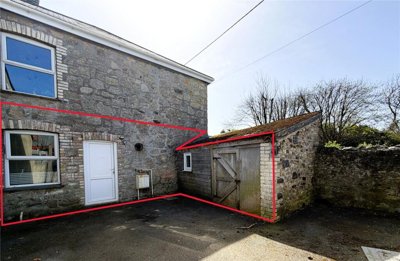
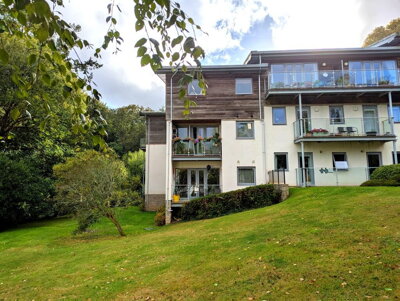
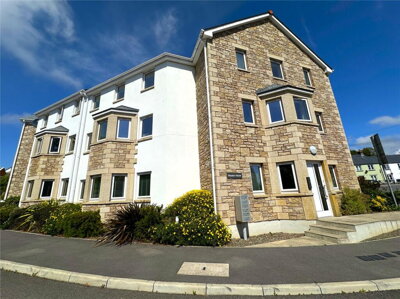
Browse 8 rental homes to rent in Pentewan Valley from local letting agents.
Studio apartments feature open-plan living spaces without separate bedrooms, incorporating sleeping, living, kitchen, and bathroom facilities. The Pentewan Valley studio market includes properties in modern apartment complexes, converted Victorian and Georgian buildings, and purpose-built developments.
Pentewan Valley’s rental market spans a good mix of homes, and much of that choice is shaped by the area’s long architectural history and its gradual shift into a popular residential spot. Semi-detached houses usually sit in the mid-range for rent and tend to offer solid value for families, while detached homes generally cost more because they often come with larger gardens and off-street parking. Terraced cottages, many built in local granite and stone, suit couples or single renters after character at a more accessible price, and flats are still fairly uncommon in this mainly low-density part of the valley.
Across Pentewan Valley, current property sales data puts the overall average at approximately £357,983, with detached homes averaging around £440,000 and semi-detached properties at approximately £290,000. That pattern carries over to renting to a degree, especially with three-bedroom semi-detached homes, which often give families the space they need without city-level prices. There is also newer stock in the valley now. Developments such as The View in PL26 6DE have brought in modern two, three, and four-bedroom homes, showing that this rural setting is still attracting development interest. The View, built by Gilbert & Goode, includes contemporary properties ranging from approximately £290,000 to £450,000.
Much of the local housing stock still points back to Pentewan’s earlier history. Most properties were built before 1970, and many come from the Victorian and Edwardian years when Pentewan functioned as a working port. Solid stone walls, lime mortar pointing, and slate roofs are all common here, and they need a different approach to upkeep than modern cavity wall homes. Over the past twelve months, price movement has been fairly modest, with terraced properties down approximately 1.9% and semi-detached homes down around 1.7%. With only 15 property sales recorded in the past year, the market is still quite tight, so rental options can be limited and we often advise moving quickly when a suitable place appears.

Life in Pentewan Valley has a distinctly Cornish pace, shaped more by tides and seasons than by city timetables. The valley floor follows the St Austell River on its gentle run towards Pentewan Sands, and that has created a landscape of water meadows, old woodland, and scattered farms that has defined the community for generations. Day to day, residents have practical basics close by, including a village shop, pubs serving locally sourced food, and historic Pentewan Harbour, where fishing boats still work alongside pleasure craft.
For everyday essentials, the village shop covers groceries and local produce, and the nearby pubs add dining rooted in Cornish food traditions, with fresh seafood and other local ingredients. Pentewan Sands Beach is within easy walking distance of the village centre, which gives residents quick access to sandy shores and safe swimming in the summer months. The South West Coast Path also runs through the area, opening up longer walks and striking views along this stretch of coastline. For theatres, galleries, and regular markets, we would look towards St Austell and Truro, both within a reasonable drive.
The appeal here is broad. Working farmland, historic buildings, and easy coastal access combine to make Pentewan Valley attractive to everyone from young couples to retired couples looking for a quieter pace. Newcomers usually find the community welcoming, with the village hall hosting events through the year and local groups helping people settle in. For remote workers and anyone with flexible hours, the setting is a strong draw, practical enough for modern life while still feeling properly rural. Pentewan Sands Holiday Park also supports a tourism economy that helps keep local businesses active year round.

£357,983
Average Property Price
1,000-1,500
Population
St Austell (4 miles)
Nearest Town
Pentewan Sands (walkable)
Coastline
60-70%
Housing Stock Over 50 Years
15 properties
Recent Sales (12 months)
Families looking to rent in Pentewan Valley usually rely on schools in and around St Austell, where the main spread of education runs from primary level through to further education. Younger children often attend primary schools in nearby villages, and school transport is available for those living beyond a reasonable walking distance. For older pupils, St Austell provides both comprehensive schools and grammar schools. Before taking on a tenancy, we would always suggest checking catchment areas and each school’s admission criteria carefully.
School performance can make a real difference to a move, so we recommend checking specific metrics and Ofsted ratings for schools serving the St Austell area before narrowing down properties. Nearby colleges and sixth form centres offer both A-level and vocational courses, which helps older students avoid travelling much further for advanced study. It is also sensible to confirm school transport arrangements and likely journey times, especially for secondary pupils travelling from the more remote parts of the valley.
Nearby village schools in places such as Trewoon and Sticker serve much of the immediate valley community, with children either walking or using transport from homes along the valley floor. Travel to secondary schools in St Austell usually takes around 20 to 30 minutes by school transport, depending on the exact property and the route used. Where possible, we think families should see prospective schools in person and talk to staff about class sizes, extracurricular options, and the learning approach each school gives priority to.

Pentewan Valley manages to feel tucked away without being cut off. It links into the A390 through St Austell, giving road access west to Truro and east to Plymouth, while the A30 trunk road provides a faster route to Exeter and farther afield when needed. A daily drive into St Austell takes approximately 20 minutes by car, which makes commuting into town workable for many residents, especially given that rental costs in the valley are often noticeably lower than in the town centre.
Bus services do connect Pentewan Valley with St Austell and nearby villages, although they are not as frequent as urban routes, so current timetables matter. The nearest railway station is at St Austell, where travellers can pick up onward mainline links through Truro and Plymouth, and Fowey is a shorter drive to the south. Broadband has been improving too. Even so, we still advise checking the exact download speeds available at any property before committing, particularly for anyone working from home or running a business there.
Parking is one of the clearer advantages of renting here rather than in a town centre, because most properties come with dedicated spaces and usually without extra charges. For anyone depending on buses, homes nearer the main valley road make day-to-day travel easier. Properties deeper into the valley can mean relying on a private vehicle for regular journeys. By car, Truro is approximately 30 minutes away, and Plymouth can be reached within around an hour and a half if wider rail connections are needed.

Before we start a serious property search, we recommend getting a rental budget agreement in principle in place. It shows landlords and letting agents that our finances have already been checked, which can help when applying for homes in a desirable Cornish valley like this one. It is also worth speaking to local letting agents early so we can gauge typical rental levels in Pentewan Valley and line up a budget that fits the market.
Getting to know Pentewan Valley in person makes a difference. We suggest spending time in different parts of the area to work out which neighbourhoods fit our lifestyle best, looking at access to schools, transport, amenities, and the contrast between homes near Pentewan village and properties farther out in the valley. It helps to visit at different times of day and on different days of the week as well, because quiet weekdays can feel very different from busier weekends when tourism picks up. Walking the local footpaths and heading down to the beach usually gives the clearest picture of day-to-day life.
Once the shortlist is taking shape, we would contact local letting agents and start booking viewings for properties that match our criteria. In a smaller market such as Pentewan Valley, homes can come up with little notice, so registering interest early can make it easier to get in quickly. We also like to compare several properties where possible, because age, condition, and maintenance standards vary a good deal across the valley. Asking about upcoming listings and showing some flexibility on move-in dates can help too.
Before any tenancy agreement is signed, we would think seriously about a thorough check of the property’s condition. Many valley homes are older, and the mix of coastal exposure and valley weather can make the state of the roof, plumbing, and damp prevention especially important. We also recommend recording existing issues carefully during the viewing and again at check-in, so there is a clear record to support the deposit position at the end of the tenancy.
Tenancy terms deserve a close read, especially the deposit amount, the length of the agreement, and any clauses tied to maintenance in a rural setting. In Pentewan Valley, some properties rely on private water supplies or septic tanks, and that can bring extra tenant responsibilities. We would want to pin down exactly what the rent includes, whether any bills are covered, and how maintenance problems should be reported and dealt with before agreeing to move ahead.
Moving into a rural area takes a bit more planning. Deliveries can run slower, and some services need booking well in advance in a less densely populated place like Pentewan Valley. We would also get registered with local doctors, dentists, and community groups soon after a move, as those networks are part of what holds the valley together. Utilities and internet are worth arranging early too, because appointments for some providers can take several weeks in rural locations.
Renting in Pentewan Valley calls for attention to local issues that do not always come up in urban searches, starting with the geology and environmental conditions that affect property condition. Clay soils in the Pentewan Beds can make some homes vulnerable to shrink-swell movement, particularly in dry summers or where large trees are close to the building, so we would ask about any past foundation work or structural repairs. Flood risk matters as well. Properties near the St Austell River or on low-lying parts of the valley floor should be checked carefully, along with any flood history and resilience measures already in place.
Pentewan village sits within a Conservation Area, and that designation can limit what alterations or improvements are allowed, which is useful to understand before taking on a longer tenancy. Older homes built in traditional Cornish stone may need more upkeep than a modern build, so we would walk through carefully with the landlord or agent and note the state of damp proofing, timber elements, and roof coverings. Local granite, slate roofing, and traditional renders all contribute to the valley’s character, but they can also demand more maintenance than newer construction methods.
Some rentals in Pentewan Valley are not connected to standard mains services and instead rely on private water supplies or septic tank systems, which can bring responsibilities that are unfamiliar to renters from urban areas. We always suggest clarifying exactly which services a property uses, together with any related costs and maintenance obligations. The valley’s mining heritage is another point to keep in mind, as some properties may need mining searches during the conveyancing process, and it is sensible to ask landlords about any historical mining activity that could affect the site. Those details matter, because they help align expectations with the reality of living in a beautiful but rural location.

Over 60% of properties in Pentewan Valley are over 50 years old, so traditional materials and construction methods are a normal part of the local market. Our team knows the usual issues that come with older Cornish homes, and we can help point out what to look for during viewings.
Current property sales data gives an overall average price of approximately £983 across Pentewan Valley, with detached properties averaging around £1,350 and semi-detached homes at approximately £1,275. The rental market reflects these values to some extent, and three-bedroom semi-detached houses often stand out for families who need more space without paying city-level prices. Newer housing has also arrived through schemes such as The View in PL26 6DE, where two, three, and four-bedroom homes have been introduced, showing continued development interest despite the valley’s rural character. At The View, Gilbert & Goode offers contemporary properties ranging from approximately £625 to £1,350.
Properties in Pentewan Valley come under Cornwall Council, and council tax bands run from A to H depending on assessed value. Because the area includes both older cottages and newer homes, the spread of bands varies quite a bit. Traditional stone cottages in the village often sit in lower bands, while more recent homes on developments such as The View are more likely to fall into higher ones. We always advise checking the exact band for any rental under consideration, as it directly affects monthly housing costs. Cornwall Council’s online search tool makes that straightforward by letting people look up bands from a property address.
For education, families in Pentewan Valley generally use local village primary schools, with transport available from the more distant properties, while secondary schools in St Austell cover the wider catchment. School performance data and Ofsted ratings are best checked directly because they can change over time, and different families prioritise different approaches to learning. Older students have their nearest further education option in St Austell, where A-level and vocational courses are available without the need for long daily journeys. If possible, we would always visit potential schools in person and ask about class sizes, extracurricular activities, and teaching approach.
Most public transport in Pentewan Valley revolves around bus routes linking the area with St Austell and nearby villages, though service levels are lower than in urban areas and it is wise to check schedules before relying on them for everyday commuting. Rail access comes through St Austell station, with onward connections to Truro, Plymouth, and farther afield. By road, the A390 and A30 provide access across Cornwall and on to the rest of England. In practice, many residents use private vehicles each day, and that is helped by the fact that rental properties here usually have parking, unlike many town centre homes. The more remote valley properties can make car use almost essential.
Pentewan Valley offers a strong lifestyle option for renters who want rural tranquillity without losing practical access to work and services. The coastal setting, the valley scenery, and the sense of community all add to that appeal, and rental prices are often more accessible than in the larger Cornish towns. Newcomers are usually welcomed in quickly, with local events through the year making it easier to meet people. The trade-off is fairly clear, mind you. Transport can be harder without a vehicle, older homes may bring more maintenance concerns, and rental supply is limited compared with bigger towns.
For most rentals in Pentewan Valley, the standard deposit is five weeks rent, and it should be held in a government-approved deposit protection scheme for the full tenancy. We would budget not only for that deposit but also for the first month's rent in advance before moving day, plus any typical referencing fees for credit checks and employment verification. Some landlords may ask for a guarantor or extra references as well, especially where the rent takes up a large share of household income. First-time renters should also leave room in the budget for utilities, internet setup, and contents insurance, and some homes with private water or septic systems may involve maintenance costs that urban renters do not usually face.
From 4.5%
Pre-tenancy financial checks for renters
From £25
Credit checks and employment verification
From £85
Energy performance certificates for rental properties
From £75
Documented property condition reports
The advertised monthly rent is only part of the picture, so a proper budget for Pentewan Valley needs to cover the full cost of the tenancy from the start. Deposits are legally protected in a government-approved scheme, and the standard amount is five weeks rent. If there are no disputes over condition at the end of the tenancy, that deposit must be returned within ten days, which is why a careful walk-through at both the start and finish matters for everyone involved. We also remind first-time renters to plan for the first month rent, the deposit, and referencing fees together, because those upfront costs can run to several thousand pounds before any furnishing or moving costs are added.
Ongoing spending in Pentewan Valley goes beyond rent and includes council tax through Cornwall Council, with bands that vary widely by property type and location. Utility bills can differ a lot too, depending on the size of the home, the standard of insulation, and the heating system in place. Older stone houses may cost more to heat than modern builds, and some rural homes rely on oil or LPG rather than gas mains. We would also treat contents insurance as essential, since a landlord’s policy will not cover a tenant’s belongings, and for lower valley properties near the river it may be worth looking at flood cover as well.
In Pentewan Valley, a property condition assessment can be especially useful because so much of the housing stock is older and built in ways that differ markedly from newer urban homes. Traditional construction and coastal exposure can create issues that are easy to miss without a closer look. We often recommend arranging a thorough assessment before a tenancy agreement is signed, as it creates a clear record of existing condition and helps both tenant and landlord avoid deposit disputes later on. Going in with that level of understanding usually makes for a smoother tenancy and better protection for the deposit from start to finish.
Properties to Rent In London

Properties to Rent In Plymouth

Properties to Rent In Liverpool

Properties to Rent In Glasgow

Properties to Rent In Sheffield

Properties to Rent In Edinburgh

Properties to Rent In Coventry

Properties to Rent In Bradford

Properties to Rent In Manchester

Properties to Rent In Birmingham

Properties to Rent In Bristol

Properties to Rent In Oxford

Properties to Rent In Leicester

Properties to Rent In Newcastle

Properties to Rent In Leeds

Properties to Rent In Southampton

Properties to Rent In Cardiff

Properties to Rent In Nottingham

Properties to Rent In Norwich

Properties to Rent In Brighton

Properties to Rent In Derby

Properties to Rent In Portsmouth

Properties to Rent In Northampton

Properties to Rent In Milton Keynes

Properties to Rent In Bournemouth

Properties to Rent In Bolton

Properties to Rent In Swansea

Properties to Rent In Swindon

Properties to Rent In Peterborough

Properties to Rent In Wolverhampton

Enter your details to see if this property is within your budget.
Loans, cards, car finance
Estimated property budget
Borrowing + deposit
You could borrow between
Typical borrowing
Monthly repayment
Est. at 4.5%
Loan-to-value
This is an estimate only. Your actual budget may vary depending on interest rates, credit history, and personal circumstances. For an accurate affordability assessment, speak to one of our free mortgage advisors.
This calculator provides estimates for illustrative purposes only and does not constitute financial advice. Your home may be repossessed if you do not keep up repayments on your mortgage. Estimates based on 4.5% interest rate, repayment mortgage. Actual rates depend on your circumstances.
Homemove is a trading name of HM Haus Group Ltd (Company No. 13873779, registered in England & Wales). Homemove Mortgages Ltd (Company No. 15947693) is an Appointed Representative of TMG Direct Limited, trading as TMG Mortgage Network, which is authorised and regulated by the Financial Conduct Authority (FRN 786245). Homemove Mortgages Ltd is entered on the FCA Register as an Appointed Representative (FRN 1022429). You can check registrations at NewRegister or by calling 0800 111 6768.

We use cookies to show you personalised content and improve your experience of our website. Find out more in our Privacy policy and Cookie policy.