Browse 1 rental home to rent in Oswaldkirk, North Yorkshire from local letting agents.
The larger property sector typically features multiple bathrooms, substantial reception space, and private gardens or off-street parking. Four bedroom houses in Oswaldkirk span detached, semi-detached, and occasionally terraced configurations, with styles ranging from period properties to modern executive homes.
£0/m
0
0
0
Source: home.co.uk
Showing 0 results for 4 Bedroom Houses to rent in Oswaldkirk, North Yorkshire.
Oswaldkirk’s rental market mirrors the village’s place in one of North Yorkshire’s most sought-after Areas of Outstanding Natural Beauty. Our listings span everything from traditional stone-fronted cottages to substantial detached homes, with rents shifting to reflect size, condition and outdoor space. Detached properties dominate here, making up approximately 60% of homes, while semi-detached properties account for around 20%. Terraced homes sit at approximately 15%, and flats are exceptionally scarce in a village like this, at less than 5% of the housing stock.
Across the wider YO62 postcode area, property values average around £417,000, with detached homes usually ranging from £500,000 to £567,500 and terraced homes averaging approximately £231,500. That sales backdrop has a clear influence on rents, as landlords look at possible sale proceeds and local yields when setting monthly figures. Recent activity shows semi-detached properties making up approximately 43% of transactions in some parts of the postcode, which points to healthy buyer demand for that style and can feed through into the rental market too. In a small village community with so few homes available, it makes sense to register early with local letting agents and keep a close eye on listings so you do not miss a property in Oswaldkirk.
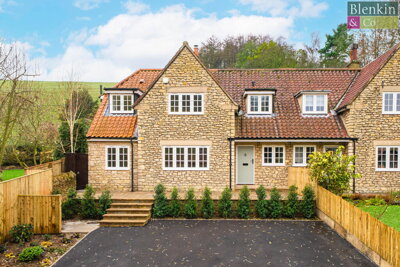
Oswaldkirk’s Conservation Area contains buildings that tell the story of centuries of change. Anything built before the early 19th century tends to use limestone rubble from the nearby Corallian limestone hills, while Victorian and Edwardian buildings often switch to more formal squared sandstone blocks quarried locally. Pantiles are the usual roof covering across the Conservation Area, although slate is found on higher-status properties such as the Grade II* listed Church of Saint Oswald. For renters, that means plenty of character, but also properties that can ask more of their upkeep, with solid walls, traditional timber windows and period plumbing often part of the package rather than modern finishes.

Oswaldkirk gives us a rare chance to experience real Yorkshire village life in a landscape of outstanding natural beauty. The village became a Conservation Area in September 1984, recognising the architectural and historic value that has been carefully retained over generations. With a population of approximately 231 residents, it has the sort of close-knit atmosphere where people know each other and local events still pull everyone together through the year. At its centre stands the impressive Grade II* listed Church of Saint Oswald, dating from the 12th century, with Oswaldkirk Hall and a number of Grade II listed cottages and farmhouses adding to the village’s enduring appeal.
Agriculture and tourism sit at the centre of the local economy, and the village’s setting brings visitors into the Howardian Hills all year round. The Howardian Hills AONB covers over 154 square miles of rolling countryside, with footpaths, bridleways and scenic drives that show off the best of rural North Yorkshire. The North York Moors National Park lies immediately to the north, so outdoor walking, cycling and wildlife watching are all close at hand. Oswaldkirk itself sits on the north side of the Gilling Gap Rift Valley, a geological feature that gives the area its characteristic rolling limestone ridges and fertile valleys.
Many residents travel out to work in Helmsley, Malton and the historic city of York, with York sitting approximately 25 miles away and offering rail links to London, Edinburgh and Birmingham. Helmsley is just 5 miles to the north and covers day-to-day needs with a doctors surgery, post office, independent shops and weekly markets, while Malton brings a broader choice of supermarkets, restaurants and leisure facilities. As with many rural villages, broadband speeds can vary a great deal depending on where you are and which provider you use, so anyone planning to work from home should check current connectivity with local suppliers before committing to a tenancy.

Families looking to rent in Oswaldkirk will find a number of educational options within easy reach. Primary schooling is available in the nearby market towns of Helmsley and Ampleforth, and Ampleforth College also provides secondary education as a Catholic boarding and day school with a strong academic reputation and approximately 500 students. Set in buildings dating from the early 19th century, it draws pupils from across the UK and from overseas, which says a lot about the area’s wider appeal. Parents should look closely at catchments and admissions rules, because places at popular schools can be hard to secure, especially for families arriving without an established local address.
Being between York and the North York Moors gives the village a choice of secondary schools in and around York, including grammar and comprehensive options, plus several respected state and independent schools within reasonable commuting distance. York grammar schools, including York High School and Huntington School, regularly post strong examination results and attract pupils from a wide area. St Peter’s School in York, one of the oldest schools in the world with origins dating back to the 7th century, offers an independent route, while Bootham School provides another private secondary option within the city.
For sixth form and further education, York has a full spread of choices, including York College, Bishop Burton College and the University of York, which is known internationally for research and teaching and draws students from over 150 countries worldwide. Its Heslington campus sits on the edge of York, approximately 25 miles from Oswaldkirk, and offers undergraduate and postgraduate study across many disciplines. Because the village is rural, families also need to think about school transport arrangements, as bus services may run to specific schools from the village and nearby areas, with journey times varying according to the school chosen.

Oswaldkirk is well placed between several main roads that link North Yorkshire with the wider region. The village is reached via the A170, which runs between Thirsk and Scarborough, and it connects to the A1(M) motorway at Dishworth for travel north and south towards cities such as Newcastle, Leeds and Sheffield. York is approximately 25 miles to the south and offers rail services from York Railway Station, with direct trains to London King’s Cross in under two hours, Edinburgh in approximately three hours and Leeds in around 30 minutes. Malton railway station, approximately 12 miles from Oswaldkirk, provides services to York and the coast, while the East Coast Main Line gives strong links across England and Scotland.
Bus services do run between Oswaldkirk and the nearby towns, although, as is common in rural villages, they are limited, so most residents find a car practically essential. The 31 service links Helmsley, Ampleforth and York, and other routes reach Malton and surrounding villages, but timetables need checking carefully because weekend and school holiday services may be reduced. Leeds Bradford Airport is the nearest international airport, approximately 45 miles away, with flights across Europe and beyond, including seasonal charter routes to Mediterranean and Caribbean destinations.
For those commuting to York or the surrounding towns, journey times are usually manageable, often taking 30-45 minutes by car depending on traffic and the exact destination within the city. The A64 is the main route south to York, though it can clog up at peak commuting times. The countryside around Oswaldkirk is also good cycling territory, with quiet lanes and designated routes for people who prefer two wheels to four, especially in summer when the Howardian Hills draw cyclists from across the region. Because the village sits on the Gilling Gap, routes to the north and south benefit from the valley shape, although the surrounding hills can be demanding for less experienced riders.

We would suggest speaking to a mortgage broker or rental budget specialist to obtain an agreement in principle before you start searching. For rental budgeting, our partners provide free agreement in principle decisions that set out your affordable monthly rent range without affecting your credit rating. It also shows landlords that you are serious and financially ready, which matters in competitive rural rental markets where stock is limited.
Browse current listings in Oswaldkirk and set up property alerts so you hear about new rentals that match your requirements as soon as they appear. With the village so small and rental homes so rarely available, it can also help to register directly with local letting agents in Helmsley and Malton, since some homes are marketed quietly before they reach the major online portals.
Arrange viewings for homes that fit your needs, and spend time in the village to get a feel for the community, amenities and transport links before you sign anything. During viewings in Oswaldkirk, we would pay close attention to the property’s position relative to the village centre, the condition of the stone walls and roof, and access to the A170 for anyone who needs to commute.
Once you have found the right home, the next step is referencing and the paperwork that goes with it, including proof of identity, employment references and previous landlord references where relevant. In rural areas, landlords often look for stable employment histories and strong references, especially with traditional stone properties where an understanding of maintenance is useful.
Read the tenancy terms carefully before you sign, including the deposit amount, rent payment dates and any special conditions linked to the property’s Conservation Area or listed status. Homes within the Conservation Area can carry extra rules around alterations, external decorations and even keeping pets.
Carry out a full check-in inspection with the landlord or letting agent, and record the property’s condition and any existing issues so your deposit is protected when the tenancy ends. For older homes with traditional construction, that inventory should cover stonework, roof details, window joinery and any signs of damp or wear that were already present at the start.
Renting in Oswaldkirk comes with a few particular points to bear in mind because of the village’s Conservation Area status and the age of its housing stock. Around 50% of properties were built before 1919, using local limestone and sandstone with traditional building methods such as solid wall construction and timber roof structures. The Conservation Area includes buildings from different periods, from early limestone rubble structures to later Victorian and Edwardian homes built in squared sandstone, often with pantile or slate roofs.
Older homes can be full of charm, but they may also need more upkeep and may include original wiring, period features and solid floors that do not match modern standards. Many pre-1919 properties will have electrical systems and plumbing that need updating, while timber elements can show wear that simply reflects the age of the building. A detailed survey, such as a RICS Level 2 Survey, can pick up damp, roof condition or structural concerns before you commit to a tenancy, and that is especially sensible for listed buildings or homes that have stood empty for some time.
Because Oswaldkirk sits within the Howardian Hills AONB and the Conservation Area, planning controls affect many properties and can limit the changes tenants are able to make. Listed buildings in particular need consent for alterations, and restrictions can extend to external changes such as satellite dishes and fencing, as well as interior alterations to original features. The National Heritage List for England records eight listed buildings in Oswaldkirk’s Conservation Area, including Grade II* listed structures, and work on them calls for specific permissions and specialist historic building knowledge.
Surface water flooding can be a local issue in Oswaldkirk during heavy rain, especially on slopes and where drainage is poor, so anyone renting should look at the flood risk for the exact property. Broadband speeds can also vary quite a bit because of the village’s rural setting, so if reliable internet matters for work or lifestyle, check service provider information before you commit. Mobile signal strength can change too, depending on the network and the local topography, which is worth checking for anyone who depends on their phone connection.

We have limited rental price data for Oswaldkirk itself because the village is small and homes change hands infrequently, but properties in the surrounding YO62 postcode area sit under the same location premiums as the sales market. Average values in the area are around £417,000, with detached properties typically commanding prices from £500,000 to £567,500 and terraced properties averaging approximately £231,500. Rents for comparable homes would be expected to reflect those values, with larger detached houses likely reaching premium monthly rents of perhaps £1,200-£1,800 depending on specification and condition, while semi-detached and terraced homes would generally sit at £700-£1,100 per month. Availability in Oswaldkirk is extremely limited because so few rentals come up, and the homes that do appear often attract several interested applicants.
Oswaldkirk offers an outstanding quality of life for anyone seeking a quiet rural lifestyle within a designated Area of Outstanding Natural Beauty. The Conservation Area keeps the village’s historic character intact, creating a lovely backdrop to everyday life, while the Grade II* listed Church of Saint Oswald and the historic cottages give the place a strong sense of identity. Residents enjoy countryside walks, easy access to the North York Moors National Park and a friendly community that has remained broadly stable in size for more than two centuries. The main downside for renters is the very limited supply of homes and the practical need for a car because of the rural location and sparse public transport, but for those who can work with that, Oswaldkirk can be a wonderful place to live.
For council tax purposes, properties in Oswaldkirk fall under Ryedale District Council, since the village sits within the Ryedale local authority area that also includes Helmsley, Malton, Norton and Pickering. Council tax bands run from Band A for the lowest value homes to Band H for the most expensive, and tenants can check the current banding on the Valuation Office Agency website using the property address. Given the village’s desirable setting within the Howardian Hills AONB and the quality of its period housing stock, many homes in Oswaldkirk will sit in the higher bands, with detached period properties often assessed in Bands F through H. Council tax is usually paid monthly or annually to Ryedale District Council, and it needs to be added to rent, utilities and contents insurance when you work out the full cost of living there.
Families in Oswaldkirk are well served by schools in the surrounding area, with Ampleforth College providing Catholic secondary education and an excellent academic reputation, plus facilities including a swimming pool, sports hall and extensive grounds for sport and outdoor activities. For younger children, primary education is available in Helmsley, where Duncombe Terrace Primary School and Helmsley Primary School both serve Oswaldkirk and nearby villages within a reasonable distance. York also offers a full range of secondary choices, including highly regarded grammar and comprehensive schools reachable by school transport from the village, with York High School and Huntington School among the most sought-after state secondaries in the area.
Public transport from Oswaldkirk is limited, which reflects both the village’s small scale and its rural position in the Howardian Hills AONB. Buses connect the village with nearby towns including Helmsley and Malton, but services are infrequent, usually only a few a day on weekdays, with reduced timetables at weekends and during school holidays. For longer journeys, Malton railway station offers links to York and the coast, while York Railway Station provides strong national connections, including direct trains to London King’s Cross in under two hours, Edinburgh in approximately three hours and Birmingham in around two hours. Leeds Bradford Airport, approximately 45 miles away, serves international routes to Europe and further afield. With those limits in mind, a car is effectively essential for most residents, and anyone looking to rent should weigh up the extra costs of fuel, insurance and vehicle maintenance alongside their move.
The standard deposit for rental homes in England is capped at five weeks’ rent under the Tenant Fees Act 2019, and that figure is calculated at a maximum of one month’s rent multiplied by 1.25. So, for a property let at £1,000 per month, the largest permitted deposit would be £1,250, while a larger family home at £1,500 per month would cap at £1,875. Deposits must be protected within 30 days of receipt in a government-approved Tenancy Deposit Protection scheme, and tenants should be told which scheme is used and how the deposit will be returned at the end of the tenancy. There can also be extra upfront costs, including the first month’s rent in advance before moving in, and referencing fees covering credit checks, employment checks and previous landlord references. A holding deposit, capped at one week’s rent, may be asked for to reserve a home while references are being completed, and that amount is usually set against the first month’s rent or deposit when the tenancy starts. Before you commit, it is sensible to obtain a rental budget agreement so you know your borrowing capacity and can show landlords that you are financially prepared.
Oswaldkirk is not beside any major rivers, so the risk of fluvial flooding from rivers and sea water is generally very low across the village. Even so, surface water flooding can still be a local issue during heavy rainfall, particularly on slopes and in places where drainage is poor or where traditional field boundaries and lanes might channel water across land. The underlying limestone geology, part of the Late Jurassic Corallian Formation, usually drains well compared with areas that have heavy clay, which lowers the risk of groundwater flooding. Prospective tenants should ask the landlord or letting agent about any flood history and check the Environment Agency flood risk maps for the exact property before committing. Buildings insurance remains the landlord’s job, but tenants should still arrange contents insurance to protect their belongings whatever the flood risk looks like.
Most homes in Oswaldkirk are period buildings made from local limestone or sandstone, and around half were built before 1919 using traditional methods that are very different from modern construction. Solid wall construction is common in these older properties, which gives strong thermal mass but can mean different insulation and heating needs from modern cavity-walled homes. Original features such as timber sash windows, stone flag floors and open fireplaces add to the character, although they often need regular care. Tenants should also remember that listed buildings, which form a significant part of the Conservation Area, come with restrictions on alterations and changes that need consent from the local planning authority. Properties with thatched or traditional roofs may also have special insurance and maintenance needs, and those are worth discussing with the landlord before you move ahead.
From 4.5%
We arrange renting budget agreements so you can see how much you can afford to spend on rent each month.
From £30
Our referencing checks cover credit history, employment verification and previous landlord references.
From £500
For older homes in Oswaldkirk’s Conservation Area, a detailed survey is often the best way to spot defects in stone walls, roofs and traditional construction.
From £80
An Energy Performance Certificate is required for every rented property, and it shows the home’s energy efficiency rating.
Understanding the full cost of renting in Oswaldkirk matters before you commit, because the monthly rent is only part of the picture in such a desirable village. Under the Tenant Fees Act 2019, deposits are capped at five weeks’ rent for annual rents below £50,000, so for a typical family home in Oswaldkirk with a monthly rent of perhaps £1,200, the maximum deposit would be £1,385. That deposit is held in a government-approved Tenancy Deposit Protection scheme and returned at the end of the tenancy, subject to any deductions for damage or unpaid rent. A careful check-in inventory is also important, as it records the home’s condition at the start and helps guard against unfair deductions later, which is especially relevant with period properties where wear to original features can be open to interpretation.
Other upfront costs include the first month’s rent in advance, usually paid before you move in, together with referencing fees that cover credit checks, employment verification and landlord references from previous tenancies. A holding deposit, capped at one week’s rent, may be requested while references are checked, and that amount is usually offset against the first month’s rent or deposit when the tenancy begins. Once you are in the property, you are responsible for council tax paid to Ryedale District Council, plus utilities such as gas, electricity and water, and contents insurance to protect your belongings. Because many homes in Oswaldkirk’s Conservation Area are old and full of character, it is particularly important to take out contents cover that properly reflects period features and traditional construction, since standard policies may not fully account for the replacement cost of specialist materials and craftsmanship.
Securing a rental budget agreement before you begin searching shows landlords that you are financially prepared and helps you understand exactly what you can afford to spend on rent each month without overextending your household budget. In a competitive rural rental market, that sort of preparation matters, because landlords may have several applicants to choose from, and a pre-approved budget can give your application extra weight. Our partners provide free agreement in principle decisions that take just minutes to complete and do not affect your credit rating, so you can approach viewings in Oswaldkirk and across the Howardian Hills with clarity about your rental budget.
Properties to Rent In London

Properties to Rent In Plymouth

Properties to Rent In Liverpool

Properties to Rent In Glasgow

Properties to Rent In Sheffield

Properties to Rent In Edinburgh

Properties to Rent In Coventry

Properties to Rent In Bradford

Properties to Rent In Manchester

Properties to Rent In Birmingham

Properties to Rent In Bristol

Properties to Rent In Oxford

Properties to Rent In Leicester

Properties to Rent In Newcastle

Properties to Rent In Leeds

Properties to Rent In Southampton

Properties to Rent In Cardiff

Properties to Rent In Nottingham

Properties to Rent In Norwich

Properties to Rent In Brighton

Properties to Rent In Derby

Properties to Rent In Portsmouth

Properties to Rent In Northampton

Properties to Rent In Milton Keynes

Properties to Rent In Bournemouth

Properties to Rent In Bolton

Properties to Rent In Swansea

Properties to Rent In Swindon

Properties to Rent In Peterborough

Properties to Rent In Wolverhampton

Enter your details to see if this property is within your budget.
Loans, cards, car finance
Estimated property budget
Borrowing + deposit
You could borrow between
Typical borrowing
Monthly repayment
Est. at 4.5%
Loan-to-value
This is an estimate only. Your actual budget may vary depending on interest rates, credit history, and personal circumstances. For an accurate affordability assessment, speak to one of our free mortgage advisors.
This calculator provides estimates for illustrative purposes only and does not constitute financial advice. Your home may be repossessed if you do not keep up repayments on your mortgage. Estimates based on 4.5% interest rate, repayment mortgage. Actual rates depend on your circumstances.
Homemove is a trading name of HM Haus Group Ltd (Company No. 13873779, registered in England & Wales). Homemove Mortgages Ltd (Company No. 15947693) is an Appointed Representative of TMG Direct Limited, trading as TMG Mortgage Network, which is authorised and regulated by the Financial Conduct Authority (FRN 786245). Homemove Mortgages Ltd is entered on the FCA Register as an Appointed Representative (FRN 1022429). You can check registrations at NewRegister or by calling 0800 111 6768.

We use cookies to show you personalised content and improve your experience of our website. Find out more in our Privacy policy and Cookie policy.