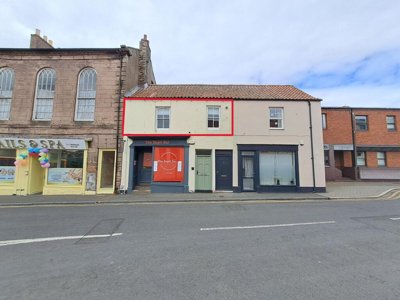
Browse 1 rental home to rent in Ord, Northumberland from local letting agents.
Studio apartments feature open-plan living spaces without separate bedrooms, incorporating sleeping, living, kitchen, and bathroom facilities. The Ord studio market includes properties in modern apartment complexes, converted Victorian and Georgian buildings, and purpose-built developments.
£0/m
0
0
0
Source: home.co.uk
Showing 0 results for Studio Flats to rent in Ord, Northumberland.
Ord, Northumberland gives a fairly honest view of rural English village renting. Through our service, the homes on offer are usually traditional stone cottages from the 18th and 19th centuries, with old fireplaces, exposed beam ceilings and the thick walls that come with the area's building history. A lot of them also have sizeable gardens and outbuildings, which fits the agricultural countryside around the village. New building has been limited in recent years, so availability stays modest, and the properties that do come up tend to draw steady interest from tenants looking for something genuinely rural.
Prices in Ord and the nearby Northumberland villages sit in a fairly accessible bracket for the North East, although they move around quite a bit depending on size, condition and the facilities on offer. A one-bedroom cottage may come in at around £450-550 per month, while larger three-bedroom family homes can ask £750-950 per month. Recently refurbished homes with smart kitchens and bathrooms often sit above the base level. The market is helped by the fact that rents are lower than in more urban areas, so tenants can usually stretch to more space and more character for the same monthly outlay.
Ord's rental stock is a mixed bunch, with detached farmhouses, semi-detached village houses and smaller terraced cottages gathered around the centre. Homes with flagstone floors, panelled doors and traditional sash windows tend to appeal to tenants who like period detail. Quite a few properties now have modern oil-fired central heating, replacing older systems but keeping the original character intact. Gardens are usually larger than you would expect in a town, and many homes come with enclosed rear gardens, vegetable plots and useful outbuildings for storage or workshop space.

Northumberland County Council is the local authority for Ord, and the village sits within England's northernmost county, one of the least densely populated parts of the country. It lies in a quiet stretch of Northumbrian countryside, with farmland, rolling hills and the sort of landscape that keeps walkers, cyclists and nature lovers coming back. Public footpaths and bridleways thread through the fields and woodland nearby, so the open countryside begins almost as soon as you leave the village. Farming remains part of daily life here, and local farms help shape both the economy and the feel of the area.
Ord and similar Northumbrian villages usually draw a broad mix of residents, from people who have lived there for decades to families arriving for the local schools, and others after a slower pace away from the towns and cities. The age profile is more even than in some commuter villages, with working adults, families with children and older residents all well represented. Nearby village shops, traditional pubs serving local ales and community spaces hosting events through the year add to the appeal. Morpeth and Alnwick are the nearest market towns, giving access to wider shopping, healthcare and cultural facilities within a 20-30 minute drive.
Life in Ord tends to follow the rhythm of the Northumbrian farming year. Summer shows, harvest festivals and winter gatherings in the village hall all help to keep the community connected. The pace is slower, which suits those who want to step away from traffic noise and congestion without losing practical access to everyday services. With the Northumberland Coast and National Park both within easy reach, weekends can be spent outdoors with very little planning. For many residents, the sense of community and the closeness to the landscape are hard to match in a more urban setting.

In the Ord area, education reflects Northumberland's approach to serving both scattered rural settlements and larger towns. Primary schooling is usually provided by local village schools covering several nearby communities, with small class sizes and close individual attention that many parents value. These schools often have teaching staff who know the children well and can respond to their needs in a very direct way. The primary school serving Ord and neighbouring villages then feeds into secondary options, so families should look closely at those choices before taking a rental in the area.
Secondary education in Northumberland works through a comprehensive system, with schools in nearby market towns offering GCSE and A-Level courses. Anyone renting in Ord should check catchment areas and admission rules for nearby secondaries, as they can have a real effect on options for older children. There is also access to sixth form colleges and further education providers in the larger towns, so post-16 study does not necessarily mean leaving the area. Northumberland's schools have also seen steady improvement in Ofsted ratings in recent years, with several primaries and secondaries achieving good or outstanding grades that compare well with national averages.
For families looking at rentals in Ord, school transport needs to be part of the discussion. Many rural Northumberland schools run dedicated bus services for pupils from outlying villages, though routes and timings differ from one school to the next. Travel to secondary schools in market towns is usually 15-30 minutes, depending on the school and the route. Before settling on a tenancy, parents should speak to Northumberland County Council's education department for the latest details on catchments, transport and admissions.

Transport from Ord, Northumberland strikes a practical balance between rural living and getting to work. The village is close to the A1, England's main north-south trunk road, which gives straightforward access to Newcastle upon Tyne in the south and Edinburgh in the north. That corridor makes the area much easier to manage for people who work in larger cities but want countryside surroundings at home. A car journey into Newcastle city centre usually takes 30-40 minutes, so occasional commuting or day trips are perfectly realistic for those who need city access.
Bus services from Ord link the village with nearby towns and connect into the rail network. The nearest railway stations are Berwick-upon-Tweed to the north and Newcastle to the south, both on the East Coast Main Line with services to London, Edinburgh and other major destinations. Buses are generally more frequent on weekdays, with reduced timetables at weekends, so anyone relying on public transport should check the current schedules carefully. Locally, Morpeth, Alnwick and Berwick offer jobs across retail, healthcare, education and service work, often within a manageable daily commute from Ord.
For people commuting further afield, the A1 opens up more of the region than might first seem possible. Employers in places such as Cramlington, Blyth and the QE Metro Business Park in Gateshead can all be reached within reasonable driving times from Ord. The village is also within reach of the larger employment centres around Sunderland and Teesside for those prepared to make longer daily trips. Having a car gives most residents far more choice, although the village can still work for people without one if they work locally or have flexible arrangements.

Renting in a rural Northumbrian village like Ord means dealing with a few practical points that do not come up as often in towns and cities. Some homes use private drainage systems, such as septic tanks or soakaways, rather than mains sewerage, and renters should know whether maintenance falls to the landlord or tenant and whether extra costs apply. Oil-fired central heating, bottled gas and solid fuel systems also bring different running costs from mains gas, so those should be counted into the overall rental budget before a move.
Given the age of much of the housing stock, the condition of homes in Ord needs a close look. Traditional stone buildings have plenty of character, but solid walls with limited insulation can mean higher heating bills and a different temperature profile from newer cavity-wall homes. Roof condition matters too, because the local weather can wear roofing materials down quite quickly. Larger rural gardens also need year-round care, so that should not be overlooked. When viewing, we would ask about recent maintenance, the age of the boiler and any known damp or timber issues, because those are the things that tend to catch people out later.
Tenants in Northumberland also need to think about environmental pressures that can affect homes in Ord. Because the wider county includes a coastal stretch, properties can be hit by strong winds and driving rain, especially in autumn and winter. That exposure can wear down external finishes and, in poorly maintained homes, lead to penetrating damp. Windows and doors matter a great deal in older buildings, as draughts can push heating costs up sharply. Before agreeing to rent, it helps to visit in different weather if possible and to study the inventory or condition report carefully.

Budgeting for a rental in Ord means looking beyond the monthly rent. The usual move-in costs include the first month's rent in advance and a security deposit equal to five weeks' rent. Under the Tenancy Deposit Protection scheme, that deposit must be protected by your landlord within 30 days of receiving it, and you should be told which scheme holds it. It acts as cover for damage beyond normal wear and tear, or unpaid rent when the tenancy ends. A further one to two months' rent should be allowed for those upfront costs, along with any referencing or administration fees, so the initial bill does not come as a shock.
Running costs while renting in Ord include council tax, which in Northumberland usually sits around £1,200-1,800 annually depending on the property's council tax band. Electricity, gas where available, water and broadband all add to the monthly total, and older homes can be dearer to heat because insulation is not always as effective. Contents insurance is strongly advised for renters, and there are plenty of competitive policies available. The landlord normally remains responsible for the structure and exterior, while internal decorations and minor repairs may be set out in the tenancy agreement. Getting these services in place before moving will make settling into a new Northumbrian home much easier.
There are also extra costs that tenants in Ord need to allow for. Private drainage systems often need emptying every few months, and each visit can cost around £100-200. Homes with oil-fired heating will need regular oil deliveries, either arranged as required or set up through a standing order with a local supplier. Larger gardens may need independent grounds maintenance or help from a local gardener, with costs depending on the size and state of the outside space. These running costs sit alongside the advertised monthly rent and should be treated as part of the real budget.
Before starting a search, speak to mortgage brokers or financial advisers so you have a clear rental budget. Knowing what can be afforded each month, once council tax, utilities and maintenance contributions are included, helps narrow the search to realistic homes and shows landlords that finances are in order. Online budget calculators can also be useful for working out the true cost of living in a rural place, especially where heating and transport may cost more than expected.
We would always advise spending time in Ord and the surrounding Northumberland villages before making a decision. It helps to check where the essentials are, how far the daily commute really is and whether the village suits your routine. Driving the routes you would use at different times of day gives a much clearer picture than online research ever can. Call into local shops, speak to residents if the chance comes up and see how the place feels. That time well spent often prevents an expensive mistake and makes it easier to judge whether the property and the tenant are a good fit.
Get in touch with local letting agents or landlords to arrange viewings of available rentals in Ord. It is sensible to ask about the property's history, any recent renovation work, the tenancy terms and what is included in the rent. Seeing several homes before deciding is wise, because the village market can move quickly and waiting for the perfect option is not always practical. Take photographs while you are there so you can compare the properties afterwards and revisit any details that stood out.
Before signing a tenancy, read the agreement closely and pay attention to the length of the tenancy, the rent payment schedule, the deposit amount and how it is protected, maintenance responsibilities and any restrictions on pets or alterations. In rural properties, it is especially important to check the clauses on garden upkeep, septic tank emptying, oil deliveries and any shared boundaries or facilities with neighbouring homes. If anything is unclear, ask for it to be explained before you sign, because that protects both sides and helps prevent disagreements later on.
Once the tenancy is signed and the deposit has been protected, you can start planning the move to Ord. Setting up utilities, contents insurance and any local services before arrival will make the transition into your new Northumbrian home much smoother. Register with healthcare services, update your address with the relevant organisations and make sure you know the emergency contacts and procedures for the area. New residents are usually welcomed warmly by the village community, and saying hello to neighbours early on helps things settle in quickly.
Major property indices do not publish specific average rental data for Ord itself, largely because the village is too small to be treated as a separate search area. Even so, rents in this part of Northumberland commonly sit around £450-550 per month for one-bedroom homes, £600-800 for two-bedroom properties and £750-950 for three-bedroom family houses. Higher-spec homes, recent renovations and attractive extras such as large gardens or outbuildings can command more. The North East also remains more affordable than southern England, which means renters in Ord can often find character homes with plenty of space and outdoor land.
For council tax, homes in Ord fall under Northumberland County Council. The local banding follows the standard England system from Band A through to Band H, and most traditional village properties usually sit in Bands A-C because of their age and rural setting. The exact band for any property can be checked through Northumberland County Council's online council tax lookup service using the address. Allowing for around £1,200-1,800 annually gives a sensible estimate, depending on the band.
The strongest schools near Ord include primary schools in the surrounding village cluster, which generally serve small catchments and return good results. For secondary education, schools in nearby market towns such as the Duchess's Community High School in Alnwick and King Edward VI School in Morpeth cover the area. Both have built solid reputations for academic performance and pastoral care. Parents should confirm current catchment areas and admission policies directly with Northumberland County Council's education department, as these can change and may affect placements. School transport from Ord to nearby secondaries should also be checked before a tenancy is agreed.
Public transport from Ord reflects its rural setting, with buses acting as the main alternative to car travel. Local routes run to nearby towns including Morpeth and Alnwick, though frequency is lower than in urban areas, with fewer services at weekends and possibly none in the evening. Berwick-upon-Tweed and Newcastle are the nearest railway stations, giving access to the East Coast Main Line for journeys to Edinburgh, London and other major destinations. Anyone without a car should look carefully at current timetables and decide whether they really fit day-to-day travel needs before renting.
Ord is a strong rental choice for anyone wanting an authentic rural English village experience while still being within reach of urban amenities. The village offers a real sense of community, attractive countryside all around and the practical benefit of being close to Northumberland's good road network. Renting here also gives tenants a chance to try the Northumbrian lifestyle before committing to a longer-term purchase, which can be especially useful in a place with such a close-knit feel. It suits local workers, retirees and anyone with flexible commuting arrangements. The small scale of the village and its close community make it a natural fit for those who value peace, quiet and the outdoors.
Standard deposits for rentals in Ord are usually five weeks' rent, worked out as the monthly rent multiplied by 52 weeks and divided by 12, then multiplied by five. Tenants should also allow for the first month's rent in advance, any referencing fees charged by some letting agents, and the cost of setting up utilities and services. A holding deposit of around one week's rent may be asked for to take the property off the market while references are checked. Under the Tenant Fees Act 2019, landlords and agents cannot charge certain fees, although permitted payments such as reasonable replacement keys or late rent payments can still apply.
Ord's rental stock is mainly made up of traditional stone cottages and houses that reflect the village's heritage. You will often find exposed stone walls, open fireplaces, beam ceilings and sash windows among the features. Semi-detached and detached houses with gardens are common, while flats and terraced homes are less frequent in this kind of setting. Properties may be let furnished, part-furnished or unfurnished, so it is important to check exactly what comes with each home. Which property types are available depends on current listings and market conditions at the time of search.
From 4.5%
Professional budgeting help to understand the full cost of renting
From £50
Comprehensive referencing services for rental applications
From £350
Detailed property condition surveys for rental properties
From £80
Energy performance certificates for rental properties
Properties to Rent In London

Properties to Rent In Plymouth

Properties to Rent In Liverpool

Properties to Rent In Glasgow

Properties to Rent In Sheffield

Properties to Rent In Edinburgh

Properties to Rent In Coventry

Properties to Rent In Bradford

Properties to Rent In Manchester

Properties to Rent In Birmingham

Properties to Rent In Bristol

Properties to Rent In Oxford

Properties to Rent In Leicester

Properties to Rent In Newcastle

Properties to Rent In Leeds

Properties to Rent In Southampton

Properties to Rent In Cardiff

Properties to Rent In Nottingham

Properties to Rent In Norwich

Properties to Rent In Brighton

Properties to Rent In Derby

Properties to Rent In Portsmouth

Properties to Rent In Northampton

Properties to Rent In Milton Keynes

Properties to Rent In Bournemouth

Properties to Rent In Bolton

Properties to Rent In Swansea

Properties to Rent In Swindon

Properties to Rent In Peterborough

Properties to Rent In Wolverhampton

Enter your details to see if this property is within your budget.
Loans, cards, car finance
Estimated property budget
Borrowing + deposit
You could borrow between
Typical borrowing
Monthly repayment
Est. at 4.5%
Loan-to-value
This is an estimate only. Your actual budget may vary depending on interest rates, credit history, and personal circumstances. For an accurate affordability assessment, speak to one of our free mortgage advisors.
This calculator provides estimates for illustrative purposes only and does not constitute financial advice. Your home may be repossessed if you do not keep up repayments on your mortgage. Estimates based on 4.5% interest rate, repayment mortgage. Actual rates depend on your circumstances.
Homemove is a trading name of HM Haus Group Ltd (Company No. 13873779, registered in England & Wales). Homemove Mortgages Ltd (Company No. 15947693) is an Appointed Representative of TMG Direct Limited, trading as TMG Mortgage Network, which is authorised and regulated by the Financial Conduct Authority (FRN 786245). Homemove Mortgages Ltd is entered on the FCA Register as an Appointed Representative (FRN 1022429). You can check registrations at NewRegister or by calling 0800 111 6768.

We use cookies to show you personalised content and improve your experience of our website. Find out more in our Privacy policy and Cookie policy.