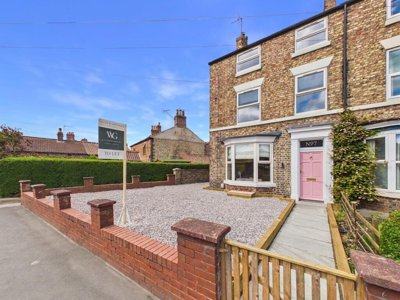
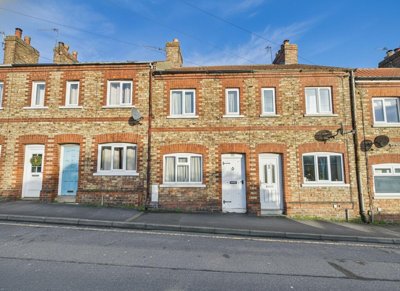
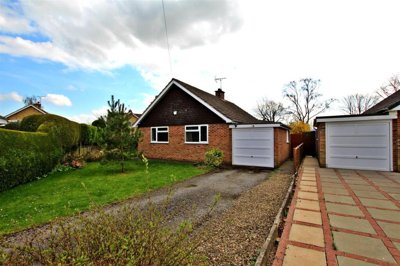
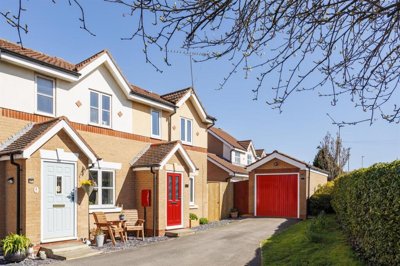
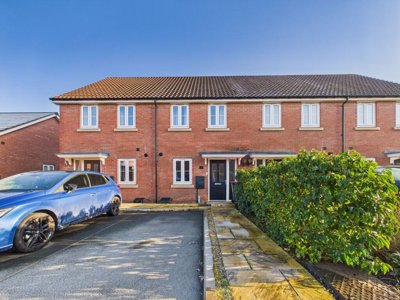
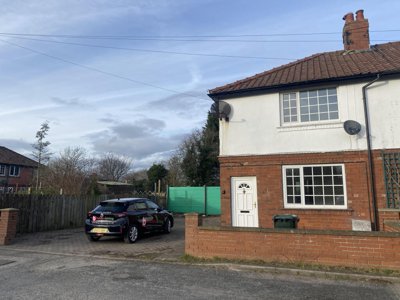
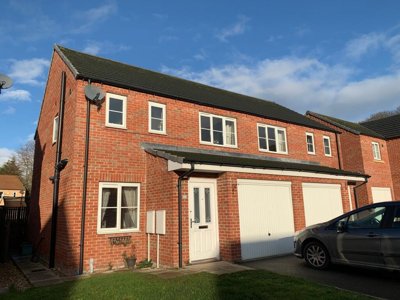
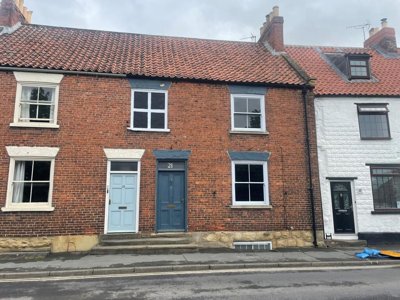
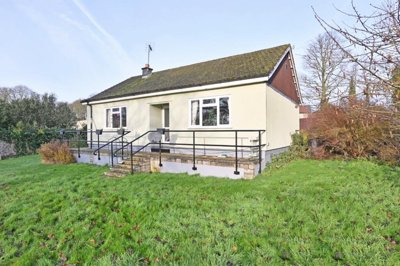
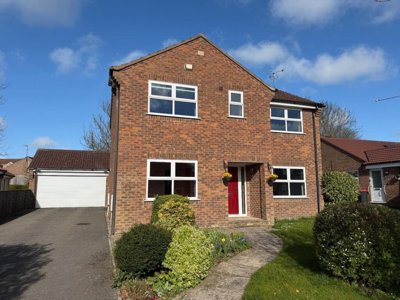
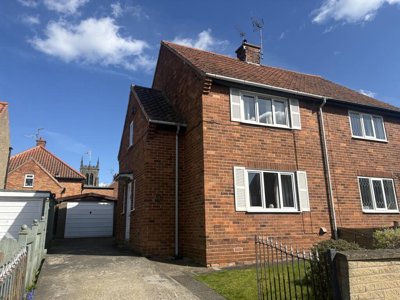
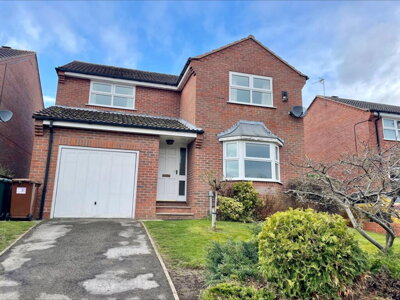
Browse 12 rental homes to rent in Norton-on-Derwent from local letting agents.
The Norton On Derwent property market offers detached, semi-detached, and terraced houses spanning various price ranges and neighbourhoods. Each listing includes detailed property information, photographs, and direct contact with the marketing agent.
In Norton-on-Derwent, the rental market mirrors wider North Yorkshire trends, with terraced homes making up a sizeable share of what is available. Our current listings put rents at £650 to £1,200 per month, depending on size, type, and condition. For first-time renters and young professionals, one and two-bedroom flats and terraced houses tend to sit between £650 and £850 per month. Detached family homes with gardens are usually higher, at £950 to £1,200 per month, and they bring the extra room many households need for children or a home office.
Looking at the local sales picture gives some useful context. Owner-occupied homes in Norton-on-Derwent have sold for an average of around £236,702 in recent years, while terraced properties average approximately £187,748 and semi-detached homes come in at around £242,281. Prices have moved up steadily over the past decade, but renting still costs less than in larger cities, so the town offers strong value compared with urban centres. That gap is one reason Norton-on-Derwent appeals to people who want to stretch their housing budget without giving up on quality of life.
Fresh supply is on the way too. An approved scheme for 645 homes at Beverley Road, next to Norton Lodge, will add more properties over the coming years. Barratt, David Wilson Homes, and Taylor Wimpey are behind the development, and it is set to include one, two, three, and four-bedroom homes. That could widen future rental choice. For now, the existing stock still gives us a broad spread, from smaller flats for singles to larger family houses with gardens.

Norton-on-Derwent has a genuinely friendly feel, and day-to-day life is helped by a solid mix of local amenities. In the town centre there are independent shops, pubs, cafes, and restaurants, while Malton, just over the River Derwent, is known as "Yorkshire's Food Capital" for its food markets, artisan producers, and restaurants. That makes it easy to enjoy a strong food scene without heading to a bigger city. Malton's weekly farmers markets also pull in visitors from across the region and show off some of Yorkshire's best produce.
The riverside setting gives the town much of its character. The River Derwent offers pleasant walking routes and fishing spots along the banks, and the Conservation Area, designated in 1999, protects the historic core of the town centre. Within it sit 20 Grade II listed buildings, including the distinctive railway station, St Peter's Church, and a number of old cottages and commercial premises. Red brick terraces and converted buildings here speak to the Victorian past, with many dating from the period after the railway arrived in the mid-19th century.
There is plenty of green space nearby as well. Well-kept parks and gardens sit within the town, and the wider North Yorkshire countryside opens the door to walking, cycling, and other outdoor pursuits. The North York Moors National Park is close enough for easy trips, and the Yorkshire coast can be reached within an hour's drive. Equestrian activities are part of the local picture too, with horse racing yards and training facilities nearby, and Malton racecourse hosting regular meetings through the season.

For renters, it helps to know how the local stock is built, because construction type affects maintenance, energy performance, and the kinds of problems a home may have. Semi-detached houses make up around 30% of the housing stock, terraced properties about 25%, and detached homes 35%. Flats and apartments account for the remaining 10%, most of them above shops in the town centre or within purpose-built developments.
Much of Norton-on-Derwent is built in traditional red brick, usually topped with slate or clay tile roofs. Older buildings, especially those put up before the 1850s, often used local limestone from quarries at the western and eastern ends of the village, with clay pantile roofs common on these heritage homes. Once the railway arrived in 1855, more materials came in more easily, and from the mid-Victorian period onwards red or polychrome facing brick, West Yorkshire stone, and blue Welsh slate became much more widespread.
Age matters here too. Roughly 20-25% of homes in Norton-on-Derwent were built before 1919, usually in the older centre of town and in conservation areas. Another 15-20% date from 1919 to 1945, and around 30-35% were built during post-war growth up to 1980. Put together, about 65-75% of the town's homes are now over 45 years old, so it is worth paying close attention to construction type and likely defects before renting.

Families will find a decent spread of education options in and around Norton-on-Derwent, from primary schools through to further education. Several primary schools serve the local community, and Ofsted ratings can be checked through the government website. It is sensible to look closely at catchment areas and school performance data before choosing where to rent, because popular schools can have long waiting lists for applications from outside the area.
For secondary school, many families look across the wider Ryedale area, where catchment boundaries shape who can get in. Malton School is one nearby option, along with other secondary schools within easy reach of Norton-on-Derwent. The horse racing industry gives the area a slightly different flavour as well, opening up equestrian careers and vocational routes, and local stables often offer work experience and apprenticeships for older students.
Older students have sixth form colleges and vocational training centres across the wider Ryedale district, and York adds still more further and higher education choices, all reachable on the regular train service. For families planning a move, school places should be part of the decision before any tenancy is signed, especially where children are nearing key stages such as secondary transfer or GCSE options. That planning can save a lot of stress later.

Transport is one of Norton-on-Derwent's biggest strengths for renters. Regular rail services run to York, Scarborough, and beyond, and the railway station itself, a Grade II listed building opened in 1855, gives access to the East Coast Main Line via York. That opens up straightforward connections to London, Edinburgh, and Newcastle. For people commuting to York, the roughly 25-mile trip can be done by train or by the A64 trunk road, with the train taking around 35 minutes.
Buses also play an important part in local travel. Services connect Norton-on-Derwent with surrounding villages and market towns across Ryedale, so those without a car are not left stranded. The X84 and other local routes link the town with Malton, Pickering, and the nearby countryside, while buses to York give another route into the city. Weekend and evening timetables can be thinner, so it is wise to check them carefully before relying on bus travel.
The A64 runs close to the town and gives direct road access to York and Leeds, which makes driving a practical option for commuters heading to either city. Traffic can be heavy at peak times, and holiday periods often bring extra congestion from people heading to the Yorkshire coast. Cycling is getting more attention too, with quiet country lanes popular for shorter commutes and secure cycle storage now available at the railway station.

Before starting a property search in Norton-on-Derwent, it helps to arrange a rental budget agreement in principle from a lender or mortgage broker if you think you may buy later on. Even if buying is not part of the plan, setting out monthly income and committed outgoings gives a much clearer picture of what can be afforded. Landlords and letting agents will also see that you are financially prepared, and that can stop disappointment when a viewing is outside your price range.
Take time to look at different parts of Norton-on-Derwent, from the historic Conservation Area by the river to newer developments at the edge of town. Schools, transport links, and amenities should all factor into the shortlist. For anyone worried about flooding, it is worth checking which streets sit in flood warning zones, including Scarborough Road, Church Street, and St Nicholas Street, before deciding where to focus the search.
Once a suitable property has been found, viewings can be arranged through local letting agents. For older homes, or those within Conservation Areas, a RICS Level 2 Survey is worth booking before committing to a tenancy. With approximately 65-75% of properties in Norton-on-Derwent now over 45 years old, a proper survey can pick up damp, roof problems, or structural movement that may not show during an ordinary viewing.
After choosing a rental home, the next step is the tenant application form, along with references, proof of income, and identification. Letting agents will then carry out referencing checks, which usually include credit searches, employment verification, and references from previous landlords. Having the paperwork ready in advance can speed things up, especially where there is competition and several applicants want the same property.
It is sensible to read the tenancy agreement closely, with particular attention to the deposit amount, rent payment schedule, term length, and any special conditions. The deposit must be protected in a government-approved scheme within 30 days of receipt, and written confirmation should follow from the landlord or letting agent. For homes in the Conservation Area or listed buildings, check whether any restrictions apply to decorations or alterations.
At the start of the tenancy, book the inventory check and record the property's condition carefully, with photographs where possible. Before moving into a new Norton-on-Derwent home, set up utility accounts, council tax registration with Ryedale District Council, and contents insurance. It is sensible to check whether the insurance covers flood risk too, given how close some homes are to the River Derwent and the area's history of groundwater flooding.
Renting in Norton-on-Derwent means keeping an eye on local factors that can affect day-to-day life. Flood risk is real for properties near the River Derwent, especially on Scarborough Road, Church Street, St Nicholas Street, Welham Road, and close to the river within flood warning zones. Flood walls built around 2003 help manage river flooding, but surface water and groundwater flooding can still happen during heavy rain. Groundwater may also appear along spring lines, particularly in the Sheepfoot Hill area, affecting properties some way from the river itself.
The town's Conservation Area status can bring restrictions on alterations, even for fairly small changes such as satellite dishes or painting exterior walls. Listed buildings need listed building consent for more substantial work. That matters if you want to personalise a rented home, so it is best to get clarity before signing any tenancy agreement. Letting agents should be able to say which homes sit in protected areas and what rules apply.
Because so much of the housing stock is older, renters should know the defects that come up most often in Norton-on-Derwent. Damp can be an issue, including rising damp where damp-proof courses have failed, penetrating damp from poor pointing or damaged roofs, and condensation caused by inadequate ventilation. On older slate or clay tile roofs, slipped or cracked tiles and failing leadwork are common. Homes on clay-rich soils may also be prone to subsidence or heave, especially where foundations are shallow or large trees are nearby. Electrical and plumbing systems in pre-1980s properties may need upgrading to meet modern standards.
Security deposits for Norton-on-Derwent rentals are capped at five weeks' rent under the Tenant Fees Act 2019, which is the most a landlord can legally ask for. That deposit has to go into a government-approved deposit protection scheme within 30 days of receipt, and the landlord must give prescribed information explaining which scheme holds it. A holding deposit may also be requested while the application is being processed, capped at one week's rent and usually deducted from the final deposit when you move in.
There are also moving-in costs to plan for, starting with the first month's rent in advance, which is usually due before occupation. Depending on the agent, there may be fees for referencing, right-to-rent checks, and inventory services. Under the Tenant Fees Act, tenants are normally responsible only for their own utility bills, council tax, and contents insurance, while landlords cover most other costs. Keeping those initial expenses in mind alongside the rent and deposit makes the move into a Norton-on-Derwent home much smoother.
Council tax in Norton-on-Derwent is handled by Ryedale District Council, and the band runs from A through to H based on the property's assessed value. Most terraced homes and smaller properties fall into bands A to C, while larger detached houses may sit in the higher bands. The exact band for a property can be checked through the Valuation Office Agency website using the address. Homes in bands A to C usually attract annual council tax charges of between approximately £1,200 and £1,600.
Current market data shows one and two-bedroom terraced houses and flats in Norton-on-Derwent usually rent for around £650 to £850 per month. Larger three-bedroom semi-detached and detached family homes typically achieve £950 to £1,200 per month, with exact pricing shaped by condition, location, and how close the property is to the River Derwent. Rent levels have stayed fairly steady in recent years, which reflects ongoing demand from people drawn to the town's transport links, community facilities, and major employers including the Karro Food Group factory.
Ryedale District Council administers properties in Norton-on-Derwent, and council tax bands run from A through to H according to the property's assessed value. Most terraced properties and smaller homes sit in bands A to C, while larger detached homes with higher market values may land in the higher bands. You can check the exact band for any address through the Valuation Office Agency website, and your letting agent should also be able to confirm it before you commit to a tenancy.
Several primary schools serve Norton-on-Derwent, and Ofsted ratings are available through the government website, with direct school enquiries also useful for the latest details. Secondary places are usually found across the wider Ryedale area, where catchment boundaries decide eligibility. Parents should check current performance data and admission policies, because popular schools can have long waiting lists for out-of-area applications. For older students, the horse racing industry creates useful vocational routes for those interested in equestrian careers.
Norton-on-Derwent has its own railway station with regular services to York, Scarborough, and destinations on the East Coast Main Line. The trip to York takes about 35 minutes, so commuting into the city is realistic for many workers. Bus services also run to Malton, Pickering, and villages across Ryedale. For drivers, the A64 gives direct road access to York and Leeds, though peak-hour and holiday traffic can be busy.
For renters seeking a balanced North Yorkshire lifestyle, Norton-on-Derwent offers a very good quality of life. The town combines everyday convenience with a historic riverside setting, and the Conservation Area protects 20 listed buildings that help keep its heritage feel intact. Major employers such as the Karro Food Group provide stable work for over 2,000 workers, while York is close enough to open up more career options via the regular train service. A strong community spirit and lower rents than major cities make the town appealing to families and professionals who want more room for their money.
Standard deposits on rental homes in Norton-on-Derwent are capped at five weeks' rent under the Tenant Fees Act 2019, and landlords must place that money in a government-approved protection scheme within 30 days. The first month's rent is also usually paid in advance before move-in. Other permitted charges may include referencing fees, right-to-rent checks, and an inventory check fee. A full cost breakdown should always be requested before any rental application goes ahead, so there are no surprises.
Homes close to the River Derwent in Norton-on-Derwent sit within flood warning areas, especially those on Scarborough Road, Church Street, St Nicholas Street, Welham Road, and near the Railway Land. Flood walls built around 2003 help with river flooding, but surface water and groundwater flooding can still happen in heavy rain. Groundwater can also emerge along spring lines, particularly around the Sheepfoot Hill area. Renters should check the Environment Agency flood risk maps using the property address and raise any worries with the landlord before signing a tenancy.
During viewings in Norton-on-Derwent, keep a close eye out for damp, which is common in older homes because of the local climate and the river nearby. Check roofs with slate or clay tile coverings for slipped or damaged tiles. For properties built before 1980, ask about the condition of electrical wiring and plumbing systems. If the home is in the Conservation Area or is listed, find out which changes may be restricted during the tenancy. Given the clay soils locally, look for signs of structural movement such as cracks in walls or doors that stick.
Properties to Rent In London

Properties to Rent In Plymouth

Properties to Rent In Liverpool

Properties to Rent In Glasgow

Properties to Rent In Sheffield

Properties to Rent In Edinburgh

Properties to Rent In Coventry

Properties to Rent In Bradford

Properties to Rent In Manchester

Properties to Rent In Birmingham

Properties to Rent In Bristol

Properties to Rent In Oxford

Properties to Rent In Leicester

Properties to Rent In Newcastle

Properties to Rent In Leeds

Properties to Rent In Southampton

Properties to Rent In Cardiff

Properties to Rent In Nottingham

Properties to Rent In Norwich

Properties to Rent In Brighton

Properties to Rent In Derby

Properties to Rent In Portsmouth

Properties to Rent In Northampton

Properties to Rent In Milton Keynes

Properties to Rent In Bournemouth

Properties to Rent In Bolton

Properties to Rent In Swansea

Properties to Rent In Swindon

Properties to Rent In Peterborough

Properties to Rent In Wolverhampton

Enter your details to see if this property is within your budget.
Loans, cards, car finance
Estimated property budget
Borrowing + deposit
You could borrow between
Typical borrowing
Monthly repayment
Est. at 4.5%
Loan-to-value
This is an estimate only. Your actual budget may vary depending on interest rates, credit history, and personal circumstances. For an accurate affordability assessment, speak to one of our free mortgage advisors.
This calculator provides estimates for illustrative purposes only and does not constitute financial advice. Your home may be repossessed if you do not keep up repayments on your mortgage. Estimates based on 4.5% interest rate, repayment mortgage. Actual rates depend on your circumstances.
Homemove is a trading name of HM Haus Group Ltd (Company No. 13873779, registered in England & Wales). Homemove Mortgages Ltd (Company No. 15947693) is an Appointed Representative of TMG Direct Limited, trading as TMG Mortgage Network, which is authorised and regulated by the Financial Conduct Authority (FRN 786245). Homemove Mortgages Ltd is entered on the FCA Register as an Appointed Representative (FRN 1022429). You can check registrations at NewRegister or by calling 0800 111 6768.

We use cookies to show you personalised content and improve your experience of our website. Find out more in our Privacy policy and Cookie policy.