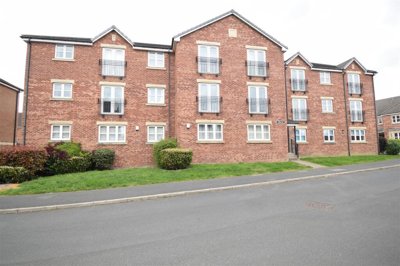
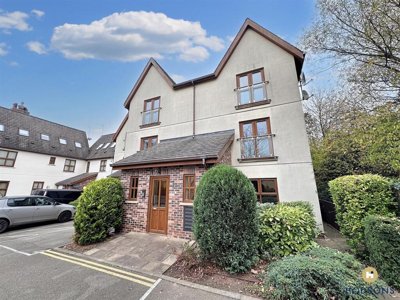
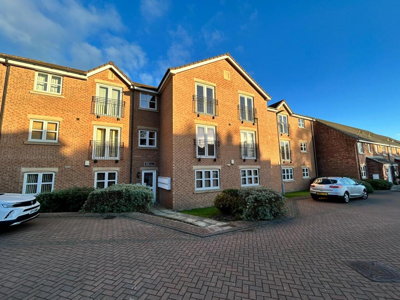
Browse 4 rental homes to rent in Normanton and Altofts from local letting agents.
The 2 bed flat sector typically includes two separate bedrooms, dedicated living areas, and bathroom facilities. Properties in Normanton And Altofts span purpose-built blocks, converted period houses, and modern apartment complexes on various floors.
Normanton and Altofts have a rental market shaped by a broad mix of homes, from older streets to newer schemes, and that shows up in the sales figures too. Normanton averages around £212,240 to £238,071 for residential sales, while Altofts tends to sit a little higher at approximately £245,000. For context, terraced houses are commonly around £160,000 to £167,000, semi-detached homes sit in the £200,000 to £237,000 range, and larger detached properties can reach £312,000 to £325,000. Those figures help frame rental valuations, because what landlords can charge is tied closely to demand, local yields, and the type of stock available each month.
Fresh rental and ownership choices are coming through two major new-build schemes. Taylor Wimpey’s Frobisher Meadows on Station Road in Altofts is a 406-home development with apartments, bungalows, and two to four-bedroom houses priced from £304,995 to £394,995. On Wharfedale Drive (WF6 2TL), Avant Homes is building Altofts Acres, an 83-home scheme with one to four-bedroom options at £194,995 to £379,995, and the first residents are expected from February 2026. Together, they add modern homes to the local pool and point to confidence in Normanton and Altofts as places to live. The market has also stayed active, with Normanton recording around 236 residential property sales in the past year.
Housing here spans several eras, from Victorian terraces built for mining families through to sleek homes on newer estates. Mellow red brick is the main architectural theme, a reminder of the brick-making industry that kept going until 2011. Some older properties are finished in painted brick or natural ironstone, while listed buildings such as The Manor House show traditional coursed squared sandstone construction. That mix matters, because materials influence thermal mass, upkeep, and the sort of defects tenants may come across when comparing rental homes.

Industrial history still shapes the feel of Normanton and Altofts. Both places were once major coal mining centres, and at their height the local collieries employed over 10,000 men during the Yorkshire coal industry’s peak. You can still see that legacy in the long rows of terraces, originally built for mining families and later generations. Altofts in particular had long runs of three-storey terraced houses, the sort that helped create the Victorian working-class communities behind the neighbourhood’s character. Brick-making also left its mark, with the former Normanton Brick Co Ltd operating in Altofts until 2011.
The civil parish of Normanton and Altofts has a population of approximately 20,872 residents, which gives the area a strong local identity. It also has a conservation area, designated in 1994, that protects the historic centre and its mix of mellow red brick buildings, varied styles, and traditional materials. Among the key listed buildings are The Manor House, a Grade II listed property dating from 1629, and the Church of All Saints, which holds Grade II* status. The Aire and Calder Navigation runs through the parish too, with Stanley Ferry Aqueduct (Grade I listed), Birkwood Lock, Kings Lock, and Wood Nook Lock all adding to the area’s waterway heritage.
Day-to-day life is underpinned by employment and services around the Eurolink Industrial Estate at M62 Junction 31, which has drawn in major distribution firms and brought more jobs into the local economy. Residents also look to Wakefield Europort’s Tuscany Park industrial estate in neighbouring Altofts for work. Being set between Leeds and Wakefield opens up options in both cities, while the local industrial estates cut down the need for long journeys. Around town, pubs, sports clubs, and community centres keep things sociable, and many long-term residents point to that sense of belonging as a big reason for staying put.

Families renting in Normanton and Altofts will find a workable spread of primary and secondary schools nearby. Several primary schools serve different age groups, and many are in buildings that nod to the area’s Victorian past. For secondary education, pupils usually travel into the wider Wakefield district, where schools serve the Normanton and Altofts catchment. Wakefield city centre and the surrounding towns also mean there are extra choices within reach, including grammar schools and academies across the wider region. It is sensible to check catchment areas and admission rules carefully, as they can make a real difference to the options open to renting families.
Some educational buildings in the area are listed or otherwise historically notable, so the built environment reaches into school life too. For families weighing up secondary schools, Leeds, Castleford, and Ossett are all accessible for the daily run thanks to good transport links. Arriva bus services connect Normanton with nearby towns and work for school journeys as well as commuting. Sixth form provision sits within secondary schools across the wider area, and Wakefield’s further education colleges add vocational and academic routes for older students.
Youth clubs, sports clubs, and after-school activities add another layer to community life, with events run through community centres and religious buildings offering social and educational support beyond the classroom. The Normanton Athletics Track and a number of football clubs give young people sporting outlets, while scout groups and guides provide activities that build confidence and character. Homes in the catchments of well-rated schools often attract stronger rents, so school access should sit high on the search list. We would always suggest checking the latest Ofsted reports and speaking to schools directly for the clearest picture.

For renters who commute, transport is one of Normanton and Altofts’ strongest cards. The M62 runs through the area, and Junction 31 gives direct access to the Eurolink Industrial Estate as well as easy routes to Leeds, Manchester, and the wider motorway network. By car, Leeds is usually 25 to 35 minutes away outside peak hours, which makes the area a cheaper alternative to living in the city itself. The location between Leeds and Wakefield also opens up job opportunities in both places, while the local industrial estates offer work without the long haul. Arriva and other bus operators run services into surrounding towns for those who prefer public transport.
Rail links from nearby stations add another useful layer of flexibility, with services into Leeds, Wakefield, and further afield across the regional network. The Calder Valley railway viaduct, which carries trains over the River Calder, is a striking piece of infrastructure and a reminder of how long the area has mattered as a transport hub. Stations across the wider area connect residents to northern cities including Leeds, Manchester, Sheffield, and York. Leeds Bradford Airport is also within reach, accessible via the M62 and A1 corridor.
Cyclists can make use of local roads and traffic-free routes, though the hilly Yorkshire landscape does mean a bit of fitness helps. The Aire and Calder Navigation towpath gives scenic walking and cycling routes, linking the area with the countryside and nearby communities. Parking is a mixed picture, with on-street spaces common in terraced streets and easier parking in newer developments. For those heading into Leeds city centre, park-and-ride sites at motorway junctions can cut both cost and stress. All in all, the area offers road, rail, and active travel options that are impressive for a settlement of this size.

Speak to mortgage brokers or financial advisors first so we can work out what you can afford to spend on monthly rent. Getting a budget agreement in principle before you view properties will sharpen your search and stop you wasting time on homes that are out of reach. Most rental properties in Normanton and Altofts sit in council tax bands A through C, and almost 60 percent of households are in Band A, which keeps ongoing costs lower than many tenants expect.
It pays to look at different parts of Normanton and Altofts before settling on a home. Think about your commute, nearby schools if you have children, local shops, and transport links. Character terraces near the conservation area feel very different from modern homes on developments like Frobisher Meadows and Altofts Acres. Each part of the area has its own pace, with Normanton town centre offering established businesses and the newer estates bringing a more contemporary feel.
View more than one property so you can compare condition, size, and rental value properly. Ask landlords about lease terms, what bills are included, who handles maintenance, and whether pets or smoking are restricted. Make notes and take photographs, because they make comparison easier later on. Older homes deserve extra scrutiny, so check for damp, the state of the roof, and the age of the electrics and heating, all of which can affect your costs as a tenant.
Before moving in, arrange a detailed inventory check so the property and its contents are properly recorded. It gives both tenants and landlords clear evidence of the condition at the start and end of the tenancy, which helps settle deposit disputes fairly. Professional inventory services usually cost from £75, and that outlay can save a great deal of trouble later on.
Landlords or letting agents will usually want references, credit checks, and proof of income before they offer a tenancy. We would urge you to read the tenancy agreement closely, including the deposit amount, notice periods, and any fees. First-time renters should also know that deposit rules have changed and now offer better protection than before. Your deposit must be protected in a government-approved scheme within 30 days of receiving it.
Renting in Normanton and Altofts does mean keeping an eye on a few local factors that could affect the tenancy. The clay-rich soils in the area carry a potential shrink-swell hazard, which can contribute to subsidence in older homes with shallow foundations. That risk is not unique here, and most properties are perfectly sound, but anyone viewing an older house should look for cracking around door frames, windows, and extension joints. Homes in the conservation area may also face planning restrictions on alterations, so it is wise to clarify any limits with the landlord before you commit.
Flood risk is another point to check, especially given the proximity to the River Calder and the Aire and Calder Navigation system. Surface water flooding can happen during intense rainfall, and the Lead Local Flood Authority monitors groundwater levels in the area. Properties near the waterways or in lower-lying spots may face a higher risk, so it makes sense to ask about previous flooding and any resilience measures in place. New-build schemes like Frobisher Meadows and Altofts Acres will have gone through flood risk assessments as part of planning consent, which gives some reassurance on those estates.
The mellow red brick tradition usually produces solid, warm homes, but older properties can still have outdated wiring or heating systems that push up utility bills. Victorian terraces, in particular, may benefit from insulation upgrades and modern heating that were never originally fitted. When you view, ask how old the boiler is, what condition the electrical consumer unit is in, and whether any insulation work has been done. Solid-wall homes, typical of pre-1919 construction, need different insulation thinking from cavity-wall houses built from the 1920s onwards. Knowing those details helps with budgeting and with anticipating what you may need to raise with the landlord.

Renting in Normanton and Altofts is about more than the monthly rent figure, so we always suggest planning for the full financial picture. Your security deposit, capped at five weeks' rent under current legislation, has to go into a government-approved deposit protection scheme within 30 days of the tenancy starting. That gives you a route to challenge deductions if there is a dispute at the end of the tenancy over damage or unpaid rent. In this area, most deposits will be in the £875 to £1,600 range, depending on the monthly rent agreed. You should also receive clear information on how the deposit is protected and how it will be returned when you move out.
Beyond the deposit, first-time renters need to budget for a few one-off costs that can build up quickly. Most letting agents charge referencing fees to process an application, usually £50 to £200 per applicant, which covers credit checks and employment verification. Some landlords ask for a holding fee to take the property off the market while references are checked, and this is usually deducted from the first month’s rent if the application is successful. The first month’s rent is typically paid in advance, often by bank transfer shortly before the tenancy begins. Moving costs, such as van hire or removals, should also be included in the total.
Council tax in Normanton and Altofts is set by Wakefield Metropolitan Borough Council, and almost 60 percent of local households are in Band A, which means many renters benefit from the lowest district rates. EPCs are required for rental homes, and the rating can have a noticeable effect on utility bills. Newer developments such as Frobisher Meadows and Altofts Acres tend to score better because they are built to modern standards with better insulation. The sensible move is to get a full breakdown of all expected costs from the landlord or letting agent before you commit, so you can plan properly for a smooth move into a new Normanton or Altofts home.
Rental figures in Normanton and Altofts vary by property type and condition, but the sales market gives a useful steer on likely values. Terraced houses worth around £160,000 to £167,000 often attract monthly rents of £700 to £900, while semi-detached homes in the £200,000 to £237,000 range may let for £900 to £1,100 per month. Detached homes valued at £312,000 or more can bring in rental income of £1,200 to £1,600 monthly. What you actually pay will still come down to location within the area, the condition of the property, the number of bedrooms, and what is included. New homes at Frobisher Meadows and Altofts Acres may command higher rents because of their modern build and energy efficiency.
All homes in Normanton and Altofts fall under Wakefield Metropolitan Borough Council, which sets council tax according to valuation bands from A to H. Local data shows that almost 60 percent of households in the Normanton and Altofts area are in Band A, so this is one of the more affordable council tax areas in the district. Band A homes usually pay the lowest rates, which is good news for renters keeping a close eye on monthly outgoings. You can check the council tax band for any specific property through the Valuation Office Agency website before you agree to a tenancy. Bills also include charges for West Yorkshire Police, the fire service, and local precept funding for Normanton Town Council.
We advise families to look at current school performance data and catchment areas through official channels such as the Ofsted website, because admissions policies and school quality can change over time. Primary schools are available within Normanton and Altofts itself, while secondary schools serve the wider catchment. Families willing to travel also have schools across the wider Wakefield district and nearby towns to consider. Local education can make a real difference to rental demand, with homes in popular catchments often seeing stronger tenant interest and sometimes higher rents. Checking the latest inspection reports or speaking directly to schools will give you the most up-to-date information.
Bus services run by Arriva and other providers link Normanton and Altofts with Leeds, Wakefield, Castleford, and neighbouring towns, giving regular options for commuting and shopping. The nearest railway stations connect into the regional rail network, with Leeds and Manchester services available from stations in the wider area. The M62 sits close by, and Junction 31 gives direct access for drivers. For anyone working in Leeds city centre, the journey is typically 25 to 35 minutes by car outside peak periods. Park-and-ride sites at motorway junctions can reduce city-centre driving costs, and Leeds Bradford Airport is about 45 minutes away by car for international travel.
Normanton and Altofts are a strong-value choice for renters looking for affordable housing in a well-connected West Yorkshire location. The area brings together competitive rents, good transport links, local amenities, and a real sense of community. Residents are close to major employment centres in Leeds and Wakefield, while the M62 corridor opens up opportunities across the north of England. Housing ranges from characterful Victorian terraces to modern new-build homes, so there is something to suit different budgets and tastes. Ongoing work at Frobisher Meadows and Altofts Acres shows continued investment in local infrastructure and amenities, which is encouraging for people planning to stay long term. With almost 60 percent of properties in the lowest council tax band, day-to-day costs remain lower than in many nearby places.
Under current tenant protection law, deposits for rental homes are capped at five weeks' rent where the annual rent is less than £50,000. Most homes in Normanton and Altofts will fall into that bracket, so the deposit will usually sit between £875 and £1,600, depending on the monthly rent agreed. Your deposit has to be protected in a government-approved scheme within 30 days of receipt, and the landlord must tell you which scheme is being used. You should also plan for the first month’s rent in advance, any referencing fees, usually £50 to £200, and possibly a holding fee to secure the property. Unlike the position for first-time property buyers, there is no government relief scheme for tenant deposits, so getting a clear breakdown of all costs before you sign the tenancy agreement will help you plan the move.
From 4.5%
Get expert advice on what you can afford to spend on rent each month
From £25
Credit checks and employment verification for rental applications
From £75
Professional documentation of property condition to protect your deposit
From £80
Energy performance certificate required for all rental properties
Properties to Rent In London

Properties to Rent In Plymouth

Properties to Rent In Liverpool

Properties to Rent In Glasgow

Properties to Rent In Sheffield

Properties to Rent In Edinburgh

Properties to Rent In Coventry

Properties to Rent In Bradford

Properties to Rent In Manchester

Properties to Rent In Birmingham

Properties to Rent In Bristol

Properties to Rent In Oxford

Properties to Rent In Leicester

Properties to Rent In Newcastle

Properties to Rent In Leeds

Properties to Rent In Southampton

Properties to Rent In Cardiff

Properties to Rent In Nottingham

Properties to Rent In Norwich

Properties to Rent In Brighton

Properties to Rent In Derby

Properties to Rent In Portsmouth

Properties to Rent In Northampton

Properties to Rent In Milton Keynes

Properties to Rent In Bournemouth

Properties to Rent In Bolton

Properties to Rent In Swansea

Properties to Rent In Swindon

Properties to Rent In Peterborough

Properties to Rent In Wolverhampton

Enter your details to see if this property is within your budget.
Loans, cards, car finance
Estimated property budget
Borrowing + deposit
You could borrow between
Typical borrowing
Monthly repayment
Est. at 4.5%
Loan-to-value
This is an estimate only. Your actual budget may vary depending on interest rates, credit history, and personal circumstances. For an accurate affordability assessment, speak to one of our free mortgage advisors.
This calculator provides estimates for illustrative purposes only and does not constitute financial advice. Your home may be repossessed if you do not keep up repayments on your mortgage. Estimates based on 4.5% interest rate, repayment mortgage. Actual rates depend on your circumstances.
Homemove is a trading name of HM Haus Group Ltd (Company No. 13873779, registered in England & Wales). Homemove Mortgages Ltd (Company No. 15947693) is an Appointed Representative of TMG Direct Limited, trading as TMG Mortgage Network, which is authorised and regulated by the Financial Conduct Authority (FRN 786245). Homemove Mortgages Ltd is entered on the FCA Register as an Appointed Representative (FRN 1022429). You can check registrations at NewRegister or by calling 0800 111 6768.

We use cookies to show you personalised content and improve your experience of our website. Find out more in our Privacy policy and Cookie policy.