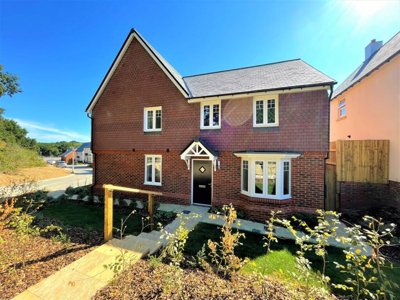
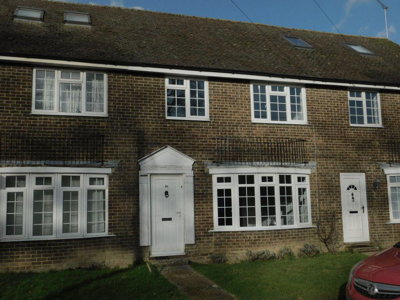
Browse 2 rental homes to rent in Ninfield, Wealden from local letting agents.
Three bedroom properties represent a significant portion of the Ninfield housing market, offering space for families with multiple reception rooms and gardens in many cases. Browse detached, semi-detached, and terraced options ranging from period character homes to contemporary developments.
£0/m
0
0
0
Source: home.co.uk
Showing 0 results for 3 Bedroom Houses to rent in Ninfield, Wealden.
Ninfield’s rental market is modest, which suits a village of this size, yet it still gives us a varied spread of homes for different budgets and household needs. For context, homedata.co.uk data from February 2026 shows average property values in Ninfield at approximately £499,000, with detached homes averaging £625,000 and semi-detached properties around £390,000. That sales picture points to premium rents for any comparable rental stock, helped by the village’s sought-after position in the Wealden district and its strong links to the surrounding towns.
We usually see a mix of traditional terraced cottages, semi-detached family houses and larger detached homes for rent in Ninfield, and the strong presence of detached stock reflects the village’s semi-rural feel. Housing age varies too, with a notable amount of pre-1919 property, especially in the Conservation Area around Church Lane, alongside inter-war and post-war homes on the edge of the village. It gives renters a proper choice, from period homes with original features to newer family houses with more up-to-date fittings and insulation standards.
Over the last twelve months, 30 property sales were completed in the area, which suggests a healthy level of activity and helps underpin the rental market as well. Rent in Ninfield will still depend on size, condition, garden space and how close a property sits to village amenities, with family homes usually fetching more than one or two-bedroom places. Larger detached homes are likely to sit in the £1,500 to £2,500 per month range, depending on condition and specification. One and two-bedroom properties usually fall between £800 and £1,200 per month, giving singles and couples a more accessible route into village life.

Village life in Ninfield still runs to a fairly traditional rhythm, with local events, parish activity and a shared liking for the surrounding countryside bringing people together. We find the centre of gravity sits around historic Church Lane, part of the designated Conservation Area and home to several period properties, St Mary's Church and a village atmosphere that has survived the years rather well. Residents also have a village shop, a welcoming public house and a range of community facilities, so day-to-day needs can usually be met without heading to a larger centre.
Ninfield’s demographic make-up is a good mix, with families drawn by the quiet setting and schooling, professionals commuting to nearby towns and older residents who have lived here for years. A population of 1,354 makes for a close-knit community where people tend to recognise one another, and local events have a genuine chance of bringing everyone out across the year. Outdoor life is a big part of it too, with footpaths across the farmland, bridleways for riders and nearby Battle and Herstmonceux opening up more places to walk and ride. The Combe Haven valley adds scenic routes into the bargain, so anyone who likes the English countryside has plenty to work with.
For culture and a bit of entertainment, Battle is close by, with its abbey and battlefield visitor attraction, while Bexhill-on-Sea and Hastings bring galleries, theatres, restaurants and beaches within a short drive. Eastbourne, a little further along the coast, adds larger supermarkets and a broader spread of shops and services. Back in the village, regular events, village hall activities and sporting clubs help keep the community spirit alive for residents of all ages.

Education in Ninfield centres on the local primary school, which serves children from the village and the surrounding rural area and gives a solid base for early learning. For families renting here, schooling is often one of the first things we look at. Ninfield Primary School takes children from reception through to Year 6, and its smaller setting means class sizes can allow for more personal attention and close teacher-pupil links. Parents should check the current catchment arrangements and admission policies directly with East Sussex County Council, as these can change and may affect which schools cover a specific address.
Secondary choices for Ninfield children include schools in nearby Battle, including Battle Abbey School, which runs both primary and secondary phases, as well as other secondary schools in the wider area reached by school transport. Battle itself offers several options, from academy schools to faith schools and, in some parts of East Sussex, selective grammar schools where entry depends on academic selection. School buses do serve families in the village, although parents should keep those journey times in mind when weighing up homes further from the school.
Nursery and preschool provision may be available in the village or in neighbouring communities for families with younger children, giving early years support before primary age. Sixth form and further education options sit in Hastings, Eastbourne and Battle, and the bus connections make it possible for older students to reach a wider range of opportunities without having to move. We always suggest that parents visit local schools, speak to headteachers where possible and read current Ofsted inspection reports before making a final decision.

Transport from Ninfield gives you the best of both worlds, village living with workable access to road and rail links across the region. The village sits approximately three miles from Battle, where Battle railway station offers regular services to London Charing Cross via the East Coastway line. From Battle, journey times to London usually range from approximately 90 minutes to two hours, so commuting to the capital is realistic for people who want a village base. That rail link also opens up Brighton, Eastbourne, Hastings and other south coast destinations.
Road travel is straightforward enough too. The A2690 and A271 connect Ninfield with Battle, Bexhill-on-Sea and the wider Sussex road network, while the A259 coastal road gives an alternative route to Eastbourne and Brighton. For trips towards Tunbridge Wells or the M25 motorway, the A21 provides access to London and the national motorway network beyond. For anyone working in Hastings or Eastbourne, a daily car commute is entirely workable, usually taking 20-30 minutes depending on traffic and the exact starting point in Ninfield.
Local buses run by Stagecoach and other providers link Ninfield with surrounding villages and towns, which gives a decent alternative to car use for people who do not drive or would rather leave the car at home. Services into Battle and Bexhill-on-Sea open up more shopping, healthcare and employment options. If air travel matters, Gatwick Airport is approximately 50 miles to the north-west via the M23 and A23, while Brighton Airport offers limited commercial flights a little closer in. Cyclists should expect some hills on rural roads, but the routes are scenic, and shorter rides into nearby towns can work well as a healthy commute.

Before we start looking, get a rental budget agreement in principle from a financial provider. It confirms how much rent you can afford and shows landlords that you are a serious applicant. Make sure the application includes all monthly income, existing commitments and the moving costs you expect to face.
Search home.co.uk for available properties to rent in Ninfield and set up instant alerts for new listings that match our criteria. It also pays to contact local letting agents across the Wealden area, since they often list homes before they appear on larger portals. Move quickly when the right property comes along, because the village rental market can shift fast.
Once you have a shortlist, arrange viewings and use them to judge the property condition, the feel of the neighbourhood and how close the local amenities are. Look closely for damp, worn fixtures and fittings, and any maintenance issues that may need attention after you move in. We also recommend taking photographs and notes at each viewing, as that makes comparisons much easier later on.
Because Ninfield sits on Wealden Clay geology and also has Conservation Area status, it is sensible to think about how those local factors could affect a tenancy. Homes in the Conservation Area may face planning restrictions on alterations, while properties on clay soils can be more prone to subsidence or heave in extreme weather. It is worth raising these points with the landlord or letting agent before you commit.
After you have chosen a property, the landlord or letting agent will normally ask for referencing checks, including credit checks, employment verification and landlord references if you have rented before. You will also need to pay a deposit, usually equal to five weeks' rent, and sign a tenancy agreement setting out the terms of the occupation.
Before collecting the keys, carry out a full inventory check and record the condition of every room, fixture and fitting. Take photographs of any wear or existing damage, and keep copies of all the paperwork for your own records. That way, if there is ever a dispute when you move out, you have clear evidence of the property’s condition at the start of the tenancy.
Renting in Ninfield brings a few local factors that are different from an urban let, especially around the built environment, local geology and planning. The Wealden Clay geology in the area means some properties can be more vulnerable to subsidence or ground movement during spells of very wet or very dry weather, which may affect foundations and structural integrity over time. We would always look out for cracks in walls or doors that stick, as those can point to ground movement that deserves further investigation before a tenancy is signed.
The age of Ninfield homes varies quite a bit, and that shows in the way they are built. Older properties often use traditional brickwork, including local Sussex red brick, timber frames, solid wall construction and slate or clay tile roofs. Properties built before 1919 may have electrics that no longer meet current safety standards, and solid wall construction can lead to damp if ventilation or insulation is not up to scratch. Mid-century homes built between 1919 and 1980 usually have cavity wall brick construction and concrete tiles, although some still keep original heating systems or plumbing that need updating.
Ninfield’s Conservation Area, especially around Church Lane and the historic village centre, brings an extra layer of planning consideration for renters. Homes within or beside Conservation Areas may have restrictions on external alterations, additions or modifications that landlords or tenants might otherwise expect to make. If we were planning to personalise a rental home, we would check the Conservation Area status and the related planning restrictions with Wealden District Council before signing anything. Listed buildings, including the Grade I St Mary's Church and various Grade II listed residential and agricultural buildings, are under even tighter controls that shape what changes can be made.
Flood risk is another point to look at in Ninfield, especially for homes in low-lying spots or close to the Combe Haven stream. Heavy rainfall can lead to surface water flooding, while being near a watercourse brings a degree of fluvial flood risk that should be checked for each property. Looking at Environment Agency flood maps and talking through flood risk with landlords or letting agents gives us useful information before we commit. Basements and ground floor accommodation in flood-risk areas may also need specific insurance arrangements or extra precautions when the rain is persistent.

Broadband and mobile coverage matter just as much as bricks and mortar, so anyone moving to Ninfield should check the options before taking a tenancy. Rural locations can bring slower internet speeds and patchier phone signal, although many homes in the village do have access to fibre broadband services. A quick look at Ofcom's broadband checker for the exact address helps avoid surprises after moving in. Mobile coverage will depend on the network, and some parts of the village have weaker signal than others.
Parking varies across Ninfield, depending on the type of property and where it sits. Older homes in the Conservation Area may have very limited off-street parking, while newer developments on the edge of the village often include driveways or garages. Street parking is generally available across the village, although spaces near the school and village centre can tighten up during pick-up and drop-off times or when village events are on. Narrow lanes can also make life awkward for larger vehicles or anything towing a trailer.
Utility arrangements should be clear before any tenancy agreement is signed. Most rental homes in Ninfield will have mains electricity and gas, although some more remote properties may rely on alternative heating sources or oil-fired central heating rather than gas. Water comes to the village through South East Water, and sewage is handled by Southern Water through the mains drainage system in most areas. Rural properties may instead have private drainage systems such as septic tanks, and tenants need to understand their responsibilities for maintaining those.
For rental context, homedata.co.uk is helpful even though exact rental price data for Ninfield is not publicly available. February 2026 figures put average property values at approximately £499,000, with detached properties averaging £625,000 and semi-detached homes around £390,000. Rents for comparable homes would usually reflect those values, so one and two-bedroom properties are likely to fall between £800 and £1,200 per month, while larger family homes may sit between £1,200 and £2,500 per month depending on size, condition and specification. Local letting agents can also give current rental valuations based on the property itself and the stock available at the time.
For council tax, properties in Ninfield come under Wealden District Council and are placed in bands A through H according to their assessed value. Most traditional cottages and family homes in the village usually sit in bands C through E, while larger detached properties and some homes within the Conservation Area may fall into higher bands. Charges change each year according to Wealden’s budget requirements and the banding of the individual property, so we would always check the exact band with the landlord or letting agent.
Ninfield Primary School serves the village, taking children from reception through to Year 6 and giving the kind of focused attention that smaller village schools can offer. Secondary education in the surrounding area includes schools in Battle and the wider Wealden district, with school transport making them accessible. Families should confirm current admission policies and catchment arrangements with East Sussex County Council, since these can affect which schools serve a particular address. Looking at current Ofsted inspection reports can also help when weighing up educational options.
Public transport here is mainly provided by local bus routes to Battle, Bexhill-on-Sea and the surrounding villages, which gives residents without a car a regular way to get around. The nearest railway station is Battle, approximately three miles away, and it offers trains to London Charing Cross with journey times of approximately 90 minutes to two hours. Buses can take care of employment, shopping and amenity trips, although private car ownership still makes life easier given the rural setting and the thinner evening and weekend service frequencies.
For renters who want peace, community and access to the Sussex countryside, Ninfield makes a very strong case. Essential amenities include a shop, public house and community facilities, while the nearby larger towns provide fuller services, work opportunities and entertainment. The Conservation Area helps keep the village’s historic character intact, which will suit anyone who values traditional English architecture and a proper village atmosphere. For people working in Battle, Bexhill-on-Sea, Hastings or Eastbourne, or commuting to London from Battle station, Ninfield offers a useful balance of rural charm and practical connectivity.
Standard deposits for Ninfield rentals are usually set at five weeks' rent and protected in a government-approved deposit scheme for the duration of the tenancy. On top of that, renters should allow for referencing fees, which can run from £100 to £300 depending on the letting agent and how detailed the checks are. Some agents still charge administration fees, although they are less common now after regulatory changes. If this is our first rental, or if there is no previous rental history, we may need a slightly higher deposit or a guarantor. We would always ask for a full breakdown of all fees and charges before moving ahead with an application.
Broadband in Ninfield depends on the exact location, and homes nearer the village centre generally have the strongest options. Many properties now receive fibre-to-the-cabinet services with download speeds suited to home working and streaming, although some rural homes still rely on standard ADSL with slower speeds. We would check the predicted speed for a specific address using Ofcom's broadband checker before committing to a tenancy. Mobile coverage also changes from one network to another, with some providers performing better in different parts of the village.
Homes within or next to the Ninfield Conservation Area face planning controls that limit external alterations, additions and modifications. Tenants who want to change paint colours, add satellite dishes or carry out other external changes will need approval from Wealden District Council, and the process can take time. Properties near the Combe Haven may also sit within environmental protection zones with extra restrictions. If we were planning any changes to a rental property, we would discuss them with the landlord and check the planning status with the local authority before signing the tenancy agreement.
From 4.5% APR
Get pre-approved for our rental budget before we start viewing
From £99
Our referencing checks can help move a rental application along faster
From £80
Professional inventory to protect your deposit at check-out
From £85
Energy performance certificate for your rental property
Budgeting for a tenancy in Ninfield means looking well beyond the monthly rent. The deposit is the largest upfront cost, and for Assured Shorthold Tenancies in England it is usually set at five weeks' rent. For example, a property let at £1,200 per month would need a deposit of approximately £1,385, and that sum must be protected in a government-approved Tenancy Deposit Scheme within 30 days of receipt by the landlord. That protection gives you a route to get the deposit back at the end of the tenancy, minus any legitimate deductions for damage or unpaid rent.
Referencing fees cover the work involved in checking identity, running credit searches, confirming employment and obtaining references from previous landlords or employers. These charges usually fall between £100 and £300 per applicant, depending on the letting agent and how thorough the verification needs to be. Some agents still add administration fees for processing the tenancy, although many have moved away from them after industry pressure and regulatory guidance. Before we proceed with any application, we should always ask for a complete written breakdown of every fee and charge so there are no surprises.
Other costs to plan for in Ninfield include the first month's rent in advance, moving expenses, contents insurance for your belongings, and any utility connection charges for gas, electricity, water and broadband services. If you are taking a larger property or one with a garden, add in removals and any early purchases needed to furnish or equip the home. Renting here gives you a lot of flexibility compared with buying, so you can try village life without the long-term commitment and upfront costs that come with purchasing property in this desirable East Sussex location.
Properties to Rent In London

Properties to Rent In Plymouth

Properties to Rent In Liverpool

Properties to Rent In Glasgow

Properties to Rent In Sheffield

Properties to Rent In Edinburgh

Properties to Rent In Coventry

Properties to Rent In Bradford

Properties to Rent In Manchester

Properties to Rent In Birmingham

Properties to Rent In Bristol

Properties to Rent In Oxford

Properties to Rent In Leicester

Properties to Rent In Newcastle

Properties to Rent In Leeds

Properties to Rent In Southampton

Properties to Rent In Cardiff

Properties to Rent In Nottingham

Properties to Rent In Norwich

Properties to Rent In Brighton

Properties to Rent In Derby

Properties to Rent In Portsmouth

Properties to Rent In Northampton

Properties to Rent In Milton Keynes

Properties to Rent In Bournemouth

Properties to Rent In Bolton

Properties to Rent In Swansea

Properties to Rent In Swindon

Properties to Rent In Peterborough

Properties to Rent In Wolverhampton

Enter your details to see if this property is within your budget.
Loans, cards, car finance
Estimated property budget
Borrowing + deposit
You could borrow between
Typical borrowing
Monthly repayment
Est. at 4.5%
Loan-to-value
This is an estimate only. Your actual budget may vary depending on interest rates, credit history, and personal circumstances. For an accurate affordability assessment, speak to one of our free mortgage advisors.
This calculator provides estimates for illustrative purposes only and does not constitute financial advice. Your home may be repossessed if you do not keep up repayments on your mortgage. Estimates based on 4.5% interest rate, repayment mortgage. Actual rates depend on your circumstances.
Homemove is a trading name of HM Haus Group Ltd (Company No. 13873779, registered in England & Wales). Homemove Mortgages Ltd (Company No. 15947693) is an Appointed Representative of TMG Direct Limited, trading as TMG Mortgage Network, which is authorised and regulated by the Financial Conduct Authority (FRN 786245). Homemove Mortgages Ltd is entered on the FCA Register as an Appointed Representative (FRN 1022429). You can check registrations at NewRegister or by calling 0800 111 6768.

We use cookies to show you personalised content and improve your experience of our website. Find out more in our Privacy policy and Cookie policy.