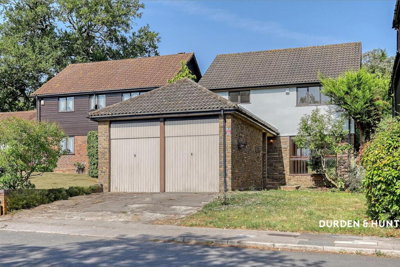
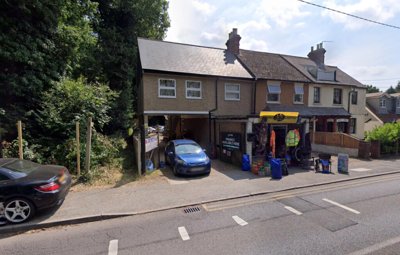
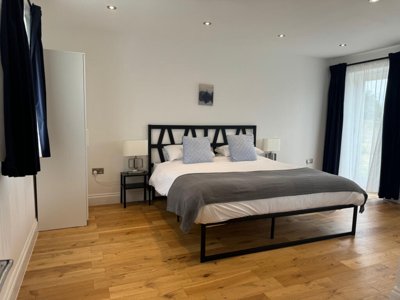
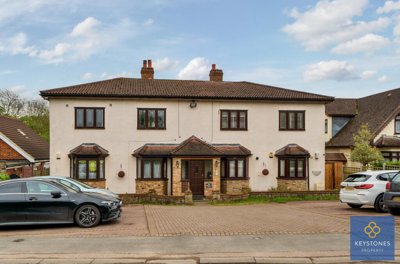
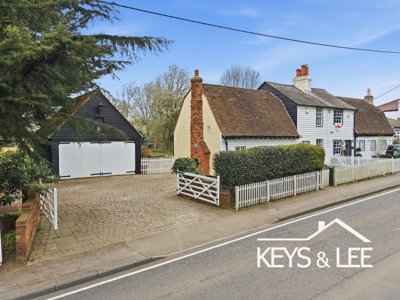
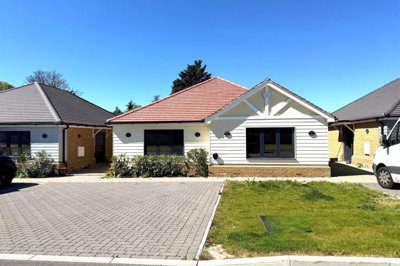
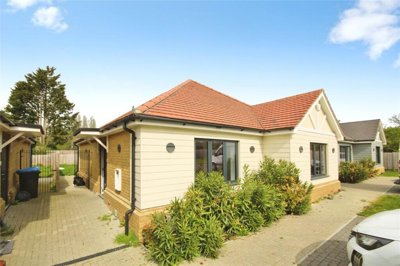
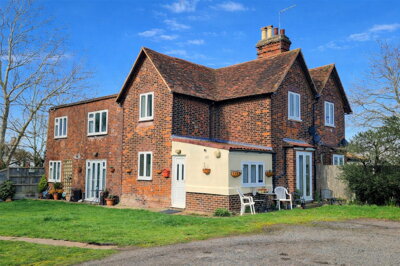
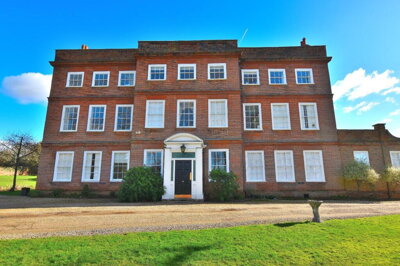
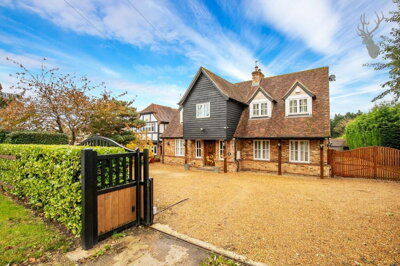
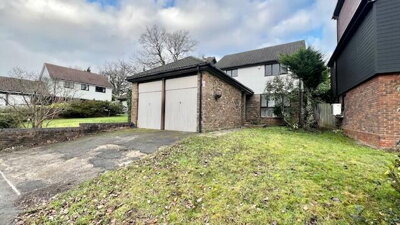
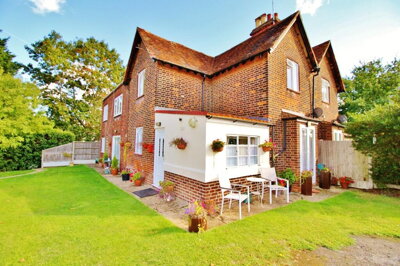
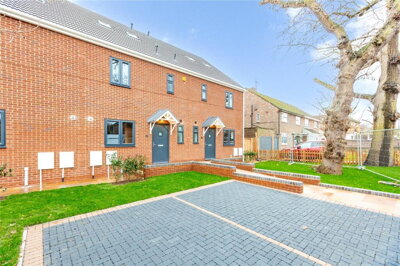
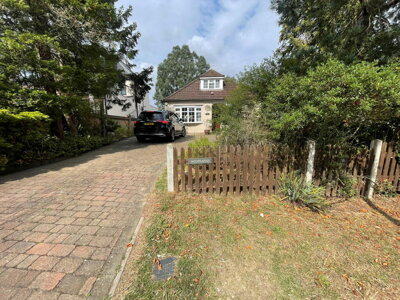
Browse 14 rental homes to rent in Navestock, Brentwood from local letting agents.
£0/m
0
0
0
Source: home.co.uk
Navestock’s rental market is shaped by its status as a sought-after rural village with straightforward access to London. Homes to let here are usually traditional cottages, converted farm buildings and substantial family houses with generous gardens. Much of the local stock is detached or semi-detached, with fewer terraced homes and apartments in the mix. Because new build activity in Navestock is limited by planning restrictions and the area’s rural character, most rentals are older places, often with period details such as exposed beams, inglenook fireplaces and original timber flooring.
Recent sales put average house prices in Navestock at around £853,154, while Navestock Heath comes in at £624,316. Values shift noticeably by property type. Semi-detached homes generally sell for £603,742 to £712,115, detached properties average about £803,339, terraced homes sit between £431,000 and £458,586, and flats reach roughly £306,973. That price profile feeds through to the lettings market, so rents are stronger than in more urban areas, but the trade-off is space, larger plots and the sort of character a historic Essex village is known for.
Rental supply in Navestock is tight all year, and homes do not usually sit around for long. With a population of 646 and a density of only 42.68 people per square kilometre, fresh listings are naturally infrequent. We would register with local agents covering RM4 and set automated alerts for new instructions. It is also sensible to widen the search to nearby villages such as Doddinghurst, Kelvedon Hatch and MountNESSING, where similar rural surroundings may come with better short-term availability.

Life in Navestock runs at a quieter pace, with more emphasis on community and countryside than on urban convenience. The parish recorded 646 residents at the 2021 census, and with just 42.68 people per square kilometre it is among the least densely populated parts of Brentwood borough. That lack of crowding gives the area its calm feel. Farmland, hedgerow-lined lanes and open views are part of the everyday setting, and the agricultural roots of the village are still visible in the working farms and long-established field patterns within the parish.
The focal point of the village is the Church of St Thomas the Apostle, a Grade I listed building dating from around 1190 AD, and it gives Navestock a direct link to its medieval beginnings. Community life is small-scale but warm, with local events drawing people together through the year. Day-to-day services are less immediate, since GP surgeries, dental practices and supermarkets are in nearby towns rather than in the village, so most essentials involve a short drive. Even so, many residents see that as a fair exchange for a proper village atmosphere, lighter traffic and a place with real history and identity, not just another dormitory settlement.
Most routine errands mean heading out of the village. Brentwood, about 10-15 minutes away by car, is the main destination for supermarkets and wider retail, with both national chains and independent shops. For healthcare, residents usually look to facilities such as the GP surgery at St. Martin's Lane in Brentwood or Queens Hospital in Romford. In a rural spot like Navestock, those journeys are simply built into normal weekly life.

For families renting in Navestock, schooling is mainly drawn from Brentwood, Romford and Ongar, all of which provide a broad choice of primary and secondary education within a manageable journey. At primary level, schools serving the wider area include St. Mary's Catholic Primary School and Doddinghurst Primary School, both familiar options for local families. The village setting does make transport planning important. Many households rely on school runs by car, while others use school bus services from the village to nearby schools.
Older pupils have several established options nearby. In Brentwood, families often look at schools such as Becket Keys Church of England Free School and St. Martin's School, both known locally for academic results and extracurricular opportunities. Brentwood School is the standout independent choice in the area. For sixth form and further education, colleges in Brentwood and neighbouring towns give students a clear route on after secondary school.
School admissions need a bit of homework in Navestock, particularly because popular schools in commuter-belt villages can be oversubscribed. Primary applications follow Brentwood Borough Council procedures, and catchment is often tied to distance from the school. Secondary places are handled through the Essex County Council coordinated scheme, where families can name up to four preferences. Transport matters too, since eligibility for free travel depends on distance rules, and those living beyond the statutory walking distance may qualify for help getting to the nearest suitable school.

Navestock manages to pair rural calm with decent access to bigger transport links. The village is close to the A12 trunk road, giving straightforward routes east towards Chelmsford and west towards the M25, which opens up the wider motorway network. By car, major employment areas such as Canary Wharf, Stratford and the City of London are usually reachable in 45 minutes to an hour, traffic allowing. Stansted Airport is also within roughly 30 minutes via the M11, which is useful for international travel across Europe and further afield.
Rail travel depends on nearby stations rather than anything in the village itself. Brentwood is the obvious choice for many residents, with regular Elizabeth line services to London Liverpool Street taking about 25-30 minutes. Shenfield and Romford add more options, including links into the London Underground network. The Elizabeth line has made a real difference from this part of Essex, with through journeys to the City, Canary Wharf and the West End without changing at Liverpool Street. Shenfield also gives access to Greater Anglia services for London and East Anglia destinations.
Public transport is there, but it is not frequent. Bus route 336 links Brentwood with surrounding villages including Navestock, although weekday services usually run every 1-2 hours, so daily life is far easier with a car or at least regular access to one. The lanes around the village suit cycling in one sense because they are quiet, but some are narrow and winding, so riders need confidence. For London commuters, the usual pattern is simple, drive to a nearby station, then use the Elizabeth line.

Before starting a serious property search in Navestock, we would speak to a local mortgage broker or financial adviser and get an agreement in principle for the rental budget. Landlords often take this as evidence that the monthly rent is affordable, and it also gives a clear ceiling before viewings begin. A defined budget cuts out wasted time on homes that sit beyond reach.
It helps to get a feel for the market first. We would look through current listings in Navestock and nearby villages to judge the sort of homes available, typical rents and the standard of accommodation being offered. Because stock in the village itself is so limited, widening the search area matters. We also recommend registering with several agents covering RM4 and neighbouring districts, so new instructions land in the inbox straight away.
Once suitable homes appear, we would book viewings quickly and compare several properties on condition, facilities and tenancy terms. Taking photographs and brief notes during each visit makes the decision easier later, especially when similar houses start to blur together. In Navestock, where supply is thin, speed matters. Good rentals can draw multiple interested parties within days of coming to market.
After finding the right place, the next step is the landlord’s application process. We would expect to provide references, proof of identity, employment checks and right to rent documents, and it is wise to have everything ready in advance. Recent payslips, bank statements and employer references usually help move things along. In a small market such as Navestock, well-presented applications often need to go in quickly because desirable homes can attract several applicants at once.
Tenant referencing is usually arranged by the landlord through a specialist firm. That process checks credit history, employment status and previous landlord references, and it commonly takes 3-5 working days. A credit search and employment verification are standard parts of it. Depending on the circumstances, some landlords may also ask for extra references or a guarantor.
Before signing, we would read the tenancy agreement closely and check that the rent, deposit, tenancy length and any special conditions are all clear. The deposit should be protected in a government-approved scheme within 30 days of the tenancy start date. In Navestock, the usual arrangement is an Assured Shorthold Tenancy for 6 or 12 months. Small details here can matter later.
Moving in takes more planning than people sometimes expect. Removals, utility transfers and any insurance cover all need lining up, and we would also make sure key collection and access arrangements are confirmed with the landlord. Change-of-address notifications should go out in good time. With rural homes in Navestock, one extra check is always worth making before the move, broadband availability and actual speeds can vary a lot.
Renting in Navestock calls for a closer look at the building itself, because many Essex rural properties are centuries old and can show the usual weaknesses of period housing. A good share of the available stock is likely to be more than 50 years old, often built with materials and methods that differ markedly from modern homes. Damp is one of the main issues to watch. Where walls are solid rather than cavity insulated, moisture penetration can be more common, so we would inspect walls, corners and ground floor areas carefully during viewings for any signs of staining, dampness or past water damage.
Roofs deserve proper attention too, especially on older Navestock homes where clay tile or slate coverings may have been patched over time rather than fully renewed. Sagging lines, slipped tiles and vegetation growth can all hint at water ingress. Thatched properties are uncommon here, but if one does come up it brings specialist insurance and maintenance points with it. Another local consideration is the clay soil, which can contribute to subsidence movement, so cracks or signs of structural shift around door frames, window frames and internal walls are worth checking closely.
Electrics in period homes are another area we would not gloss over. Older wiring may fall short of current safety expectations, so it helps to look for a modern consumer unit, a sensible number of sockets and signs that recent electrical testing has been carried out. In Navestock, listed properties add another layer because alterations need listed building consent, which means any concerns about ageing electrics should be raised with the landlord before agreeing a tenancy. Timber-framed buildings, common in older Essex stock, can also suffer from rot or woodworm if upkeep has slipped, and treatment certificates can offer some reassurance.
Energy performance is not a minor point in a village like this. Older homes with solid wall construction do not have cavity insulation, so heating bills can be higher than in modern properties. We would look for double glazing, a newer boiler and decent loft insulation before making assumptions about running costs. Some landlords have improved efficiency through grants and later upgrades, while others are letting homes with lower EPC ratings that reflect age and construction rather than neglect. Either way, utility costs need to be part of the affordability calculation.

Because Navestock is small and rental turnover is limited, hard rental data for the village itself is thin on the ground. Even so, with sold prices averaging about £853,154 in Navestock and £624,316 in Navestock Heath, local rents tend to sit at a premium level. Terraced homes are often around £1,200-£1,500 per month, semi-detached properties usually fall between £1,500-£2,200, and larger detached houses tend to be in the £2,000-£3,500 per month bracket. Homes with period character, bigger gardens or a village-centre setting usually command the strongest figures. Given the limited supply within Navestock itself, nearby villages and towns may present better-value alternatives, so alerts with local agents covering RM4 are worth setting up early.
For council tax, Navestock sits under Brentwood Borough Council. Bands run from A to H, depending on the assessed value of the property. In practice, cottages and period homes in the village often fall into bands C-E, while larger detached houses and converted farmhouses may sit in F or G. We would always ask the landlord or letting agent to confirm the band before committing, since it affects the true monthly cost of renting. A Band D property in Brentwood currently attracts roughly £1,800-£2,000 a year in council tax, and the band can be checked online by address through the Valuation Office Agency website. Direct debit instalments are also available.
Education is one of the stronger points of the wider area. Navestock itself is small, but families can draw on several well-regarded schools across both primary and secondary phases. Doddinghurst Primary School and St. Mary's Catholic Primary School are two of the established primary options serving the village. At secondary level, nearby Brentwood offers Becket Keys Church of England Free School and St. Martin's School, while Brentwood School remains the main private option for independent education. Catchment and admissions still need careful checking, because popular schools can be competitive, and the Essex County Council admissions portal sets out the relevant boundaries and oversubscription rules.
Transport is one of the clearer compromises of living here. Navestock has only limited public transport, which fits its rural character, and buses to Brentwood, Ongar and other nearby towns tend to be infrequent, perhaps every 1-2 hours on weekdays with a thinner weekend service. Rail travel usually means driving to Brentwood or Shenfield, then using Elizabeth line services to London Liverpool Street in around 25-30 minutes. By road, the A12 links to the M25 and on towards major routes including the Dartford crossing and Heathrow via the M4 corridor. For many renters, the practical question is simple, can daily life work without a car?
For the right renter, Navestock offers a rare balance. It gives genuine countryside living within reach of London, plus a strong sense of local history through features such as its 46 listed buildings and medieval church. The community feels close-knit in a way that is harder to find in suburban or urban areas. There are trade-offs, of course, everyday amenities are not on the doorstep, public transport is limited and rents reflect the area’s popularity. Still, for people who want peace, characterful homes and open countryside without losing access to London, Navestock stands up well. Its small population helps keep that neighbourly feel intact.
In England, tenancy deposits are normally capped at five weeks' rent, worked out by dividing the annual rent by 52 and multiplying by five. Using the example of a Navestock home at £1,500 per month, that would come to a deposit of about £6,750. Other costs can crop up too, including referencing fees of £100-£200 for credit checks and employment verification, administration charges from letting agents, and inventory check fees of £100-£300. The Tenant Fees Act 2019 restricts what letting agents can charge, although landlords may still recover costs tied to matters such as late payment or ending a tenancy early. Tenants also need to budget for council tax, utilities and contents insurance. The deposit must go into a government-approved scheme within 30 days of the tenancy start date, and confirmation of the scheme should be provided.
From £350
Before taking on a period property in Navestock, we recommend a professional survey so any defects or maintenance issues are clear from the outset.
From £500
Where a Navestock property is older or listed, our Building Survey is the more detailed option, giving a thorough view of construction and condition.
From £60
An Energy Performance Certificate is required for a rental property, and we use it as a useful guide to likely energy costs.
The monthly rent is only part of the picture in Navestock, so we always look at the full financial commitment. Under the Tenant Fees Act 2019, the deposit is capped at five weeks' rent and acts as security against damage or arrears. On a property at £1,500 per month, the deposit would be £6,750, while a larger family home at £2,500 per month would need £11,250. Provided there are no valid deductions for damage beyond fair wear and tear or for unpaid rent, that money should come back at the end of the tenancy. The protection scheme registration is usually completed within 30 days of the tenancy start, and written confirmation of the scheme should follow.
There may be other upfront costs besides the deposit. Referencing fees, covering credit checks, employment verification and previous landlord references, often fall in the £100-£200 per applicant range. Inventory check fees are usually £100-£300 and cover the check-in report recording the property’s condition at the start of the tenancy. For a furnished home, contents insurance is often worth considering as well. Then come the ongoing bills, council tax to Brentwood Borough Council, gas, electricity, water, internet, and for flats any service charges or ground rent that apply.
Older Navestock homes can also bring extra financial considerations during the tenancy. Items such as boiler servicing, roof repairs or damp treatment may become relevant, and although landlords are generally responsible for structural works and major repairs, tenants are often expected to handle minor issues and routine upkeep. We would read the tenancy agreement carefully so maintenance responsibilities are clear before move-in and there is less room for dispute later. Contents insurance is a sensible backstop for furnished properties or homes with valuable fixtures, and premiums for rural addresses are usually in line with urban ones.
Properties to Rent In London

Properties to Rent In Plymouth

Properties to Rent In Liverpool

Properties to Rent In Glasgow

Properties to Rent In Sheffield

Properties to Rent In Edinburgh

Properties to Rent In Coventry

Properties to Rent In Bradford

Properties to Rent In Manchester

Properties to Rent In Birmingham

Properties to Rent In Bristol

Properties to Rent In Oxford

Properties to Rent In Leicester

Properties to Rent In Newcastle

Properties to Rent In Leeds

Properties to Rent In Southampton

Properties to Rent In Cardiff

Properties to Rent In Nottingham

Properties to Rent In Norwich

Properties to Rent In Brighton

Properties to Rent In Derby

Properties to Rent In Portsmouth

Properties to Rent In Northampton

Properties to Rent In Milton Keynes

Properties to Rent In Bournemouth

Properties to Rent In Bolton

Properties to Rent In Swansea

Properties to Rent In Swindon

Properties to Rent In Peterborough

Properties to Rent In Wolverhampton

Enter your details to see if this property is within your budget.
Loans, cards, car finance
Estimated property budget
Borrowing + deposit
You could borrow between
Typical borrowing
Monthly repayment
Est. at 4.5%
Loan-to-value
This is an estimate only. Your actual budget may vary depending on interest rates, credit history, and personal circumstances. For an accurate affordability assessment, speak to one of our free mortgage advisors.
This calculator provides estimates for illustrative purposes only and does not constitute financial advice. Your home may be repossessed if you do not keep up repayments on your mortgage. Estimates based on 4.5% interest rate, repayment mortgage. Actual rates depend on your circumstances.
Homemove is a trading name of HM Haus Group Ltd (Company No. 13873779, registered in England & Wales). Homemove Mortgages Ltd (Company No. 15947693) is an Appointed Representative of TMG Direct Limited, trading as TMG Mortgage Network, which is authorised and regulated by the Financial Conduct Authority (FRN 786245). Homemove Mortgages Ltd is entered on the FCA Register as an Appointed Representative (FRN 1022429). You can check registrations at NewRegister or by calling 0800 111 6768.

We use cookies to show you personalised content and improve your experience of our website. Find out more in our Privacy policy and Cookie policy.