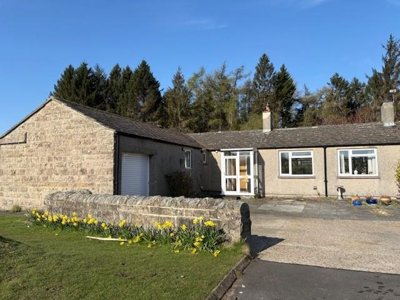
Browse 1 rental home to rent in Muggleswick, County Durham from local letting agents.
£0/m
0
0
0
Source: home.co.uk
The Muggleswick property market works very differently from urban areas, with rural character and heritage status shaping both supply and prices. Average house prices in Muggleswick stand at £399,500, with detached properties commanding around £437,500 and semi-detached homes averaging £275,000. Those figures show the premium attached to rural County Durham homes, especially where period features and generous land are part of the package. The rental market follows suit, and larger detached properties usually achieve higher monthly rents to match both their sale value and the lifestyle they offer.
Prices in Muggleswick have climbed strongly, rising 10% over the past year and now sitting 12% above the 2021 peak of £357,500. That steady lift reflects stronger demand for rural property across County Durham, helped by changing work patterns and the appetite for more space after the pandemic period. The village’s closeness to the North Pennines Area of Outstanding Natural Beauty adds to its draw, particularly for professionals who want countryside living without losing commuting flexibility. Rents move in a similar direction, with well-kept homes and desirable features drawing premium levels.
Activity in the market is thin. Recent sales show only a handful of property transactions recorded in the past year, and that scarcity carries through to the rental side, where available homes are few and far between. Anyone looking to rent here should be ready to move quickly when a suitable property appears, and it makes sense to widen the search to nearby villages if timing is flexible. In rural County Durham, limited supply does what limited supply always does, it keeps rents firm.

Muggleswick captures rural County Durham at its most recognisable, with farmland, woodland, and the flowing waters of the River Derwent and its tributaries all around. The village takes its name from its historic link to the Muggleswick Park estate, and traces of that heritage still show through in the Conservation Area. Its local geology includes Carboniferous rocks such as sandstones and shales, and the sandstone used in many homes reflects what was available locally. The result is a village character that feels coherent and carefully preserved.
Life here is shaped by the make-up of a small rural parish. Residents are often drawn by the scenery, the heritage, and the slower pace, while work tends to be linked to agriculture, local services, and tourism connected with the North Pennines. Many people commute to Consett, Hexham, Durham, and even Newcastle upon Tyne, taking in the scenic County Durham drive on the way. For anyone who likes the outdoors, the location works well, with walking routes, cycling paths, and the wider North Pennines landscape close at hand.
Day to day living in Muggleswick comes with the usual countryside trade-offs. The nearest shops, GP surgeries, and other essentials are in surrounding towns, so most routine errands mean getting in the car. Even so, many residents see that as a fair exchange for the village pub, the open views, and the landscape that changes with the weather. Small villages often have a stronger sense of community too, and Muggleswick is no exception, neighbours tend to know one another and local events still matter.
The landscape around Muggleswick is rooted in the Carboniferous geology of County Durham, and the sandstone outcrops have long influenced the village’s building materials. Some parts of the parish also contain clay soils, which can create shrink-swell risks in dry spells or after heavy rain. Homes with mature trees nearby may be especially exposed to ground movement, so prospective tenants should keep that in mind when assessing a property. It is a useful part of understanding both the character of the place and the practical side of renting period homes in rural County Durham.

Families looking at rentals in Muggleswick should be aware that the village itself has very limited educational provision because of its size. The nearest primary schools sit in surrounding villages and towns, with choices including schools in Consett, Lanchester, and across the wider County Durham area. Catchments and admissions can vary quite a bit in rural areas, and travel times are often longer than people expect in town. Before committing to a tenancy, school transport and available places should be checked with Durham County Council.
For secondary education, residents usually look towards schools in nearby towns, including Consett Academy and other local establishments that serve the area. County Durham also has grammar school options, with Durham Johnston Comprehensive School and others taking selective admissions from across the region. For families focused on schooling, knowing exactly which schools cover a property’s postcode is important. Sixth form options are available at secondary schools and colleges in nearby towns, while Durham remains a key further education hub reached via the county road network.
School travel from Muggleswick is not just a primary-school issue. Once children move into secondary years, journeys are often longer and the transport arrangements more complicated. Many rural families in County Durham base their search around catchment areas, and they will sometimes choose a different village or town if it means getting closer to a preferred school. The Consett area serves a broad rural catchment, and those boundaries can shift from year to year depending on application patterns. It is sensible to speak to schools directly about the current position and to discuss transport with Durham County Council’s education transport team.

Transport links reflect the village’s rural setting, so road travel does most of the work. The A692 and surrounding B-roads connect Muggleswick with nearby towns, including Consett to the north and Durham to the east, and those journeys usually need a private vehicle. Driving through County Durham is scenic enough, but prospective tenants still need to think about commuting, school runs, and trips for essentials. Rural roads also feel the effects of seasonal weather, so countryside motoring has its own practicalities.
Public transport in the immediate area is limited, with village bus services generally running less often than urban routes. The nearest railway stations are in larger towns such as Durham and Newcastle, which link into the East Coast Main Line for longer journeys. Like many rural households in County Durham, most residents depend on a private car, and that reality should shape any rental decision in Muggleswick. For those commuting to major employers, travel to Durham city centre or Newcastle is manageable by car, usually taking 30-45 minutes in normal traffic.
For commuters, Muggleswick has become more workable in recent years. Flexible working has reduced the need to be in an office every day, so many residents now split their time between home and work and only travel when it matters. That arrangement suits a village in the North Pennines Area of Outstanding Natural Beauty, where weekends can be spent in the other direction, towards the countryside and the coast, rather than treating them as destinations to get around.

Before arranging viewings, it pays to research the local rental market, look at the property types available in this rural village, and think through practical matters such as transport, school catchments, and access to services in nearby towns like Consett and Durham. With limited rental supply in Muggleswick, preparation really matters in a competitive market.
Sort out a rental budget agreement in principle before you start viewing homes. It shows landlords and agents that the monthly rent, plus costs such as council tax, utilities, and insurance, are within reach. It also gives a clearer picture of what mortgage or rent funding you might access.
We recommend speaking to local letting agents serving the County Durham rural market to arrange viewings of any available rental homes in Muggleswick. In a small market, speed matters, because attractive rural properties can draw several interested parties. Registering with more than one agent widens the net.
Because Muggleswick sits within a Conservation Area, some restrictions may apply to alterations, external changes, and permitted development rights. It is worth reviewing any conditions with the landlord or managing agent before the tenancy is signed. A listed building may bring extra requirements too.
After you have found the right property, tenant referencing checks will follow, including credit checks, employment verification, and right to rent documentation. It helps to allow enough time for everything to run through properly. Self-employed applicants, or those with more complex income, are usually better off gathering supporting documents in advance.
Read the tenancy agreement closely, and check your rights and responsibilities, deposit protection arrangements, and any special terms attached to the rural property, including garden upkeep or access to land. The government-approved deposit protection certificate should be issued within 30 days of moving in.
Renting in Muggleswick means thinking carefully about issues that come with a rural Conservation Area village. Flood risk is one of the main practical points, since the village lies close to the River Derwent and its tributaries. Homes right beside watercourses can face a higher flood risk, so flood history and drainage arrangements should be checked. Insurance terms and excesses can differ sharply where flood risk is involved, and that needs to sit in the overall rental budget. Surface water flooding is also possible when drainage systems are overwhelmed in heavy rain, so it is sensible to raise the matter with the landlord.
The age and construction of homes in Muggleswick mean a proper inspection matters. The Conservation Area includes many older stone-built properties, and period homes often bring familiar issues such as damp penetration through solid walls, deterioration of traditional roof coverings like slate, and timber problems including woodworm and rot in structural elements. Outdated electrics and plumbing may need bringing up to standard, and tenants should be clear on landlord responsibilities for maintenance and any improvement works. Some properties may also be listed, which brings extra rules for alterations and maintenance methods.
Mining legacy is another point to bear in mind across parts of County Durham, where the coal mining past can still affect ground stability in some places. Muggleswick itself may not have extensive deep mining, but the wider region’s history means a mining search report can offer useful reassurance about ground conditions. Where there is potential mining activity, specific building surveys and insurance checks may be needed. Tenants should discuss all this with landlords and think about suitable surveys before committing to a long tenancy. Clay shrink-swell risk linked to the local geology can also influence ground conditions, particularly where mature trees are nearby.
During viewings in Muggleswick, the roof should be high on the checklist. Slate and tile roofs on older properties often need maintenance and, eventually, replacement. Look carefully for damp on walls and ceilings, especially in solid wall homes where traditional damp-proof courses may be missing or no longer effective. Heating matters too, because solid wall construction can make rural homes harder to warm than modern equivalents. Ask the landlord or letting agent about recent maintenance, any known defects, and the history of the heating and insulation.

There is little rental price data for Muggleswick because the village is small and turnover is low, with only a handful of sales recorded in the past year. Even so, with average sale prices at £399,500 and detached homes averaging £437,500, rents for similar properties would sit within a premium rural market. Larger detached homes with gardens and open views would normally command the higher rents, while smaller homes may offer a lower entry point. For current figures, local letting agents in County Durham are the best source.
Council tax bands in Muggleswick differ from property to property, with the Valuation Office Agency assigning each band on the basis of assessed value. Given their age, character, and the number of detached stone houses, most homes in the village tend to sit in mid to higher bands. Durham County Council administers council tax for Muggleswick, and specific bandings can be checked through the government council tax valuation service or by asking the landlord or letting agent. The bill will vary by band, and Band D properties in County Durham pay around £1,800-£2,000 annually.
Muggleswick has very limited schooling facilities because of its small village scale, and there is no primary school within the village itself. Families usually travel to nearby communities for primary places, including Consett, Lanchester, and other towns close by. Secondary education is delivered in larger towns, with catchment areas set by Durham County Council. Parents should look at school performance, Ofsted ratings, and admissions criteria for any school serving the Muggleswick area, and they should confirm transport arrangements with the local authority.
Public transport in Muggleswick remains limited, which is exactly what you would expect from a small rural village. Bus services do run, though they are usually much less frequent than urban routes, and some operate only a few times per week. The nearest railway stations are in Durham and Newcastle, so road travel is needed to reach them. Most residents rely on private vehicles for everyday journeys, and that should be part of any rental decision in Muggleswick. For those without a car, local community transport schemes may offer an extra option, although they usually need advance booking.
Muggleswick offers a remarkable quality of life for anyone drawn to rural living in a historic County Durham village. Conservation Area status helps preserve the character of the place, while attractive sandstone houses and protected heritage features create a distinctive setting. The North Pennines countryside is close at hand, so outdoor activities and natural beauty are easy to reach, and larger towns are near enough to keep day-to-day life practical. Yet limited local amenities, reduced public transport, and small school catchment areas all need thought. For people who can live with those realities, Muggleswick offers a rare chance to enjoy genuine village life.
Standard deposits on rental homes in England are equivalent to five weeks' rent, capped at five weeks' rent where annual rent is below £50,000. With typical rural rents in this bracket, deposits of that size are common. You should also budget for referencing fees, right to rent check costs, and inventory fees, though many tenant fees were banned under the Tenant Fees Act. Always ask your letting agent for a full cost breakdown before you go ahead. The deposit must be protected in a government-approved scheme within 30 days of moving in.
Flood risk in Muggleswick is concentrated near the River Derwent and its tributaries that run through or beside the village. Homes immediately next to these watercourses face greater flood risk, while properties on higher ground away from water generally face lower risk. Surface water flooding can also happen during heavy rain when drainage systems are overwhelmed, so it is sensible to raise the issue with the landlord. Prospective tenants should ask for flood risk information and think about flood resilience measures when comparing homes. Insurance excesses can be higher in flood-risk zones too.
Several homes in Muggleswick are listed buildings, which means they are protected under the Planning Listed Buildings Act for their architectural or historic interest. Renting a listed property within the Conservation Area means the landlord may need Listed Building Consent for certain alterations, and tenants cannot make changes without permission. Repairs to listed buildings often call for specialist contractors and materials, and those costs can feed through into rental pricing. Before signing, tenants should talk through any planned changes with the landlord and remember that original features such as fireplaces, sash windows, and exposed stonework are part of the protected character.
Knowing the financial side of renting in Muggleswick makes budgeting much easier. The standard security deposit in England is five weeks' rent, subject to the annual rent cap of £50,000. So if you take a property at monthly rent of £1,200, the deposit would be calculated as £1,200 multiplied by 12, divided by 52, then multiplied by five, which equals £1,384. Deposits must sit in a government-approved Tenancy Deposit Protection scheme within 30 days of receiving the money, giving you legal protection throughout the tenancy.
Other costs should be factored in as well. Council tax in Durham County Durham varies by property band, and most rural homes sit in mid to higher bands because of their character and value. Monthly budgets also need room for utilities such as gas, electricity, water, and broadband, with rural properties sometimes carrying higher heating costs because of solid wall construction or older building fabric. Contents insurance is important for your belongings, while buildings insurance is usually the landlord’s job, although excesses may apply on certain claims. First-time renters should also think about moving costs, furniture if the home is unfurnished, and any connection charges for utilities and services.
Getting a rental budget agreement in principle from a lender before you view properties gives clarity on what you can afford each month. It also shows landlords and letting agents that you are serious, which matters in competitive rural rental markets where desirable homes may attract several applicants. The agreement in principle looks at income, outgoings, and your credit profile to set a realistic rental budget, which helps narrow the search to homes you can live with comfortably. That preparation puts you in a stronger position when the right rural home in Muggleswick comes along.
Properties to Rent In London

Properties to Rent In Plymouth

Properties to Rent In Liverpool

Properties to Rent In Glasgow

Properties to Rent In Sheffield

Properties to Rent In Edinburgh

Properties to Rent In Coventry

Properties to Rent In Bradford

Properties to Rent In Manchester

Properties to Rent In Birmingham

Properties to Rent In Bristol

Properties to Rent In Oxford

Properties to Rent In Leicester

Properties to Rent In Newcastle

Properties to Rent In Leeds

Properties to Rent In Southampton

Properties to Rent In Cardiff

Properties to Rent In Nottingham

Properties to Rent In Norwich

Properties to Rent In Brighton

Properties to Rent In Derby

Properties to Rent In Portsmouth

Properties to Rent In Northampton

Properties to Rent In Milton Keynes

Properties to Rent In Bournemouth

Properties to Rent In Bolton

Properties to Rent In Swansea

Properties to Rent In Swindon

Properties to Rent In Peterborough

Properties to Rent In Wolverhampton

Enter your details to see if this property is within your budget.
Loans, cards, car finance
Estimated property budget
Borrowing + deposit
You could borrow between
Typical borrowing
Monthly repayment
Est. at 4.5%
Loan-to-value
This is an estimate only. Your actual budget may vary depending on interest rates, credit history, and personal circumstances. For an accurate affordability assessment, speak to one of our free mortgage advisors.
This calculator provides estimates for illustrative purposes only and does not constitute financial advice. Your home may be repossessed if you do not keep up repayments on your mortgage. Estimates based on 4.5% interest rate, repayment mortgage. Actual rates depend on your circumstances.
Homemove is a trading name of HM Haus Group Ltd (Company No. 13873779, registered in England & Wales). Homemove Mortgages Ltd (Company No. 15947693) is an Appointed Representative of TMG Direct Limited, trading as TMG Mortgage Network, which is authorised and regulated by the Financial Conduct Authority (FRN 786245). Homemove Mortgages Ltd is entered on the FCA Register as an Appointed Representative (FRN 1022429). You can check registrations at NewRegister or by calling 0800 111 6768.

We use cookies to show you personalised content and improve your experience of our website. Find out more in our Privacy policy and Cookie policy.