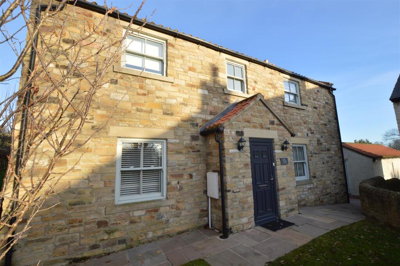
Browse 1 rental home to rent in Moulton from local letting agents.
The Moulton property market offers detached, semi-detached, and terraced houses spanning various price ranges and neighbourhoods. Each listing includes detailed property information, photographs, and direct contact with the marketing agent.
Moulton's property market works on a very small scale, with the village recording approximately 6 property transactions over the past year. That limited level of activity reflects both the village's size and its rural setting, where homes change hands only occasionally. For renters, that can mean the chance to settle into a long-term home in a steady community, with neighbours who know one another and village events drawing people together through the year. Average house prices sit at £391,333, while detached properties average £492,500 and semi-detached homes around £275,000, which shows the premium attached to property in this sought-after conservation village.
Traditional stone construction is the norm in Moulton, often using local sandstone that speaks to the area's heritage and the building methods common across North Yorkshire. Because the village sits in a conservation area, the character of properties is protected, so renters can expect genuine architectural integrity and original features rather than modern imitation. Homes dating from the 17th to 19th centuries often have solid wall construction and lime mortar instead of modern cavity wall insulation, with details such as original fireplaces, exposed stone walls, and timber roof structures. Compared with metropolitan areas, these properties can offer strong value, with more space and more historic character for the same monthly rental cost.

Community, tradition, and the landscape of the Yorkshire Dales shape daily life in Moulton. Its historic appearance is preserved by strict conservation area designation and a number of listed buildings, both of which give the village its unmistakable look. Moulton Hall is a Grade I listed landmark, and St Mary's Church holds Grade II* status, each acting as a centrepiece for the community and a reminder of the village's long heritage. The feel is peaceful, but never remote in spirit, with residents meeting at the local pub, turning out for village events, and keeping alive the customs that make rural North Yorkshire places so distinctive.
Agriculture has long underpinned the local economy in Moulton, and farming still plays an important role in the surrounding area, helping to define the landscape. Larger market towns nearby, especially Richmond and Darlington, bring wider shopping, healthcare, and employment options within 15-30 minutes by car. From the village, the North Yorkshire countryside is close at hand, with walking routes along the River Swale valley, bridleways through farmland, and outdoor pursuits available almost from the doorstep. Weekend markets in nearby towns highlight local produce and crafts, while village facilities act as the social anchors that keep the community connected across the year.
Underfoot, Moulton includes areas of boulder clay and superficial deposits, and those conditions can create shrink-swell risks that affect foundations in some places. Homes close to the River Swale may also be exposed to fluvial flood risk, especially in spells of heavy rainfall when river levels climb. Surface water flooding can happen too, particularly where drainage is poor, so it makes sense to check flood history and drainage conditions before taking a property. These natural features are part of what makes Moulton appealing, though a clear view of local environmental factors helps make tenancy life much smoother.

Families thinking about renting in Moulton will find that schooling is based in nearby villages and market towns that are easy to reach from the village. Primary education is available in surrounding communities, with several village schools serving the area and often achieving good Ofsted ratings. Those smaller schools tend to have close community links, individual attention for pupils, and traditional educational values that many parents in North Yorkshire appreciate. Across North Yorkshire, education is generally well regarded, and schools in the Richmond and Darlington areas regularly return favourable inspection outcomes.
Secondary options lie in Richmond and Darlington, with school transport routes serving the rural communities around Moulton. North Yorkshire's selective testing process gives academically able pupils access to grammar schools, and local education providers offer preparation resources and tutoring. For families who need other routes, there are faith schools and specialist provision available through the standard admissions process. Darlington also provides further and higher education, with colleges and university partnerships delivering vocational and academic courses for older students.
Quality schools across the region make Moulton appealing for families at every stage, from those with children just starting primary school to those already planning ahead for secondary and post-16 study. Parents should check individual school catchments, admissions criteria, and transport arrangements before moving. School transport services run from the village to secondary schools in nearby towns, though North Yorkshire Council should be consulted on timings and routes before any tenancy is agreed.

Moulton's transport links are practical, even if they suit a rural village, and they give residents access to regional centres for work and everyday needs. The village is within reasonable distance of major road networks, with the A1(M) providing north-south travel along the eastern corridor and onward routes to Newcastle, Leeds, and York. Local bus services link villages and market towns, which is vital for anyone without a private car, although frequencies are not on an urban scale. Being positioned between Richmond and Darlington also means rail services are within reach from both towns, opening up connections to major cities and the wider national network.
Many journeys from Moulton are shaped by commuting to larger employment centres, whether that means work in nearby towns or longer trips further afield. Remote working has made places like Moulton more appealing to professionals who want village life without losing a city-based career or facing a daily slog on the road. By car, trips to nearby towns usually take 15-30 minutes depending on where you are heading, while Leeds, Newcastle, or York are generally around 1-2 hours away. Local taxi firms and volunteer-run community transport schemes add another layer of support for people with limited mobility or no private transport, helping with healthcare appointments and essential errands.

Before taking a rental in Moulton, it is sensible to spend time in the village and the surrounding area so we can get a real sense of daily life here. Visit the local amenities, talk to residents in the village pub, and pay attention to the pace of the place through the seasons. Think through commute needs, school access, and how close you want to be to essential services in nearby towns like Richmond and Darlington.
A rental budget agreement in principle is worth securing before the search begins, as it shows landlords that a tenant is serious and financially ready. Monthly rent is only part of the picture, so we also need to factor in a deposit equivalent to five weeks' rent, moving costs, and the day-to-day expenses that come with looking after a traditional property. In Moulton's conservation village setting, referencing and guarantor arrangements may also come into play.
We can use Homemove to browse rental properties in Moulton and the surrounding area, then arrange viewings to judge homes in person and look closely at the condition of stone features, heating systems, and any signs of damp or structural issues that often affect older buildings. Solid walls and lime mortar call for different maintenance from modern properties, so it is worth understanding how these homes behave in the Yorkshire climate. Photographs and notes help when comparing options later, especially if certain features may need attention during the tenancy.
With Moulton's conservation area status and many homes dating from the 17th to 19th centuries, it is important to understand the condition and history of a potential home before a tenancy agreement is signed. A professional survey can highlight defects, especially where stone construction or solid walls mean damp prevention and good ventilation matter. Listed building status brings extra restrictions too, and knowing about possible issues in advance can save a lot of expense and worry later.
Once the right property has been found, tenant referencing checks come next, along with proof of income and a tenancy agreement that sets out obligations clearly. We need to understand the terms, including deposit protection arrangements within government-approved schemes, notice periods, and any restrictions on pets or changes to the historic fabric of the building. In conservation areas, exterior alterations, satellite dish installation, or significant internal modifications may need planning consent from North Yorkshire Council.
After the tenancy agreement is signed and the deposit and first month's rent have been paid, it is time to move to Moulton and get to know the new neighbourhood. A thorough inventory check should record the condition of fixtures and fittings, meter readings for utilities need to be taken, and keys collected from the landlord or agent. From there, meeting local residents, visiting the village facilities, and settling into this North Yorkshire community becomes part of the process, with traditional buildings and a rural atmosphere giving the place its character.
Traditional Yorkshire buildings in Moulton need a slightly different approach to renting, because their construction methods differ sharply from modern homes. The geology here includes areas of boulder clay, which can create moderate to high shrink-swell risks for foundations during periods of very wet or very dry weather. Properties near the River Swale may also face fluvial flood risk, especially in lower-lying areas beside the river and its tributaries, so flood history and drainage should be checked before a tenancy is agreed. Surface water flooding can happen too when heavy rain falls on ground with poor drainage.
Solid wall construction is common in Moulton's historic properties, so damp prevention and proper ventilation are part of everyday home care here. Traditional buildings were built to breathe, and lime mortar allows moisture to evaporate rather than get trapped the way it can with modern cement-based products. Knowing how to heat and ventilate these homes properly helps protect both the building fabric and belongings from damp-related damage if the property is not managed in line with its construction type.
As a conservation area, Moulton brings planning restrictions that affect what tenants can and cannot do to a property during a tenancy. Exterior changes, satellite dish installation, or significant internal modifications may need consent from the local planning authority before any work starts. It is wise to discuss planned alterations with the landlord before signing, since responsibility for permissions usually sits with the owner rather than the tenant. Listed building status adds further controls under planning law, and work to historic features needs Listed Building Consent from North Yorkshire Council, so those duties need to be clear from the outset.

Although the research data here is about sales prices rather than rental values, Moulton still offers competitive rates compared with urban areas, and its rural scale keeps prices accessible for the amount of space and character available. A typical three-bedroom home in this conservation village would likely cost significantly less to rent than a similar property in Leeds or Newcastle, with the average house price of £391,333 pointing to sensible monthly costs for tenants. For current rental pricing on specific property types and sizes, local letting agents serving the Richmond and Darlington area are the people to speak to.
North Yorkshire Council sets the council tax bands in Moulton, and most properties are likely to fall into bands A through D because of their traditional construction, smaller size, and village setting away from major urban centres. Historic stone cottages and listed buildings may sit in particular bandings depending on assessed value and any exemptions linked to heritage status. Homes dating from the 17th to 19th centuries often appear in lower bands, which can help keep council tax charges manageable for tenants in character properties.
Primary education around Moulton is served by village schools in the surrounding communities, and schools in nearby villages often achieve good Ofsted ratings while maintaining the community links that parents tend to value. Secondary schooling is available in Richmond and Darlington, reached by school transport routes that serve the rural area, with grammar schools also available through the selective testing process for academically inclined pupils. North Yorkshire schools usually maintain strong standards, so it pays to look closely at individual performance, admissions policies, and catchment areas when planning a move.
Local bus services connect Moulton to nearby towns including Richmond and Darlington, which gives residents without private vehicles an essential link, although some routes leave several hours between buses. Train travel is available from both Richmond and Darlington stations, with connections into regional and national rail networks and direct services to major cities including Newcastle, York, and Leeds. For routine commuting or any trip without a car, it is sensible to plan ahead and check timetables carefully, as weekend services may be reduced compared with weekday schedules.
Moulton offers a strong setting for renters who want peaceful village life while staying connected to larger towns for work and everyday amenities. Its conservation area status keeps the environment beautifully preserved, with historic stone buildings and a community atmosphere that is hard to find in urban locations. Homes range from charming stone cottages to family properties, many with original fireplaces, exposed stone walls, and other traditional details that add warmth and authenticity. With Richmond and Darlington close by, residents can access a full range of amenities while still enjoying the calm of rural North Yorkshire that makes village living so appealing.
Standard deposit rules for rental property in England cap the deposit at five weeks' rent, and it must be protected in a government-approved deposit scheme within 30 days of receipt. That matters because it helps tenants recover their money at the end of the tenancy, provided the property is left in good condition and all tenancy obligations are met. Tenant referencing fees may still apply, usually covering credit checks and employment verification, and the price can vary between letting agents and landlords. A budget agreement in principle before the search starts can help with monthly planning and also shows landlords that we are serious when competing for a desirable home in this sought-after village.
Renting in Moulton calls for careful budgeting that goes well beyond the monthly rent figure, because upfront costs and the ongoing expense of maintaining a traditional property all matter. Deposits in England are capped at five weeks' rent and must be protected in a government-approved scheme within 30 days of receipt, which protects the tenancy through to check-out. First month's rent, deposit, referencing fees, administration charges, and inventory costs may all need to be paid at the start, and any professional survey needed because of age or condition should also be built into the moving budget.
For anyone taking a first rental home in Moulton, managing a traditional property can be a useful introduction to the realities of home ownership and the decisions that come with buying later on. The village's geology, including areas of boulder clay, the prevalence of solid wall construction that needs proper ventilation, and the maintenance demands of historic stone buildings all create lessons that a tenancy can teach. Moulton is more than somewhere to live, it is an investment in a distinctive community and a beautiful natural setting, and its conservation village status helps preserve property values and community character for years to come. Take time to understand every cost attached to the tenancy before committing, and think about how renting in this attractive corner of North Yorkshire might shape future plans.
From 4.5%
Our team can assess what you can afford to spend on rent each month.
From £40
We carry out credit checks and employment verification to support a rental application.
From £400
Professional assessment of property condition for older buildings in the conservation area.
From £80
Energy performance rating required for rental properties
Properties to Rent In London

Properties to Rent In Plymouth

Properties to Rent In Liverpool

Properties to Rent In Glasgow

Properties to Rent In Sheffield

Properties to Rent In Edinburgh

Properties to Rent In Coventry

Properties to Rent In Bradford

Properties to Rent In Manchester

Properties to Rent In Birmingham

Properties to Rent In Bristol

Properties to Rent In Oxford

Properties to Rent In Leicester

Properties to Rent In Newcastle

Properties to Rent In Leeds

Properties to Rent In Southampton

Properties to Rent In Cardiff

Properties to Rent In Nottingham

Properties to Rent In Norwich

Properties to Rent In Brighton

Properties to Rent In Derby

Properties to Rent In Portsmouth

Properties to Rent In Northampton

Properties to Rent In Milton Keynes

Properties to Rent In Bournemouth

Properties to Rent In Bolton

Properties to Rent In Swansea

Properties to Rent In Swindon

Properties to Rent In Peterborough

Properties to Rent In Wolverhampton

Enter your details to see if this property is within your budget.
Loans, cards, car finance
Estimated property budget
Borrowing + deposit
You could borrow between
Typical borrowing
Monthly repayment
Est. at 4.5%
Loan-to-value
This is an estimate only. Your actual budget may vary depending on interest rates, credit history, and personal circumstances. For an accurate affordability assessment, speak to one of our free mortgage advisors.
This calculator provides estimates for illustrative purposes only and does not constitute financial advice. Your home may be repossessed if you do not keep up repayments on your mortgage. Estimates based on 4.5% interest rate, repayment mortgage. Actual rates depend on your circumstances.
Homemove is a trading name of HM Haus Group Ltd (Company No. 13873779, registered in England & Wales). Homemove Mortgages Ltd (Company No. 15947693) is an Appointed Representative of TMG Direct Limited, trading as TMG Mortgage Network, which is authorised and regulated by the Financial Conduct Authority (FRN 786245). Homemove Mortgages Ltd is entered on the FCA Register as an Appointed Representative (FRN 1022429). You can check registrations at NewRegister or by calling 0800 111 6768.

We use cookies to show you personalised content and improve your experience of our website. Find out more in our Privacy policy and Cookie policy.