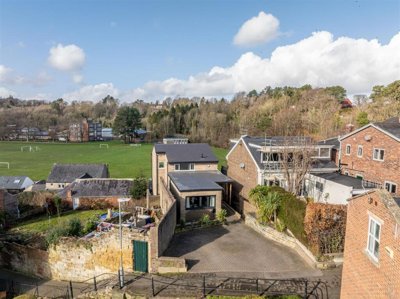
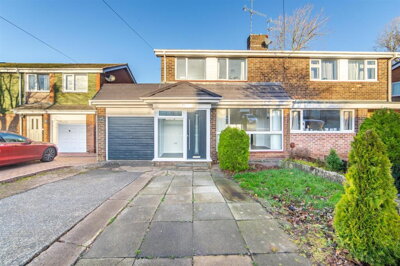
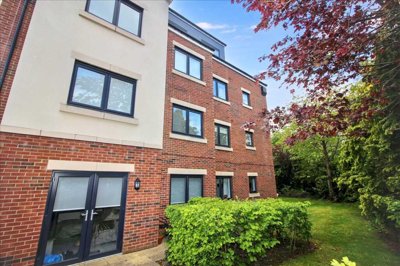
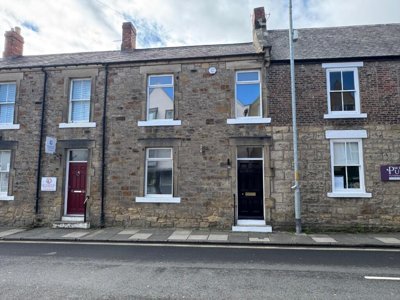
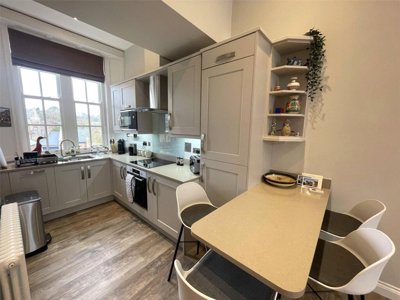
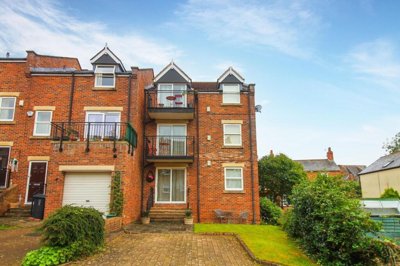
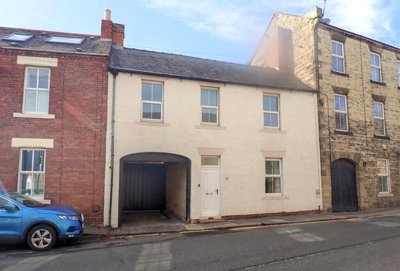
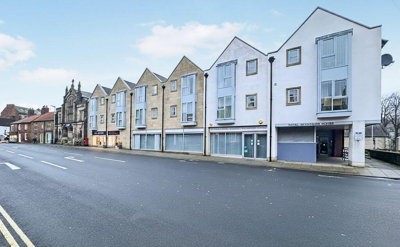
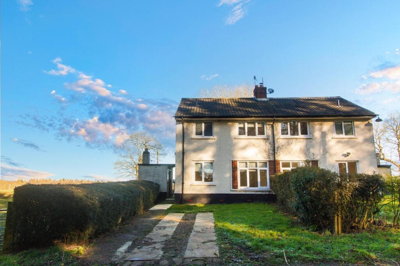
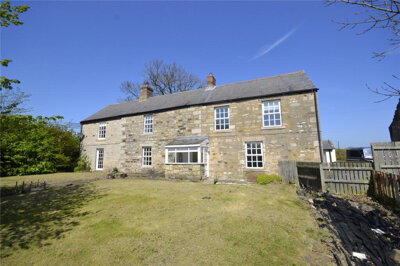
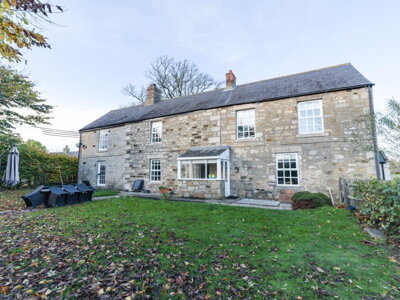
Browse 14 rental homes to rent in Mitford, Northumberland from local letting agents.
£995/m
1
0
60
Source: home.co.uk
Source: home.co.uk
Semi-Detached
1 listings
Avg £995
Source: home.co.uk
Source: home.co.uk
Mitford's rental market mirrors its sought-after village setting and the wider pressures on Northumberland property. Our figures put average residential sales at £324,500, with detached homes at about £410,000. Semi-detached properties usually sit near £230,000, terraces around £190,000, and flats closer to £110,000. Bigger family houses still carry a clear premium here, although rents move around with size, condition, and the little extras that come with each home.
Over the last twelve months, prices have edged about, with the market down by approximately 1.5%. Detached homes saw the sharpest shift at minus 2.4%, while semi-detached properties moved up by 0.9% and terraces by 0.5%. That points to steady demand for family-sized homes. Ten transactions over the past year underline how quiet the market is, which is normal for a smaller village. Availability changes often, so it pays to stay in touch with local agents who know Mitford well.
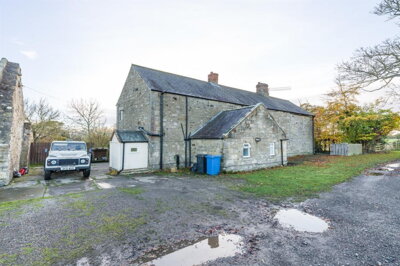
Mitford rentals come in a mix of styles and ages. Many are pre-1919 homes built from traditional Northumbrian sandstone, with the kind of character and solid feel newer builds struggle to copy. Inter-war and post-war houses add variety, and a few modern developments bring fresher layouts and better energy efficiency. Near the River Wansbeck, flood risk needs checking, and conservation area rules shape what tenants can alter. That local context matters when matching a property to budget and day-to-day needs.

Community life in Mitford still follows the pace of a classic English village, where people know one another and the social fabric runs deep. In the centre, Mitford Hall and the ruins of Mitford Castle give the place much of its identity, and they make the history feel close at hand. The Conservation Area designation keeps new development in step with the village, protecting tree-lined streets and the traditional architecture that define this corner of Northumberland. Days tend to be slower here, shaped by local get-togethers, country walks, and the plain appeal of rural living.
Mitford's local economy still carries the imprint of agriculture, with farming activity continuing to shape the surrounding countryside. A lot of residents head into nearby Morpeth for work, drawn by its shops, restaurants, and professional services. That short hop means day-to-day errands are easy enough, while Newcastle Upon Tyne stays within sensible commuting range for city workers. Visitors also feed into the local economy, coming for Mitford's historic sites, riverside walks, and the wider pull of Northumberland's coastline and national parks. The village pub and other amenities act as social anchors, which helps the tight-knit feel so many people look for in rural life.
Outside the village, the landscape opens up into proper Northumbrian countryside, and it gives renters plenty to do. The River Wansbeck is good for fishing and riverside walks, while the wider area lends itself to cycling, horse riding, and long stretches of public footpaths through farmland and woodland. Carboniferous sandstones and limestones have shaped both the scenery and the local building materials, which is why so many properties have that familiar look. Even with its rural feel, Mitford sits well connected by the nearby A1 trunk road, so getting around by car is straightforward.

For families thinking about renting in Mitford, the main education options are based in nearby Morpeth, where there is a broad choice of schools for all ages. Primary provision is available through several local schools in Morpeth and the surrounding villages, and schools in the area generally perform well in national assessments. Because the village is small, some primary-aged children travel to schools in nearby communities, with school transport arrangements helping rural families manage that. Catchment areas and admission rules are worth checking early, as they can make a big difference to which homes suit family life.
Secondary education is also well covered in Morpeth, where students moving on from primary level have several options. Those schools matter a lot when families choose Mitford, and many parents will accept a longer commute if it gives their children a stronger education. Sixth form provision is available in Morpeth too, so older students do not need to travel much further for advanced study. Renting here can work well for families who want access to established schools without giving up village living. It helps to think about school terms and catchment boundaries before settling on a property.
Beyond school age, further education is available through Morpeth College and the wider Northumberland college network, with more options in Newcastle for students following vocational or academic routes after A-levels. School quality remains a major driver in the Northumberland housing market, and rental demand is strongest where educational results are good. Families moving from urban areas often find that standards in rural Northumberland compare favourably with larger towns, which makes the change easier for children who are used to classroom routines. Looking at individual Ofsted reports and performance data is still the best way to match a school to a child's needs and ability.

Road links do most of the work here. The A1 trunk road is the main route for regional travel and longer trips, giving Mitford a direct connection to Newcastle Upon Tyne to the south and Edinburgh to the north. From the village, Newcastle city centre is usually 30-40 minutes by car, so regular commuting is realistic for people who want cheaper rural housing but still need to reach the city. That position beside the A1 is one reason the village appeals to workers who want good regional access without urban congestion.
Bus services do serve Mitford and link it with Morpeth and nearby communities, although the timetable is much thinner than in a town. Morpeth railway station gives access to the East Coast Main Line, with direct trains to Newcastle, Edinburgh, London, and other major destinations. A trip from Morpeth to Newcastle takes about 15-20 minutes, so rail commuting is practical for part of the journey. Anyone without a car should think hard about transport before choosing a rental, because rural life here calls for planning and a fair bit of flexibility. Taxis and community transport schemes can help where needed.
For local workers, Morpeth is the nearest place with a serious concentration of jobs, spanning retail, healthcare, education, and professional services. The town centre also makes shopping and day-to-day services easy to reach, which cuts down on longer trips. Cycling has become more practical too, thanks to better infrastructure in recent years, and some residents now ride into Morpeth for work or errands when the weather and distance allow. Parking in the village is generally workable for residents with cars, although anyone renting flats or terraces should check parking arrangements carefully. Getting a clear picture of transport costs and options makes budgeting and weekly planning much easier.

Start by looking at the rental homes currently available in Mitford and the surrounding Northumberland villages. We would also suggest checking the current rent range for different property types, and keeping a close eye on your budget, because rent usually sits outside utilities and council tax. Use Homemove to browse listings and set up alerts for homes that fit your requirements. It also helps to compare with nearby Morpeth, so you can see how the wider market is moving.
Before you commit to a property, spend time in Mitford at different points in the day and on different days of the week. Visit the local amenities, test the transport links, and get a proper feel for how the community works. If you can, speak to people who already live there, as that often gives the clearest picture of village life. Weekdays and weekends can feel very different, and that tells you plenty about convenience and character. If riverside homes are on your list, keep flood risk near the River Wansbeck firmly in mind.
It is sensible to sort out a rental budget agreement in principle from a financial provider before you begin viewings. That shows landlords and agents that we are dealing with a credible applicant who can meet the rent. Having the paperwork ready also speeds things up when the right property appears and can help if there are other applicants in the running. Keep the deposit cap of five weeks' rent in mind when you work out your upfront costs.
Once you have a shortlist, arrange viewings quickly, because rental demand in desirable rural places like Mitford can move fast. Have questions ready about the property's condition, what the rent includes, any limits on pets or decorating, and how long the landlord has owned it. Take notes and photographs so you can compare homes later without mixing them up. It is also sensible to ask about the age of the building, any recent renovations, and any conservation area restrictions that apply.
If your application goes through, expect tenant referencing checks, identification documents, and possibly a holding deposit. You may also need references from previous landlords, employers, and credit checks. At this stage, find out how the deposit protection scheme will work and ask for the required details on where your deposit is being held. A full inventory should also be requested now, since it can save a lot of trouble later on.
Before you move in, carry out a full inventory check and record the condition of the property carefully. Take meter readings and transfer the utility accounts into your name. Make a point of learning how the appliances and heating systems work, along with any communal areas or shared responsibilities. Knowing what you are responsible for as a tenant helps avoid arguments at the end of the tenancy. If the property is older, a RICS Level 2 Survey may be worth arranging to flag any maintenance concerns.
Renting in a historic village like Mitford means keeping an eye on a few matters that are not always front and centre in standard urban lettings. Conservation Area status means planning restrictions can limit external changes, so it is important to know what can and cannot be altered during the tenancy. A lot of homes are built from traditional Northumbrian sandstone or brick, which gives them plenty of character but can also mean more maintenance than a modern build. When we view properties, we would ask about the age of the building, any recent work, and how repairs are usually dealt with. That sort of detail helps avoid unexpected costs or hassle later.
Flood risk is a real factor for homes near the River Wansbeck, so prospective tenants should check whether a particular property sits in a flood risk zone. Most houses in the village are safely positioned, but riverside or low-lying homes need a closer look at flood history and any mitigation in place. Buildings insurance and the landlord's responsibilities for flood damage should be clear before any tenancy agreement is signed. Properties built on clay soils also need watching for signs of subsidence or movement, because shrink-swell behaviour can affect older buildings with shallow foundations. Northumberland's coal mining history means a mining report may be worth having for some homes, just to check for possible ground instability.
The age of Mitford's housing stock means that wiring, plumbing, and heating systems often need bringing up to modern standards. Ask when the key services were last inspected or replaced, and check that gas safety certificates and electrical testing are current. Older stone properties can suffer from damp if ventilation is poor, so look closely at the damp-proof course and how moisture is managed, especially in autumn and winter months. Solid walls do not perform as well as modern cavity-insulated construction, which can push up heating costs through Northumberland's colder months. Energy Performance Certificate ratings are useful for judging likely running costs, although older homes can still be comfortable with proper heating and decent insulation.
Among the more common issues in Mitford's older homes are roof wear on slate or tile coverings, damaged lead flashing, and timber problems such as woodworm or dry rot in floor and roof structures. Cracks in walls can point to settlement or lintel failure, particularly where extensions have been added or foundations have shifted over time. A thorough RICS Level 2 Survey is the best way to pick these things up before you commit, especially if you are renting a character property in the village. Given the large number of pre-1919 properties in Mitford, that sort of survey is especially useful for understanding how traditional construction is really holding up.

Getting to grips with the full financial side of renting in Mitford means looking beyond the monthly rent. The initial outlay usually starts with a holding deposit equal to one week's rent, which keeps the property reserved while referencing checks are carried out. That amount is normally taken off the main security deposit once the tenancy begins. Under current tenant fee legislation, the full deposit is capped at five weeks' rent, which offers some protection against excessive demands from landlords. Tenants should receive written confirmation of how the deposit will be protected, and landlords must place it in a government-approved scheme within 30 days of receipt.
There can still be extra upfront costs on top of that. Referencing fees, which cover credit checks, employment verification, and previous landlord references, usually run from £100 to £300 depending on the provider and how many applicants are involved. Some letting agents still charge administration fees, although recent legislation has largely stopped tenants from facing those. You should also budget for moving costs, whether that means a removal van or professional movers, plus any furniture or equipment needed for the new place. Inventory check fees at the start and end of the tenancy may also be charged, and if the property is not left as it was received, professional cleaning charges could be added at the end.
Monthly rent is only part of the story. Council tax, utilities, internet, and contents insurance normally sit with the tenant and should be built into the affordability calculation from the outset. Rural homes may cost more to heat because of older construction and larger rooms, and any property with a private garden will need money and time for upkeep through spring and summer. Some leasehold homes also attract service charges and ground rent, so we would always ask for those figures before you commit. A proper budget that covers all of this helps keep financial pressure down and makes the move into a Mitford home a lot smoother.
We do not publish exact rental figures for Mitford in our market data, but the average sales value in the village sits around £324,500, with detached homes averaging £410,000 and terraced homes around £190,000. In rural Northumberland villages, rents usually move with size, condition, and the quality of the accommodation, and two-bedroom cottages often offer the most accessible way into the local rental market. Homes with gardens, parking, and modern fittings usually command higher rents, while smaller flats or older properties needing work may sit at lower price points. For the clearest current picture, local letting agents in Morpeth are the best people to speak to.
Mitford sits within Northumberland County Council's area, so council tax bands are set according to property valuation bands established by the Valuation Office Agency. Given the mix of older village homes and traditional family houses, many properties in Mitford are likely to fall within bands A through D. The band depends on the specific property's assessed value, and prospective tenants can check it for any address through the Valuation Office Agency website. Council tax is usually the tenant's responsibility unless the tenancy agreement says otherwise, so it should sit in the monthly budget from the start.
School provision inside Mitford itself is limited, which is no surprise given the village's size, so primary education is usually accessed in surrounding villages or through school transport into Morpeth. The nearest primary schools serve nearby communities and generally receive positive Ofsted assessments. Secondary education is centred in Morpeth, where several well-regarded schools take students aged 11-18. Families looking to rent here should check catchment areas and admission criteria carefully, because those can vary and affect which schools are available from a particular address. School travel should be part of the location decision when you choose a rental property.
Public transport from Mitford is fairly limited, which reflects its rural setting and car-oriented layout. Buses run between Mitford and Morpeth, but the service is thin compared with town routes and usually amounts to only a handful of journeys each day. Morpeth railway station links into the East Coast Main Line with direct trains to Newcastle, Edinburgh, and London, although getting there from the village means using a private car or a taxi. Anyone without a car should think carefully about whether the available transport meets everyday needs for work, shopping, and social plans before taking a property.
For renters who want a proper village lifestyle without losing access to the wider region, Mitford offers a strong balance. It brings together historic character, attractive scenery, and the sort of community feeling that many urban rentals simply do not have. Morpeth is close enough for shopping, healthcare, and work, and the A1 keeps regional travel simple. The main trade-offs are limited public transport, the likelihood of needing a vehicle, and the planning restrictions that come with conservation properties if you want to make changes. For people who value lifestyle more than convenience, this is a very appealing place to rent in Northumberland.
In England, standard rental deposits are capped at five weeks' rent, calculated from the property's annual rental value. Tenants should expect to pay a holding deposit equal to one week's rent to reserve a property while referencing checks are completed, and that amount is usually set against the full deposit at the start of the tenancy. Background and credit referencing costs are usually paid by the tenant, and they often fall between £100-300 depending on the provider. Inventory check fees and any professional cleaning costs at the end of the tenancy may also be charged. We would always ask for a full cost breakdown before committing to a property, and the deposit should be protected in a government-approved scheme within 30 days of being received.
Homes near the River Wansbeck in Mitford can be vulnerable to fluvial flooding during heavy rainfall or prolonged wet weather. Low-lying spots close to the river deserve particular attention when we assess rental options, and landlords should be asked about any past flooding and the flood measures already in place. Buildings insurance usually covers flood damage, but that coverage should be confirmed before a tenancy agreement is signed. Surface water flooding can also affect places with poor drainage, especially when Northumberland gets the sort of intense rainfall it sometimes sees.
The rental stock in Mitford includes traditional stone cottages from the pre-1919 period, inter-war and post-war family homes, and the occasional modern apartment or newly built property. A lot of rentals come with generous gardens because of the village setting, although in some older houses the tenant may be expected to handle garden maintenance. Original features are common, fireplaces, exposed beams, and stone walls all turn up regularly, giving the homes a character that newer rentals cannot easily match. Properties inside the Conservation Area may have limits on what can be changed, so it is sensible to check what alterations are allowed before signing up.
From 4.5% APR
We can help you calculate the full rental budget for Mitford, including every associated cost.
From £99
Complete the referencing checks that strengthen a rental application in Mitford.
From £500
A professional survey can identify defects in older Mitford properties before you commit.
From £85
An energy performance certificate gives a clearer view of rental properties in Mitford.
Properties to Rent In London

Properties to Rent In Plymouth

Properties to Rent In Liverpool

Properties to Rent In Glasgow

Properties to Rent In Sheffield

Properties to Rent In Edinburgh

Properties to Rent In Coventry

Properties to Rent In Bradford

Properties to Rent In Manchester

Properties to Rent In Birmingham

Properties to Rent In Bristol

Properties to Rent In Oxford

Properties to Rent In Leicester

Properties to Rent In Newcastle

Properties to Rent In Leeds

Properties to Rent In Southampton

Properties to Rent In Cardiff

Properties to Rent In Nottingham

Properties to Rent In Norwich

Properties to Rent In Brighton

Properties to Rent In Derby

Properties to Rent In Portsmouth

Properties to Rent In Northampton

Properties to Rent In Milton Keynes

Properties to Rent In Bournemouth

Properties to Rent In Bolton

Properties to Rent In Swansea

Properties to Rent In Swindon

Properties to Rent In Peterborough

Properties to Rent In Wolverhampton

Enter your details to see if this property is within your budget.
Loans, cards, car finance
Estimated property budget
Borrowing + deposit
You could borrow between
Typical borrowing
Monthly repayment
Est. at 4.5%
Loan-to-value
This is an estimate only. Your actual budget may vary depending on interest rates, credit history, and personal circumstances. For an accurate affordability assessment, speak to one of our free mortgage advisors.
This calculator provides estimates for illustrative purposes only and does not constitute financial advice. Your home may be repossessed if you do not keep up repayments on your mortgage. Estimates based on 4.5% interest rate, repayment mortgage. Actual rates depend on your circumstances.
Homemove is a trading name of HM Haus Group Ltd (Company No. 13873779, registered in England & Wales). Homemove Mortgages Ltd (Company No. 15947693) is an Appointed Representative of TMG Direct Limited, trading as TMG Mortgage Network, which is authorised and regulated by the Financial Conduct Authority (FRN 786245). Homemove Mortgages Ltd is entered on the FCA Register as an Appointed Representative (FRN 1022429). You can check registrations at NewRegister or by calling 0800 111 6768.

We use cookies to show you personalised content and improve your experience of our website. Find out more in our Privacy policy and Cookie policy.