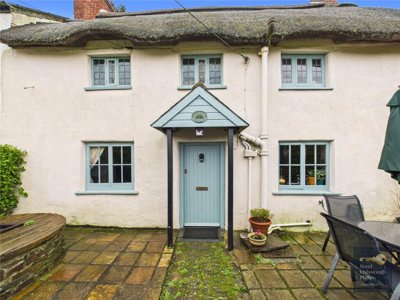
Browse 1 rental home to rent in Merton, Torridge from local letting agents.
The Merton property market offers detached, semi-detached, and terraced houses spanning various price ranges and neighbourhoods. Each listing includes detailed property information, photographs, and direct contact with the marketing agent.
£0/m
0
0
0
Source: home.co.uk
Showing 0 results for Houses to rent in Merton, Torridge.
Merton, Torridge, Devon has a rental market built around the sort of agricultural and residential homes you expect in North Devon villages. On the market, we see period cottages with exposed beam ceilings, inglenook fireplaces and stone tile floors, alongside modernised farmhouses that have been brought up to date with central heating and contemporary kitchens while still keeping their character. Semi-detached family homes also appear, often with three bedrooms and decent-sized rear gardens, and larger detached properties on the village edge do come up from time to time. Most rentals are houses with two to four bedrooms, generous gardens and off-street parking that suits the rural setting. Flats are rarer in the village itself, though conversions above village premises or in converted agricultural buildings may occasionally be available.
Prices in the Merton, Torridge area tend to mirror both the rural location and the standard of homes on offer. Two-bedroom cottages and houses generally sit between £750 and £950 per month, which is often better value than coastal North Devon, where tourism pushes rents higher. Family homes with three or four bedrooms may run from £1,000 to £1,400 per month, depending on condition, garden size and details such as recently fitted kitchens or bathrooms. Exceptionally good rural views across the Torridge valley, large gardens, or recent work like double glazing and modern heating can push a property to a premium. Summer is usually the busiest spell, as families try to move before the new school year in September, so people with fixed dates should start early.
Looking beyond Merton itself, nearby Torridge villages can provide other rental options to suit different budgets or requirements. Places such as King's Nympton, Rose Ash, or the larger settlement of Swimbridge may have homes with similar countryside character. Great Torrington, around eight miles from Merton, gives access to a wider market, including purpose-built flats and terraced houses, for anyone who wants easier access to town amenities but still prefers a rural base. Speaking to local letting agents covering the wider Torridge area can open up properties in several places at once, which makes the search a little easier.

Merton, Torridge, Devon lies within the Torridge local authority area of North Devon, a stretch of countryside known for its outstanding natural beauty and traditional English landscape. The village sits in a quiet setting, surrounded by rolling farmland, hedgerows thick with wildlife and the red Devon soil that gives the county its distinctive look. There is a lively sense of community too, with the village hall hosting quiz nights, craft fairs and community lunches that give newcomers a chance to get to know people. St Mary the Virgin parish church dates from the 15th century and acts as a focal point for village life, while the village pub offers the usual setting for drinks and meals. Life moves at a slower pace here, with space, quiet and a real sense of being away from urban pressure.
Around Torridge, there are plenty of other villages, market towns and coastal spots that add to the appeal. Great Torrington is about eight miles away and brings supermarkets including Tesco and Co-op, independent shops, medical facilities at Torrington Health Centre, and the well-known Dartington Glass visitor attraction, where glassblowing demonstrations sit alongside woodland walks. The North Devon coast is reachable within a 30-minute drive, including the Blue Flag beach at Westward Ho! and the tidal harbour at Instow, with its sailing club and waterside pubs. That puts the South West Coast Path, surfing and seaside trips within easy reach during the summer months.
From Merton, local walks lead through farmland and along countryside lanes, and the River Torridge is never far away. For those with the right licences, it also offers brown trout fishing. The river valley makes for particularly good riverside strolls, especially in spring when the hedgerows are full of wildflowers and in autumn when the woodland turns golden. Dolton, about four miles away, runs a popular farmers market on the first Saturday of each month, with local food and crafts on sale. For bigger shopping trips, Barnstaple is around 20 miles away and brings major retailers, a cinema and the historic Pannier Market, which remains the main commercial centre for North Devon.

Day-to-day shopping in Merton itself is limited, which is exactly what people expect from a small rural village, but the essentials are within a short drive. The nearest village with a convenience shop is usually Rose Ash, roughly three miles away, while more complete shopping means heading to Great Torrington or Bideford. In Great Torrington, there are two supermarket options, a butcher, baker, pharmacy, post office and a run of independent shops on the high street, including gift shops, clothing stores and hardware shops. Thursdays bring a weekly market too, where local producers sell fresh vegetables, eggs, meat and artisan goods such as honey from local apiaries and preserves made from hedgerow fruits.
For healthcare, residents can use Torrington Health Centre for GP services and basic treatments, with more specialised care at North Devon District Hospital in Barnstaple, around 20 miles away. Dental practices are available in Great Torrington and Barnstaple, although NHS dental places in North Devon can be competitive, so it is sensible to register with a local practice soon after moving. The nearest Accident and Emergency department is also at North Devon District Hospital in Barnstaple, about 25 minutes drive from Merton, so anyone choosing a rental here should think about emergency access as part of their search.
The village hall acts as Merton’s community hub, with yoga classes, a local playgroup for pre-school children and cinema evenings showing both classic and contemporary films. There is also a children’s play area near the hall, fitted out with equipment for younger children. For sport and leisure, Great Torrington has a swimming pool, fitness centre and tennis courts. Out in the countryside, the options widen again, with cycling, horse riding and walking across the many public rights of way that cross farmland and woodland through the Torridge valley.

Families renting in Merton, Torridge, Devon usually have a range of primary schools within easy reach in nearby villages and towns. The local primary school serving Merton is typically a small rural school, offering a close-knit setting with strong community ties and smaller class sizes than is common in urban areas. St Helen's Primary School in Great Torrington and other village primaries nearby give further choices, and some families pick schools for their educational approach or available places. Open days are usually available, so prospective families can visit, meet staff and get a feel for the school before making a decision.
For secondary education, pupils generally travel to schools in the surrounding market towns, with Great Torrington Community School and Petroc College among the main options in the area. Great Torrington School takes students from age 11 through to sixth form, with GCSE and A-Level courses across a broad mix of subjects. It is also known for its arts programmes and community engagement, and transport arrangements are available for pupils living in Merton and nearby villages. School buses cover the wider rural area, though routes and timings should be checked with the local authority before each academic year begins.
For families who want more educational choice, the wider North Devon area includes several well-regarded secondary schools, and some choose places in Bideford or South Molton depending on subject strengths or extracurricular options. Barnstaple also has further education provision, including Petroc, which offers vocational courses, apprenticeships and university-level programmes for older students. When renting in the Merton area, parents should check catchment areas and admission rules closely, because rural boundaries can vary and transport needs matter. Many families visit possible schools before committing to a rental property, and local letting agents can often help with school locations and current pupil transport arrangements.

Transport around Merton, Torridge, Devon reflects its rural village setting, and most residents depend on private vehicles for everyday life. The village sits off the A386, which runs through North Devon and links Okehampton, Great Torrington and Barnstaple, with onward routes towards the M5 motorway at Tiverton for longer journeys. For commuting or simple access to amenities, a car is generally seen as essential in Merton, although that is no different from most North Devon villages. By road, Great Torrington is about 15 minutes away, Bideford around 25 minutes and Barnstaple roughly 30 minutes, depending on traffic and the exact destination.
Public transport is available, but it is much more limited than in urban areas, as you would expect in rural Devon. Stagecoach runs the 5A bus service between Great Torrington and Barnstaple, passing through nearby villages, although frequency is low, with perhaps two or three services daily on the main routes and fewer at weekends. The nearest railway stations are in Barnstaple or Exeter, and Exeter St Davids provides Intercity Express connections to London Paddington, with the trip to London taking around two and a half hours. Exeter Central adds further services, including South Western Railway links to the south coast.
Anyone working in Exeter, or travelling to London now and then, can drive from Merton to Exeter in about 45 minutes. That makes occasional office travel possible, though it is not realistic for a daily commute. Many people living in North Devon villages work locally instead, and home working has become more common for those in professional roles that allow remote work. Parking at village properties is usually straightforward too, with off-street space commonly included, which is a sharp contrast to town and city living where parking can be awkward and expensive.

To begin with, it makes sense to research the Merton, Torridge, Devon rental market so you know what is available, what prices to expect and which parts suit your routine. Rental prices here range from £750-£950 for two-bedroom properties up to £1,000-£1,400 for larger family homes. Budgeting properly matters, so remember rent, council tax payable to Torridge District Council, utility bills including oil or electricity for heating, and moving costs. Securing a rental budget agreement in principle before viewings also shows agents and landlords that your finances are in order.
We recommend contacting local letting agents in North Devon to register your interest and receive alerts when new homes come up in Merton and the surrounding villages. Our platform connects you with agents managing rental properties across Torridge and North Devon, from village cottages to homes in nearby market towns. Being on the books with several agents can improve your chances of finding something suitable quickly, especially in the busy summer rental market when families want to move before the school year starts.
Once the right properties appear, arrange viewings so we can judge condition, location and whether each home really fits the brief. In rural viewings, it is wise to check for damp, the heating system, which is often oil-fired in this area, the age and condition of the roof, and features common in older buildings such as single-glazed windows or solid walls. Take photographs to compare later and note any maintenance concerns to raise with the agent.
When the right property turns up, the landlord or letting agent will provide a tenancy agreement for review. Take time over the rent amount, payment schedule, tenancy duration and notice periods. Standard Assured Shorthold Tenancies usually run for six or twelve months. Rural homes may also contain clauses about garden maintenance or the use of outbuildings. A legal professional can review the agreement before signing, particularly where non-standard terms appear.
Landlords will carry out referencing checks covering credit history, employment status and previous landlord references. Be ready to provide proof of identity, proof of income or employment, and references from previous landlords. Once the checks are complete and satisfactory, you will pay your security deposit, typically five weeks rent and capped by law at five weeks rent regardless of rent level. That deposit must then be protected in a government-approved scheme within 30 days of receipt.
Moving in means arranging key collection and a check-in appointment with the landlord or agent. A detailed inventory should record the property’s condition so the deposit is protected at the end of the tenancy. In older rural homes, it is sensible to note the condition of features such as thatch if applicable, timber windows, septic tanks and any private water supply equipment. After that, notify the relevant parties of your change of address and set up council tax with Torridge District Council, utilities and contents insurance for the new rental home.
Renting in a rural village such as Merton, Torridge, Devon means thinking about a few things that do not arise so often in towns. Homes here may include features typical of older Devon buildings, including thatched roofs on some traditional cottages, septic tanks or private drainage rather than mains sewerage, oil-fired central heating instead of gas, and, in some cases, private water supplies from wells or springs. These details are part of the appeal of rural living, but they also bring maintenance and cost implications that renters should understand before signing up. We would always ask the landlord or agent about the heating system, its age, recent servicing history and normal running costs.
The wider North Devon landscape includes areas with different levels of flood risk, although Merton village itself sits at a reasonably elevated point away from the main floodplain of the River Torridge. Prospective renters should still ask about any history of flooding or surface water problems affecting a particular property or access road, especially where the home sits lower down or close to a watercourse. If a property backs onto farmland, it is worth being ready for normal rural activity, such as seasonal machinery noise, farm traffic on country lanes and occasional smells from slurry spreading. Sheep and cattle in nearby fields are part of everyday life too.
Insurance for rural homes should be part of the budget, including cover for outbuildings, gardens and contents. Standard tenant contents insurance is available from most providers and usually costs less than it does in urban areas, where theft and burglary risks are often higher. If a property has a thatched roof, specialist cover may be needed, and renters should check that their contents policy covers thatch-related risks such as fire or water damage passing through the traditional roofing materials. Buildings insurance remains the landlord’s responsibility, but tenants should still confirm it exists and understand their own obligations for the interior and garden during the tenancy.
Prices in Merton, Torridge, Devon still reflect the rural setting and the sort of homes available. Two-bedroom cottages and houses usually rent for £750 to £950 per month, a fair option for countryside living compared with coastal parts of North Devon where holiday demand keeps prices higher. Three to four-bedroom family homes generally range from £1,000 to £1,400 per month, with the exact figure depending on condition, location within the village or surrounding area, and features such as renovated kitchens, recent central heating installation or large gardens. Homes with especially good views over the Torridge valley or newly updated interiors may sit towards the top of those ranges. In the wider Torridge area, prices have stayed fairly steady, with only modest growth in rural rental demand as more people seek countryside living after changes to working patterns.
Council tax in Merton falls under Torridge District Council, with bands from A to H depending on the property value set by the Valuation Office Agency. Rural homes in the village are often placed in the lower to mid bands because of their size and setting, and many smaller cottages fall into bands A or B. Before committing, prospective renters should ask the letting agent or landlord for the council tax band, as it forms a sizeable part of monthly outgoings. Band A properties in the Torridge area have annual charges of about £1,400 to £1,500 per year, while Band D homes are around £1,900 annually, usually spread over ten months or twelve months depending on the arrangement. Students and certain other groups may be exempt.
The Merton area is mainly served by small rural primary schools in nearby villages, which tend to offer close-knit learning environments where teachers know pupils individually. For secondary education, Great Torrington Community School serves the local area and provides a full curriculum from Year 7 through to A-Levels, with solid examination results and extracurricular activities including sports teams and performing arts. Other secondary schools in Bideford and South Molton also serve North Devon families, and some parents choose schools for particular subject strengths or activities outside the classroom. Admissions policies and catchment areas should be checked carefully, because they can change and may affect travel for older children.
Public transport for Merton is limited, which fits its rural North Devon location where car ownership is usually higher than in towns and cities. Local bus services link the village with surrounding towns and villages, but frequencies are low, with perhaps two or three services daily on the main routes between Great Torrington and Barnstaple. The nearest railway stations are in Barnstaple, which provides local services, and Exeter St Davids and Exeter Central, where direct trains to London Paddington take around two and a half hours. A car is generally seen as essential for everyday life in Merton, though public transport is there for the odd trip to larger towns, medical appointments or rail connections.
Merton, Torridge, Devon offers a strong quality of life for people looking for peaceful rural living with a real sense of community. The village brings countryside living, an active local population, attractive surroundings with easy access to the River Torridge and the North Devon coast, and a friendly feel that many renters value. Housing costs are generally lower than in urban or coastal areas, gardens are usually generous and off-street parking is commonly included with village homes. The trade-off is less access to amenities than town or city living, the likelihood of needing a car for most daily tasks, and the extra costs and maintenance that come with older rural property.
When renting in Merton, Torridge, Devon, the usual upfront cost is a security deposit equal to five weeks rent, capped by law at five weeks rent regardless of rent level. That deposit has to be protected in a government-approved scheme, Deposit Protection Service, MyDeposits, or Tenancy Deposit Scheme, within 30 days of receipt, and the landlord must give prescribed information about the scheme in use. There may also be referencing costs, although government rules have limited these, along with administration charges and inventory check fees. We would always ask the letting agent for a full breakdown before committing, and keep separate money aside for removals, contents insurance and utility and council tax connection fees.
Many homes to rent in Merton are older buildings, often Victorian or earlier, and they usually come with the kind of character features that need more attention than a modern build. Common issues in older rural properties include timber window frames that may rot or need repainting, solid walls with less insulation than modern standards and, as a result, higher heating costs, and oil-fired boilers that need annual servicing and occasional repairs. Homes with thatched roofs may also need specialist maintenance from experienced craftspeople. At viewings, prospective renters should look closely at these features and ask about maintenance history, boiler service records and any known problems. A thorough check-in inventory at the start of the tenancy protects both sides and helps the deposit return go more smoothly at the end.
Getting the full cost of renting in Merton, Torridge, Devon clear from the outset helps with budgeting and keeps surprises to a minimum. Beyond the monthly rent, renters should factor in council tax payable to Torridge District Council, usually around £150-£200 per month for a Band B property, utility bills including electricity and oil or gas for heating, and water charges, which may be metered or included in the rent depending on the home. Contents insurance is important for protecting belongings and is usually available from major providers for around £10-£15 per month for a standard rental property. Rural homes can also bring extra costs such as oil deliveries for heating, septic tank emptying and maintenance every few years, and higher electricity use where mains gas is not available.
Initial rental costs usually include a security deposit of five weeks rent, agency referencing fees capped by government regulations, and, in some cases, an administration charge from the letting agent. The government cap on holding deposits keeps them to one weeks rent, and that amount is credited towards the final deposit or the rent once the tenancy agreement is signed. The deposit must be protected in a government-approved scheme within 30 days of receipt, and the landlord has to provide written confirmation of the scheme being used. At the end of the tenancy, the deposit should be returned within ten days of the check-out inventory being agreed by both sides, provided there is no damage beyond fair wear and tear. Dated photos at check-in, together with copies of the inventory signed by both parties, offer useful protection and help the deposit return process run more smoothly.
Properties to Rent In London

Properties to Rent In Plymouth

Properties to Rent In Liverpool

Properties to Rent In Glasgow

Properties to Rent In Sheffield

Properties to Rent In Edinburgh

Properties to Rent In Coventry

Properties to Rent In Bradford

Properties to Rent In Manchester

Properties to Rent In Birmingham

Properties to Rent In Bristol

Properties to Rent In Oxford

Properties to Rent In Leicester

Properties to Rent In Newcastle

Properties to Rent In Leeds

Properties to Rent In Southampton

Properties to Rent In Cardiff

Properties to Rent In Nottingham

Properties to Rent In Norwich

Properties to Rent In Brighton

Properties to Rent In Derby

Properties to Rent In Portsmouth

Properties to Rent In Northampton

Properties to Rent In Milton Keynes

Properties to Rent In Bournemouth

Properties to Rent In Bolton

Properties to Rent In Swansea

Properties to Rent In Swindon

Properties to Rent In Peterborough

Properties to Rent In Wolverhampton

Enter your details to see if this property is within your budget.
Loans, cards, car finance
Estimated property budget
Borrowing + deposit
You could borrow between
Typical borrowing
Monthly repayment
Est. at 4.5%
Loan-to-value
This is an estimate only. Your actual budget may vary depending on interest rates, credit history, and personal circumstances. For an accurate affordability assessment, speak to one of our free mortgage advisors.
This calculator provides estimates for illustrative purposes only and does not constitute financial advice. Your home may be repossessed if you do not keep up repayments on your mortgage. Estimates based on 4.5% interest rate, repayment mortgage. Actual rates depend on your circumstances.
Homemove is a trading name of HM Haus Group Ltd (Company No. 13873779, registered in England & Wales). Homemove Mortgages Ltd (Company No. 15947693) is an Appointed Representative of TMG Direct Limited, trading as TMG Mortgage Network, which is authorised and regulated by the Financial Conduct Authority (FRN 786245). Homemove Mortgages Ltd is entered on the FCA Register as an Appointed Representative (FRN 1022429). You can check registrations at NewRegister or by calling 0800 111 6768.

We use cookies to show you personalised content and improve your experience of our website. Find out more in our Privacy policy and Cookie policy.