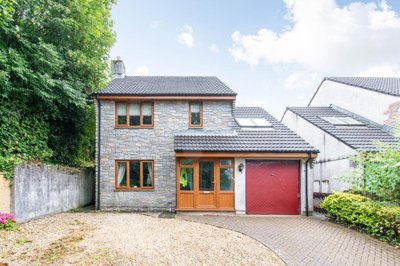
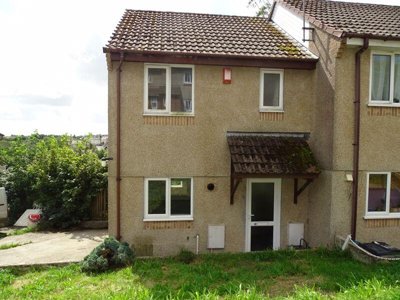
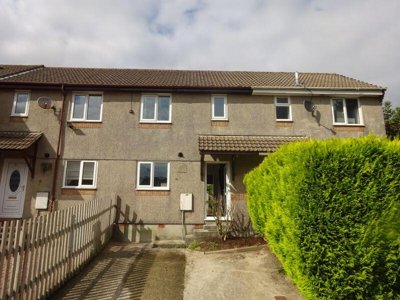
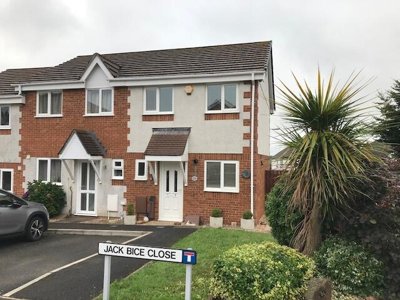
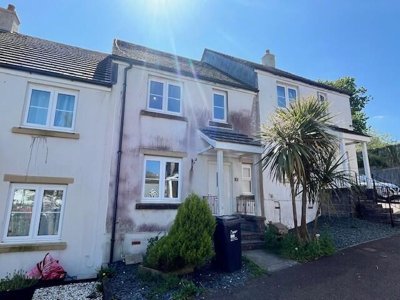
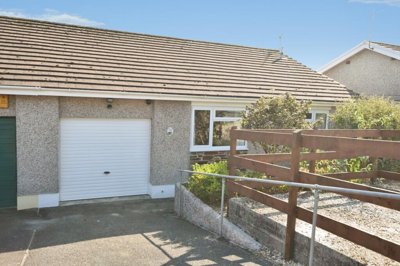
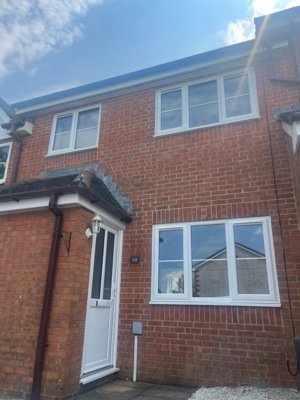
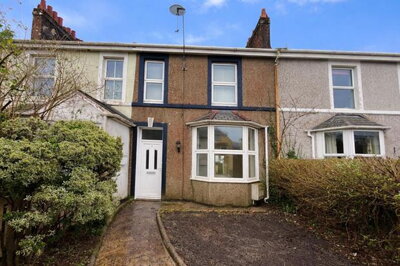
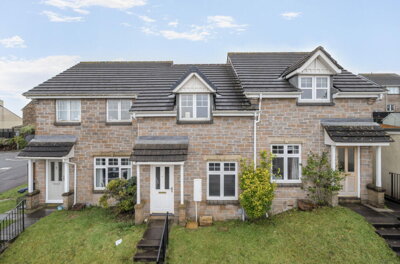
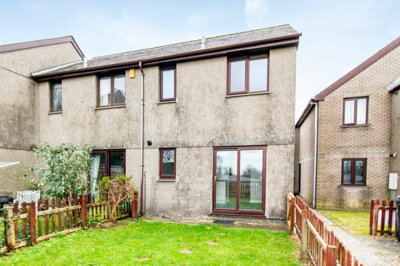
Browse 14 rental homes to rent in Menheniot, Cornwall from local letting agents.
The Menheniot property market offers detached, semi-detached, and terraced houses spanning various price ranges and neighbourhoods. Each listing includes detailed property information, photographs, and direct contact with the marketing agent.
£0/m
0
0
0
Source: home.co.uk
Showing 0 results for Houses to rent in Menheniot, Cornwall.
Menheniot's rental market mirrors the wider strength of Cornwall's housing sector, and house prices here have climbed 6% over the past year according to homedata.co.uk data. That puts the village among the better-performing spots in South East Cornwall, with the current average sold price at £320,643 showing steady demand across postcode district PL14. Detached homes sit highest at around £346,200, as families and retirees continue to favour the extra space and privacy they bring. Semi-detached properties are more accessible at approximately £217,500, while terraced homes in the village usually sell for around £296,000, with the best prices going to cottages that have been sympathetically modernised while keeping their period features.
Even so, prices in Menheniot remain about 9% below the 2022 peak of £351,177, so there is still scope for landlords to be flexible on rental terms as values have softened from that high point. Over the last decade, more than 480 properties have changed hands in Menheniot and Liskeard, which points to a healthy level of market movement and gives some confidence to anyone taking a tenancy locally. New development is also broadening the housing mix for renters beyond the traditional village centre. South of Park An Kres, the Pearce Fine Homes scheme is delivering twelve new dwellings, made up of nine bungalows and three houses, with three affordable homes included. Then there is Wainhomes Tencreek Farm, approved in 2024, which will bring 202 new homes to the parish edge beside the Premier Inn and Bubble retail site, widening choice still further.

Menheniot's daily life is shaped by a long and unusual history, especially the mid-1800s when lead mining was at its height and as many as 19 mines were working nearby. The population rose to 2,420 during that industrial boom, and traces of the era remain visible in places such as Wheal Hony Stack, the Grade II listed mine chimney that still marks the scale of the local industry. Footpaths around the village link the various sites, so the past is not hard to find, and the Menheniot Neighbourhood Plan continues to protect the character that makes this part of Cornwall distinctive. There is also local support for a heritage list to sit alongside the existing protection for important buildings, including the Church of St Lalluwy, which has Grade I listed status.
Menheniot's built form speaks plainly of its Cornish roots. In the historic core, properties are mainly made from local rubblestone, either left exposed or rendered, with grey slates used for roofs that have stood up to Atlantic weather for generations. Brick, ashlar, and granite appear in the details, with granite lintels, quoins, and gateposts adding interest as you move through the village. Most buildings in the core date from the 19th century, though there are some 18th-century examples too, while late 20th-century self-contained estates, largely detached houses and bungalows, sit around William Laundry Close and across the north eastward and south eastward expansion areas. Stone buildings have traditionally been lime-washed, although render and paint are now more common, and the undulating shillet plateau gives the whole area a soft, rolling feel, with Greenstones rising up to form features such as Clicker Tor.

For families, Menheniot Primary School is a central part of village life. It takes children from Reception through to Year 6 and stands in a prominent spot beside the Pearce Fine Homes development site. Catchment matters here, because homes within an easy walking distance of the school often attract stronger rental interest and, in turn, premium rents. The school also benefits from close community links and smaller class sizes than many urban primaries, which gives pupils a more personal start and a chance to take part in village life early on. Anyone comparing rental homes should look up current Ofsted ratings and performance data as part of the decision, as those results have a direct bearing on both educational outcomes and the appeal of the catchment area.
Secondary schooling for Menheniot residents is usually found in Liskeard, about four miles from the village centre, with school buses running along the main routes. For sixth form and further education, many students head to Liskeard School and Community College, while others travel on to colleges in Plymouth, roughly 20 miles away. The A38 Devon Expressway makes that wider choice more practical, because it gives straightforward access to Plymouth and the education options there. That can suit families happy to travel for secondary and post-16 study while keeping primary school provision close to home. New homes at Tencreek Farm and Park An Kres may also influence future school capacity planning, so prospective tenants with children of school age should check with Cornwall Council on current and projected reception class availability.

About four miles east of Liskeard, Menheniot is well placed for the Cornish Main Line. Liskeard station provides regular trains to Plymouth in around 30 minutes, with onward links to Exeter, Bristol, and London Paddington. For commuters, that keeps the village firmly in play even if work is in Plymouth or farther afield. Road access is just as useful. The A38 Devon Expressway runs through the outskirts of Menheniot parish, giving a direct route west to Plymouth and north-east towards the M5 beyond Exeter. In practice, that means a journey to Plymouth takes around 40 minutes by car under normal traffic conditions, which is one reason the village appeals to people who want rural surroundings without cutting themselves off from the bigger centres.
Bus links are thinner than in a town, but Menheniot is not isolated. Cornwall Council and private operators run services to Liskeard and the surrounding villages, giving people without a car access to supermarkets, healthcare, and other essentials. These routes are set up mainly around school travel and market day journeys into Liskeard, so timetables need checking carefully if commuting is part of the plan. Cycling provision is limited, which is no surprise in a rural parish, though the quiet lanes through the surrounding countryside make for pleasant leisure rides across the shillet plateau. For longer trips, Exeter Airport is about 70 miles away via the A38 and M5, while Newquay Airport on the north Cornwall coast offers seasonal flights to a range of UK and European destinations.

Before arranging viewings, it makes sense to get a rental budget agreement in principle from a lender, so the monthly rent and associated costs are clear from the start. That also shows landlords and letting agents that the application comes from a serious, financially checked tenant, which carries weight in a market where detached bungalows and sympathetically modernised period cottages often draw several enquiries. Upfront costs still need careful planning too, including the deposit, the first month's rent in advance, and referencing fees.
We also recommend spending time in Menheniot itself before committing to a tenancy. Walk the village, visit local facilities, check bus timetables to Liskeard, follow the footpaths that link the former mining sites, and speak with people who already live there. That gives a far better sense of the place than a brochure ever can. It also makes the practical side clearer, especially the dependence on Liskeard for supermarkets and the limited public transport, both of which matter once the novelty of a new address has worn off.
After narrowing the search, arrange viewings and consider asking for a professional survey report on the property's condition, particularly because Menheniot has so many older buildings. Homes in the historic core, especially those from the 18th and 19th century, can have issues such as penetrating damp in stone walls, slate roof defects, timber deterioration, or even signs of subsidence linked to the area's mining past. A proper inspection gives useful reassurance and can also support discussions about rent or any repairs that need to be done.
Before a tenancy agreement is signed, tenants need to understand their rights and responsibilities under Cornwall Council jurisdiction. That covers deposit protection, notice periods, and any special conditions attached to the property, including listed building restrictions that could affect alterations or improvements. With Grade I, Grade II*, and Grade II listed buildings spread through the village, some rental homes may have listed status, which can limit what can be changed without the right consent.
Once the tenancy terms are agreed, the next step is to work with the letting agent or landlord on the inventory check, utility transfers, and Council Tax registration with Cornwall Council. It is also worth getting to know the area properly, introducing yourself to neighbours and starting to explore the footpaths and community facilities that make Menheniot such a settled place to live. There is a strong community feel here, and the calendar fills up with events and activities through the year.
Renters in Menheniot need to look closely at the type of property they are taking on. A significant proportion of the village is built from traditional Cornish materials, including local rubblestone, slate, and granite. In the historic core, 18th and 19th century buildings often carry character features that are highly sought after, but those features may also need regular upkeep, so it is sensible to clarify who is responsible for maintenance. Traditional homes can be more prone to penetrating damp, timber deterioration, and dated electrical systems, which makes recent maintenance records and building survey reports especially useful. Lime-mortared construction is common too, so repointing and periodic maintenance may be needed to stop moisture getting in.
The spread of listed buildings across Menheniot adds another layer to the decision. Grade I, Grade II*, and numerous Grade II listed structures are found throughout the village, and some rental properties may themselves be listed or sit within historic building groups that are subject to planning controls. That can mean listed building consent is needed for certain works, even small changes such as fixing shelves or installing fittings, so it may not be possible to alter a rented home as freely as elsewhere. The Menheniot Neighbourhood Plan has policies aimed at protecting the historic environment, which mainly affects owners and developers, but it helps preserve the distinct character that makes the village so appealing. Homes near surviving mining structures such as Wheal Hony Stack should also be checked carefully for any planning conditions or covenants tied to the tenancy.
Ground stability is another point worth checking in Menheniot, given its history as a lead mining centre with 19 mines operating at the peak of activity across the surrounding shillet plateau landscape. Historic workings may lie beneath parts of the parish, so properties close to former mining sites deserve careful structural assessment before anyone commits to them. The shillet plateau geology, with its characteristic Greenstones, generally gives stable foundations, but the mix of old mining, traditional building methods, and the age of much of the stock means professional survey advice is particularly valuable. Tenants should ask landlords what surveys or investigations have already been carried out, especially for homes in older developments around William Laundry Close or in the traditional village centre.

There is no detailed rental price breakdown for Menheniot in the available research, but the wider market still gives a useful guide. The average sold price is about £320,643, with detached homes at £346,200, semi-detached properties at £217,500, and terraced houses around £296,000, so rents tend to follow that pattern. In the village centre, one and two-bedroom cottages might start from around £700-£900 per month, while larger detached houses and bungalows could reach £1,000-£1,400 or more depending on condition and location. Cornwall also sees strong seasonal demand in summer, and that can affect both availability and pricing in places like Menheniot.
For council tax, properties in Menheniot sit under Cornwall Council's jurisdiction, with bands from Band A for lower-value homes through to Band H for the most expensive. Because the village includes traditional stone cottages, modern bungalows around developments such as William Laundry Close, and contemporary family houses, rental properties are likely to fall across several bands. Lower rateable values may sit in Bands A or B, while larger detached homes and higher-value properties could fall into Bands E through G. It is worth checking the exact band of any property under consideration, because council tax is a major part of the monthly outlay alongside rent, utilities, and Council Tax.
The primary school serving Menheniot is Menheniot Primary School, which takes pupils from Reception through to Year 6 and stands beside the Pearce Fine Homes development site on the southern edge of the village. For secondary schooling, children usually move on to schools in nearby Liskeard, about four miles away, with school buses running along the main routes. As with any local move, current Ofsted ratings and performance data should be checked for each school, since those results affect educational outcomes and property values in the catchment. Further and higher education are available in Plymouth, around 20 miles away, reached either by the A38 or by rail from Liskeard station.
Transport is limited in Menheniot, and the local bus network mainly links the village with Liskeard and the surrounding settlements for school journeys and market day trips. Anyone without a private car should study the timetables closely, because services are much less frequent than in urban areas. The nearest railway station is Liskeard, about four miles away, with regular Cornish Main Line services to Plymouth in 30 minutes and onward connections to Exeter, Bristol, and London Paddington. The A38 Devon Expressway also skirts the edge of the parish, giving direct road access to Plymouth and the wider motorway network via the M5 beyond Exeter.
Menheniot offers a strong quality of life for people after a quieter Cornish setting. Historic character, a close community, and the surrounding countryside make it appealing to families, retirees, and those working from home. The primary school, community facilities, and footpath network through former mining areas all sit within walking distance of many homes, which adds to its everyday convenience. That said, the limited public transport, the need to use Liskeard for supermarkets and services, and the rural nature of the village will not suit everyone. Recent planning approvals, including Wainhomes at Tencreek Farm, point to growing recognition of Menheniot as a desirable place to live, and that should continue to support both property values and rental demand over the coming years.
In England, the standard rental deposit is five weeks' rent, and that limit still applies where the annual rent is less than £50,000 under the 2024-25 threshold. Tenants should also plan for rent in advance, usually one month, plus any referencing fees charged by letting agents for credit checks, employment verification, and landlord references. Inventory check fees, taken at the beginning and end of a tenancy, cover the detailed inspection and written record of the property's condition, which helps protect both sides from unfair deductions when the deposit is returned. First-time renters may also come across zero deposit schemes from some providers, although those usually mean higher monthly payments over the term of the tenancy.
Working out the full cost of renting in Menheniot needs more than a glance at the monthly rent. The deposit is usually the biggest upfront payment, and it is typically set at five weeks' rent. That money must be protected in a government-approved scheme within 30 days of being received, which gives statutory protection if a dispute arises at the end of the tenancy. Before taking on a property in this Cornwall village, it is wise to have enough savings for the deposit and the first month's rent in advance, as well as moving costs and the first few household purchases. First-time renters may qualify for schemes that reduce or remove the upfront deposit, though these tend to come with higher monthly payments over the tenancy term.
There are also extra costs to factor in, especially tenant referencing charges covering credit checks, employment verification, and landlord references, which most letting agents will ask for before approving an application. Inventory check fees, charged at the start and end of a tenancy, cover the detailed inspection and recording of the property's condition, helping to prevent unfair deductions from the deposit at the end. In Menheniot, where older homes with stone walls and slate roofs are common, it is sensible to ask whether a professional inventory report is detailed enough to protect your position. Getting a rental budget agreement in principle before starting the search is a good move, because it shows financial credibility to landlords and helps you work out exactly what you can afford for monthly rent and other costs, including Council Tax under Cornwall Council jurisdiction.
Properties to Rent In London

Properties to Rent In Plymouth

Properties to Rent In Liverpool

Properties to Rent In Glasgow

Properties to Rent In Sheffield

Properties to Rent In Edinburgh

Properties to Rent In Coventry

Properties to Rent In Bradford

Properties to Rent In Manchester

Properties to Rent In Birmingham

Properties to Rent In Bristol

Properties to Rent In Oxford

Properties to Rent In Leicester

Properties to Rent In Newcastle

Properties to Rent In Leeds

Properties to Rent In Southampton

Properties to Rent In Cardiff

Properties to Rent In Nottingham

Properties to Rent In Norwich

Properties to Rent In Brighton

Properties to Rent In Derby

Properties to Rent In Portsmouth

Properties to Rent In Northampton

Properties to Rent In Milton Keynes

Properties to Rent In Bournemouth

Properties to Rent In Bolton

Properties to Rent In Swansea

Properties to Rent In Swindon

Properties to Rent In Peterborough

Properties to Rent In Wolverhampton

Enter your details to see if this property is within your budget.
Loans, cards, car finance
Estimated property budget
Borrowing + deposit
You could borrow between
Typical borrowing
Monthly repayment
Est. at 4.5%
Loan-to-value
This is an estimate only. Your actual budget may vary depending on interest rates, credit history, and personal circumstances. For an accurate affordability assessment, speak to one of our free mortgage advisors.
This calculator provides estimates for illustrative purposes only and does not constitute financial advice. Your home may be repossessed if you do not keep up repayments on your mortgage. Estimates based on 4.5% interest rate, repayment mortgage. Actual rates depend on your circumstances.
Homemove is a trading name of HM Haus Group Ltd (Company No. 13873779, registered in England & Wales). Homemove Mortgages Ltd (Company No. 15947693) is an Appointed Representative of TMG Direct Limited, trading as TMG Mortgage Network, which is authorised and regulated by the Financial Conduct Authority (FRN 786245). Homemove Mortgages Ltd is entered on the FCA Register as an Appointed Representative (FRN 1022429). You can check registrations at NewRegister or by calling 0800 111 6768.

We use cookies to show you personalised content and improve your experience of our website. Find out more in our Privacy policy and Cookie policy.