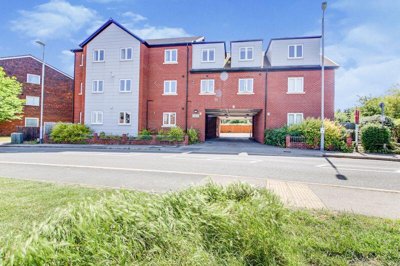
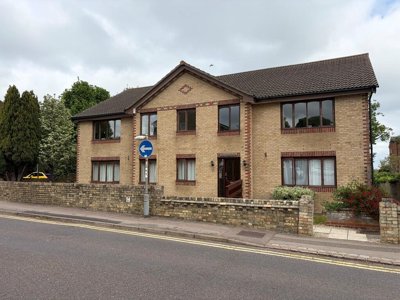
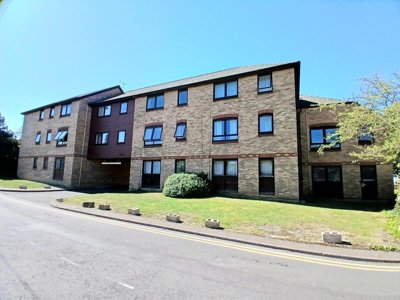
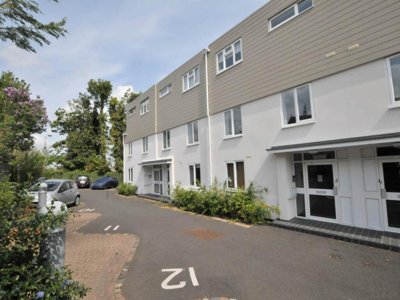
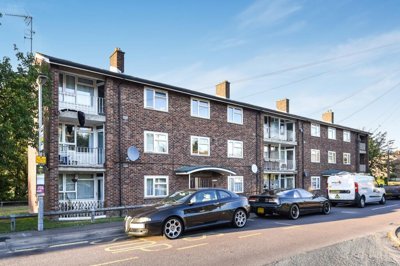
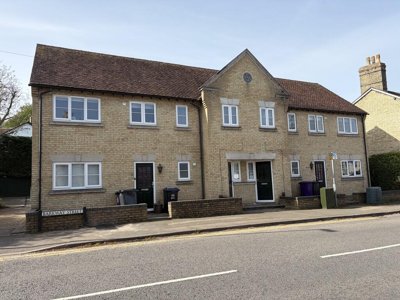
Browse 8 rental homes to rent in Melbourn, South Cambridgeshire from local letting agents.
One bed apartments provide a separate bedroom alongside distinct living space, bathroom, and kitchen areas. Properties in Melbourn are available in various building types including mansion blocks, contemporary developments, and house conversions.
£0/m
0
0
0
Source: home.co.uk
Showing 0 results for 1 Bedroom Flats to rent in Melbourn, South Cambridgeshire.
Melbourn’s market sits within the wider South Cambridgeshire picture, where recent sales data puts the average house price at £466,675. Rental figures move around according to property type, size, and condition, but the sales market still gives a useful steer on local values. Detached homes in Melbourn sit at the top end, averaging around £630,745, while semi-detached and terraced properties are much closer together, at roughly £380,000-£385,000. That price mix feeds through into rent, with larger family houses usually around £1,675 a month and compact apartments near £860. Our listings cover a broad spread, from smaller starter homes to family houses with gardens. ---NEXT---
Along the High Street in Melbourn SG8, values are firmly on the premium side, with average sold prices reaching £586,684 over the past year. Detached homes there average £805,200, semi-detached properties £423,000, and terraced houses £327,500, which says a lot about the appeal of this historic village street. Character homes, including Grade II listed thatched cottages, add something distinctive to the local market. Period properties often attract stronger rents too, though renters do need to think about the maintenance that older buildings can bring with them. New Road, Melbourn, offers a different entry point, with homes averaging £310,833 over the past year, a practical option for first-time renters or anyone looking for more affordable village accommodation. ---NEXT---
Property values in Melbourn have been fairly steady, with a modest 0.3% rise over the past year taking the average to £463,000 as of February 2026. That follows a 6% fall from the 2020 peak of £493,966, so the market has clearly settled back to a more workable level. home.co.uk currently lists 29 properties for sale in Melbourn, which suggests supply is reasonable rather than tight. For renters, that kind of backdrop can mean landlords are more likely to hold rents where they are while still spending on upkeep and improvements. It helps to have that context in mind when weighing up offers and working out what feels fair. ---NEXT---

Melbourn has that useful mix of rural character and everyday convenience that draws renters away from busier urban areas. In the village centre, you’ll find the essentials, a post office, convenience shops, and proper pubs serving food and drink made with local produce. Community life is strong here too, with regular events, clubs, and societies giving people plenty of ways to get involved. Around the edge of the village, the Cambridgeshire countryside opens out into walking and cycling routes, with footpaths crossing farmland and linking neighbouring villages. It suits anyone who wants fresh air and open views without giving up day-to-day practicality.
Melbourn supports a good spread of local businesses and services, serving both residents and people coming in from nearby places. The streetscape is varied, with period cottages, Victorian terraces, and newer developments all sitting side by side. Grade II listed buildings, including the thatched cottages on the High Street, underline the village’s place in South Cambridgeshire history. Recreation is well catered for too, with sports grounds, playgrounds, and community halls hosting activities all year round. And because larger centres are close by, residents still have straightforward access to wider shopping, entertainment, and work opportunities when they need them.
Village life in Melbourn tends to revolve around familiar institutions and the regular gatherings that keep people connected. The local primary school is a natural focal point for families, while the village hall puts on everything from craft fairs to exercise classes and community meetings. Pubs and eateries give the village a social side as well, often using locally sourced ingredients and running live music, quiz nights, or themed evenings. For those who prefer something more active, there are football teams, tennis clubs, and walking groups to join. Families also have several playgrounds and open spaces to choose from, so children can play while adults keep an eye on things from nearby benches or garden paths.

Education in Melbourn covers families with children at every stage, from early years through to further education. The village has a well-regarded primary school for children from Reception to Year 6, which is a real plus for younger families who want schooling close to home. Catchments in South Cambridgeshire are drawn along set geographic lines, so renters with school-age children should check exactly which schools serve a particular address before signing anything. Many families go for homes within walking distance of a good primary school, which cuts down on daily travel and makes after-school activities easier to manage.
In the wider area, secondary options include schools in nearby towns that regularly post strong academic results. Parents should look at current performance figures and think through transport before settling on a school. Within commuting distance of Melbourn, there are several villages and towns with well-regarded state secondary schools, and some have specialist subjects or a distinct teaching style. For childcare and early years, Melbourn and the surrounding villages offer nurseries and preschools with a range of approaches and schedules. Cambridge also keeps higher education close at hand, thanks to its world-renowned university and colleges, plus further education colleges offering vocational and academic courses.
When we look at schools near Melbourn, both exam results and extracurricular options matter. Ofsted reports can be useful, though many parents also prefer to hear from residents who know the local schools first-hand. For secondary pupils, transport usually means school buses or car sharing, and homes near established bus routes can make life much easier for working parents. Some families factor school catchments into the property search from the outset, choosing homes near the village primary or close to reliable routes for preferred secondary schools. Cambridge’s educational offer adds another draw for older children, with Cambridge’s colleges and the Anglia Ruskin University both within reach from Melbourn.

From Melbourn, residents can reach Cambridge, Royston, and London without giving up village living. The village sits close to the A10, the route between Cambridge and King’s Lynn, and under normal traffic conditions Cambridge city centre is usually about 20 minutes away by car. For London commuters, there are a few options, including rail services from nearby Royston station, which gives regular connections to Cambridge and London King’s Cross. From Cambridge stations, journey times to the capital are typically around 45-50 minutes.
Bus services link Melbourn with surrounding villages and market towns, which matters for people without a car. Students, retirees, and commuters who’d rather not drive all rely on those routes. Cyclists are also well served by country lanes and designated connections into nearby employment centres, while Cambridge’s cycling network makes two-wheeled commuting realistic for many. Parking is a bit mixed across the village, with on-street spaces common near the centre and more dedicated provision in newer developments. Plenty of commuters in Cambridge still drive to park-and-ride sites on the edge of the city, where they can avoid city centre traffic and parking charges.
For people working in Cambridge’s technology and bioscience sectors, Melbourn gives a useful balance of village rents and access to major employers. The Cambridge Science Park, Cambridgeshire Business Park, and Addenbrooke’s Hospital are all usually reachable within 25-30 minutes by car, and park-and-ride options make central Cambridge easier for those who want to avoid delays. Royston station adds another route, with direct trains to London King’s Cross taking about 50 minutes, so day trips into the capital are perfectly workable for finance, consultancy, or other city roles. Weekends in London are straightforward too, with theatre, shopping, and restaurant trips all on the cards. The village’s position near major roads also gives direct access to Stansted Airport, normally in under an hour in traffic.

Before we start viewing properties in Melbourn, it helps to get a rental budget agreement in principle from a lender or broker. That tells landlords you are serious and have the finances to meet the monthly rent. Lenders usually look at income, existing commitments, and credit history to work out an affordable monthly figure. Having that paperwork ready can put you in a stronger position when several people want the same home. Some renters also use professional referencing services to keep the application process moving and present things neatly to landlords.
It is worth spending some time in Melbourn before you commit to a tenancy, just to get a feel for the place, the amenities, and how the transport links actually work. Try visiting at different times of day so you can judge noise, traffic, and the general atmosphere. A chat with residents can be helpful too, especially for practical points about local services, school catchments, and commuting. Knowing exactly where a property sits in relation to the places you use most often can save a lot of frustration later. We’d also suggest coming back on different days of the week, so you can see the full pace of village life for yourself.
Once you have a shortlist, contact local estate agents and landlords to book viewings on properties that fit your needs. During each visit, make notes and take photos of the rooms, it makes comparison much easier afterwards. Keep an eye on the general condition, maintenance standards, and any signs that repairs have been left too long. Ask about lease terms, what is included, and any rules on pets, smoking, or alterations before you get attached to a place. Our team can talk you through the right questions to ask and help you judge whether a property is good value in the current market.
After you have found a suitable home, complete the tenant referencing form as soon as you can, otherwise another applicant may get there first. Landlords normally ask for references from previous landlords, proof of income or employment, and a credit check. In a market like South Cambridgeshire, speed and organised paperwork really do help. Some renters prefer to use professional tenant referencing services because they can speed things up and handle the verification properly. We work with trusted providers who can turnaround checks within 48 hours, which keeps you ahead of the competition.
Before signing, read the tenancy agreement closely, especially the rent, deposit obligations, lease length, and any special conditions. By law, your deposit must be protected in a government-approved scheme within 30 days of the tenancy start date. You should also receive copies of all the relevant documents, including gas safety records, energy performance certificates, and inventory paperwork. A careful inventory check at this stage helps both sides avoid arguments at the end of the tenancy. Our team can point you towards professional inventory services and talk through the agreement before you commit.
Renting in Melbourn means paying attention to a few local details that can affect both day-to-day living and longer-term plans. The village includes conservation areas and listed buildings, so there are planning restrictions on alterations, and anyone hoping to personalise a home should check what is actually allowed before signing up. Older period properties have plenty of charm, though insulation, heating efficiency, and room sizes can be very different from those in modern homes. Energy Performance Certificate ratings are a useful guide to running costs, and even older buildings can sometimes be improved enough to bring those costs down noticeably.
Ground conditions in parts of Cambridgeshire can influence foundations, and although detailed geological data for Melbourn was not readily available, the variety of soil types across the region means some homes may be more prone to movement. Anyone viewing an older property should look out for subsidence, cracking, or damp, and ask landlords about earlier structural works or warranties. Flood risk appears limited in the available data for Melbourn, though we would still suggest checking flood risk assessments for specific addresses, particularly near watercourses or in low-lying spots. If you are renting a flat or a home within a managed development, service charges, ground rent terms, and maintenance responsibilities all need checking carefully, because they can vary a lot from one property to another.
On viewings in Melbourn, it pays to look closely at the condition of period features that bring character but also need upkeep, such as thatched roofs, original windows, and old fireplaces. We’d ask landlords about recent maintenance, boiler servicing, and any planning permission obtained for changes or improvements. Grade II listed properties come with extra responsibilities and restrictions, so tenants should understand that any work affecting listed features may need consent from the local planning authority. Newer developments in the village usually bring modern construction standards, lower maintenance, and features such as better insulation, double glazing, and efficient heating. Weighing the upfront cost against the likely running costs can help you choose a home that fits both your current budget and longer-term plans.

Current market research does not give us direct rental price data for Melbourn, but the sales market still gives a useful steer on what rents may look like. Detached homes average around £630,745 in sales value, while semi-detached and terraced properties sit around £380,000-£385,000. That usually feeds into monthly rents, with family homes likely somewhere between £1,400-£2,200 depending on size, condition, and exact location. Homes on desirable streets such as the High Street, where detached properties average £805,200 in sales value, tend to command premium rents because of their character and position in the village centre. For the most accurate current figures, it is best to speak directly with local letting agents, since landlord circumstances and property condition can make a big difference to what is achievable.
For council tax purposes, properties in Melbourn fall under South Cambridgeshire District Council, which manages local services across the district. Council tax bands run from A through H and are based on 1991 property values, with the band set according to features such as size, location, and original value. Each property has its own banding, and you can check it using the Valuation Office Agency’s online search tool with the address. South Cambridgeshire District Council sets annual rates that rise gradually across the band range, with Band D usually used as the reference point for comparisons. Tenants should include council tax in their monthly budget alongside rent and utilities, because it can add several hundred pounds a month depending on the band and any discounts or exemptions for single occupants or students.
Melbourn has a primary school for children from Reception through Year 6, and the village is also within reasonable reach of several well-regarded primary schools in surrounding villages. That local provision means families who rent in Melbourn can often find places within walking distance of home, which saves on the school run and the costs that come with it. For older children, secondary options are available in nearby towns with strong academic results, and transport is an important part of the decision-making process. Looking at current Ofsted ratings and exam results gives parents a better basis for comparing schools, while league tables add another set of figures to work with. For childcare, local nurseries and preschool settings serve the village and nearby communities, with Montessori, forest school, and traditional nursery programmes all available.
Bus services link Melbourn with surrounding villages and market towns, giving useful access for anyone without a private vehicle. These routes serve commuters, shoppers, and students, although evening and weekend frequencies may be more limited than the services you would expect in a town or city. Rail access comes from nearby Royston, with regular trains to Cambridge and London King’s Cross, and journey times to London are about 45-50 minutes from Cambridge stations. The A10 gives direct road access to Cambridge city centre, usually around 20 minutes in normal traffic, though that can stretch badly at peak times when the approaches get busy. Park-and-ride sites on the edge of Cambridge offer a practical way to avoid city centre parking charges and congestion, and several are easy to reach from the A10 approach.
For renters, Melbourn offers a strong quality of life with village living still within easy reach of jobs and entertainment in the city. Historic character sits alongside practical amenities, there is a solid community spirit, and the surrounding countryside gives plenty of walking and cycling routes all year round. Homes range from period cottages to modern family houses, so the village suits different budgets and lifestyles, whether you need compact accommodation for one or two people or a larger family home with a garden. Because the local rental market can be competitive, having your financial documents ready improves your chances of securing the right place. Good schools, reliable transport, and essential services make Melbourn a sensible choice for families and professionals commuting to Cambridge or London, while still feeling like a proper village rather than a dormitory suburb.
Under the Tenant Fees Act, landlords can only ask for a refundable deposit capped at five weeks rent where the annual rent is less than £50,000. That deposit has to be protected in a government-approved scheme within 30 days of the tenancy start date, and your landlord must tell you in writing which scheme is holding it. Agents and landlords may charge reasonable fees for referencing, administration, or check-in, but those costs must be explained clearly before you commit to the application. First-time renters should also allow for upfront rent, usually one month in advance, plus deposit, moving costs, and any furniture or equipment they may need. A professional rental budget service can help you work out what you can afford before you start viewing, and our team can put you in touch with trusted providers in the Melbourn area.
From 4.5%
Our team can arrange rental budget assessments, so landlords can see that you are financially ready
From £30
Professional referencing services help you apply for properties with confidence
From £350
If you are thinking about buying a rental property, our RICS Level 2 Survey checks condition thoroughly
From £80
Energy Performance Certificates give a clear picture of possible running costs before you commit to a tenancy
Keeping an eye on the costs of renting makes budgeting much easier and helps avoid unpleasant surprises when you secure a tenancy in Melbourn. The Tenant Fees Act 2019 limits what landlords and agents can charge, so most of the old application fees have gone. Upfront costs are usually rent in advance, generally one month, plus a refundable security deposit capped at five weeks rent for homes with annual rents below £50,000. Those funds are held separately and returned at the end of the tenancy, subject to any legitimate deductions for damage or unpaid rent beyond normal wear and tear.
Alongside rent and deposit, you should allow for moving costs, furniture purchases, and connection charges for utilities and internet services. Some landlords still ask for tenant referencing fees, though these must be disclosed clearly before you proceed with the application. Professional inventory check services, often arranged by letting agents, record the condition of the property at the start and end of the tenancy to protect both sides. Energy Performance Certificates must be provided by landlords free of charge, and you should also receive gas safety certificates and electrical inspection reports. Credit checks and employment verification are standard, and professional referencing services can help busy renters move through the process more quickly. Planning the finances properly before you begin searching means you can act fast when the right home appears in competitive places like Melbourn.
When you are budgeting for a rental in Melbourn, it is sensible to think beyond the basic rent and deposit. Monthly utility bills can vary a lot depending on property size, insulation quality, and how much energy the household uses, with older period homes usually costing more to heat than newer ones. Broadband and mobile phone contracts are also part of the monthly picture, and broadband availability varies across the village depending on where the property sits and how close it is to the cabinet. Council tax depends on the property band, with South Cambridgeshire District Council setting annual rates that rise across bands A through H. Contents insurance protects your belongings against theft, fire, or damage, while pet owners may need to allow for extra landlord charges or higher deposits where pets are permitted. Depending on the tenancy agreement, building maintenance and garden upkeep may fall to the tenant, so it is worth clarifying those responsibilities before you sign.
Properties to Rent In London

Properties to Rent In Plymouth

Properties to Rent In Liverpool

Properties to Rent In Glasgow

Properties to Rent In Sheffield

Properties to Rent In Edinburgh

Properties to Rent In Coventry

Properties to Rent In Bradford

Properties to Rent In Manchester

Properties to Rent In Birmingham

Properties to Rent In Bristol

Properties to Rent In Oxford

Properties to Rent In Leicester

Properties to Rent In Newcastle

Properties to Rent In Leeds

Properties to Rent In Southampton

Properties to Rent In Cardiff

Properties to Rent In Nottingham

Properties to Rent In Norwich

Properties to Rent In Brighton

Properties to Rent In Derby

Properties to Rent In Portsmouth

Properties to Rent In Northampton

Properties to Rent In Milton Keynes

Properties to Rent In Bournemouth

Properties to Rent In Bolton

Properties to Rent In Swansea

Properties to Rent In Swindon

Properties to Rent In Peterborough

Properties to Rent In Wolverhampton

Enter your details to see if this property is within your budget.
Loans, cards, car finance
Estimated property budget
Borrowing + deposit
You could borrow between
Typical borrowing
Monthly repayment
Est. at 4.5%
Loan-to-value
This is an estimate only. Your actual budget may vary depending on interest rates, credit history, and personal circumstances. For an accurate affordability assessment, speak to one of our free mortgage advisors.
This calculator provides estimates for illustrative purposes only and does not constitute financial advice. Your home may be repossessed if you do not keep up repayments on your mortgage. Estimates based on 4.5% interest rate, repayment mortgage. Actual rates depend on your circumstances.
Homemove is a trading name of HM Haus Group Ltd (Company No. 13873779, registered in England & Wales). Homemove Mortgages Ltd (Company No. 15947693) is an Appointed Representative of TMG Direct Limited, trading as TMG Mortgage Network, which is authorised and regulated by the Financial Conduct Authority (FRN 786245). Homemove Mortgages Ltd is entered on the FCA Register as an Appointed Representative (FRN 1022429). You can check registrations at NewRegister or by calling 0800 111 6768.

We use cookies to show you personalised content and improve your experience of our website. Find out more in our Privacy policy and Cookie policy.