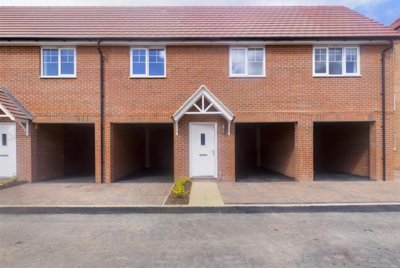
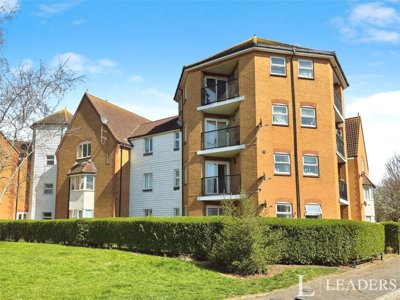
Browse 2 rental homes to rent in Matching, Epping Forest from local letting agents.
Studio apartments feature open-plan living spaces without separate bedrooms, incorporating sleeping, living, kitchen, and bathroom facilities. The Matching studio market includes properties in modern apartment complexes, converted Victorian and Georgian buildings, and purpose-built developments.
£0/m
0
0
0
Source: home.co.uk
Showing 0 results for Studio Flats to rent in Matching, Epping Forest.
Matching and the surrounding CM17 postcode area give tenants a fairly narrow but interesting range of homes to look at. Rental price data for Matching itself is limited, but the sales market still gives a decent steer on local values. Average house prices in Matching currently sit at around £592,500, with terraced properties averaging approximately £617,500 and semi-detached homes around £567,500. In practice, that points to a premium market, so quality accommodation in this desirable village setting tends to be priced accordingly. Nearby Matching Green and Matching Tye show similar levels, although Matching Green is higher again at an average of £988,583.
Traditional Victorian and Edwardian cottages feature heavily in the local rental mix, and many still have the details that make village life so appealing. We also see Grade II listed period properties overlooking village greens, with exposed beams, fireplaces and generous gardens among the features on offer. Semi-detached family homes provide the extra bedroom space some households need, while the blend of older and newer build stock keeps the market varied. Recent activity suggests house prices in Matching have risen by approximately 2% over the past year, bringing them back to levels close to the previous peak recorded in 2021, which does point to a steady local market.
Across Essex county, detached properties averaged £589,389 while terraced properties averaged £385,428 over the same period, according to recent market data. Semi-detached homes in the wider Essex area averaged £438,726, although premium village locations like Matching usually sit above that. There is also a clear split between newly built homes, averaging around £480k, and established properties at approximately £401k, a gap that reflects the value buyers and tenants place on character and setting in this corner of Essex. For tenants, the upshot is simple, period properties in Matching's conservation areas, especially around Matching Green and Matching Tye, are among the most sought-after rentals.

Matching is a classic English village, with the rural feel that many people picture when they think of Essex. It sits within the civil parish of Matching and falls under Epping Forest district, so it benefits from the conservation-minded approach that shapes much of this part of the county. The centre is built around the familiar green spaces seen in historic settlements, and homes overlooking these communal areas tend to enjoy a real sense of place. Footpaths through farmland and woodland link Matching with nearby villages, giving residents miles of scenic routes to use in every season.
A semi-rural location like this gives residents a useful middle ground, quiet countryside on one side, practical access to town amenities on the other. Matching is only a short drive from both Epping and Harlow town centres, where supermarkets, healthcare, high street shops and leisure facilities are all easy to reach. Harlow, just a few miles away, offers shopping at the Harvey Centre and regular markets, while Epping has a more traditional market town feel with independent shops and cafes. Victorian cottages dating from the 1830s onwards add a strong sense of character, and many still keep original architectural details that give the streetscene a genuine period feel.
Ground conditions are worth a close look here, because this part of Essex sits on land that includes London Clay deposits. That clay subsoil can shrink and swell during droughts or periods of heavy rainfall, which may affect foundations and ground stability over a very long period. Serious structural issues are uncommon in well-kept homes, but older properties do need more care, especially where trees or shrubs sit close to the foundations. Our inspectors look closely for signs of subsidence and damp penetration in homes built on clay soils, and we would advise a proper survey before taking on a longer tenancy in an older property.

Families looking for a rental in Matching have a decent choice of schools in the surrounding area. Primary provision is available in nearby villages and towns, with several good and outstanding options within a reasonable drive or school transport journey. Because Matching sits in Epping Forest district, families can also look at schools across both Essex and the neighbouring local authority areas, which widens the options a bit. Catchment areas matter here, though, so parents should check them carefully before committing to a property, since admissions rules can make a real difference to the schools available.
Secondary schools in the area serve the CM17 postcode and the surrounding villages well. Harlow and Epping both offer broad secondary provision, with sixth form places available for pupils carrying on after 16. Families needing specialist support or a different curriculum can also look further afield in Essex, including grammar schools in nearby Chelmsford. Higher education is within reach too, with Cambridge, London and other university cities accessible via the strong transport links that serve this part of the county. Anyone renting in Matching should also think about school transport and daily journey times, since those practical details can shape family life quite quickly.
The older housing stock in Matching, including Victorian and Edwardian homes, means local schools often have long-standing ties with village families. Potter Street Primary Academy and St. Mary's Catholic Primary School serve the surrounding area, while many secondary pupils travel to schools in Harlow where the transport links are straightforward. Parents should check current catchment boundaries and admission arrangements through Essex County Council's school admissions portal, as these can change each year and may affect siblings already at a particular school.

For commuters, transport is one of Matching's strongest points. The village sits in a useful position with good road links via the M11 motorway, giving straightforward access to Cambridge to the north and London to the south. The A414 runs through the nearby area as well, providing another route towards Chelmsford and tying the village into the wider Essex road network. Stansted Airport is reachable within approximately 30 minutes by car, which makes the area a sensible choice for anyone travelling regularly for work or leisure.
Nearby stations in Harlow and Epping give residents rail access to London Liverpool Street via the West Anglia Main Line. Harlow Town station and Epping station both run regular services into the capital, with journeys to London usually taking 30 to 45 minutes depending on the train and stops. Epping also has the London Underground's Central Line, which gives an alternative route into central London for people working in the City or West End. Local bus services link Matching with nearby villages and towns, although most commuters still find a car or other vehicle the most practical option for everyday travel.
That commuter demand has a big effect on Matching's housing market, because many residents work in London or in Harlow and Epping rather than locally. It helps explain both the higher property values and the make-up of the housing stock, which often includes period homes suited to families who want village life without giving up urban employment. Tenants should also factor commuting costs into their monthly budget, because regular rail travel to London, or using the Central Line, can add up quickly.

Renting in Matching means thinking through a few rural village issues that do not always show up in newer town properties. Period homes, including Victorian cottages and Grade II listed buildings, need a closer look at roofs, damp proofing and heating systems. Properties of this age often need more ongoing maintenance than newer builds, so it is sensible to be clear about the landlord's responsibilities before signing anything. EPC ratings can vary quite a lot in older homes too, so prospective tenants should read them carefully to gauge heating costs and any improvements that might be needed.
Damp is one of the more common problems in Matching's older housing stock, especially in homes with solid walls rather than cavity wall construction. Essex weather, with wet winters and the odd summer storm, can make moisture penetration worse in period properties where original damp proof courses have broken down over time. We would check corners, the back of furniture and rooms with little ventilation such as bathrooms and cellars. Modern central heating can sometimes hide the problem by warming walls without dealing with poor airflow, so a proper inspection before taking on a tenancy is well advised.
Electrical systems also need careful checking in older homes, because wiring fitted decades ago may no longer meet current safety standards or cope with modern demand. Plenty of Victorian and Edwardian properties in Matching still have original or early installations that would benefit from an upgrade. Prospective tenants should ask when the electrics were last tested and whether Consumer Unit circuit breakers have replaced older fuse boxes. Our surveyors often find outdated electrics in properties of this age, so asking for recent inspection records before signing a tenancy agreement is a sensible step.
Conservation area controls may apply to homes in Matching, particularly around Matching Green and Matching Tye, and that can restrict alterations or mean planning permission is needed for certain changes. Grade II listed properties bring extra responsibilities too, because original features have to be maintained and any modifications usually need consent from the local planning authority. Tenants should also check who is responsible for garden upkeep, since the larger gardens common with period properties need regular attention and that should be set out clearly in the tenancy agreement. It is also sensible to look at any leasehold terms for ground rent and service charges, as these can affect how affordable the rent really is.

Contact lenders or use our rental budget service to work out what you can afford each month. It gives you a firm figure to work from when searching in Matching and shows landlords that you are serious about the property. Once you have counted council tax, utility bills and the likely heating costs for older homes, you get a much clearer picture of what the tenancy will actually cost.
Spend time in the village and the surrounding area so you can get a feel for the amenities, transport links and day-to-day character. Try visiting at different times of day and on different days of the week, because Matching can feel quite different depending on the season and the pace of village life. Think carefully about how the semi-rural setting will affect your routine, especially if limited public transport is likely to be an issue.
Use our platform to browse rental homes in Matching and book viewings with local estate agents. Make notes at each visit and ask about lease terms, deposit requirements, and any fixtures and fittings that come with the property. In older homes, look closely at the condition of original features, the efficiency of the heating, and any signs of damp or patchy maintenance.
Once you have agreed a property, arrange a professional inventory check so the condition of the home is recorded before you move in. That protects both sides by creating a clear record at the start of the tenancy. Our team can organise professional inventory services throughout the Matching and CM17 postcode area.
Read the tenancy agreement carefully, with particular attention to the deposit amount, notice periods, rent review clauses and who is responsible for maintenance and repairs. Ask about anything that is not clear before you sign. In period properties in Matching, the clauses covering original features and any listed building consent obligations need to be understood properly.
When the move is finalised, take meter readings, collect the keys from the agent or landlord, and walk through the property carefully. Any differences from the inventory should be reported straight away so there is no dispute later when you move out. Take photographs of the meter readings and send copies to your landlord or letting agent so there is a clear starting point for utility bills.
Recent market research did not uncover specific rental price data for Matching, but the village market still points towards premium values because of its character and its proximity to London. Sales data shows average property prices around £592,500 in Matching, with terraced properties averaging approximately £617,500 and semi-detached homes around £567,500. In any market, rental values tend to follow sale prices, so tenants should expect competitive rates for good accommodation in this desirable Epping Forest village location. For the latest rental prices, we recommend searching our platform for available homes in the CM17 postcode area.
Properties in Matching sit within Epping Forest District Council's area for council tax. Across Essex, council tax bands range from A through to H, depending on the assessed value of the home. Period properties and cottages in Matching may fall into different bands depending on size, condition and location. Prospective tenants should ask the landlord or letting agent for the specific council tax band of any home they are considering, because this is part of the ongoing cost of renting and needs to sit within the budget. Council tax in Band D or above can add over £2,000 a year to the cost of renting in this area.
The Matching area is served by several primary and secondary schools across the surrounding Epping Forest district and Harlow areas. Nearby towns such as Harlow and Epping provide full education options, and a number of schools have good and outstanding Ofsted ratings. The right school for a child will depend on catchment area, individual needs and the family's preferred approach to education. We recommend checking current school performance data and admission policies through the Essex County Council school admissions website to narrow down the best choices for your circumstances. Families should also think about school transport, since most secondary schools in the area require either daily car travel or a dedicated school bus service.
Matching has reasonable public transport links, although a car is still generally seen as essential for day-to-day commuting and for getting to services. Epping station is within reach and offers London Underground Central Line services into central London, while Harlow Town station provides National Rail connections to London Liverpool Street. Bus services do link Matching with nearby villages and towns, though they are not as frequent as urban routes. For people working in London or other major employment centres, the rail links make Matching a workable choice for those who would rather not drive every day, although peak-time service changes still need to be built into journey planning.
Matching is a strong rental option for anyone wanting a peaceful village lifestyle within commuting distance of major employment centres. The area offers genuine countryside living, along with the practical benefit of being a short drive from the comprehensive amenities in Harlow and Epping. Homes here are usually characterful period properties rather than new developments, which appeals to tenants who like traditional English architecture and a proper village atmosphere. Scenic walking routes, a strong community spirit and access to Epping Forest make it especially attractive to families and anyone who values outdoor time. The main trade-off is that car ownership is almost a necessity, and the choice of rental homes is smaller than in the larger nearby towns because the village itself is modest in size.
In the UK, tenants usually pay a security deposit equal to five weeks' rent, capped at five weeks' rent where the annual rent goes above £50,000. As of 2024-25, that cap applies to deposits for properties with weekly rent below £960. Any deduction at the end of a tenancy must be for a legitimate reason such as unpaid rent or damage beyond normal wear and tear. A holding deposit equal to one week's rent may also be asked for while referencing checks are completed. It makes sense to budget for moving costs, furniture if needed and monthly outgoings as well, alongside these upfront rental costs when planning a move to Matching.
Matching has several Grade II listed period properties, especially around Matching Green and Matching Tye, and they contribute to the village's conservation area character. Living in a listed building as a tenant brings specific duties, because original features have to be kept to certain standards and changes need planning consent. Prospective tenants should understand that approval for things like a modern bathroom or a new kitchen may be harder to obtain in listed properties. Our team can arrange specialist surveys for listed buildings that look at both condition and the compliance issues linked to historic homes.
The Victorian and Edwardian homes that make up much of Matching's housing stock often come with damp penetration, ageing roofs and outdated electrics. Solid wall construction in these older buildings gives less insulation than modern cavity wall homes, so heating costs can be higher and condensation more likely. Many properties still have original timber sash windows, which may need specialist repair rather than replacement if the historic character is to be preserved. We would ask for evidence of recent maintenance and inspect older properties carefully before any tenancy is agreed, because repairs can be expensive and arguments over landlord and tenant responsibilities are common with period homes.
Getting to grips with the financial side of renting in Matching helps prospective tenants plan properly and avoid nasty surprises. The standard security deposit for renting in England is five weeks' rent, held in a government-approved deposit protection scheme for the duration of the tenancy. That deposit is returned at the end provided there is no damage beyond normal wear and tear and all rent has been paid. Tenants should set aside this upfront cost alongside the first month's rent when working out the total funds needed to secure a rental home in Matching. Professional inventory checks are usually arranged by the landlord, although the cost can sometimes be passed to the tenant, so it is wise to clarify that before signing anything.
There are other costs to factor in too. Some landlords or letting agents charge tenant referencing fees to verify identity, credit history and affordability. Administration fees are now mostly banned under the Tenant Fees Act, although they can still arise in limited cases such as early termination or lease renewals. Council tax, utility bills and internet services are ongoing responsibilities on top of the rent, and homes with weak energy efficiency ratings may lead to higher heating bills, which matters even more in older period properties in Matching. We recommend getting a full picture of the costs before agreeing to any tenancy, and our rental budget service can help you see the real cost of living in the area.
Energy efficiency deserves particular attention in Matching because so much of the local housing stock is older. Homes with solid walls and original single-glazed windows can be costly to heat, especially during Essex winters when temperatures regularly fall below freezing. EPC ratings for older Victorian properties often sit in bands D or E, which suggests scope for improvement through secondary glazing or updated heating systems. Tenants should read EPC certificates closely and build likely heating costs into their budget, since energy bills in poorly insulated period properties can be much higher than in modern equivalents.
From 4.5%
We can get you pre-approved for your maximum monthly rent, which makes the property search much easier to narrow down.
From £30
Thorough referencing checks can strengthen a rental application.
From £350
A professional survey is a good fit for older properties and listed buildings in the Matching area.
From £80
An energy performance certificate is required for all rental properties.
Properties to Rent In London

Properties to Rent In Plymouth

Properties to Rent In Liverpool

Properties to Rent In Glasgow

Properties to Rent In Sheffield

Properties to Rent In Edinburgh

Properties to Rent In Coventry

Properties to Rent In Bradford

Properties to Rent In Manchester

Properties to Rent In Birmingham

Properties to Rent In Bristol

Properties to Rent In Oxford

Properties to Rent In Leicester

Properties to Rent In Newcastle

Properties to Rent In Leeds

Properties to Rent In Southampton

Properties to Rent In Cardiff

Properties to Rent In Nottingham

Properties to Rent In Norwich

Properties to Rent In Brighton

Properties to Rent In Derby

Properties to Rent In Portsmouth

Properties to Rent In Northampton

Properties to Rent In Milton Keynes

Properties to Rent In Bournemouth

Properties to Rent In Bolton

Properties to Rent In Swansea

Properties to Rent In Swindon

Properties to Rent In Peterborough

Properties to Rent In Wolverhampton

Enter your details to see if this property is within your budget.
Loans, cards, car finance
Estimated property budget
Borrowing + deposit
You could borrow between
Typical borrowing
Monthly repayment
Est. at 4.5%
Loan-to-value
This is an estimate only. Your actual budget may vary depending on interest rates, credit history, and personal circumstances. For an accurate affordability assessment, speak to one of our free mortgage advisors.
This calculator provides estimates for illustrative purposes only and does not constitute financial advice. Your home may be repossessed if you do not keep up repayments on your mortgage. Estimates based on 4.5% interest rate, repayment mortgage. Actual rates depend on your circumstances.
Homemove is a trading name of HM Haus Group Ltd (Company No. 13873779, registered in England & Wales). Homemove Mortgages Ltd (Company No. 15947693) is an Appointed Representative of TMG Direct Limited, trading as TMG Mortgage Network, which is authorised and regulated by the Financial Conduct Authority (FRN 786245). Homemove Mortgages Ltd is entered on the FCA Register as an Appointed Representative (FRN 1022429). You can check registrations at NewRegister or by calling 0800 111 6768.

We use cookies to show you personalised content and improve your experience of our website. Find out more in our Privacy policy and Cookie policy.