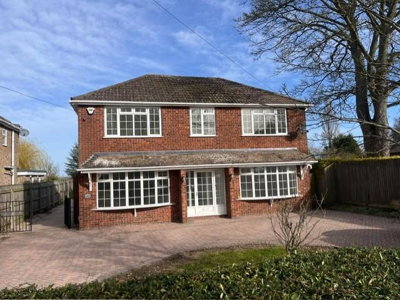
Browse 1 rental home to rent in Ludborough, East Lindsey from local letting agents.
The Ludborough property market offers detached, semi-detached, and terraced houses spanning various price ranges and neighbourhoods. Each listing includes detailed property information, photographs, and direct contact with the marketing agent.
£0/m
0
0
0
Source: home.co.uk
Showing 0 results for Houses to rent in Ludborough, East Lindsey.
Ludborough’s rental market looks very different from what you see in towns and cities, largely because the village is small and most homes are owner-occupied. Census 2021 data shows that only 22.23 percent of households rent, compared with the national average, so the private rental market is limited but keenly sought after. That lack of supply means any home that does come up can draw strong interest from tenants looking for the quiet and character of village life in the Lincolnshire Wolds. Our search tools let us filter by property type, number of bedrooms and rental range, so we can narrow down the options to suit your requirements.
Most homes that come onto the rental market here are traditional cottages, period farmhouses and, from time to time, converted agricultural buildings with more generous room sizes than many modern schemes. The average house price in Ludborough is £460,000 according to recent homedata.co.uk data, with detached properties at a median of around £460,000 and semi-detached homes averaging approximately £230,000. Values at that level naturally feed into rents, with landlords setting expectations around the substantial capital tied up in homes in this sought-after spot. Recent homedata.co.uk data also shows prices have risen by 44.9 percent over the past twelve months, which points to strong demand in both the sales and rental markets.
There are no active new-build schemes in Ludborough itself at present. Nearby, though, Wildflower Park by Snape Properties includes four-bedroom detached and semi-detached houses with estimated completions in 2026. Other developments within reach include Holton Croft in Holton-le-Clay, Wigmore Park by Barratt Homes in Grimsby, and Bracken Park by Gleeson in Louth, all of which offer newer homes for people happy to commute. For tenants set on Ludborough, however, the main choice remains the older character properties that make up the village housing stock.

Community, countryside and a slower pace shape day-to-day life in Ludborough, and the village has avoided much of the pressure that comes with urban growth. Its population has edged up from 191 residents in 2011 to 198 in the latest census, a modest increase that still suggests a settled place with a clear identity. People living here have easy access to walking routes across the Lincolnshire Wolds, an Area of Outstanding Natural Beauty known for rolling pastoral scenery, wildlife and plenty of space to get outdoors.
The Lincolnshire Wolds Railway, based at Ludborough station, is one of the village’s defining features. Heritage train services bring in visitors from across the region and also support local employment, while the preserved line helps tie Ludborough to the wider Wolds landscape. The village also has the Grade II listed Manor House, dating from the 16th century with later 19th and 20th century alterations, and the parish church of St. Mary, which has been at the centre of village life since medieval times. Back in 1821, Ludborough had just 45 homes, which says a lot about how it has grown without losing its historic feel.
Ludborough suits people who value rural living and are comfortable with the practical side that comes with it. The Lincolnshire Wolds Railway brings activity to the village through the year and helps support tourism and community events. Beyond that, the surrounding countryside is well suited to hunting, fishing and equestrian interests, all of which are a big draw for some tenants. Those local features go a long way towards explaining why Ludborough appeals so strongly to the people who choose it.

Anyone renting here with children should expect schooling to involve some travel. Ludborough is too small to support its own primary provision, so families usually look to nearby villages and market towns, with schools often serving several communities across the Lincolnshire Wolds. Transport arrangements can mean children travel several miles from Ludborough itself. Across East Lindsey district, which includes the village, there is a network of primary schools in surrounding settlements, while larger centres such as Louth and North Somercotes widen the choice for families prepared to go further.
For secondary education, most families look towards nearby towns where there is access to comprehensive and grammar school places. Before taking on a tenancy in Ludborough, it is sensible to check catchment areas, admissions policies and transport arrangements, especially where children have particular needs or talents. Lincolnshire County Council may offer school transport subsidies for pupils travelling beyond their immediate locality, which can make rural schooling a little easier to manage.
Sixth form and further education are mainly found in larger towns such as Grimsby and Louth, both reached from Ludborough via the A16. That matters when working out the real cost of living here, because limited local provision can add extra travel time and transport expense for families. We suggest checking the East Lindsey District Council and Lincolnshire County Council websites for the latest details on school admissions and transport subsidies for Ludborough residents.

Set within the Lincolnshire Wolds, Ludborough still has workable links to larger places for jobs and everyday travel. Roads from the village connect with the A16, giving access north to the market town of Louth and southeast to the port town of Grimsby. For people commuting into either centre, or heading onwards to the motorway network, that route is useful because it reduces the need to rely on narrow country lanes for every trip. In practice, car ownership is close to essential here because public transport for a village of this size is limited.
Public transport exists, but it is not geared around daily commuting. The heritage Lincolnshire Wolds Railway runs occasional passenger services at weekends and on special event days, linking Ludborough with other Wolds villages for leisure rather than work travel. Rural bus services in Lincolnshire are usually limited too, often focused on market days and peak times instead of running through the day. By car, the trip from Ludborough to Grimsby or nearby industrial areas is typically around 20-30 minutes, depending on the destination and traffic.
Longer commutes need a more careful calculation. Anyone travelling regularly to places such as Lincoln or Hull should allow for the extra time on the road and the cost of frequent longer-distance driving. For rail travel, the nearest stations with regular services are in Grimsby and Cleethorpes, where there are connections to major cities including Manchester and Sheffield. Getting clear on those travel realities helps us judge whether Ludborough works as a base for work as well as home life.

Rural Lincolnshire brings its own property considerations, and Ludborough is no exception. Local ground conditions include heavy clay soils with shrink-swell potential, which can be a particular issue for older buildings or homes close to sizeable trees. More general soil descriptions for Lincolnshire refer to heavy silty clay loam and silty clay topsoils over slowly permeable lower subsoils, and these can shrink in dry weather then swell again in wetter conditions. In some cases that movement leads to subsidence or structural shifting, especially where traditional village properties sit on shallow foundations.
Many homes in Ludborough are likely to reflect traditional local building methods, with red brick, rendered walls and slate roofing, much like the historic Manor House from the 16th century. The British Geological Survey gives shrink-swell hazard ratings based on ground plasticity and, although no specific Ludborough data was identified, clay soils across Lincolnshire make the point relevant here. Before agreeing a tenancy, we would want to know the property has been properly looked after and that the landlord understands any structural issues that can arise from the clay conditions seen across much of the county.
Flooding is another point to weigh up, even though there is no specific published flood record for Ludborough itself. Lincolnshire has seen major rainfall events, and Storm Henk in January 2024 caused both internal and external flooding to properties in different parts of the county after heavy rain fell onto already saturated ground. The Environment Agency has also warned that flood defences along the Lincolnshire coast may become ineffective by 2040 without major investment, potentially affecting around 20,000 homes. It is sensible to look closely at drainage, roof and gutter condition, and how well any property deals with surface water.
Older and more historic buildings often need a different approach to maintenance, and landlords should understand that before letting them out. Anyone renting in Ludborough should ask for a detailed inventory at the start of the tenancy and record the property’s condition properly with photographs. That protects both sides and makes sure any existing defects are logged before moving day. With period homes especially, it also helps to know the maintenance history and whether there have been earlier structural concerns.

Getting your finances lined up early can make a real difference in a small rental market like this. We advise arranging a rental budget agreement in principle from a lender or financial provider before you start searching. It shows landlords that the monthly rent is affordable and can speed up the process once a suitable place appears. In a village where rental supply is thin, being ready to move quickly gives applicants an advantage.
Choice is usually limited in Ludborough, so it makes sense to widen the search to nearby villages in the Lincolnshire Wolds as well. Knowing the usual price level for different property types helps us set realistic expectations and spot fair value when a listing does appear. With average house prices at £460,000, rents tend to reflect the strength of the underlying sales market in this part of East Lindsey. Alerts from local letting agents are well worth setting up, simply because stock can move fast.
Once a rental property is advertised, it is best to arrange a viewing quickly because there are rarely many alternatives available at the same time. During the visit, take time to check appliances, fixtures and fittings, along with any garden or outside space included in the tenancy. In Ludborough, we would pay extra attention to roofs, gutters and drainage because of the local clay soils and the wider flood-risk issues seen in Lincolnshire.
Found a property that fits. The next step is to send over a full tenancy application with references, proof of income and your rental budget agreement in principle. In a tight market, landlords may be choosing between several applicants, so complete paperwork and a prompt response both matter. Having references prepared ahead of time, along with proof of income, can help your application rise above the rest.
After an offer is accepted, the tenancy agreement needs a careful read before anything is signed. We would look closely at the deposit amount, the rent payment schedule, repair and maintenance responsibilities, and any extra conditions linked to the building itself or to any heritage status it may have. In the private rental sector, the usual deposit is the equivalent of five weeks rent, and it should be held in a government-approved deposit protection scheme for the length of the tenancy.
There is plenty to sort out once the paperwork is done. Tenants should arrange buildings insurance for tenants, open utility accounts and carry out a proper check-in inspection with photographs. It also helps to update address details everywhere relevant and get familiar with the local community, services and emergency contacts for Ludborough and the wider East Lindsey area. Rural GP and dental places can be limited, so registering with the local surgery and dentist early is a sensible move.
Budgeting properly matters just as much as finding the right house. In the private rental sector, a standard deposit is usually equivalent to five weeks rent and is kept in a government-approved deposit protection scheme during the tenancy. Because Lincolnshire Wolds rents reflect the desirability of the area and the stronger property values found in this part of East Lindsey, tenants should be ready with savings not only for the deposit but also for the first month's rent in advance and any agency fees that apply.
There can be a few extra costs on top of the obvious ones. Agency fees may apply for processing the tenancy application, carrying out reference checks and preparing the inventory, and the first month's rent is commonly payable in advance alongside the deposit. It is also worth allowing for moving costs, furniture if the property is unfurnished, and utility setup charges such as gas, electricity and internet connection fees. Because Ludborough is rural, broadband speeds and mobile coverage should be checked before committing, especially where work or day-to-day routines depend on them.
Stamp Duty Land Tax is not part of renting, though it may matter later for anyone planning a future purchase in Ludborough. First-time renters might still want to understand the current SDLT bands, which start at a zero rate on the first £250,000 of a property’s value, with 5 percent applying between £250,001 and £925,000. With an average house price of £460,000 in Ludborough, many buyers would fall into that higher SDLT bracket. We also suggest getting quotes for rental budgeting services and tenant referencing, so the full moving cost is clear from the outset.
Because Ludborough is small and rental transactions are relatively infrequent, there is not much village-specific rental evidence to draw on. Even so, local sale prices give a useful guide to likely expectations. The average house price is around £460,000, while semi-detached homes average £230,000 according to recent homedata.co.uk data, and rents in the area usually track those stronger capital values. Across the Lincolnshire Wolds, available homes can range from mid-market cottages to premium family properties with gardens and period features, and the limited supply means asking rents can swing quite a bit depending on condition and demand.
For council tax, Ludborough comes under East Lindsey District Council. The village includes both historic and more modern homes, and bands are generally based on property value at the point of assessment. Landmark buildings such as the Grade II listed Manor House, along with other older properties, may sit in bandings influenced by their heritage character and valuation. Before agreeing a tenancy, tenants should ask the landlord or letting agent to confirm the council tax band, as it is a routine part of the ongoing cost of renting here.
Schooling is nearby rather than in the village itself. Primary schools are found in surrounding communities, while secondary provision is available in market towns including Louth, approximately 7 miles away, with further options in Grimsby. Catchment areas, admissions rules and transport all need checking in advance, and Lincolnshire County Council may offer school transport subsidies for pupils travelling outside their immediate locality. For families, the day-to-day logistics of the school run should be part of the decision about renting in Ludborough.
Transport is one of the compromises that comes with village life here. Ludborough has limited public transport, which reflects both its size and its position within the Lincolnshire Wolds. Bus services run less often than in urban areas and are usually tied to particular days and times rather than offering full all-day coverage. The Lincolnshire Wolds Railway adds occasional leisure journeys, not commuter services, so most residents still rely on a car for work, shopping, healthcare and other services in larger towns.
For the right tenant, Ludborough offers a very appealing way of life. The village has a settled community, a modestly growing population, access to the Lincolnshire Wolds, heritage buildings including the Grade II listed Manor House, and the unusual draw of the Lincolnshire Wolds Railway. Renting here can take patience because 77.77 percent of homes are owner-occupied and the supply of lettings is small, so being ready to act quickly is important. Still, for people who put rural character, community and landscape ahead of urban convenience, Ludborough is a strong choice.
A typical private rental deposit is five weeks rent, and the landlord must place it in a government-approved protection scheme within 30 days of receiving it. Other costs can include agency fees for tenancy application processing, reference checks and inventory preparation, with the first month's rent usually due in advance as well. Moving expenses, furniture for an unfurnished property and utility setup costs all need to go into the sums too. Before we begin a serious search, we usually recommend getting quotes for rental budgeting services so there are no surprises later.
There may be no village-specific flood document for Ludborough, but Lincolnshire’s wider history still matters. Storm Henk in January 2024 led to internal and external flooding at properties across the county after heavy rainfall and saturated ground combined. Add in the county’s proximity to the Humber Estuary and clay soils that absorb water slowly, and it becomes clear why a careful look at any prospective rental is worthwhile. We would check drains, roof gutters and surface water arrangements closely, especially for homes on lower ground or near watercourses during wetter periods.
Traditional building styles are common in Ludborough, as you would expect in an older Lincolnshire village. Red brick, rendered walls and slate roofing all appear locally, including at the Grade II listed Manor House, and many homes date from the 18th and 19th centuries with solid walls rather than modern cavity construction. The local clay ground can contribute to movement where shallow traditional foundations are involved, so viewings should include a check for cracking, subsidence or doors that no longer hang square. Knowing how a property is built makes it easier to understand likely maintenance issues during the tenancy.
From 4.5%
Rent in Ludborough tends to reflect the area’s high property values, so a rental budget assessment is an important first step.
From £99
In a competitive rural rental market, this is often essential for showing landlords that you are a suitable tenant.
From £85
Before moving into a rental property in Ludborough, document the condition carefully and thoroughly.
From £455
Take time to understand the condition of any property you are thinking of renting in Ludborough.
Properties to Rent In London

Properties to Rent In Plymouth

Properties to Rent In Liverpool

Properties to Rent In Glasgow

Properties to Rent In Sheffield

Properties to Rent In Edinburgh

Properties to Rent In Coventry

Properties to Rent In Bradford

Properties to Rent In Manchester

Properties to Rent In Birmingham

Properties to Rent In Bristol

Properties to Rent In Oxford

Properties to Rent In Leicester

Properties to Rent In Newcastle

Properties to Rent In Leeds

Properties to Rent In Southampton

Properties to Rent In Cardiff

Properties to Rent In Nottingham

Properties to Rent In Norwich

Properties to Rent In Brighton

Properties to Rent In Derby

Properties to Rent In Portsmouth

Properties to Rent In Northampton

Properties to Rent In Milton Keynes

Properties to Rent In Bournemouth

Properties to Rent In Bolton

Properties to Rent In Swansea

Properties to Rent In Swindon

Properties to Rent In Peterborough

Properties to Rent In Wolverhampton

Enter your details to see if this property is within your budget.
Loans, cards, car finance
Estimated property budget
Borrowing + deposit
You could borrow between
Typical borrowing
Monthly repayment
Est. at 4.5%
Loan-to-value
This is an estimate only. Your actual budget may vary depending on interest rates, credit history, and personal circumstances. For an accurate affordability assessment, speak to one of our free mortgage advisors.
This calculator provides estimates for illustrative purposes only and does not constitute financial advice. Your home may be repossessed if you do not keep up repayments on your mortgage. Estimates based on 4.5% interest rate, repayment mortgage. Actual rates depend on your circumstances.
Homemove is a trading name of HM Haus Group Ltd (Company No. 13873779, registered in England & Wales). Homemove Mortgages Ltd (Company No. 15947693) is an Appointed Representative of TMG Direct Limited, trading as TMG Mortgage Network, which is authorised and regulated by the Financial Conduct Authority (FRN 786245). Homemove Mortgages Ltd is entered on the FCA Register as an Appointed Representative (FRN 1022429). You can check registrations at NewRegister or by calling 0800 111 6768.

We use cookies to show you personalised content and improve your experience of our website. Find out more in our Privacy policy and Cookie policy.