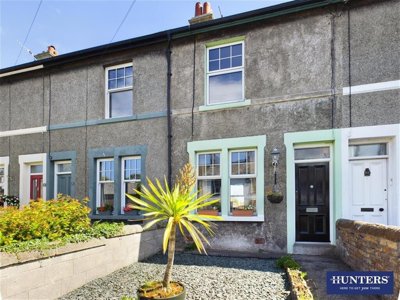
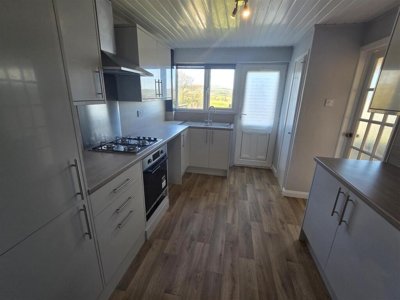
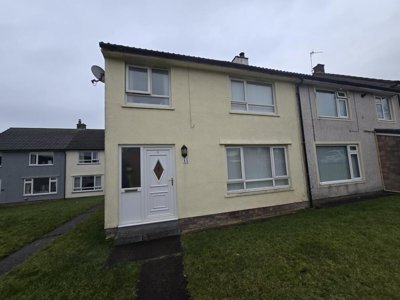
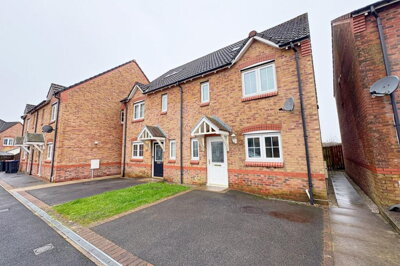
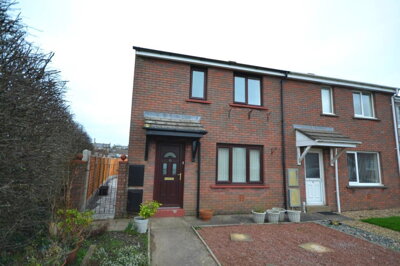
Browse 5 rental homes to rent in Lowside Quarter from local letting agents.
The Lowside Quarter property market offers detached, semi-detached, and terraced houses spanning various price ranges and neighbourhoods. Each listing includes detailed property information, photographs, and direct contact with the marketing agent.
Lowside Quarter’s rental market has been moving upwards steadily, and the wider sales market backs that up with property prices rising by 3.5% over the past twelve months. Rental figures themselves still depend on speaking with individual landlords and letting agents, but the sales comparables give a good feel for local values. Detached homes sit at around £350,000, semi-detached properties average £250,000, terraced houses come in at approximately £195,000, and flats average around £160,000. Taken together, those figures suggest a well-settled market with healthy demand from both buyers and renters, which points to stable rental values across the area.
Fresh rental choice is arriving through two notable new-build schemes in Lowside Quarter. The Lowside Collection on Lowside Road, built by Heritage Homes, includes 3 and 4-bedroom semi-detached and detached homes from £280,000 to £450,000, giving families more space to work with. Over on Old Mill Lane, Canal View Residences from Waterside Developments offers 2-bedroom apartments and 3-bedroom townhouses from £190,000 to £320,000, a neat fit for young professionals and smaller households looking for modern layouts. Both developments come from established builders, and the quality of the construction should suit renters who want contemporary fixtures and energy-efficient homes.

The story of Lowside Quarter starts in the industrial revolution, when the canal and mill network nearby fuelled the local economy. Old Mill district, now a designated Conservation Area, keeps that history visible through several Grade II listed former industrial buildings and workers’ cottages. That mix of cobbled streets, converted mill buildings and newer homes gives the village real depth. There is still a strong local identity too, helped along by community events and traditional pubs that keep the neighbourhood feeling warm rather than polished.
Local ground conditions bring a few points worth keeping in mind. Clay deposits, together with glacial till over Carboniferous bedrock, create a moderate to high shrink-swell risk for homes with mature trees or poor drainage. Older properties in affected areas can show foundation movement, so it is sensible to check carefully during viewings. Newer homes, built to modern standards and kept in good repair, tend to avoid most of those concerns. There are also pockets of moderate surface water flood risk, especially in lower-lying areas near the disused canal, so looking into a property’s flood history during the letting process is wise.
Day-to-day living is straightforward here, with local shops, primary healthcare services and recreational facilities all close at hand. A growing cluster of small retail and service businesses adds to the local economy and opens up jobs for residents. There is also a medium-sized manufacturing plant on the edge of Lowside Quarter, along with a large distribution centre that provides work within the village itself. That spread of employment helps the community stay stable, and for many people it means they can live and work locally without much fuss.

To choose the right rental, it helps to understand what sort of housing stock Lowside Quarter actually has. The village is made up of a varied mix of ages and property types, shaped first by its industrial past and later by ongoing development. Around 25% of homes were built before 1919, mainly around the Old Mill Conservation Area and the original village core. Those older houses often use solid wall construction and timber suspended floors, and they usually come with plenty of period character.
The inter-war years, 1919-1945, account for 20% of the housing stock, with semi-detached and terraced streets built to meet demand after the war. A further 35% of homes date from 1945 to 1980, covering both council estates and private schemes. These properties generally use cavity wall construction and concrete ground floors, so they tend to reflect more modern building standards. The remaining 20% come from 1980 onwards, including infill developments and the newer homes at The Lowside Collection and Canal View Residences.
Red brick is the most common material in Lowside Quarter, usually paired with slate or concrete tile roofs. In the conservation area, older homes often use local sandstone, while rendered finishes are more typical on post-war properties. It all gives the streets an attractive look, although those materials do need the right upkeep. Traditional construction can mean different maintenance demands as well, so tenants should be clear on what they are taking on before agreeing to a rental.

Families looking to rent in Lowside Quarter will find education options both in the village and nearby. The spread of housing mirrors those needs, from family houses close to primary schools to apartments that work well for secondary provision. The post-war expansion brought substantial school building, and those facilities still serve the community well. School proximity often plays a big part in rental demand, and properties near good-rated schools tend to attract strong interest from families.
With 45% of homes built before 1945, many families in Lowside Quarter live in houses with real character close to established school catchments. The pre-1919 stock around the Old Mill Conservation Area and the village core is often within walking distance of long-standing local schools. Secondary provision reaches across a wider area, so parents should always check the relevant school zones before settling on a rental property. That network of schools adds a lot to the area’s family-friendly reputation.

Transport in Lowside Quarter is practical rather than flashy, which suits many residents well. The local road network links into the wider Cumberland area, so the village works for people who are employed nearby as well as those heading out to larger towns. The large distribution centre on the outskirts brings jobs right to the edge of the village, cutting down on commuting for a lot of households. Small retail and service businesses also keep local employment ticking over.
Bus routes link Lowside Quarter with neighbouring communities, giving those without a car an important public transport option. Its position near a larger town or city also supports housing demand, since commuting to more employment centres is possible. The disused canal, now more of a heritage feature than a transport route, adds pleasant walking and cycling routes for leisure. Parking is mixed across the village, newer developments often have dedicated spaces, while older terraced streets may rely on on-road parking.
For longer trips, the road network connects Lowside Quarter to the regional transport hub, where rail services open up access to major cities. That gives the village a sensible balance of rural character and connectivity, which is a combination many renters like. Local work is an option, but so is a broader commute, and the area can suit either pattern without too much compromise.

Before starting a search, it makes sense to get a rental budget agreement in principle in place. A mortgage broker or financial adviser can provide this, and it gives landlords and letting agents a clearer picture of your borrowing capacity. That can help in a competitive market. Looking at sales values locally also helps set expectations, especially with detached homes averaging £350,000 and terraced houses sitting around £195,000 in Lowside Quarter.
Available rentals in Lowside Quarter can be found through Homemove and local letting agents. The choice runs from Victorian terraced houses in the conservation area through to modern apartments in newer schemes. Good properties tend to draw several enquiries, so it pays to register interest without delay. The housing stock is broad enough to cover different budgets and household sizes.
Once a property matches the brief, a viewing should be about more than the rooms alone. Take in the surrounding street, the distance to schools and transport links, and any signs that maintenance may soon be needed. In the conservation area, it is also sensible to think about the planning restrictions that may shape the tenancy.
For rental homes over 45 years old, which make up approximately 80% of Lowside Quarter’s housing stock, a professional survey is worth considering to pick up defects early. Damp, roofing problems and outdated electrics are among the more common issues in older properties. A thorough inventory check at the start of the tenancy then protects the deposit and records the property condition properly.
After finding the right property, the next step is to submit the rental application with references, proof of income and the rental budget agreement. The letting agent or landlord will carry out referencing checks before a tenancy is offered. Having the paperwork ready in advance keeps the process moving much more smoothly.
Read the tenancy terms carefully before signing anything. The deposit protection scheme, notice periods and any property-specific conditions all need attention. The deposit is protected in a government-approved scheme within 30 days of receiving it, which gives security throughout the tenancy.
There are a few area-specific matters to keep in view when weighing up properties in Lowside Quarter. Red brick is the main building material, usually topped with slate or concrete tile roofs, and it gives the streets plenty of appeal, but it does need proper upkeep. Older homes built with local sandstone may have different maintenance requirements, along with issues linked to traditional construction methods. Knowing the property age and construction type helps us judge what repairs might come up during the tenancy.
Homes inside the Old Mill Conservation Area are subject to planning restrictions meant to protect their historic character. That can affect permissions for alterations, extensions or external changes during a tenancy. Listed building status adds another layer of control, so renting one of those properties means working within stricter rules on maintenance and changes. With 45% of the village’s homes built before 1945, it is also common to see solid wall construction, timber suspended floors and original windows, all of which deserve careful thought when choosing a property.
Because 80% of properties in Lowside Quarter were built before 1980, older homes can show familiar defects that are best spotted early. Rising damp and penetrating damp often affect terraced and semi-detached properties, especially where damp-proof courses are weak or external maintenance has been neglected. Roof issues, including slipped tiles, failing pointing and deteriorated felt, are also common in homes over 50 years old. Outdated wiring and plumbing are frequently found in pre-1980s properties too, so asking for a thorough inspection before the tenancy begins can save unexpected expense.
The rental market is best read alongside the sales figures, which give a useful guide to property values locally. Detached homes average around £350,000, semi-detached properties £250,000, terraced houses approximately £195,000, and flats around £160,000. Monthly rents usually follow the same pattern, with the larger homes commanding more. Local letting agents can give the latest asking rents for specific property types, and our team can point you towards the agents handling rentals in Lowside Quarter.
Properties in Lowside Quarter sit within the Cumberland unitary authority council tax scheme. The exact band depends on the property’s valuation and type, and the village spans all council tax bands, from smaller flats and terraced houses in lower bands to larger detached homes in higher ones. The Cumberland council website can be used to check the band for any address. When renting, council tax is usually the tenant’s responsibility unless the tenancy agreement says otherwise.
Families are well served by local primary schools in the village and secondary schools covering a broader catchment area. The post-war growth of the residential estate included educational provision, so it is still important to confirm the right catchment zones before choosing a rental property. Homes close to good-rated schools often draw stronger rental interest, especially during school term time. Educational facilities play a big part in the family-friendly feel of the area, and those with secondary school-age children should also check transport arrangements and journey times from any potential home.
Bus services give Lowside Quarter a link to neighbouring communities and nearby towns. The local road network makes car travel to surrounding centres straightforward, and the village is placed well for commuting to regional employment centres. A large distribution centre on the outskirts adds local jobs, which means some residents do not need to travel far for work. For shorter journeys, the canal area offers scenic walking and cycling routes as a pleasant alternative.
Lowside Quarter offers renters a good mix of historical character, varied housing stock and practical connectivity. Its population of approximately 7,500 across 3,200 households creates a balanced community with useful local amenities. Property prices have risen by 3.5% over the past twelve months, which points to steady demand and confidence in the area. Victorian heritage homes sit alongside modern developments, so there is something for different budgets and tastes, while employment from the distribution centre and manufacturing plant helps support a stable resident base.
In England, the usual renting set-up involves a security deposit equal to five weeks' rent, and that deposit must be protected in a government-approved deposit protection scheme within 30 days of receipt. Holding deposits and referencing fees may also come into play during the application stage. As a first-time renter, you may qualify for relief on stamp duty land tax for rental properties priced below certain thresholds. We always recommend asking your letting agent for a full fee breakdown before you commit to an application.
Parts of Lowside Quarter carry a moderate surface water flood risk, especially the lower-lying areas near the disused canal. There is also a low risk of fluvial flooding from the brook that feeds into the canal system. When viewing rentals, especially lower-floor homes or those with basements, ask about flood history and check Environment Agency flood maps for the exact location. Buildings insurance and contents cover should reflect the flood risk, and that needs confirming before the tenancy is signed.
During viewings in Lowside Quarter, keep an eye out for damp, especially in older homes where rising damp or penetrating damp can affect terraced and semi-detached properties. Roofs on properties over 50 years old deserve a close look too, with slipped tiles and deteriorating pointing among the common warning signs. In the conservation area, check whether listed building status applies and think through how that affects the tenancy. Homes close to mature trees may also be influenced by clay soil shrink-swell movement, so it is worth inspecting for any signs of subsidence or structural movement.
There are several upfront costs tied to renting in Lowside Quarter, and they deserve careful budgeting. The security deposit, usually equal to five weeks' rent, must be protected in a government-approved scheme such as the Deposit Protection Service, MyDeposits or the Tenancy Deposit Scheme within 30 days of receipt. That protection means the deposit can be returned at the end of the tenancy, so long as there is no damage beyond normal wear and tear and no unpaid rent. The landlord also has to tell you which scheme is holding the deposit within 30 days of receiving it.
Other costs can include a holding deposit to reserve the property while referencing checks are carried out, usually one week's rent and often non-refundable if you pull out or give misleading information. Referencing fees cover credit checks, employment verification and landlord references, and the cost varies between letting agents. Some agents still charge administration fees for handling the tenancy, although transparent pricing is becoming more common. It is always best to ask for the full list of costs before going ahead with an application.
For first-time renters, stamp duty land tax relief may apply to rental properties below certain value thresholds, although the relief is narrower than for property purchases. A full written breakdown of every fee should be requested before any rental application goes in, so there are no surprises later. Getting a rental budget agreement in principle before the search begins shows financial readiness and can strengthen an application against competing tenants. It is also wise to budget for moving costs, inventory fees and any upfront rent in advance when totalling the move.
Lowside Quarter has the sort of everyday amenities that make renting here practical for many households. The village centre has local shops for daily needs, while nearby larger towns give access to a wider mix of retail and services. Traditional pubs in the conservation area and the village centre add to the social side of life, with events and informal gathering spaces for residents. Those features give the village a character that is quite different from more impersonal urban rental areas.
Canal-side walks provide one of the main recreational draws, with scenic routes for walking and cycling that link Lowside Quarter to the surrounding countryside. The heritage canal itself no longer carries transport, but it remains an attractive part of the local landscape and a useful leisure space. Community events held through the year bring residents together and help build the neighbourhood spirit that many renters are looking for.
From 4.5%
Get a rental budget agreement in principle before the search starts.
From £99
Referencing support for landlords and letting agents.
From £75
Professional inventory services to protect your deposit
From £75
Energy performance certificates for rental properties
Properties to Rent In London

Properties to Rent In Plymouth

Properties to Rent In Liverpool

Properties to Rent In Glasgow

Properties to Rent In Sheffield

Properties to Rent In Edinburgh

Properties to Rent In Coventry

Properties to Rent In Bradford

Properties to Rent In Manchester

Properties to Rent In Birmingham

Properties to Rent In Bristol

Properties to Rent In Oxford

Properties to Rent In Leicester

Properties to Rent In Newcastle

Properties to Rent In Leeds

Properties to Rent In Southampton

Properties to Rent In Cardiff

Properties to Rent In Nottingham

Properties to Rent In Norwich

Properties to Rent In Brighton

Properties to Rent In Derby

Properties to Rent In Portsmouth

Properties to Rent In Northampton

Properties to Rent In Milton Keynes

Properties to Rent In Bournemouth

Properties to Rent In Bolton

Properties to Rent In Swansea

Properties to Rent In Swindon

Properties to Rent In Peterborough

Properties to Rent In Wolverhampton

Enter your details to see if this property is within your budget.
Loans, cards, car finance
Estimated property budget
Borrowing + deposit
You could borrow between
Typical borrowing
Monthly repayment
Est. at 4.5%
Loan-to-value
This is an estimate only. Your actual budget may vary depending on interest rates, credit history, and personal circumstances. For an accurate affordability assessment, speak to one of our free mortgage advisors.
This calculator provides estimates for illustrative purposes only and does not constitute financial advice. Your home may be repossessed if you do not keep up repayments on your mortgage. Estimates based on 4.5% interest rate, repayment mortgage. Actual rates depend on your circumstances.
Homemove is a trading name of HM Haus Group Ltd (Company No. 13873779, registered in England & Wales). Homemove Mortgages Ltd (Company No. 15947693) is an Appointed Representative of TMG Direct Limited, trading as TMG Mortgage Network, which is authorised and regulated by the Financial Conduct Authority (FRN 786245). Homemove Mortgages Ltd is entered on the FCA Register as an Appointed Representative (FRN 1022429). You can check registrations at NewRegister or by calling 0800 111 6768.

We use cookies to show you personalised content and improve your experience of our website. Find out more in our Privacy policy and Cookie policy.