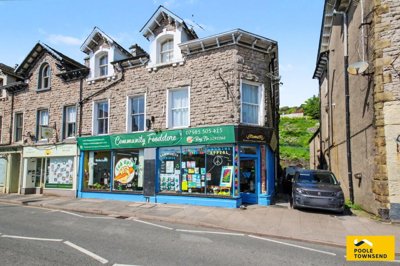
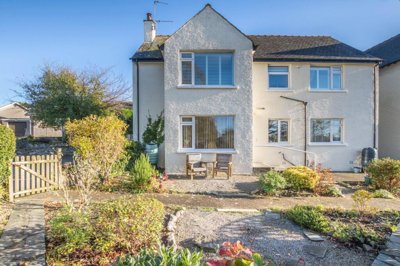
Browse 2 rental homes to rent in Lower Allithwaite from local letting agents.
Studio apartments feature open-plan living spaces without separate bedrooms, incorporating sleeping, living, kitchen, and bathroom facilities. The Lower Allithwaite studio market includes properties in modern apartment complexes, converted Victorian and Georgian buildings, and purpose-built developments.
Lower Allithwaite’s rental market mirrors the wider picture across South Cumbria, where demand tends to run ahead of supply in this sought-after village. We do not see huge rental stock here, but the homes that do come up are often traditional stone-fronted cottages, Victorian and Edwardian terraced houses, semi-detached family homes, and modern bungalows. In the Allithwaite area, the average purchase price sits at approximately £337,133, with detached properties averaging £394,900 and semi-detached homes around £257,667, which gives a fair steer on where rents are likely to sit in the present market.
Development remains fairly restrained, which helps keep the village’s character intact even as a few contemporary schemes appear. Barn Hey on Flookburgh Road won planning permission in December 2024 for 35 homes, including 12 affordable housing units, although these are mainly being marketed for sale rather than rent. On Cartmel Road, Lingwood Park offers new lodge-style properties from £85,000, giving buyers a different route into the local market. Because so many homes are historic, renters should expect original stonework, sash windows, and traditional fireplaces, alongside the quirks of older building methods.
Kents Bank off Allithwaite Road is another sign of investment in the area, with 2, 3, and 4-bedroom homes being delivered in partnership with Lancet Homes and Holker Homes. Second homes and holiday lets, historically around 9.92% and possibly higher in the Cartmel area, continue to shape both supply and pricing for long-term renters. We update our listings daily, so the latest homes are there as soon as they appear in this competitive village market.

Community, tradition, and the surrounding landscape define life in Lower Allithwaite. From modest beginnings as a scattering of farms and cottages in the mid-19th century, the village grew into a settled community of nearly 1,900 residents, with major expansion in the Victorian era and further growth through the 20th century. Templand, once a separate hamlet, was drawn into the main village through the construction of bungalows in the mid-to-late 20th century, a neat example of how the settlement has kept changing. These days, families, professionals, and retirees all sit comfortably side by side.
Tourism around Cartmel Racecourse, the long-established Farmers Arms and Royal Oak, and the Humphrey Head Outdoor Centre all feed into the local economy. Underneath it all lies Carboniferous Limestone, which has shaped the landscape as well as the buildings, many of which were made with local limestone from quarries that kept working until 1939. Newer homes still lean on that vernacular look, with stone, render, and slate roofs taking cues from the older stock. The limestone outcrops, together with glacial deposits, create gentle slopes and appealing walking routes, and the views over Morecambe Bay do the rest.
People living here often talk about village life with real affection, pointing to the community spirit, the schools, and the easy reach of both countryside and essentials. The Cartmel Conservation Area within the parish helps protect the historic feel that makes the place so appealing. Most residents still commute to Ulverston, Barrow-in-Furness, Kendal, or Lancaster, yet the village itself covers the basics, with a primary school, local shops, and traditional inns meaning everyday errands do not always require a car.

Education in Lower Allithwaite revolves around Allithwaite Church of England Primary School, founded in 1865 alongside St. Mary's Church, which reflects the Victorian link between faith and schooling. It teaches children from Reception through to Year 6, and the Grade II listed Old School House remains a tangible reminder of its long history. For secondary education, families usually look to Grange-over-Sands or Ulverston, where several well-regarded schools sit within a reasonable bus commute.
Families are often drawn here by the strength of the primary provision, and the village school keeps close ties with the local community. Small class sizes, committed teachers, and the safe, supportive atmosphere that village schools tend to provide are often mentioned by parents. The historic buildings do bring the sort of maintenance issues that come with listed structures, but they also give the school a memorable, characterful setting that children and staff seem to value. Extended schools provision and after-school activities help working families, especially where commute patterns call for flexible childcare.
For younger children, there are preschool and nursery options in the village and nearby, working alongside the primary school. Secondary choices across the wider area include grammar schools in the selective admission areas of Cumbria, where placement depends on selective testing. Further education is available at colleges in Barrow-in-Furness, Kendal, and Lancaster, all reachable by the reliable bus connections that serve the village. Taken together, that range of education options makes Lower Allithwaite particularly appealing for families weighing up a rental move.

Transport links in Lower Allithwaite combine rural calm with practical access to jobs across the North West. The village lies on the B5277 road, which connects to Grange-over-Sands approximately two miles west and to the A590 trunk road running through the region. For rail travel, Grange-over-Sands is the nearest station, with links to the West Coast Main Line via Lancaster and Barrow-in-Furness, while more frequent services run from Kendal and Oxenholme, the Lake District terminus. From those stations, Manchester, Liverpool, and London Euston are all within reach, and the journey to London takes approximately three hours from Oxenholme.
Buses do serve the village, linking residents with Grange-over-Sands, Ulverston, and Kendal for shopping, healthcare, and further rail connections. The 555 bus service is useful, though it is not as frequent as an urban route, so car ownership or careful timetable planning matters if you rely on public transport. A lot of residents accept a manageable commute in exchange for village living, with journeys to major employment centres usually taking 45 minutes to an hour by car. Parking in the village is provided in a way that works for residents without spoiling the historic street scene.
For cyclists, the flat coastal route towards Morecambe Bay is a pleasant option, while the Lakeland lanes offer more demanding but rewarding rides for experienced cyclists. The A590 gives fairly straightforward access to the M6 motorway at junction 36, opening up the wider North West for work and leisure. Manchester Airport and Liverpool John Lennon Airport are both reachable within approximately two hours by car, which keeps international travel options open for business and holidays. Because the transport picture is rural, anyone considering a tenancy in Lower Allithwaite should think carefully about commuting needs first.

Before we start viewing homes, it makes sense to get a mortgage in principle or a rental budget agreement so we know what is affordable. Rent is only part of the picture, as council tax, utilities, and travel costs all need to be counted too. In a village like Lower Allithwaite, transport spending can be higher than it would be in an urban area.
We would suggest browsing the available rental listings in Lower Allithwaite and arranging viewings through the estate agents working in the area. Seeing several properties side by side makes it easier to compare condition, character, and value. Homes in historic buildings may bring a different approach to maintenance than modern equivalents, so it pays to look closely.
Tenancy terms are worth discussing in detail with landlords or agents, especially the length of the agreement, notice periods, and who handles maintenance. Most residential tenancies in England are Assured Shorthold Tenancies, and these usually run for six or twelve months.
Landlords will usually ask for references, proof of income, right to rent documentation, and a deposit. Having those ready ahead of time can speed things up. First-time renters may also need a guarantor or a little extra paperwork.
Before moving in, we always recommend a proper walk-through with the landlord or agent so a detailed inventory can be completed. Photograph any existing damage, as that helps protect the deposit when it is time to leave. The tenancy agreement should only be signed once the terms and conditions have been checked properly.
Utility providers should be contacted so accounts are transferred into your name from the tenancy start date. It is also sensible to arrange contents insurance, which helps protect belongings throughout the tenancy period.
Renting in Lower Allithwaite brings a few specific points to bear because of the village’s historic character and rural setting. Many of the older homes, especially those built from the mid-19th century onwards using traditional methods, are prone to damp. Missing or damaged damp proof courses can be found in Victorian and Edwardian properties, and earlier repairs using modern, non-breathable materials can make moisture problems worse. It is worth checking walls carefully, particularly in ground floor rooms and basements, for discoloured patches, salt deposits on plaster, and musty odours. A thorough survey before committing to a tenancy can pick up these issues before you are locked into an agreement.
The village sits on Carboniferous Limestone with glacial deposits, so ground conditions are generally stable, although localised surface water run-off can affect some properties on slopes during heavy rain. Historical limestone quarrying in the area also means older homes should be checked for signs of structural movement or foundation problems. Roofs need a close look too, as slate and tile roofs on historic properties require ongoing maintenance. On older buildings, chimney flashings often deteriorate and can let water in if landlords do not deal with them promptly.
Lower Allithwaite has a high concentration of listed buildings, including 98 recorded structures, so a lot of rental homes sit within conservation areas or come with listed status. That brings exceptional character, but it also means there are rules and responsibilities around alterations. Tenants should ask what changes are permitted during the tenancy and who is responsible for historic features. Because the Cartmel Conservation Area applies, exterior alterations need planning permission, which can limit how far a tenant can make a home feel personal. Flats in historic conversions also need close attention on service charges and maintenance responsibilities before any agreement is signed.

There is not much detailed rental data specifically for Lower Allithwaite, but purchase values do shape rents, and the average property sells for approximately £337,133. In the Allithwaite and Grange-over-Sands area, a two to three-bedroom family home will generally rent for between £750 and £1,200 per month, depending on type, condition, and location. Detached family homes and period properties with character features usually achieve higher rents than modern equivalents or flats. Homes with views over Morecambe Bay or access to large gardens may command a premium because the setting is so desirable.
Property in Lower Allithwaite falls under Westmorland and Furness Council, which became a unitary authority in 2023. Council tax bands run from A through H according to property values, and most traditional cottages and terraced houses are likely to fall in bands A to C, while larger detached homes and converted historic properties may sit higher up. The exact band depends on the individual property, so prospective renters should ask the agent or landlord before committing to a tenancy.
Allithwaite Church of England Primary School serves both the village and the surrounding area, teaching children from Reception through to Year 6. Its historic setting and strong community links are part of the appeal, although families should check the current Ofsted ratings and admission arrangements for themselves. Secondary options include schools in Grange-over-Sands and Ulverston, with school transport available for eligible students. Grammar schools in Cumbria follow selective admission policies, so pupils need to pass the 11-plus examination for entry.
Public transport is limited here compared with urban areas, with buses running to Grange-over-Sands, Ulverston, and Kendal. For rail travel, the nearest stations are in Grange-over-Sands and then Oxenholme or Kendal for main line services to London and the North West. Most residents depend on private vehicles for day-to-day commuting, and the A590 gives access to the M6 motorway at junction 36. Anyone without a car should study the bus timetables closely and think through whether the transport options fit their work and lifestyle needs.
For renters who value village character, natural beauty, and community spirit over urban convenience, Lower Allithwaite offers an excellent quality of life. It is a safe place to live, with low crime rates, strong walking routes, and easy access to Morecambe Bay and the Lake District. The main trade-offs are the limited public transport, the reliance on cars for most trips, and the age of the housing stock, which can bring traditional maintenance issues. For families, driving commuters, or anyone after a peaceful rural lifestyle, it is a very strong rental location.
In England, standard rental deposits are capped at five weeks rent, subject to the annual rent threshold. Most landlords also require references, proof of identity, and right to rent verification. You may also face holding deposits, letting agent administration fees, and advance rent payments. First-time renters should also plan for furnishing costs if the property is let unfurnished, and contents insurance is sensible for protecting belongings. The government Tenant Fees Act limits what landlords and agents can charge, and most fees beyond the deposit, rent, and a small number of permitted costs are banned.
Lower Allithwaite village sits on elevated ground and is almost entirely in Flood Zone 1, so the chance of river or coastal flooding is low. Compared with lower-lying coastal places, that makes it a relatively safe choice. Even so, the steep slopes can lead to localised surface water flooding during high-intensity rainfall, usually for short periods and to shallow depths. Homes on slopes or at the bottom of gradients deserve close attention for drainage and any previous water ingress. Broader coastal parts of Cumbria face long-term projected risks, but the village’s height above sea level offers significant protection.
Getting to grips with the costs of renting in Lower Allithwaite helps tenants budget properly and avoid surprises during the application process. Under the Tenant Fees Act 2019, the standard security deposit is capped at five weeks rent, provided the annual rent is below £50,000. For a home renting at £900 per month, that works out at an approximate deposit of £2,077. The deposit must be protected in a government-approved scheme within 30 days of receipt, and tenants should be given the prescribed information about the scheme used. Holding deposits, usually one week's rent, can be taken to reserve a property while references and checks are carried out, though these are normally deducted from the final deposit or the first month's rent.
Under the Tenant Fees Act, permitted fees are limited to rent, the security deposit, the holding deposit, and certain payments in clearly defined circumstances, such as early termination at the tenant’s request or charges for late rent payment. Anything outside those categories should be treated carefully, as it may point to a landlord or agent who is not compliant. Administration charges, referencing fees, and inventory check fees charged to tenants have been banned since June 2019. Tenants should always ask for a full breakdown of costs before paying anything, and should never transfer money before they have written confirmation of what is included.
Those moving from outside the area, or renting for the first time, should budget for extra costs such as removal expenses, contents insurance, typically £10-20 per month, and possibly furnishing costs if the property is unfurnished. Setting up utilities often involves a deposit with energy suppliers, while TV licensing, broadband, and telephone connections are all ongoing monthly commitments. Council tax, paid to Westmorland and Furness Council, varies by band but usually sits between £1,200 and £2,500 annually for residential properties. Securing a rental budget agreement in principle before you start searching shows landlords and agents that finances are in order, which can strengthen an application when several tenants are after the same property.
Properties to Rent In London

Properties to Rent In Plymouth

Properties to Rent In Liverpool

Properties to Rent In Glasgow

Properties to Rent In Sheffield

Properties to Rent In Edinburgh

Properties to Rent In Coventry

Properties to Rent In Bradford

Properties to Rent In Manchester

Properties to Rent In Birmingham

Properties to Rent In Bristol

Properties to Rent In Oxford

Properties to Rent In Leicester

Properties to Rent In Newcastle

Properties to Rent In Leeds

Properties to Rent In Southampton

Properties to Rent In Cardiff

Properties to Rent In Nottingham

Properties to Rent In Norwich

Properties to Rent In Brighton

Properties to Rent In Derby

Properties to Rent In Portsmouth

Properties to Rent In Northampton

Properties to Rent In Milton Keynes

Properties to Rent In Bournemouth

Properties to Rent In Bolton

Properties to Rent In Swansea

Properties to Rent In Swindon

Properties to Rent In Peterborough

Properties to Rent In Wolverhampton

Enter your details to see if this property is within your budget.
Loans, cards, car finance
Estimated property budget
Borrowing + deposit
You could borrow between
Typical borrowing
Monthly repayment
Est. at 4.5%
Loan-to-value
This is an estimate only. Your actual budget may vary depending on interest rates, credit history, and personal circumstances. For an accurate affordability assessment, speak to one of our free mortgage advisors.
This calculator provides estimates for illustrative purposes only and does not constitute financial advice. Your home may be repossessed if you do not keep up repayments on your mortgage. Estimates based on 4.5% interest rate, repayment mortgage. Actual rates depend on your circumstances.
Homemove is a trading name of HM Haus Group Ltd (Company No. 13873779, registered in England & Wales). Homemove Mortgages Ltd (Company No. 15947693) is an Appointed Representative of TMG Direct Limited, trading as TMG Mortgage Network, which is authorised and regulated by the Financial Conduct Authority (FRN 786245). Homemove Mortgages Ltd is entered on the FCA Register as an Appointed Representative (FRN 1022429). You can check registrations at NewRegister or by calling 0800 111 6768.

We use cookies to show you personalised content and improve your experience of our website. Find out more in our Privacy policy and Cookie policy.