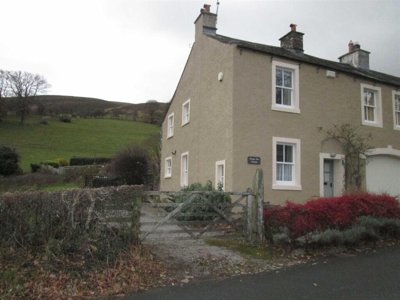
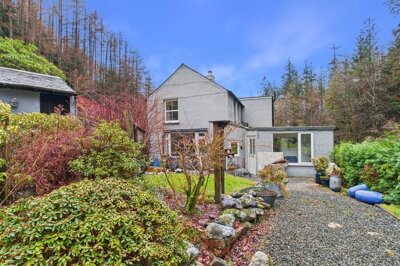
Browse 2 rental homes to rent in Lorton, Cumberland from local letting agents.
£850/m
1
0
10
Source: home.co.uk
Source: home.co.uk
Cottage
1 listings
Avg £850
Source: home.co.uk
Source: home.co.uk
£1,500,000
Average Detached Price
£445,000
Average Semi-Detached Price
£279,000
Average Terraced Price
Up 57%
12-Month Price Change
253 residents
Population
26 Grade II
Listed Buildings
Lorton's rental market is shaped by its small-village setting inside the National Park. Homes do not come up often here, so we advise registering early with local agents if you want to rent in the village. The Cockermouth postcode area (CA13) currently shows average property values around £489,747 according to recent data, although that is a sales figure rather than a rental one. The stock also looks different from town housing, with semi-detached houses making up 33.8% across Cumbria, alongside detached homes and the terraced Lakeland cottages that give the area its familiar look.
Traditional stone cottages, converted farmhouses, and period homes dating back centuries tend to dominate the local rental offer. A fair number began life as barns or mills, then were adapted over time into the characterful houses now found in the village. Lorton has 26 listed buildings, all at Grade II, so rental homes often show the slate rubble construction and green slate roofs that are such a recognisable part of the Cumbrian scene. Low Lorton, closer to the River Cocker, can bring flood-risk questions into the picture, so it is sensible to raise that with any landlord or letting agent.
New build activity has not disappeared, even with National Park constraints. In October 2020, the Lake District Planning Authority granted permission for five new homes at Low Lorton, with three for local occupancy and two affordable homes. The market still moves differently from urban areas, with fewer transactions overall but strong interest from people chasing the Lake District lifestyle. We recommend getting on the books with several local agents who cover Lorton and Cockermouth, because that is usually the best way to hear about a suitable home as soon as it appears.
Season by season, village life here follows the landscape around it. Lorton sits in Lorton Valley, and the River Cocker flows north through the area from Crummock Water, setting the tone for the pastoral scenery that has long drawn artists and writers. Even in a modest-sized village, there are useful local amenities, including traditional pubs where winter fires and summer beer gardens each have their place. The community spirit shows up in village events, local fetes, and the neighbourly cooperation that makes rural life rewarding for people who value connection as much as convenience.
Centuries of local tradition have left a clear mark on the village fabric. Across Lorton, slate rubble construction is common, often finished with pebbledash or roughcast and topped with green slate roofs that match the surrounding fells. Sandstone dressings bring extra detail to many period homes, a reminder of the geological character of this part of Cumbria. The 26 listed buildings do limit some renovation options, but they also protect the architectural heritage for future generations. That care for the old gives Lorton an authenticity newer developments often miss, and the place feels properly rooted rather than copybook neat.
Local history is visible in the buildings as much as in the records. The Jennings Brewery traded from 1828 until 1874, while woollen textile work was present from the medieval period, including a fulling mill built around 1480. Flax thread spinning took place from the 1830s to the early 20th century, adding another layer to the village economy. The former malthouse was turned into the village hall, Yew Tree Hall, in 1909, and Lorton Hall, a Grade II listed Regency house, was substantially rebuilt in 1889-90. It is a village that has kept adapting without losing its shape.

Knowing how homes in Lorton were built helps renters understand why they feel different from modern stock. Slate rubble is the main material, usually paired with pebbledash or roughcast renders and those distinctive green slate roofs that sit so naturally in the local geology. Sandstone dressings are common too, especially around doorways, windows, and quoins on older properties. Repairs need the right approach, and lime-based mortars and renders are normally the sensible choice for older buildings, not the hard modern mixes used elsewhere.
Quite a few village homes started out as barns, stables, or mills before being turned into houses. That means you often find exposed timber beams, thick walls, and multi-paned windows that give the place its own character. The construction is solid-walled, so it behaves differently from modern cavity-wall housing and does not deal with moisture in the same way. Good ventilation matters, as do breathable materials, if you want to avoid damp problems that can affect both the building itself and the air inside.
Because Lorton sits within the Lake District National Park, exterior works bring extra planning considerations. Any alteration to a listed building needs Listed Building Consent, separate from ordinary planning permission, and applications usually call for detailed plans, heritage assessments, and a strong case for the change being proposed. We would always advise tenants to ask exactly what alterations are allowed, and who is responsible for which maintenance tasks, especially in older homes where the building fabric may need specialist care. Traditional lime mortars are vital for historic walls, since cement-based products can trap moisture and do real damage.
Families looking to rent in Lorton usually end up looking towards Cockermouth, which is approximately three miles away. Primary schooling in the surrounding area covers children from early years through to Key Stage 2, and the village itself has a long educational story, with a school built in High Lorton in 1809. Secondary education comes through schools in Cockermouth, so parents should check catchment areas and admissions policies with Cumberland Council before they settle on a tenancy. The CA13 area has an average age of 48, and 62 is the most common age, which says a lot about the settled, rooted nature of the community.
For families who put school standards first, we always suggest checking Ofsted ratings before making a move. Sixth form and further education options are available in Cockermouth and across wider Cumbria, with transport links into larger towns where needed. In a rural place like Lorton, school travel plans should be checked early, since bus services often run to tighter timetables than those in town. The old 1809 school building in High Lorton is a useful reminder that education has long mattered here.
Beyond the classroom, Cumbria’s wider economy has a bearing on family choices too. West Cumbria offers routes into the nuclear sector and advanced manufacturing, and those areas are being joined by investment in nuclear deterrence, robotics, and artificial intelligence. That points to changing employment prospects over time, which may shape decisions about housing and schooling. Before signing for a property, we would still check the daily transport links from Lorton to schools in Cockermouth, especially for children who would need to travel each day.

The transport picture from Lorton reflects its rural setting, so private car ownership matters for most residents. The village sits close to the B5289, which links north to Cockermouth and south towards the western Lake District. From Cockermouth, the A66 runs east-west across north Cumbria and connects onward to the M6 at Penrith for longer commutes. Anyone working in nuclear or advanced manufacturing can reach major sites in west Cumbria by car, while the wider regional investment in nuclear deterrence, robotics, and artificial intelligence may open up more local work over time.
With just 253 residents, it is no surprise that public transport from Lorton is limited. Bus services link the village to Cockermouth, where more connections can be picked up, but anyone without a car should think carefully about the day-to-day reality before renting here. The nearest railway stations are Penrith to the east and Carlisle to the north, both of which sit on the national rail network. For flights, Newcastle Airport, Edinburgh Airport, and Manchester Airport all provide broader options. The local economy is also seeing investment in growth sectors, which may reduce the need for long-distance commuting in time.
Winter brings its own set of travel issues in the Lake District. Snow and ice can affect rural routes more often than urban roads, so the B5289 and nearby lanes may take longer when conditions turn bad. We would advise keeping vehicles properly prepared for countryside driving. Lorton’s National Park setting also means tourist traffic can rise sharply in peak seasons, especially on routes heading towards Buttermere and the Western Fells. Planning journeys around those busy periods helps keep travel expectations realistic through the year.

Before you begin viewing homes, speak to lenders or brokers and get a rental budget agreement in principle. For a village like Lorton, having your finances clear gives you confidence and helps you move quickly when the right property appears. Standard deposits in the private rental sector typically come to five weeks' rent, and they are held in a government-approved deposit protection scheme for the duration of the tenancy.
We would also suggest walking the village and speaking to people who already live there, because that gives a better sense of how daily life actually feels. Check flood-risk areas, especially if you are looking at Low Lorton near the River Cocker, and get a feel for the amenities and services available over in Cockermouth. Once you understand the property types and how they are built, it becomes much easier to judge the likely maintenance implications.
Homes in this small village come to market infrequently, so regular contact with agents is a good idea. Being ready at short notice for viewings can make the difference between securing a place and missing out. Local agents covering the Lorton and Cockermouth area should be able to give the most up-to-date picture of available rentals, and they may even flag up properties before they are publicly listed.
A RICS Level 2 Survey is worth commissioning before you commit to a rental. Many homes in Lorton go back centuries, and with 26 listed buildings in the parish, knowing the condition of the property matters. In Cumbria, survey costs start from around £395 for standard properties, with larger, older, or listed homes costing more because the inspection has to go into greater detail.
Once you have found the right home, take time over the tenancy agreement and read it closely. Pay particular attention to the deposit amount, the notice periods, and any conditions linked to the age of the property or its listed status. For extra protection, we would suggest having a solicitor review the agreement, especially where a listed building brings additional obligations.
Buildings insurance should be arranged, although your landlord may require you to keep it in place as a tenant, and the utilities need setting up as well. Getting involved in village activities and spending time in the local pubs is one of the quickest ways to get a proper feel for Lorton. Because many of the properties here are older constructions, their utility arrangements can be quite different from those in newer homes.
Renting in Lorton is not a case of ticking the usual boxes and stopping there. The village’s place within the Lake District National Park brings planning considerations, including possible restrictions on changes to properties. With 26 listed buildings in the parish, taking on a Grade II listed home means accepting specific obligations around maintenance and changes to character. We would always ask landlords exactly what can be altered, and who is responsible for each maintenance task, before any tenancy agreement is signed.
Flood risk is a serious issue for some properties in Lorton. Both High and Low Lorton were badly affected in December 2015 during Storm Desmond, when the River Cocker and Whit Beck caused damage to homes. Low Lorton has also seen flooding in 2009 and 2015, with water rising to 30 centimetres above ground floor in some cases. Bank overtopping from the River Cocker in Low Lorton can happen at a 50-year return period, so any decision about a rental property there should take that risk into account. We would want to discuss flood resilience measures, insurance arrangements, and the support available if flooding occurs.
Older homes in Lorton often need a slightly different approach to upkeep. Common problems in properties of this age include dampness in the walls because of the solid construction, roof coverings that need attention when tiles slip or ridge mortar starts to break down, and electrical or plumbing systems that may fall short of current standards. It helps to talk these things through with landlords before signing, so everyone is clear about who handles what during the tenancy.

The costs of renting in Lorton do not stop at the monthly rent, and it is wise to look at the full picture before committing. Traditional deposits in the private rental sector typically amount to five weeks' rent, and they are held in a government-approved deposit protection scheme throughout the tenancy. First-time renters may qualify for relief on certain costs, though the eligibility rules should be checked with a financial adviser. Letting agent fees are more limited now under tenant fees legislation, but some charges may still apply for specific services, so we always advise confirming those up front.
Moving in can bring a few extra expenses too, from removal costs to inventory reports that record the condition of the property at the start and end of the tenancy. There may also be charges for connecting utilities and services. Because so many homes in Lorton are older constructions, heating bills can be higher than in modern equivalents, and that needs to sit in the overall budget. Solid-walled period properties often respond better to different heating methods than newer insulated homes, with traditional radiant heat sources sometimes working better than standard convector heaters.
Council tax bands vary from one property to another, so we would check the exact band with Cumberland Council before setting a budget. That figure can make a real difference to monthly outgoings, and it should be confirmed before any tenancy is agreed. If you are arranging a survey as part of the process, costs in Cumbria usually start from £395 for a standard RICS Level 2 Survey, with higher fees for larger or older homes that need a more detailed look. Listed buildings and non-standard construction usually sit at the top end because they call for extra expertise.
Rental price data for Lorton itself is limited, simply because the village is small and rental transactions are infrequent. The wider Cockermouth area (CA13) gives the nearest benchmark, where average property sale values currently sit around £489,747. Detached properties are around £1,500,000, semi-detached homes around £445,000, and terraced properties around £279,000 according to recent market data. In Lorton, rents tend to follow the quality and character of each individual home, with stone cottages and period properties commanding prices that reflect both their appeal and the Lake District setting. Local letting agents covering Lorton and Cockermouth will give the clearest read on current rental values.
Council tax bands in Lorton are set on a property-by-property basis, with each band linked to the home’s assessed value by the Valuation Office Agency. Properties in this part of Cumberland fall under Cumberland Council. If we were checking a rental, we would confirm the band either on the Valuation Office Agency website or by speaking to the council directly. That figure can materially affect monthly outgoings, so it is best to verify it before committing to a tenancy. Different property types in the village can sit in different bands depending on their assessed value.
For children living in Lorton, the strongest school options are mostly in nearby Cockermouth, which is approximately three miles away. Primary schools are within daily commuting distance, and secondary schools serve the wider catchment area. We would always check Ofsted ratings directly, because those give the most current picture of school quality. Parents should also confirm admission arrangements and catchment boundaries with Cumberland Council before renting in Lorton, as those details determine which schools children are eligible to attend. The 1809 school built in High Lorton is still a neat marker of the village’s long recognition of local education.
Public transport around Lorton is limited, which matches the village’s small population of just 253 residents. Bus services run to Cockermouth, where more public transport options can be found, but for most people a private vehicle is essential for day-to-day life. The nearest railway stations are Penrith to the east and Carlisle to the north, and both require bus or car travel from Lorton. Anyone considering renting without car access should think carefully about whether the available services would really meet their needs, especially for work journeys or trips to larger towns.
Lorton suits people looking for a quiet village life within the Lake District National Park. The scenery is striking, the community is welcoming, and the homes have a level of character that is becoming rare in newer developments. That said, the setting is small, the amenities are limited, public transport is thin on the ground, and many of the properties need more care than a new build. Jobs in nuclear technology and advanced manufacturing are growing in the area, which may help future residents, but the real draw here is still the rural character and natural beauty. For the right household, that trade-off is exactly the point.
Standard deposits on rental homes in Lorton amount to five weeks' rent, and they remain protected in a government-approved scheme throughout the tenancy. Holding fees were banned for most tenants under the Tenant Fees Act 2019, although some permitted payments can still apply, such as capped charges for late rent or lost keys. An inventory check at the start and end of the tenancy helps both sides by recording the condition of the property. First-time renters may qualify for some relief on upfront costs, so we would suggest checking eligibility with a financial adviser before you budget for the move.
Flood risk deserves close attention in Lorton, particularly for homes in Low Lorton near the River Cocker and Whit Beck. The village was badly flooded in 2009 and again during Storm Desmond in December 2015, when several homes were damaged and flood depths reached 30 centimetres above ground floor. Bank overtopping from the River Cocker in Low Lorton can happen at a 50-year return period, so that risk needs to be built into any rental decision there. Before taking a property, discuss flood risk with the landlord, check whether flood resilience measures are already in place, and understand both your rights and their obligations if flooding does occur. Properties in the flood plain may also attract higher insurance costs, which need to be budgeted for.
Many homes in Lorton go back centuries, and a good number began life as barns, mills, or other agricultural buildings before being converted into houses. The village contains 26 Grade II listed buildings, all of which sit under planning restrictions that affect permitted changes. Common issues in older properties include damp in the walls caused by solid construction, roof coverings that need maintenance, and electrical or plumbing systems that may not meet current standards. The traditional slate rubble construction with green slate roofs also needs the right materials, usually lime-based rather than modern cement products. Talking this through with landlords before signing helps keep maintenance responsibilities clear in period homes across Lorton.
From 4.5%
Help us work out what you can afford to spend on rent each month
From £25
Credit checks and references required by landlords
From £395
Arrange a professional condition report before we commit to the tenancy
From £75
Check the energy efficiency rating of the rental home we are considering
Properties to Rent In London

Properties to Rent In Plymouth

Properties to Rent In Liverpool

Properties to Rent In Glasgow

Properties to Rent In Sheffield

Properties to Rent In Edinburgh

Properties to Rent In Coventry

Properties to Rent In Bradford

Properties to Rent In Manchester

Properties to Rent In Birmingham

Properties to Rent In Bristol

Properties to Rent In Oxford

Properties to Rent In Leicester

Properties to Rent In Newcastle

Properties to Rent In Leeds

Properties to Rent In Southampton

Properties to Rent In Cardiff

Properties to Rent In Nottingham

Properties to Rent In Norwich

Properties to Rent In Brighton

Properties to Rent In Derby

Properties to Rent In Portsmouth

Properties to Rent In Northampton

Properties to Rent In Milton Keynes

Properties to Rent In Bournemouth

Properties to Rent In Bolton

Properties to Rent In Swansea

Properties to Rent In Swindon

Properties to Rent In Peterborough

Properties to Rent In Wolverhampton

Enter your details to see if this property is within your budget.
Loans, cards, car finance
Estimated property budget
Borrowing + deposit
You could borrow between
Typical borrowing
Monthly repayment
Est. at 4.5%
Loan-to-value
This is an estimate only. Your actual budget may vary depending on interest rates, credit history, and personal circumstances. For an accurate affordability assessment, speak to one of our free mortgage advisors.
This calculator provides estimates for illustrative purposes only and does not constitute financial advice. Your home may be repossessed if you do not keep up repayments on your mortgage. Estimates based on 4.5% interest rate, repayment mortgage. Actual rates depend on your circumstances.
Homemove is a trading name of HM Haus Group Ltd (Company No. 13873779, registered in England & Wales). Homemove Mortgages Ltd (Company No. 15947693) is an Appointed Representative of TMG Direct Limited, trading as TMG Mortgage Network, which is authorised and regulated by the Financial Conduct Authority (FRN 786245). Homemove Mortgages Ltd is entered on the FCA Register as an Appointed Representative (FRN 1022429). You can check registrations at NewRegister or by calling 0800 111 6768.

We use cookies to show you personalised content and improve your experience of our website. Find out more in our Privacy policy and Cookie policy.