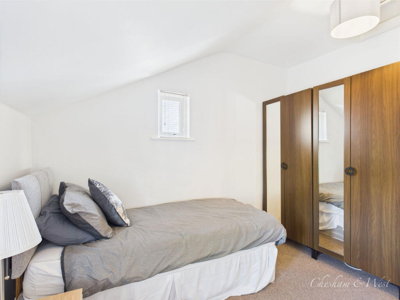
Browse 1 rental home to rent in Little Eccleston-with-Larbreck from local letting agents.
The 2 bed house market features detached, semi-detached, and terraced properties with two separate bedrooms plus living spaces. Properties in Little Eccleston With Larbreck range from Victorian and Edwardian period homes to modern new builds, with pricing varying across different neighbourhoods.
Little Eccleston-with-Larbreck is a small, low-volume market, so supply behaves very differently from a town centre rental scene. The best verified sales dataset we have is tagged to Little Eccleston, where homedata.co.uk records 161 sales in the last 12 months. Detached properties led the mix at £395,499 on average, which is a strong sign that family-sized houses shape the local market more than flats or apartment blocks. For renters, that usually means a tighter choice of larger homes, cottages and village houses rather than big estate-style developments.
Housing values have eased by 7% over the year, which suggests the wider market has cooled a little. That does not make the area cheap, but it does mean landlords may be more open to sensible pricing where homes have been on the market for a while. The research did not verify a large active new-build scheme inside the parish boundary, although there is evidence of small-scale conversion opportunity at Larbreck House Farm rather than a major development pipeline. In a place like this, the right property can disappear quickly, so preparation matters more than in a larger rental pool.
Detached homes averaging close to £400,000 show that the parish is still firmly in the rural family-home bracket. Semi-detached homes at £241,556 and terraces at £177,288 give a sense of the spread, but the overall picture is of a settled, modestly traded market. That matters to renters because it often translates into fewer listings, less churn and more competition for the best-located houses. If you want space, parking and a quieter setting, Little Eccleston-with-Larbreck is a market worth watching closely.

Living here feels rural in the best sense of the word, with open land and a working countryside character shaping the parish. The research describes the land around Larbreck as predominantly level Grade 2 land, which points to productive farmland and wide views rather than dense housing. That same setting helps explain why the village has a slower pace and a more spacious feel than nearby urban centres. Renters who want fresh air, quieter roads and a genuine village backdrop usually find that combination appealing.
Daily life is anchored by Great Eccleston, which gives the parish a useful local service base. You can reach a health centre, dentist, public houses, supermarkets, independent shops and two primary schools without having to drive into a major town. That makes the area feel far more practical than its size might suggest, especially for families and remote workers who still need easy access to essentials. The balance here is simple: countryside setting at home, everyday convenience close by.
Housing in the parish is shaped more by detached homes and small clusters of village properties than by large estates. The research does not give us verified population or household figures, so the safest description is a compact, low-density community with a strong rural identity. River embankment land nearby also suggests a landscape that has to be understood as much through the ground and water around it as through the buildings themselves. For renters, that means looking beyond the front door and paying attention to the setting, access roads and the feel of the immediate surroundings.
Road access is one of the clearest strengths of Little Eccleston-with-Larbreck. The parish sits just off the A586 and around 3 miles from Junction 3 of the M55, which gives drivers a straightforward route into the wider Fylde and Lancashire network. For many renters, that is more useful than a station on the doorstep because daily life in a rural parish usually depends on being able to drive comfortably. If you commute regularly, check your route at the times you would normally travel, not just on a quiet Sunday.
Public transport is more limited than in the larger towns, and the research did not verify a station within the parish boundary. That means most journeys are likely to rely on a car, local bus connections in nearby settlements or a lift-sharing routine. If you are planning regular travel to Preston, Blackpool or Lancaster, build in a little extra time for the rural leg of the trip. The trade-off is a calmer place to live and, often, less pressure on parking outside the property.
Cycling can work well on quieter lanes, but the same roads can feel narrow and less forgiving at busier times. Renters with children or more than one vehicle should ask early about driveway space, turning room and where visitors park. In a small parish, those practical details can matter more than they would in a denser urban area. Transport here suits people who value flexibility, space and a slower pace rather than frequent rail use.

Families looking at Little Eccleston-with-Larbreck usually start with Great Eccleston, because the nearby village offers two primary schools. The research did not surface named schools, Ofsted ratings or a school inside the parish itself, so I would avoid guessing and work from live admissions information. For primary-age children, the short trip into Great Eccleston is the main convenience. That keeps the school run manageable while preserving the quieter village setting.
Secondary options are likely to sit further afield in the wider Fylde and Preston travel area, so catchment checks matter. In a parish this small, your exact postcode can influence school eligibility more than the village name on its own. If you are renting with children, ask for the full address, then verify admission distances and transport links before you commit. A quick check now can save a lot of disruption later, especially in a low-turnover area where the right home may only come up occasionally.
Sixth form and further education travel will also usually mean leaving the parish, which is common in rural Lancashire. That makes the A586 and M55 access useful for older students, working parents and anyone juggling multiple daily journeys. I would also look at the practical route to school, not just the headline distance, because narrow lanes and morning traffic can change the picture completely. In a village setting, good logistics are part of the education story.
Start by comparing Little Eccleston-with-Larbreck with nearby Great Eccleston so you understand the difference between quiet rural living and a more serviced village centre.
Get a rental budget agreement in principle before you view properties so you know your monthly ceiling and avoid wasting time on homes outside it.
Ask about access roads, parking, broadband, heating and flood history, because those details matter more in a small parish than they might in a town.
Have ID, references, payslips and right-to-rent documents ready so you can move quickly if the right home appears.
Check the deposit amount, tenancy length, inventory, repair responsibilities and any rules on gardens, sheds or shared access.
Confirm council tax with Fylde Borough Council, set up utilities, arrange post redirection and agree the key handover before your tenancy starts.
Rural properties here deserve a careful look at the land around them, not just the rooms inside. The research suggests the surrounding ground is level and productive, with possible clay-rich or alluvial characteristics that can affect drainage and movement after wet weather. River embankment land nearby also means you should ask about flood history and whether the home has ever had issues with surface water or river water. Damp proofing, guttering and external condition are all worth checking closely.
Older village homes can also bring practical issues that city renters do not always think about. The research did not verify a conservation area or a heavy concentration of listed buildings, but traditional rural homes can still carry planning sensitivities, shared access arrangements or maintenance responsibilities for drives, boundaries and outbuildings. If you are viewing a converted barn or a semi-rural cottage, ask who looks after septic systems, common land, shared parking and drainage. Those are the questions that stop surprises later.
Flats are less prominent in the local market, and the research did not verify a local flat average price. Any apartment or shared-ownership style listing should therefore be checked carefully for service charges, parking rules and lease terms. Broadband speed and mobile signal are also worth testing during the viewing, because village locations can vary a lot from street to street. A good rental here should feel solid, practical and suited to rural daily life, not just attractive in photographs.
The research did not verify a live average rent for the parish, so I would not guess at a figure. For market context, homedata.co.uk shows the average property price at £312,502, with detached homes averaging £395,499, semi-detached homes £241,556 and terraced homes £177,288. In a small rural area, actual rents will depend on size, condition, parking and how close the home is to Great Eccleston and the M55. Use our rental budget service before you start viewing so you can compare homes on a realistic basis.
Council tax bands vary by individual property, not just by parish, and the area falls under Fylde Borough Council administration. The research did not identify one single band for the whole village, which is normal for a rural location with a mix of detached homes, cottages and converted buildings. Detached homes and larger farm-style properties often sit in different bands from smaller terraces or apartments. Always confirm the exact band on the listing or with the council before you work out your monthly budget.
The nearest clearly identified option in the research is Great Eccleston, which has two primary schools. I have not named Ofsted ratings because they were not verified in the local data, and I would rather keep this accurate than speculate. Families usually start with the schools in Great Eccleston, then check secondary catchments in the wider Fylde and Preston area. If school access matters to you, use the full postcode of the property rather than relying on the parish name alone.
Road connections are the strongest part of the transport picture. The parish is just off the A586 and about 3 miles from Junction 3 of the M55, so drivers have a practical route into the wider area. The research did not verify a station inside the parish boundary, which means public transport is more limited than in larger towns. If you rely on commuting, check your exact route and timetable before you sign a tenancy.
Yes, if you want a quiet rural setting with village convenience close by. The area gives you open countryside, access to Great Eccleston services and good road links, which suits people who value space and a calmer pace. The trade-off is a smaller rental pool and less frequent turnover, so good homes can go quickly. I would treat it as a strong choice for renters who are organised and comfortable with rural living.
Most private rentals will ask for a holding deposit, a security deposit and the first month’s rent in advance. Under the Tenant Fees Act, the holding deposit is usually capped at one week’s rent, and the security deposit is usually capped at five weeks’ rent if the annual rent is under £50,000, or six weeks if it is above that threshold. Extra charges are limited, so ask for a full breakdown before you agree to anything. In a parish with limited verified rent data, getting that cost sheet early is the safest way to budget properly.
Yes, that is a sensible question in this parish. The research points to level Grade 2 land around Larbreck and nearby river embankments, which means drainage, water movement and ground conditions deserve attention. I would ask the landlord or agent whether the property has ever had damp, drainage or flooding issues, especially if it sits on lower ground or near open land. A careful viewing and a few direct questions can save a lot of stress later.
From 4.5%
Compare monthly costs and set a clear limit before you view homes
From £499
Speed up checks and get help with your paperwork
From £350
Check the energy performance of a home before you sign
From £350
Useful if you are renting now but may buy the property later
Upfront costs are easier to manage when you know exactly what to expect. For most rentals, that means the first month’s rent, a holding deposit, a security deposit and perhaps a small amount for moving or utility setup. Because this is a rural parish with a limited verified rental price sample, it is sensible to ask the agent for a full itemised cost sheet before you commit. The best move is to line up your rental budget first, then choose properties that fit comfortably inside it.
Most deposits in England are capped by law, so the amount should not come as a surprise if you check the tenancy early. A deposit is usually five weeks’ rent where annual rent is under £50,000, and six weeks’ rent where it is above that threshold. Holding deposits are typically limited to one week’s rent, which helps keep the upfront cost manageable while you complete referencing. If you are comparing several homes in Little Eccleston-with-Larbreck, use the same budget assumptions for each one so your shortlist stays realistic.
Additional costs can include council tax, broadband, contents insurance and travel, which matter more in a village where commuting is often car-based. Fylde Borough Council will confirm the council tax position for the exact property, and the band can vary a lot between a cottage, a semi and a detached house. I also recommend checking whether bills are higher in winter, especially if the home is older or more exposed to rural weather. A careful budget now makes the move-in process smoother and helps you settle into the area with fewer surprises.
Properties to Rent In London

Properties to Rent In Plymouth

Properties to Rent In Liverpool

Properties to Rent In Glasgow

Properties to Rent In Sheffield

Properties to Rent In Edinburgh

Properties to Rent In Coventry

Properties to Rent In Bradford

Properties to Rent In Manchester

Properties to Rent In Birmingham

Properties to Rent In Bristol

Properties to Rent In Oxford

Properties to Rent In Leicester

Properties to Rent In Newcastle

Properties to Rent In Leeds

Properties to Rent In Southampton

Properties to Rent In Cardiff

Properties to Rent In Nottingham

Properties to Rent In Norwich

Properties to Rent In Brighton

Properties to Rent In Derby

Properties to Rent In Portsmouth

Properties to Rent In Northampton

Properties to Rent In Milton Keynes

Properties to Rent In Bournemouth

Properties to Rent In Bolton

Properties to Rent In Swansea

Properties to Rent In Swindon

Properties to Rent In Peterborough

Properties to Rent In Wolverhampton

Enter your details to see if this property is within your budget.
Loans, cards, car finance
Estimated property budget
Borrowing + deposit
You could borrow between
Typical borrowing
Monthly repayment
Est. at 4.5%
Loan-to-value
This is an estimate only. Your actual budget may vary depending on interest rates, credit history, and personal circumstances. For an accurate affordability assessment, speak to one of our free mortgage advisors.
This calculator provides estimates for illustrative purposes only and does not constitute financial advice. Your home may be repossessed if you do not keep up repayments on your mortgage. Estimates based on 4.5% interest rate, repayment mortgage. Actual rates depend on your circumstances.
Homemove is a trading name of HM Haus Group Ltd (Company No. 13873779, registered in England & Wales). Homemove Mortgages Ltd (Company No. 15947693) is an Appointed Representative of TMG Direct Limited, trading as TMG Mortgage Network, which is authorised and regulated by the Financial Conduct Authority (FRN 786245). Homemove Mortgages Ltd is entered on the FCA Register as an Appointed Representative (FRN 1022429). You can check registrations at NewRegister or by calling 0800 111 6768.

We use cookies to show you personalised content and improve your experience of our website. Find out more in our Privacy policy and Cookie policy.