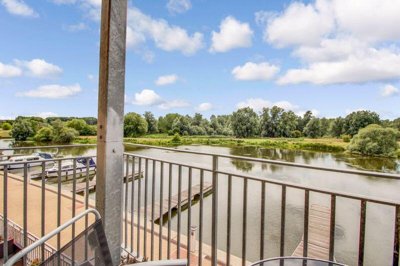
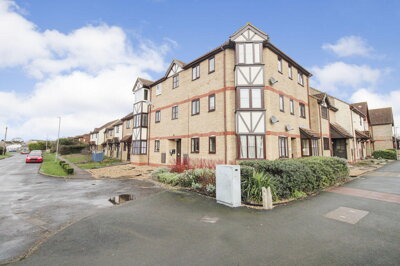
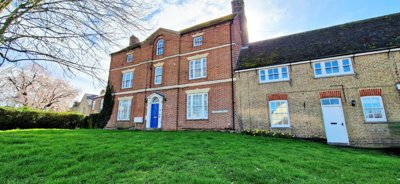
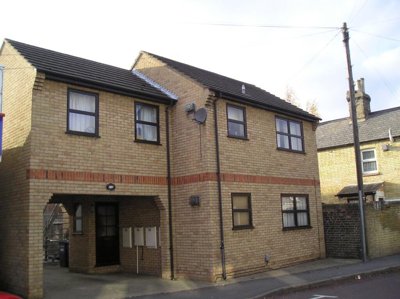
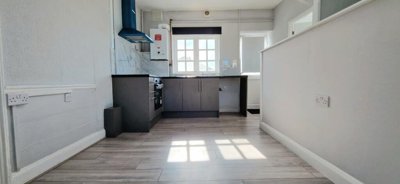
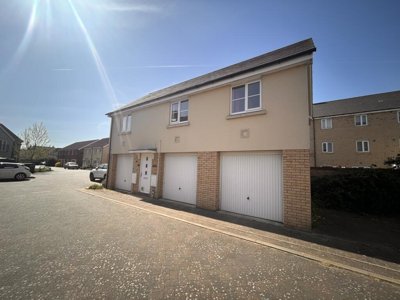
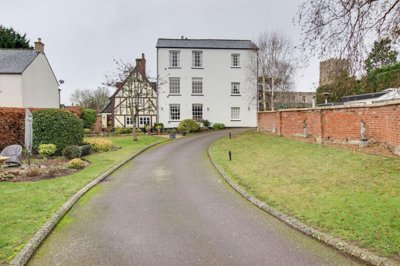
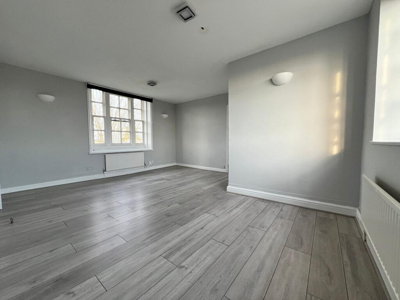
Browse 11 rental homes to rent in Little Barford from local letting agents.
Studio apartments feature open-plan living spaces without separate bedrooms, incorporating sleeping, living, kitchen, and bathroom facilities. The Little Barford studio market includes properties in modern apartment complexes, converted Victorian and Georgian buildings, and purpose-built developments.
homedata.co.uk records show a market that is steady rather than overheated, with prices up 1.96% across the last 12 months. That matters in a village like Little Barford, where supply is naturally limited and each home tends to attract attention for its setting as much as its size. The average price of £376,432 sits well above the flat average of £175,000, which tells you how much larger homes shape the tone of the area. Detached properties at £526,929 set the upper end of the local ladder, while terraces and semi-detached homes remain the more accessible options.
New-build supply has not been clearly verified within the Little Barford postcode area, so most renters will be looking at existing homes, older conversions and the occasional more modern property nearby. That can be good news if you want character, but it also means you should move fast when a suitable place appears. Because there were only 15 sales in the last year, the market is thin and individual homes can matter a lot more than in a larger town. We see that as a sign of a tightly held village rather than a place with constant churn.
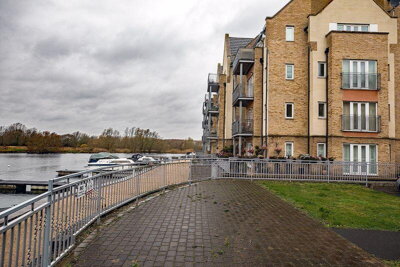
From a rental point of view, the price mix hints at the type of stock that is likely to come to market, from flats and compact cottages through to detached family homes. The best value often sits in properties that need a little compromise on space or layout, while larger homes command a premium for gardens, parking and privacy. Renters who want a quieter lane or a river-side outlook should expect competition to be stronger than in the surrounding urban fringe. In a small parish, the right home can feel quite personal, and that is part of the appeal.

Little Barford feels rural, compact and distinctive, with the River Great Ouse shaping both the landscape and the mood of the village. The power station is a prominent local landmark, but the day-to-day experience is much more about open space, low traffic and a close-knit settlement pattern. With only 307 residents across 120 households, this is a place where you notice the scale of the parish quickly. That small size gives the village a calm feel that many renters actively look for.
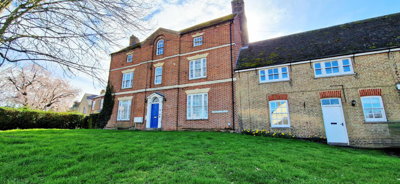
The conservation area and the cluster of listed buildings add real depth to the local streetscape. St Denys' Church, graded I listed, and Little Barford Mill, graded II listed, are part of the village's historic identity, and they help explain why the area feels more characterful than a standard commuter hamlet. Some of the local housing is likely to be older traditional brick, while newer homes appear more modern in layout and finish. Older homes can be beautiful to rent, but they also deserve a closer look for damp, movement and maintenance history.
Everyday life here is quieter than in nearby towns, so most residents rely on St Neots or Bedford for a wider choice of shops, services and evening options. That makes Little Barford a good fit for renters who value peace, countryside access and a sense of place over being beside a high street. Walkers and cyclists can enjoy the river corridor and the surrounding lanes, although low-lying routes need extra care after heavy rain. If you want village living without losing access to a bigger settlement, this location sits in that middle ground.
Families looking at Little Barford usually widen their school search to nearby St Neots and Bedford, because the parish itself is very small. That means the most important question is often not just which school is best, but which one has the right catchment, travel time and wraparound care for your household. We do not have a verified parish-level school list in the research set for this location, so you should check admissions details directly before committing to a tenancy. In a village this size, a short drive can make the difference between a practical school run and a stressful one.
Primary and secondary choices nearby are likely to be the main focus for most households, while post-16 families should also think about sixth-form and further-education options in the wider Bedford area. The best fit will depend on more than Ofsted alone, especially if you need breakfast club, after-school care or an easy bus route. On wet mornings, a school that looks close on a map can feel very different in practice, so build the route into your decision. If you are moving with children, line up schooling before you finalise your rent budget.
Renters often find that good education planning starts with the tenancy application itself. When a village has only 120 households, demand for family homes can rise quickly around popular catchments, and the right property may go first to households who already know where they want to be. Ask the agent which schools local families typically use, then confirm every detail with the school or local authority rather than relying on postcode assumptions. A careful check now is easier than changing plans later in the term.

Little Barford is best described as a car-led location, which suits renters who want rural living and do not mind planning journeys in advance. The local road network links the village to nearby St Neots and Bedford, where you will find a broader mix of shops, rail connections and day-to-day services. If you commute regularly, it is wise to test your route at peak times before you sign, because rural roads can behave very differently on a Monday morning than they do on a sunny weekend. Drivers usually have the easiest time here, especially if they need flexible access to surrounding employment centres.
Rail users tend to rely on the nearest stations in the wider St Neots and Bedford area rather than expecting a station inside the parish itself. That still gives the village commuter appeal, but it is more of a drive-and-rail pattern than a walk-to-platform arrangement. Bus services in small rural settlements are often less frequent than in town centres, so anyone who depends on public transport should check timetables carefully before choosing a home. A property that works on paper may feel less practical once you factor in evening returns, school pickups and weekend travel.
Cyclists can enjoy quiet country lanes and the flatter river landscape, although flood-prone sections and fast local traffic on connecting roads mean confidence matters. Parking is another part of the transport picture, since village homes often attract households with more than one car. Ask whether the property has off-street space, how easy it is to turn in and out, and whether access changes after heavy rain. Those details matter just as much here as the headline commute.
Secure a rental budget agreement in principle before you start viewing, then decide what monthly rent, deposit and moving costs feel comfortable for your household.
Little Barford is very small, so it helps to compare it with St Neots and Bedford to see which location matches your commute, school run and lifestyle.
Ask about river flooding, surface water risk, any past damp issues and whether the home sits within the conservation area or near a listed structure.
Good homes in a small village can disappear fast, so book viewings as soon as you spot a match and ask about parking, heating and broadband.
Have ID, references, income evidence and any guarantor details ready, because rural homes with limited stock can move to application faster than you expect.
Before you hand over money, confirm the deposit protection, inventory, utility meter readings and repair responsibilities so the tenancy starts cleanly.
Flood risk is one of the main checks here because Little Barford sits on the River Great Ouse, with parts of the village exposed to river and surface water flooding. Low-lying plots can look attractive in summer, yet they may need extra thought if you are storing bikes, keeping a car outside or working from a ground-floor room. Ask the agent whether the property has had flooding before, and look for signs such as raised thresholds, altered flooring or flood resilience measures. A little caution now can save a lot of stress later.
Shrink-swell clay is another local issue worth paying attention to, since the bedrock includes Oxford Clay Formation beneath river terrace deposits. In practical terms, that can mean movement in older homes, especially if there are mature trees nearby or the property has shallow foundations. Watch for diagonal cracks, sticking doors, uneven floors and patched brickwork, and do not be shy about asking how long those signs have been there. Damp, roof wear and timber decay can also show up in older village houses, so a good viewing should feel forensic rather than rushed.
Conservation status and listed building controls can affect the way a rented home is maintained, even if you are not the owner. If the property is in a listed building or within the conservation area, repairs and alterations may need a more careful approach, which can affect timescales and finish levels. Flats also deserve extra scrutiny because service charges, maintenance arrangements and energy performance can change the real cost of living there. Ask who handles external repairs, how heating performs in winter and whether the rent includes any building-related costs.
We do not have a verified live average rent figure for Little Barford in the research set, which is common in a very small parish. For context, homedata.co.uk shows the average house price at £376,432, with detached homes at £526,929 and flats at £175,000. That tells you the village spans everything from lower-value compact homes to higher-value family houses, so rents are likely to vary sharply by size, age and setting. A rental budget agreement in principle will help you judge what is realistic before you start viewing.
Council tax bands depend on the individual property rather than the village name, so there is no single band for Little Barford. The exact band will usually depend on the size, age and valuation band of the home you choose. Ask the agent to confirm the band before you offer, then build it into your monthly budget alongside rent, utilities and broadband. If the property is a larger detached home, expect the council tax bill to sit higher than for a flat or terrace.
Little Barford is so small that most families look beyond the parish itself and focus on nearby St Neots and Bedford. We do not have a verified parish-level school shortlist in the research, so the safest route is to compare catchments, travel time and wraparound care for the exact home you are considering. The best school for one household may not be the best for another if the bus route, breakfast club or sixth-form access does not work. Always confirm the latest admissions position directly before you sign a tenancy.
Public transport is more limited here than in a town centre, so Little Barford works best for renters who are comfortable driving or combining car and rail. Nearby St Neots and Bedford provide the broader station and service options that many commuters use. Bus links can be useful, but you should always check the timetable against your actual work or school hours. If you rely on late returns, test the route on the exact days you normally travel.
Yes, if you want a quiet village setting, river views and a home with character close to the Great Ouse corridor. The parish has a strong sense of place, a conservation area, listed buildings and just 120 households, so it feels more intimate than a typical suburban rental market. It suits people who are happy to plan ahead and who do not need constant high-street activity outside the door. If you want frequent buses, late-night amenities and a city pace, another location may be a better fit.
Most renters should budget for a holding deposit, a tenancy deposit and the first month's rent before move-in. The deposit is usually protected in a government-approved scheme, and the amount will depend on the rent and tenancy terms rather than the village itself. You may also need to cover referencing costs through the agent, along with moving expenses such as removals, setting up utilities and broadband. If the property is in a leasehold block, ask whether service charges affect the rent you are paying.
They are very sensible checks in this village because of the River Great Ouse, surface water risk and the Oxford Clay geology beneath the area. Those conditions can make damp, movement and historic flood damage more relevant than they would be in a standard town-centre flat. A careful viewing should include an inspection of walls, floors, rooflines, gardens and outbuildings, especially in older homes. If anything looks unusual, ask for more history before you commit.
We have not been able to verify an active new-build rental scheme specifically within Little Barford itself. That means the market is more likely to feature existing homes, conversions and older village properties than brand-new stock. If a modern layout matters to you, widen the search to nearby places as well. Our property search can help you compare the village with the wider Bedford and St Neots area before you decide.
From 4.5%
Compare rental budget rates and find the best deal before you start viewing
From £499
Check your documents and references before you apply
From £350
Spot damp, movement and flood-related defects before you move in
Price on request
Review the energy performance of the home you're considering
Renting in Little Barford usually means thinking beyond the monthly rent, especially because village homes can vary so much in size and condition. The most immediate costs are the holding deposit, the tenancy deposit and the first month's rent, followed by set-up items such as utilities, broadband and removals. If the home is older or larger, you may also want to budget for higher heating use, garden upkeep and parking costs. A sensible plan now makes a huge difference once you are ready to move.
Smaller villages often have fewer hidden city-centre extras, but the practical costs of rural living can still add up. If you depend on a car, fuel and parking matter more here than in a walkable town centre, and the right home may be the one with safe off-street parking rather than the lowest headline rent. For flats, ask about building management, service charges and how repairs are handled, because those issues can affect your real monthly outlay. Older homes can be charming, yet they may ask more of your heating budget in winter.
We always recommend getting a rental budget agreement in principle before you commit to viewings, because it keeps your search focused and stops you stretching too far. That matters in Little Barford, where good homes are limited and you may need to move fast when a match appears. Once you know your ceiling, you can judge whether a river-side cottage, a semi-detached family home or a smaller flat fits your life best. Homemove is here to help you compare the costs, the setting and the day-to-day reality before you sign.
Properties to Rent In London

Properties to Rent In Plymouth

Properties to Rent In Liverpool

Properties to Rent In Glasgow

Properties to Rent In Sheffield

Properties to Rent In Edinburgh

Properties to Rent In Coventry

Properties to Rent In Bradford

Properties to Rent In Manchester

Properties to Rent In Birmingham

Properties to Rent In Bristol

Properties to Rent In Oxford

Properties to Rent In Leicester

Properties to Rent In Newcastle

Properties to Rent In Leeds

Properties to Rent In Southampton

Properties to Rent In Cardiff

Properties to Rent In Nottingham

Properties to Rent In Norwich

Properties to Rent In Brighton

Properties to Rent In Derby

Properties to Rent In Portsmouth

Properties to Rent In Northampton

Properties to Rent In Milton Keynes

Properties to Rent In Bournemouth

Properties to Rent In Bolton

Properties to Rent In Swansea

Properties to Rent In Swindon

Properties to Rent In Peterborough

Properties to Rent In Wolverhampton

Enter your details to see if this property is within your budget.
Loans, cards, car finance
Estimated property budget
Borrowing + deposit
You could borrow between
Typical borrowing
Monthly repayment
Est. at 4.5%
Loan-to-value
This is an estimate only. Your actual budget may vary depending on interest rates, credit history, and personal circumstances. For an accurate affordability assessment, speak to one of our free mortgage advisors.
This calculator provides estimates for illustrative purposes only and does not constitute financial advice. Your home may be repossessed if you do not keep up repayments on your mortgage. Estimates based on 4.5% interest rate, repayment mortgage. Actual rates depend on your circumstances.
Homemove is a trading name of HM Haus Group Ltd (Company No. 13873779, registered in England & Wales). Homemove Mortgages Ltd (Company No. 15947693) is an Appointed Representative of TMG Direct Limited, trading as TMG Mortgage Network, which is authorised and regulated by the Financial Conduct Authority (FRN 786245). Homemove Mortgages Ltd is entered on the FCA Register as an Appointed Representative (FRN 1022429). You can check registrations at NewRegister or by calling 0800 111 6768.

We use cookies to show you personalised content and improve your experience of our website. Find out more in our Privacy policy and Cookie policy.