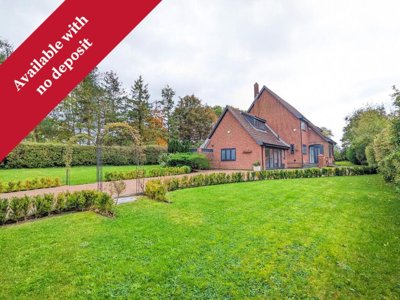
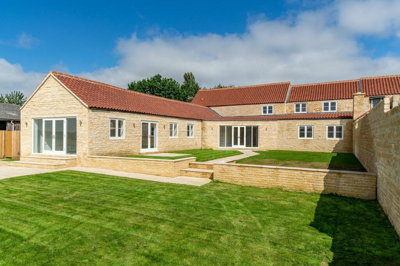
Browse 2 rental homes to rent in Lenton Keisby and Osgodby from local letting agents.
The Lenton Keisby And Osgodby property market offers detached, semi-detached, and terraced houses spanning various price ranges and neighbourhoods. Each listing includes detailed property information, photographs, and direct contact with the marketing agent.
Rental homes in Lenton Keisby and Osgodby sit in a market shaped by thin supply and steady demand from people drawn to rural Lincolnshire living. With just 158 residents in the parish, lettings are rare, and they tend to surface through local word of mouth or specialist rural agents. When something does appear, it is usually a character cottage, a stone farmhouse, or a converted barn, all of them rooted in the area’s farming past. Those looking to rent here need to move fast, because a suitable property can attract interest very quickly.
What comes up for rent in the parish is mostly made up of detached and semi-detached houses and cottages, which fits the agricultural setting. Much of the stock is old, and the presence of listed buildings from the 14th, 17th, and late 18th/early 19th centuries shows how much of the housing dates back. New-build rentals are almost unheard of within the parish boundaries. For renters, that means original features, thatched roofs, and traditional construction methods, all with the charm they bring and the maintenance they can demand.
Building materials here follow the local geology. In Osgodby, houses are mainly brick, sometimes with rendered finishes. Older properties often use local sandstone and limestone from the Kellaways Sandstone and Cornbrash limestone formations, materials that have been part of the region’s building tradition for centuries. Across Greater Lincolnshire, local clays are used for bricks and tiles, while older homes can also include erratics, the boulders left by glacial deposits. For tenants, that is useful background, since it helps explain both the character of the homes and the sort of upkeep period properties in South Kesteven may need.

Daily life in Lenton Keisby and Osgodby moves at an easy pace, shaped by the farming year and the close links between a small number of residents. The parish lies in the valley of the River Glen and its tributaries, so there are pleasant waterway views and walking routes along stream beds with alluvial layers of sand, gravel, silt, and clay. The River Glen cuts through the landscape, giving the area its quiet riverside feel. Public footpaths run across farmland and connect Lenton, Keisby, and Osgodby, which is part of what gives the parish its sense of place.
Heritage is written into the parish through several listed buildings. The Church of St. Peter in Lenton, a Grade I listed building from the 14th century, is the standout example. Manor Farm House in Keisby (Grade II), the Old Vicarage in Lenton (Grade II), the Old School House (Grade II), and the K6 Telephone Box (Grade II) all add to the architectural interest. Osgodby Farm also has a Grade II listed barn. The fall in population from 187 in 2011 to 158 in 2021 reflects wider rural depopulation across many Lincolnshire parishes, yet residents still speak highly of community spirit, low crime rates, and the quality of life in this part of South Kesteven.
The parish also has a wartime link through the Second World War airfield at Folkingham, which later became a Cold War missile base. It sits outside the parish, but it points to the strategic role this corner of Lincolnshire played in the mid-20th century. These days the farmland remains the main feature, wrapping around all three settlements. From here, the wider view stretches towards the Fenland and Limestone uplands, which suits renters who want open countryside and traditional rural scenery. Local events and neighbourly habits still shape everyday life, and newcomers are usually met with a proper welcome.

Families looking at rentals in Lenton Keisby and Osgodby should plan around limited local schooling, because the parish is small and the population has declined. The Old School House, a Grade II listed building dating from the late 18th or early 19th centuries, is a reminder of the parish’s educational past, but the small school that once served the area may no longer be running. Parents with school-age children will usually need to look to nearby villages and market towns for primary places. The nearest primary schools are likely to be in settlements that serve the wider rural catchment, so daily transport will matter.
For secondary education, residents generally look to the market towns of South Kesteven, where grammar schools and comprehensive secondary schools with good Ofsted ratings may be available. Catchment areas and admission rules need close checking, since rural catchments can cover a large area. Larger nearby towns also provide sixth form colleges and further education options for older students. Because travel distances can be long in a rural setting like this, families should think through school transport arrangements before choosing a rental property in the parish.
That wider spread of schools is a key part of the decision for families. Primary-aged children may have to travel several miles to get to school, while secondary pupils might go further still for grammar or comprehensive options. Some families in similar rural spots prefer to live nearer schools during the week and return to the parish at weekends. Others build in the cost and planning around school transport, by car, by public bus, or through dedicated school services. Renting here means getting ahead of the school run early and working out the time involved each day.

Transport links in Lenton Keisby and Osgodby reflect rural Lincolnshire as it is lived, with most people relying on private cars for daily travel. The parish sits among quiet country lanes that connect the three settlements to each other and to neighbouring villages and towns. Main road access comes through nearby market towns, with the A15 and A52 offering routes to larger places including Peterborough, Grantham, and beyond. With roads like these, driving is the norm, and anyone renting here should expect car ownership to be part of the arrangement.
Public transport is limited, as is common in small rural communities across Lincolnshire. Bus services linking the village to market towns can run at reduced frequencies, so they are better for the odd trip than for day-to-day commuting. The nearest railway stations are in larger towns, where you can join the national rail network for services to London, Birmingham, and other major cities. For anyone who needs regular rail travel, being close to a station in a market town will matter. Cycling can work for short local journeys, though the rolling Lincolnshire landscape and narrow lanes call for care.
The nearest market towns provide the everyday services that are not available locally, from supermarkets and medical practices to other key amenities. Grantham, around 15 miles away, offers a broad mix of shopping, healthcare, and leisure options. Peterborough, reached via the A15, acts as a major regional centre with wide retail and entertainment choices, plus direct rail services to London. For people working in either place, the commute from Lenton Keisby and Osgodby is possible by car, but the travel time is not small. Home working has made that easier for many professionals, cutting down the number of trips into town or city offices.

Before you commit to a rental in Lenton Keisby and Osgodby, spend time in the parish and the surrounding area. Visit at different times of day and across the week, check how easy it is to reach nearby market towns for shops and services, and talk to people already living there about day-to-day life. Get a feel for the rural setting, the distances to essentials, and the character of the three settlements. That will tell you quickly whether this quiet part of Lincolnshire fits what you want.
Sort out a rental budget agreement in principle before you start viewing. It shows how much rent you can afford and helps landlords see that you are serious and financially prepared. In a parish with so little rental stock, being ready with your finances gives you an edge when the right home appears. Do not just think about monthly rent, either. Council tax, utility bills, and the higher heating costs that often come with period properties and solid walls without cavity insulation all need to be in the plan.
Speak to rural property agents covering South Kesteven and the surrounding area. In small parishes like this, homes often let through specialist rural agencies rather than the big national platforms. Register your interest and be clear that you are looking for a property in Lenton Keisby and Osgodby. Local agents may hear about homes before they are widely advertised, and that can give registered tenants a useful advantage in a tight little market.
Once a suitable rental comes up, book a viewing without delay. Take notes on the condition of the property, watch for anything that may need maintenance, and ask how long the landlord hopes a tenant will stay and what responsibilities sit with the tenant. Because so many homes in the parish are older, we would pay particular attention to roofs, the presence of damp-proof courses, and the age and state of the electrical and plumbing systems.
After you have secured a property, tenant referencing checks will follow. These usually cover credit checks, employment verification, and references from previous landlords. It helps to have the paperwork ready before you are asked. Your letting agent or landlord will tell you exactly what is needed, and that may include proof of identity, proof of address, and employment details.
Before you collect the keys, go through a full inventory and record the condition of the property, along with all fixtures and fittings. That protects you from being blamed for issues that were already there when you move out. It is often worth booking an independent inventory service as well, especially in a parish where the age and character of homes means normal wear and tear on period features needs careful recording.
Renting in a parish with historic homes and a rural setting brings a few local issues that do not always crop up in town. The clay geology in Lenton Keisby and Osgodby, including Blisworth Clay Mudstone, Kellaways clay, and alluvial deposits along the River Glen, points to shrink-swell risk, which can lead to subsidence. When viewing period properties, look out for cracks in walls, doors or windows that stick, and floors that are not quite level. Ask the landlord whether there has been any subsidence or structural repair work, and consider a professional survey before you commit.
Flooding is another point to check carefully in Lenton Keisby and Osgodby. The parish lies beside the River Glen and its tributaries, so homes in lower-lying spots or close to watercourses can face river flooding in heavy rain. Surface water flooding can also affect the river valley, where alluvial deposits of sand, gravel, silt, and clay create ground that is low-lying but still fairly permeable. Ask whether the property has flooded before and what flood resilience measures are in place. Traditional buildings made from brick, rendered finishes, and local stone, including sandstone and limestone from the Kellaways Sandstone and Cornbrash limestone formations, may need different upkeep from modern homes.
Because many homes here are old, electrical and plumbing systems may need updating to current standards. Check the age and condition of the wiring, the consumer unit, and the plumbing before you sign anything. Older houses may also have solid walls without cavity insulation, so heating works differently and can cost more than in newer homes. Roof condition matters too, especially where there are slipped or broken tiles, tired flashing, or failing gutters. Timber parts such as joists, beams, and floorboards can also suffer from wet rot, dry rot, or woodworm in properties of this age.
Heritage details add plenty of character, but they also bring maintenance obligations. Thatched roofs look beautiful, yet they need specialist knowledge and regular care. Original windows, doors, and fireplaces are part of the appeal, although they may fall short of modern thermal standards. If you rent a period property in Lenton Keisby and Osgodby, have a clear conversation with the landlord about what sits with you and what the landlord will handle. That kind of clarity helps avoid disagreement later and keeps the property in good shape through the tenancy.

We do not have specific rental price data at parish level for Lenton Keisby and Osgodby, because the population is tiny and transaction volumes are very limited. In this part of rural South Kesteven, rent is likely to vary with property type, size, condition, and whether the home is a traditional cottage, a converted barn, or a modernised period property. Homes with character features, recent renovations, or larger gardens may attract higher rents. For the most accurate current figures, speak to local rural property agents who can provide comparables from the wider South Kesteven area.
For council tax, properties in Lenton Keisby and Osgodby fall under South Kesteven District Council. The parish includes a mix of period homes that sit across different council tax bands, from historic cottages in lower bands to larger converted farmhouses in higher ones. Each property is assessed on its own character, size, and condition. Ask the landlord or letting agent for the council tax band of any home you are considering, because that cost sits alongside rent and utility bills for the full monthly outlay.
The parish of Lenton Keisby and Osgodby has very little in the way of local education because the population is so small. Nearest primary schools are in neighbouring villages and market towns, serving a wider rural catchment. For secondary education, families look to nearby market towns where grammar schools and comprehensive schools cover the surrounding area. It is sensible to check catchments, admission criteria, and transport arrangements before deciding on a rental, since daily school travel may be needed and distances can be considerable.
Public transport links in Lenton Keisby and Osgodby are limited, which reflects the parish’s rural character. Bus services to nearby market towns may run only a few times a day, so they are more useful for occasional travel than for regular commuting. The nearest railway stations with national rail connections are in larger towns within driving distance, and Grantham offers direct services to London. Most residents depend on private vehicles, and car ownership is usually essential for everyday life in a place like this.
Lenton Keisby and Osgodby offers a rare chance to rent in a parish that still feels properly rural in Lincolnshire. The setting is peaceful, the community ties are strong, the River Glen valley gives the landscape its shape, and historic homes such as the 14th-century Church of St. Peter add real character. That appeal comes with trade-offs, though, including limited availability, the age and maintenance needs of period housing, the need for a private car, and the distances involved in reaching larger towns for services and amenities. For renters who are happy with that way of life, it offers something that has become hard to find.
Renting in England usually means a security deposit of five weeks' rent, held in a government-approved deposit scheme for the duration of the tenancy. Depending on the letting agent or landlord, there may also be tenant referencing fees, credit check costs, and administration charges. First-time renters should also set aside money for moving costs, furniture if the home is unfurnished, utility connection fees, and household basics. For homes in this price range, the total upfront outlay, including deposit, first month's rent, and fees, usually comes to £2,000 to £5,000, depending on the monthly rent.
There is a potential river flood risk for properties in Lenton Keisby and Osgodby because the parish sits along the River Glen and its tributaries. Homes in lower-lying spots near watercourses face the highest risk in heavy rain or long spells of wet weather. Surface water flooding can also happen in the river valley, where alluvial deposits leave the ground low-lying. Before you agree to a tenancy, ask the landlord about any past flooding at the property and what flood resilience measures are in place. Landlord insurance usually covers flood damage to the building, but tenants should still think about contents insurance for their own belongings.
Period homes in Lenton Keisby and Osgodby need an understanding of traditional materials and building methods. Brick, local sandstone, and limestone properties may have solid walls without cavity insulation, so they heat differently from modern houses. The clay geology in the area can cause ground movement, which may affect foundations over time. Timber parts in older homes can be vulnerable to rot or woodworm. Where thatched roofs are present, they need specialist care. Have a clear discussion with the landlord about maintenance responsibilities before you sign a tenancy agreement.
From 4.5%
We help tenants work out what they can comfortably spend on rent each month.
From £25
Our checks cover identity, employment, and rental history, so landlords can choose tenants with confidence.
From £99
A detailed property condition check helps protect you from unfair deductions when the tenancy ends.
From £85
The Energy Performance Certificate sets out the energy efficiency rating of the property you are thinking of renting.
It is important to understand the full cost of renting in Lenton Keisby and Osgodby before you begin looking. Upfront, you will need the first month's rent, a security deposit usually equal to five weeks' rent, and possibly referencing and administration fees charged by the letting agent or landlord. In this parish, where rentals are mostly period homes and traditional cottages, furnished lets may be less common than in urban areas, so renters may need to budget for furniture and household items as well. On a property let at £800 per month, initial costs could reach £4,000 to £5,000 once the deposit, fees, and moving expenses are included.
There are ongoing costs beyond the monthly rent, including council tax, utility bills for gas, electricity, and water, and contents insurance to protect your belongings. Period homes may cost more to heat because solid walls do not insulate as well as modern cavity-wall construction. The rural location also means it is sensible to check telephone and internet costs, since broadband speeds in parts of Lincolnshire can be slower than in urban areas. If you need to travel for work, transport costs such as fuel, vehicle maintenance, and any rail season tickets should be part of the budget. Getting a rental budget agreement in principle before you view properties gives you a clear picture of affordability and shows landlords you are financially ready.
When you plan your rent in Lenton Keisby and Osgodby, think about the maintenance responsibilities that may come with being a tenant. Period homes often need an understanding of traditional building methods and may require specialist contractors for repairs. It can be helpful to build contacts with local tradespeople in the South Kesteven area for smaller maintenance jobs. Allow for annual chimney sweeping if there are working fireplaces, regular gutter clearing, and the possibility of specialist roof repairs. Those costs are part of life in a heritage-rich parish, and they help preserve the character that makes these homes so appealing.
Properties to Rent In London

Properties to Rent In Plymouth

Properties to Rent In Liverpool

Properties to Rent In Glasgow

Properties to Rent In Sheffield

Properties to Rent In Edinburgh

Properties to Rent In Coventry

Properties to Rent In Bradford

Properties to Rent In Manchester

Properties to Rent In Birmingham

Properties to Rent In Bristol

Properties to Rent In Oxford

Properties to Rent In Leicester

Properties to Rent In Newcastle

Properties to Rent In Leeds

Properties to Rent In Southampton

Properties to Rent In Cardiff

Properties to Rent In Nottingham

Properties to Rent In Norwich

Properties to Rent In Brighton

Properties to Rent In Derby

Properties to Rent In Portsmouth

Properties to Rent In Northampton

Properties to Rent In Milton Keynes

Properties to Rent In Bournemouth

Properties to Rent In Bolton

Properties to Rent In Swansea

Properties to Rent In Swindon

Properties to Rent In Peterborough

Properties to Rent In Wolverhampton

Enter your details to see if this property is within your budget.
Loans, cards, car finance
Estimated property budget
Borrowing + deposit
You could borrow between
Typical borrowing
Monthly repayment
Est. at 4.5%
Loan-to-value
This is an estimate only. Your actual budget may vary depending on interest rates, credit history, and personal circumstances. For an accurate affordability assessment, speak to one of our free mortgage advisors.
This calculator provides estimates for illustrative purposes only and does not constitute financial advice. Your home may be repossessed if you do not keep up repayments on your mortgage. Estimates based on 4.5% interest rate, repayment mortgage. Actual rates depend on your circumstances.
Homemove is a trading name of HM Haus Group Ltd (Company No. 13873779, registered in England & Wales). Homemove Mortgages Ltd (Company No. 15947693) is an Appointed Representative of TMG Direct Limited, trading as TMG Mortgage Network, which is authorised and regulated by the Financial Conduct Authority (FRN 786245). Homemove Mortgages Ltd is entered on the FCA Register as an Appointed Representative (FRN 1022429). You can check registrations at NewRegister or by calling 0800 111 6768.

We use cookies to show you personalised content and improve your experience of our website. Find out more in our Privacy policy and Cookie policy.