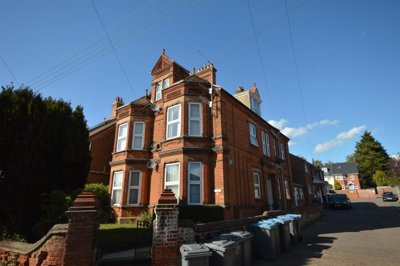
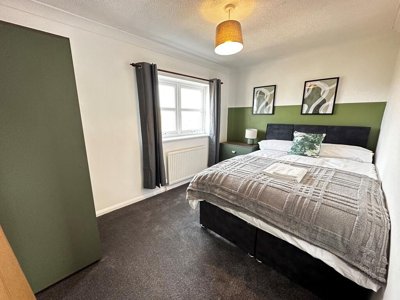
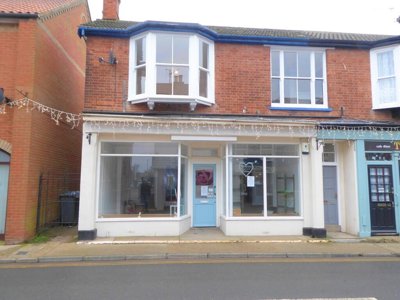
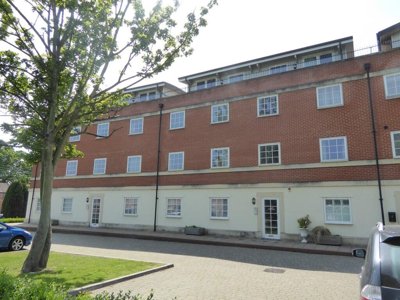
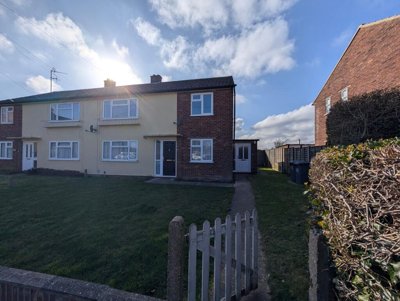
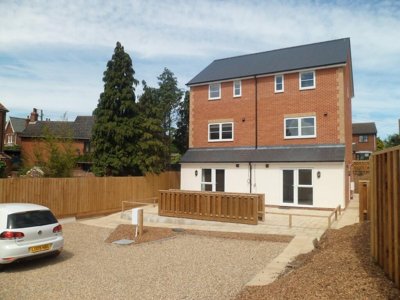
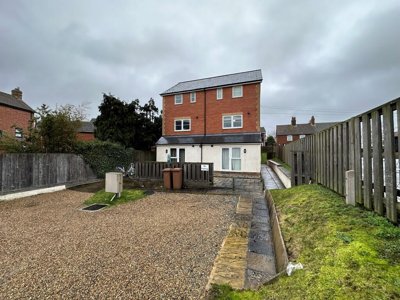
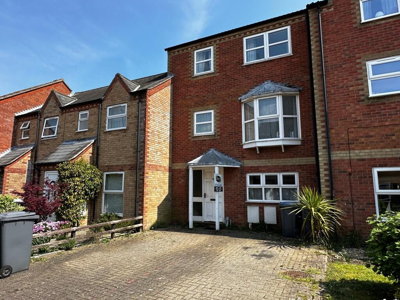
Browse 9 rental homes to rent in Leiston, East Suffolk from local letting agents.
Studio apartments feature open-plan living spaces without separate bedrooms, incorporating sleeping, living, kitchen, and bathroom facilities. The Leiston studio market includes properties in modern apartment complexes, converted Victorian and Georgian buildings, and purpose-built developments.
£800/m
1
0
25
Source: home.co.uk
Showing 1 results for Studio Flats to rent in Leiston, East Suffolk. The median asking price is £800/month.
Source: home.co.uk
Flat
1 listings
Avg £800
Source: home.co.uk
Source: home.co.uk
£265,000
Average Sold Price
19.8%
Annual Price Rise
£420,667
Detached Average
£262,569
Semi-Detached Average
Leiston’s private rental market draws a broad range of tenants, from young professionals and couples taking early steps on the property ladder to families looking for more room than city living usually gives them. Rental homes in Leiston range from Edwardian and Victorian houses around the town centre to more contemporary new-build properties on the edges of town. Because the stock spans different eras, renters can pick between period details such as original fireplaces and high ceilings, or newer homes with energy-efficient systems and open-plan layouts. Recent sales data shows terraced properties account for the largest share of transactions in the IP16 area, with semi-detached and detached houses following behind, which points to a similar spread across the rental market.
Across Leiston, average rents tend to track the wider East Suffolk pattern, with terraced homes usually coming in below semi-detached and detached houses on monthly cost. Flats are often the most affordable way into the local rental market, which suits single occupants and couples keeping a close eye on budget. There is also added choice from new-build schemes by established names such as Persimmon and Hopkins Homes, giving renters access to modern construction, warranties, and lower upkeep. home.co.uk listings in the Leiston area show new build properties from approximately £245,000 for a 2-bedroom terraced house up to £535,000 for a 4-bedroom house, although rental levels for those homes will depend on market conditions and the specification of each property.
At certain points of the year, Leiston lets move quickly. Summer is often the busiest spell, especially when families want to be in place before the new school year. Homes with gardens tend to attract the strongest interest from families, while younger professionals often focus first on access to transport and town-centre amenities. We find that a local letting agent who knows how the Leiston market behaves can make it easier to spot suitable homes and get through the application process without wasting time.

There is more to Leiston than a postcode and a rent figure. The town grew markedly in the late 19th and early 20th centuries, and that history still shows in the look of many residential streets. Several roads are lined with Edwardian semi-detached houses, often with generous room proportions and period detailing that newer homes do not always match. That sense of architectural continuity gives Leiston a character of its own, which many renters prefer to the feel of more uniform modern estates.
The wider local economy is shaped in part by major infrastructure, notably Sizewell B nuclear power station and the proposed Sizewell C development. Both support jobs for local residents and also bring in workers looking for rental homes nearby. Tourism matters here as well, helped by the Suffolk Heritage Coast, its Areas of Outstanding Natural Beauty, and the many coastal walks and nature reserves within easy reach. Day to day, residents have independent shops, traditional pubs serving locally sourced food, and community events that keep a strong neighbourhood feel going right through the year.
For everyday life, Leiston town centre covers the basics well, with convenience stores, a post office, and a run of independent retailers. There is a cinema too, along with recreational spaces used for community activities throughout the year. The coast nearby opens up plenty of free time options, from beach visits in summer to birdwatching and walks through nature reserves. The town also has links to the creative arts, and local events and exhibitions reflect the creative community that has put down roots in this part of Suffolk.

Families looking to rent in Leiston have options from early years right through to further education. Primary schools in and around the town cater for children aged 5 to 11, and several have positive ratings for pupil achievement and welfare. We always suggest checking individual Ofsted reports carefully, because standards can differ across the area and the right fit will vary from one child to another. Leiston itself also has nursery settings and preschool provision, which can be useful for working parents who need flexible childcare.
Secondary schooling in Leiston includes local schools serving the town and nearby villages, though some families also look at grammar school options in nearby towns within a manageable commute. For older students, sixth form colleges and further education providers in larger centres such as Ipswich and Lowestoft open up more routes. Catchment areas need attention during any rental search, because admissions policies often give priority to children living inside defined boundaries. That is one reason homes within walking distance of well-regarded schools can attract premium rents, especially at the busiest point of the rental season before the academic year starts.
School travel can be a practical sticking point for renters here, particularly because the surrounding area is rural. Some households depend on local bus services to get children to schools beyond walking distance, while others need to check whether they qualify for school transport before choosing where to rent. We think it is sensible to confirm route availability and reliability before committing to a property, rather than trying to solve those logistics later.

Getting in and out of Leiston has become easier in recent years, and the town now gives residents workable access to the main transport links needed for commuting, work trips, and leisure. Nearby Saxmundham sits on the A12, linking Leiston south to Ipswich and north to Lowestoft. That route also gives access to the A14 for longer journeys towards Cambridge and further afield. Bus services run by local operators connect Leiston with neighbouring towns and villages, and they are important for residents without a car, although less used routes can have limited frequencies.
For rail travel, residents usually use Saxmundham station on the East Suffolk line. Services run to Ipswich, where passengers can connect with the Greater Anglia network towards London Liverpool Street. The trip to Ipswich can be a useful alternative to driving, and the same line also links to Lowestoft and Felixstowe, so coastal journeys without a car are perfectly possible. Travel to Cambridge or Norwich is more straightforward by road, although journey times are longer than they would be from a more central town. Around Leiston itself, more people are also using cycling routes for local trips, with designated links connecting the town to nearby communities.
Anyone renting in Leiston without a private vehicle needs to plan ahead a bit more than they might in a larger town. Bus and rail options are there, but they are less extensive, so it is wise to check timetables in advance, particularly at peak times when services can be busy. Evening and weekend journeys can be less frequent as well, which may matter for residents working unsocial hours or heading out to nearby towns after work.

We recommend starting with current rental listings in Leiston through Homemove so you can see what is actually available within budget. It helps to weigh up school access if children are part of the move, commute times to work, and the local amenities your household uses most often. Because IP16 covers the wider Leiston area, not just the town itself, widening the search to nearby villages can uncover better value or a property that fits your requirements more closely.
Before booking viewings, arrange a rental budget agreement in principle through a mortgage broker or financial adviser. Landlords and letting agents can see from that document that the monthly rent is affordable for you, which can matter in a competitive market where several applicants are chasing the same property. Getting finances in order early also gives a clearer picture of what can realistically be spent each month, and that helps avoid wasting time on homes outside budget.
Once a shortlist is in place, it is worth seeing those properties in person. During viewings, ask about tenancy length, what the rent includes, and any limits on pets or smoking. We would also look closely at overall condition. In Leiston, where a fair share of the housing stock is older, period features need special attention, and it is sensible to ask what maintenance the landlord has carried out recently.
After choosing a property, the letting agent will usually ask for referencing checks, proof of identity, evidence of income, and references from previous landlords. Having that paperwork ready in advance can keep the application moving and cut down avoidable delays. In a market like Leiston, where good rentals can attract quick interest, sending a complete application promptly can make a real difference.
Once references are approved, the next step is the tenancy agreement. This is the legally binding document setting out the rent amount, deposit amount, tenancy length, and the responsibilities of landlord and tenant. We always advise reading it slowly and asking about any clause that is unclear before signing, rather than dealing with uncertainty later.
Before move-in day, the letting agent or landlord should carry out a check-in inspection and prepare an inventory recording the property’s condition. That record protects both sides at the start of the tenancy and will be compared with the check-out report when the tenancy ends. Make sure a copy of the inventory is provided, and raise any errors or concerns straight away so there is less chance of a dispute once you eventually move out.
Some of the things that matter most in Leiston are not always obvious during a first viewing. Homes near the Suffolk coast can take more of a battering from coastal weather, so it is worth checking window frames, doors, and outside finishes for wear that may point to heavier maintenance needs. Coastal erosion is an established issue along parts of the Suffolk coastline, and for any home close to the sea we would look into the specific flood and erosion risk using the Environment Agency's flood maps. Because part of Leiston’s housing stock dates back to the Edwardian and Victorian periods, roofs, gutters, and damp proof courses also deserve a careful look, as they do a lot of the work in keeping moisture out of older buildings.
Energy performance has become a bigger part of the rental decision for obvious reasons, especially with utility costs where they are. Check the Energy Performance Certificate rating at viewings, since older homes with solid walls or modest insulation can be more expensive to heat during colder Suffolk months. Gas central heating is often cheaper to run than electric storage heaters, but we would still confirm whether mains gas is actually connected with the current occupant or landlord. Ground floor flats can raise slightly different questions around insulation and security than upper floor flats in the same block. It is also sensible to keep local ground conditions in mind, because clay geology in parts of Suffolk can bring subsidence risk through shrink-swell clay movement, particularly where trees or large shrubs sit close to foundations.
Electrical safety deserves proper attention, especially in Leiston’s older period homes. Wiring in some properties may not have been updated to current standards, so ask when the last electrical inspection took place and whether any rewiring has been done. Even the condition of the consumer unit, or fuse box, can give a clue about past upgrades. Landlords are legally required to provide carbon monoxide and smoke detectors, but we would still check that they are fitted and working during the check-in process.

Source: homedata.co.uk and home.co.uk market data, 2024-2025
Although the underlying research is based on sales rather than rents, Leiston rental values usually follow the same local hierarchy, with terraced homes and flats often providing the most accessible starting point for renters. In the IP16 area, average sold prices put detached properties at approximately £420,667, semi-detached at around £262,569, terraced at £196,167, and flats at £120,638. That gives useful context for relative values across the local market. For current asking rents, searching listings on Homemove is the best way to see what is available in Leiston right now, as rental pricing can shift with the season and with local demand.
In council tax terms, Leiston sits under East Suffolk Council. Rates are set according to the valuation band assigned by the Valuation Office Agency, and most homes in Leiston fall within bands A to D. The exact band depends on the assessed value of the property. Band A carries the lowest charge, while bands E to H apply higher rates to higher-value homes. The East Suffolk Council website lets residents check the council tax band for a specific address and also shows the current rate for each band.
For families, Leiston has several primary schools serving the local area, and most are inspected regularly by Ofsted. The latest inspection reports and performance information are worth checking before making a decision. Secondary schools nearby take pupils from Leiston and the surrounding villages, while grammar school options in nearby towns may suit families happy to travel a little further. Nursery settings and preschool provision within the town add more flexibility for parents balancing employment and family life.
Bus services link Leiston with nearby villages and larger places including Saxmundham, where the station gives access to the East Suffolk line between Ipswich and Lowestoft. From Saxmundham, rail passengers can travel to Ipswich and change there for London Liverpool Street and other major destinations on the Greater Anglia network. By road, the A12 runs through nearby Saxmundham and connects south towards Ipswich and north towards Lowestoft. Public transport is still more limited here than in a larger urban area, though, so for rural village journeys especially, we suggest checking bus and rail times before relying on them.
Leiston appeals to many renters because it brings together coastal living, a strong sense of community, and prices that are still relatively affordable compared with larger East Anglia towns. For everyday practicalities, there are shops, pubs, and healthcare facilities. For time off, the Suffolk Heritage Coast and nearby Areas of Outstanding Natural Beauty are a major draw. Work in the area is supported by projects including Sizewell B and the proposed Sizewell C development, although anyone commuting into a city will need to think carefully about travel arrangements. The housing choice is mixed too, from older character properties to newer homes by developers such as Persimmon and Hopkins Homes.
In most cases, renting in Leiston means paying a security deposit equal to five weeks rent. By law, that cap of five weeks rent applies where the annual rent is below £50,000, and the money is held by the landlord or letting agent in a government-approved scheme before being returned at the end of the tenancy, subject to deductions for damage or unpaid rent if those apply. On top of that, many letting agents charge an administration fee for referencing and credit checks, and the amount can vary from one agency to another. Renters should also allow for the first month rent in advance, moving costs, and possible charges for items such as inventory reports. We recommend getting quotes for rental budget services before committing to a tenancy so the full cost picture is clear.
Within the IP16 postcode area, new-build developments by housebuilders including Persimmon and Hopkins Homes offer 2, 3, and 4-bedroom homes, some of which may come onto the rental market depending on current conditions. These properties often appeal because they combine modern construction with energy-efficient systems and manufacturer warranties. In some cases, developers may also offer incentives such as deposit contributions. Renting a new-build can mean fewer maintenance issues than taking on an older period property, although the monthly rent may sit higher to reflect the specification and added features.
Coastal conditions can have a noticeable effect on properties around Leiston. Homes nearer the Suffolk coast may see faster wear on outside materials including window frames, doors, and rendering, so we would inspect those carefully at a viewing and ask what maintenance has been done recently. Flood risk is also worth checking through the Environment Agency's online flood maps, particularly for low-lying homes or properties close to watercourses. Coastal erosion affects some stretches of the Suffolk Heritage Coast as well, although Leiston itself is set slightly inland from the most exposed locations. Insurance can cost more for coastal properties, and that may sometimes feed through into rental pricing or tenancy terms.
From 4.5%
We can help you get pre-approved for your rental budget, which can make your application stronger.
From £99
We can also guide you through referencing checks, helping speed up your rental application.
From £85
Professional check-in and inventory to protect your deposit
From £85
Energy performance certificate for your rental property
Setting a rental budget in Leiston means looking beyond the monthly rent. The upfront cost of moving into a rented home will usually include the first month rent and a security deposit, which is legally capped at five weeks rent where the annual rent is below £50,000. Some letting agents also charge administrative fees for handling the application, carrying out reference checks, and preparing the tenancy agreement, although certain fees have been capped by government regulations since 2019. A landlord may ask for a holding deposit as well while referencing is under way, and that is typically taken off the first month's rent once the tenancy goes ahead.
After move-in, the regular costs continue with council tax, which in East Suffolk depends on the property band but is generally in the lower to middle range nationally. Homes in bands A to D are usually cheaper on council tax than those in higher bands. Utility bills for gas, electricity, water, and internet will vary with property size, insulation levels, and how much is used, and older period homes often cost more to heat because insulation is less effective. Contents insurance is well worth having to protect personal belongings, and some landlords now make it a tenancy condition. Day-to-day maintenance stays the landlord’s job, but tenants are expected to report problems quickly and keep the property in reasonable condition throughout the tenancy.
When working out the full budget, we would factor in more than rent alone. Properties with better Energy Performance Certificate ratings often cost less to heat and cool, which can offset a higher monthly rent over time. Ground floor homes may be cheaper to rent, but they can bring higher heating costs and extra security considerations. Transport matters too, since homes farther from the town centre may mean owning a vehicle or paying for regular bus trips. For parents, there are also school-related costs to allow for, including uniforms, transport, and meals, all of which affect the real cost of renting in different parts of the Leiston area.
Properties to Rent In London

Properties to Rent In Plymouth

Properties to Rent In Liverpool

Properties to Rent In Glasgow

Properties to Rent In Sheffield

Properties to Rent In Edinburgh

Properties to Rent In Coventry

Properties to Rent In Bradford

Properties to Rent In Manchester

Properties to Rent In Birmingham

Properties to Rent In Bristol

Properties to Rent In Oxford

Properties to Rent In Leicester

Properties to Rent In Newcastle

Properties to Rent In Leeds

Properties to Rent In Southampton

Properties to Rent In Cardiff

Properties to Rent In Nottingham

Properties to Rent In Norwich

Properties to Rent In Brighton

Properties to Rent In Derby

Properties to Rent In Portsmouth

Properties to Rent In Northampton

Properties to Rent In Milton Keynes

Properties to Rent In Bournemouth

Properties to Rent In Bolton

Properties to Rent In Swansea

Properties to Rent In Swindon

Properties to Rent In Peterborough

Properties to Rent In Wolverhampton

Enter your details to see if this property is within your budget.
Loans, cards, car finance
Estimated property budget
Borrowing + deposit
You could borrow between
Typical borrowing
Monthly repayment
Est. at 4.5%
Loan-to-value
This is an estimate only. Your actual budget may vary depending on interest rates, credit history, and personal circumstances. For an accurate affordability assessment, speak to one of our free mortgage advisors.
This calculator provides estimates for illustrative purposes only and does not constitute financial advice. Your home may be repossessed if you do not keep up repayments on your mortgage. Estimates based on 4.5% interest rate, repayment mortgage. Actual rates depend on your circumstances.
Homemove is a trading name of HM Haus Group Ltd (Company No. 13873779, registered in England & Wales). Homemove Mortgages Ltd (Company No. 15947693) is an Appointed Representative of TMG Direct Limited, trading as TMG Mortgage Network, which is authorised and regulated by the Financial Conduct Authority (FRN 786245). Homemove Mortgages Ltd is entered on the FCA Register as an Appointed Representative (FRN 1022429). You can check registrations at NewRegister or by calling 0800 111 6768.

We use cookies to show you personalised content and improve your experience of our website. Find out more in our Privacy policy and Cookie policy.