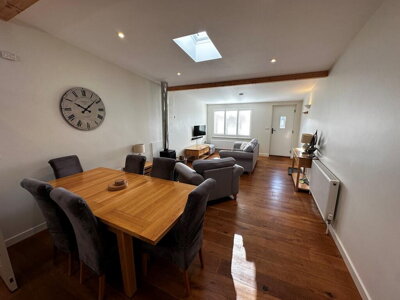
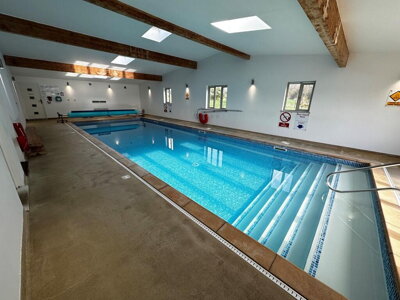
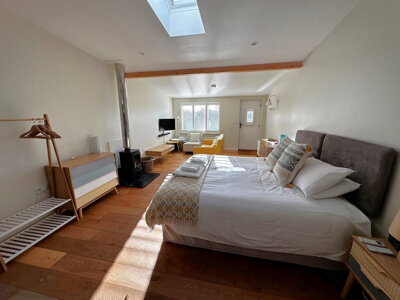
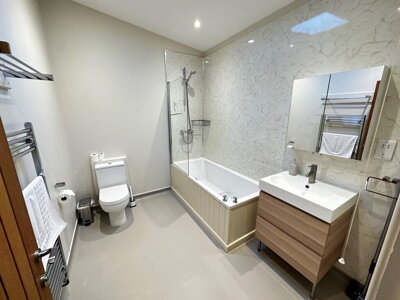
Browse 5 rental homes to rent in Laxfield, Mid Suffolk from local letting agents.
£0/m
0
0
0
Source: home.co.uk
Laxfield’s rental scene mirrors the wider Mid Suffolk market, and the figures have shifted noticeably over the past twelve months. Average sold house prices are down approximately 19% year on year, and still 19% below the 2023 peak of £439,720, according to home.co.uk listings data. That correction has opened the door for renters and buyers, with detached homes averaging around £407,000 and the area still looking keenly priced beside urban centres in the southeast. It follows the pandemic surge, when remote workers were after more space in rural settings.
For renters, Laxfield offers a mix that feels properly Suffolk, from cottages and end-of-terrace homes to detached houses that work for different household sizes. home.co.uk listings show everything from compact one and two-bedroom cottages for singles or couples to larger family homes with more than one reception room and gardens. Detached properties make up much of the stock, alongside a decent spread of semi-detached and terraced homes across the village. Outdoor space is common too, which suits the semi-rural setting and local expectations.
That market adjustment has made Laxfield more appealing to tenants who found prices hard to swallow at the height of the pandemic. homedata.co.uk reports current average sold prices at £365,588, while home.co.uk indicates £334,000, so there is still room in the market for buyers and renters alike. Landlords have been adjusting with competitive terms and well-kept homes to draw in reliable tenants. For anyone weighing up a move, it is a sensible moment to look closely at the local rental market and see what can be agreed.

Laxfield still feels like the kind of English village people picture first, with a community that has long held on to rural habits and close neighbourly ties. In the centre, a historic church, a traditional pub and the local shop act as everyday meeting points for residents and visitors. Life here runs at a gentler pace than in town, with countryside walks, gardening and outdoor pursuits part of the rhythm. Seasonal events keep things lively, from summer fetes to winter celebrations.
Step beyond the village and the Suffolk countryside opens out into rolling farmland, old hedgerows and footpaths that pull in walkers and anyone who likes being outdoors. Farming still shapes much of the landscape, and local produce is easy to find through farm shops and markets. Residents get the calm of open country without being cut off from larger towns for work, shopping or an evening out. That balance is what makes Laxfield so appealing.
The village pub is where newcomers tend to be recognised quickly, while the local shop keeps the essentials, along with the latest community news. Postcodes in the Laxfield area sit within IP13, covering the village itself and the surrounding countryside, including nearby hamlets. A strong volunteer spirit keeps things going too, from church restoration work to the village hall events programme. People often say they settle in fast here, helped by neighbours who notice new arrivals and offer practical support from day one.

Families looking at Laxfield will find primary education available through a cluster of schools in nearby villages and across wider Mid Suffolk. Being close to well-regarded primary schools means younger children can access good provision without long daily journeys. For secondary education, most pupils travel to nearby towns for established secondary schools and sixth form colleges. It is wise to check catchments and admission rules early, because boundaries can decide where a child is placed.
Across Mid Suffolk, the choice widens further, with faith schools, academy schools and comprehensive schools that have strong academic records. Nearby village primaries serve Laxfield well, and many families travel only a short distance for the school run. Diss High School and Stradbroke High School are both within reasonable driving distance, and each has a solid reputation for academic achievement and extracurricular opportunities. Older students can look to nearby towns for sixth form routes into further education or vocational training.
Schools in the area also benefit from involved parent communities, and families moving to Laxfield should register interest early. Rental homes may fall within specific catchment areas, so school placement can depend on the property itself. Rural Suffolk has established school transport, with bus routes in place so pupils from Laxfield can reach secondary schools in the surrounding towns. We would always suggest checking catchment boundaries with Suffolk County Council before committing to a rental.

Getting out of Laxfield is mainly a matter of driving. The village sits on the B1117, which links it to nearby towns and villages, and the A1120 is close by for access to the A14 trunk road, Suffolk’s main east-west route connecting Felixstowe port to the midlands. Ipswich is about 40 minutes away by car, and Norwich is around an hour, so occasional commuting is possible. The trade-off is the rural road network, where narrower lanes can be a challenge, especially in winter when visibility drops.
Public transport is limited, which fits the village character of Laxfield, with bus services running to the nearest towns on sparse timetables. Diss and Saxmundham are the nearest railway stations, both offering links towards Norwich, Ipswich and London Liverpool Street via changing points. From Diss, Norwich is roughly 25 minutes away by rail. Saxmundham gives regular services to Ipswich and Norwich, with London connections available through either Ipswich or Norwich mainline stations.
For regular commuters, a private car is usually part of the deal, though the quiet rural setting suits people working from home or after a slower pace of life. Bus services are mostly geared around school runs and market days, so day-to-day errands and social plans are easier with a vehicle. Being within the IP13 postcode area also means there is practical access to nearby towns for groceries, GP appointments and leisure. Many residents simply plan the week around travel and accept that rhythm.

Most rentals in Laxfield are rooted in traditional Suffolk construction, which suits the village’s historic look and feel. A large share of the homes were built before 1945, so they often have solid brick walls rather than modern cavity wall insulation. Those older methods bring good thermal mass, although heating can work differently from newer properties. Anyone viewing a period home should get comfortable with its character and how it performs day to day.
Laxfield’s cottages often come with timber-framed construction, rendered exteriors, thatched or clay tile roofs, and original sash windows. They are attractive features, but tenants need to understand that they come with a different sort of upkeep. Exposed timber beams, inglenook fireplaces and flagstone floors are all part of the package, and many tenants warm to them quickly once they move in. Knowing what the landlord handles and what falls to the tenant helps avoid arguments later on.
A fair number of rentals in Laxfield sit outside the gas network, so oil-fired central heating or LPG bottles for cooking are common. That means planning for oil deliveries and annual boiler servicing is part of life in a rural Suffolk property. Some homes also use private water sources or shared arrangements, which is not unusual in the countryside. Ask for the paperwork during referencing so you know exactly what you are taking on, and what it will cost.
Before we even start viewing properties in Laxfield, it helps to have a rental budget agreement in principle so we know what monthly level is realistic. We would factor in rent, utilities, council tax and moving costs from the outset. Our platform can point you towards services that help work out a sensible budget from income and existing commitments.
A proper look around Laxfield matters before you commit to a rental. We would visit at different times of day, check the local amenities, get a feel for the road links and speak to people already living there about village life. That gives a clearer picture of the practical side of day-to-day living, and whether it matches what you want.
We recommend browsing available rental listings through Homemove and local letting agents, then booking viewings for the properties that stand out. It is worth checking condition, garden access, parking and overall suitability while you are there. Seeing more than one home helps too, because the rental market in Laxfield tends to move at a steady pace rather than the fast turnover common in urban areas.
Once you have found a property, take time over the tenancy agreement, from the rent amount and deposit requirements to the minimum term, notice periods and any restrictions on pets or alterations. Rural homes can also carry specific clauses about garden upkeep, oil deliveries or septic tank arrangements, and these are not always the same as in a standard town tenancy. Read the small print carefully.
Be ready to provide the documents needed for tenant referencing, including proof of identity, employment verification and references from previous landlords. We would also set aside money for referencing fees as part of the moving budget. Self-employed applicants, or anyone with more complicated income, should gather extra paperwork to support the application.
Before the keys are handed over, you will attend the check-in appointment, where the property condition is recorded. Sign the tenancy agreement and arrange payment of the deposit and first month’s rent. Keep copies of everything, especially the deposit protection certificate and the inventory report, for your records.
Renting in a rural Suffolk village means paying attention to things that may not come up in an urban flat or house. Laxfield properties often use older construction methods and traditional materials, so maintenance needs can be different from those in modern homes. Older cottages may have single-glazed windows, solid walls rather than cavity walls, and heating systems that are not the same as contemporary set-ups. During viewings, it is sensible to look at roofs, gutters and timber frames, because they tell you a lot about upkeep and likely future costs.
Some homes in Laxfield may sit within conservation areas or carry listed building status, which can limit changes. Tenants need to know their responsibilities for maintenance, and also any restrictions on decorating or making alterations during the tenancy. Oil-fired central heating is common where the gas network does not reach, so oil deliveries and regular boiler servicing should be part of the budget. Rural drainage and water arrangements can also be different, with private water sources or septic tank setups in some properties.
Viewing at different times of year can reveal the sorts of issues that only show up later, such as damp, how well the heating works, and what the garden looks like in winter. We would also ask landlords about recent maintenance, including roof repairs, window replacements and boiler servicing records. Solid walls can mean higher heating costs than in modern homes, so previous energy use is useful when planning a budget. The EPC rating is worth checking too, even if a character property scores lower because of its traditional build.

Specific rental price data for Laxfield is limited, but the sold market puts average prices at approximately £365,588, with terraced properties averaging £246,500 and detached homes around £407,000. In rural Suffolk villages, rents usually reflect property size, condition and local demand, so two-bedroom cottages often start from around £900 per month and larger family homes from £1,200 per month. The recent 19% price correction in the sales market may also feed through into rents as landlords adjust. For live pricing, local letting agents are the best place to check.
Homes in Laxfield fall under Mid Suffolk District Council, and council tax bands run from A to H depending on value. Band A properties pay the lowest annual charges, while Band H homes sit at the top end, and most standard family houses in the village are likely to sit in bands B through D. Specific banding can be checked on the Mid Suffolk District Council website using the property address. For band B to D properties, budget roughly £1,400 to £1,900 a year, though the exact bill will depend on the home and the current council charges.
Laxfield itself has access to primary schooling through schools in the surrounding villages, with the nearest primaries serving the local area. Secondary education is available in nearby market towns, and families can compare options using Ofsted reports and exam results. Across Mid Suffolk there are schools rated good and outstanding by Ofsted, although the right choice depends on catchment boundaries and admission criteria. We would always check current performance data and policies before choosing a rental, as places can be competitive in sought-after rural spots.
Public transport around Laxfield is thin on the ground, which is what you would expect from a small rural village. Bus services run to reduced timetables and mainly cover the essential trips, shopping runs and medical appointments. Diss and Saxmundham are the nearest stations, both linked to the East Anglian rail network with services towards Norwich, Ipswich and London. Most residents depend on a car, and the village sits about 20 minutes from the A14 corridor for east-west travel across Suffolk.
Laxfield offers a strong quality of life for anyone after countryside living within a supportive community. It brings peace, natural scenery and close local ties, all of which matter a great deal to residents. The practical side still needs a look, though, because public transport is limited, most journeys depend on cars, and specialist services or entertainment usually mean heading to larger towns. The recent price correction has improved the outlook for longer-term renters, and the village still compares well with commuter villages nearer London.
In England, the standard deposit for a rental property is five weeks’ rent, capped at five weeks’ rent where the annual rent is above £50,000. For most homes in Laxfield, that means a deposit of around £1,000 to £2,000, depending on the monthly rent. Tenant referencing fees usually land between £100 and £300 per applicant, and guarantor arrangements can add more. First-time renters should also allow for the deposit, first month’s rent, referencing fees and moving costs, and a rental budget agreement in principle helps set the right limit before viewings begin.
The rental stock in Laxfield is mostly made up of traditional cottages, period homes and detached houses, not modern apartments or flats. Many properties have two to four bedrooms, and the larger ones often come with gardens, outbuildings and parking spaces. Character features such as exposed beams, inglenook fireplaces and traditional sash windows are common, reflecting the age of the local housing stock. Terraced cottages suit singles and couples, while detached family homes give larger households the space and garden access they need.
Plenty of rentals in Laxfield are off the mains gas network, so oil-fired central heating is a regular feature and fuel deliveries are part of the routine. Tenants should plan for oil costs, which usually sit between £800 and £1,500 a year depending on the size of the property and how it is used. The heating system ought to be serviced before winter, with the landlord responsible for keeping the boiler in working order. Getting to grips with the oil tank and arranging deliveries through local suppliers is part of rural life here.
Knowing the full cost of renting in Laxfield makes budgeting far less painful and helps avoid surprises once the move is under way. The standard deposit is five weeks’ rent, and it must be protected through the Tenancy Deposit Protection scheme within 30 days of receipt. On a property rented at £1,200 per month, that comes to roughly £1,385, while a £900 per month rental means around £1,038. Landlords cannot take money from the deposit without showing evidence and giving tenants the chance to challenge any deductions at the end of the tenancy.
Alongside the deposit, first-time renters and anyone new to the area should plan for several upfront costs, including the first month’s rent, referencing fees and moving expenses. Tenant referencing usually costs between £100 and £300 per applicant, with extra charges possible for guarantor services or detailed credit checks. Removal costs vary with the amount of furniture and the distance involved, and a local Suffolk move can cost £300 to £800. Add in money for basic household items, utility set-up and Council Tax registration, and the moving budget is complete for a Laxfield rental.
Our platform links you with recommended services that help keep the renting process in hand, from inventory checks to tenant referencing. These services support the legal side of the tenancy while looking after both tenant and landlord interests. Planning ahead for all the upfront costs lets new Laxfield residents settle in with less financial pressure and focus on the village home itself.
From 4.5%
Our platform helps determine your rental budget based on income and commitments
From £100
Comprehensive referencing services for rental applications
From £99
Professional inventory documentation protects your deposit
From £85
Energy performance certificate for your rental property
Properties to Rent In London

Properties to Rent In Plymouth

Properties to Rent In Liverpool

Properties to Rent In Glasgow

Properties to Rent In Sheffield

Properties to Rent In Edinburgh

Properties to Rent In Coventry

Properties to Rent In Bradford

Properties to Rent In Manchester

Properties to Rent In Birmingham

Properties to Rent In Bristol

Properties to Rent In Oxford

Properties to Rent In Leicester

Properties to Rent In Newcastle

Properties to Rent In Leeds

Properties to Rent In Southampton

Properties to Rent In Cardiff

Properties to Rent In Nottingham

Properties to Rent In Norwich

Properties to Rent In Brighton

Properties to Rent In Derby

Properties to Rent In Portsmouth

Properties to Rent In Northampton

Properties to Rent In Milton Keynes

Properties to Rent In Bournemouth

Properties to Rent In Bolton

Properties to Rent In Swansea

Properties to Rent In Swindon

Properties to Rent In Peterborough

Properties to Rent In Wolverhampton

Enter your details to see if this property is within your budget.
Loans, cards, car finance
Estimated property budget
Borrowing + deposit
You could borrow between
Typical borrowing
Monthly repayment
Est. at 4.5%
Loan-to-value
This is an estimate only. Your actual budget may vary depending on interest rates, credit history, and personal circumstances. For an accurate affordability assessment, speak to one of our free mortgage advisors.
This calculator provides estimates for illustrative purposes only and does not constitute financial advice. Your home may be repossessed if you do not keep up repayments on your mortgage. Estimates based on 4.5% interest rate, repayment mortgage. Actual rates depend on your circumstances.
Homemove is a trading name of HM Haus Group Ltd (Company No. 13873779, registered in England & Wales). Homemove Mortgages Ltd (Company No. 15947693) is an Appointed Representative of TMG Direct Limited, trading as TMG Mortgage Network, which is authorised and regulated by the Financial Conduct Authority (FRN 786245). Homemove Mortgages Ltd is entered on the FCA Register as an Appointed Representative (FRN 1022429). You can check registrations at NewRegister or by calling 0800 111 6768.

We use cookies to show you personalised content and improve your experience of our website. Find out more in our Privacy policy and Cookie policy.