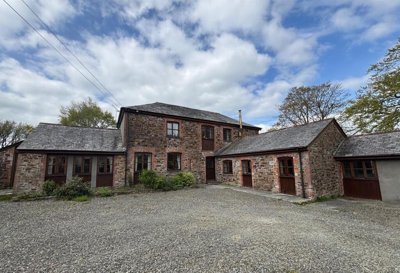
Browse 1 rental home to rent in Laneast, Cornwall from local letting agents.
The larger property sector typically features multiple bathrooms, substantial reception space, and private gardens or off-street parking. Four bedroom houses in Laneast span detached, semi-detached, and occasionally terraced configurations, with styles ranging from period properties to modern executive homes.
£0/m
0
0
0
Source: home.co.uk
Showing 0 results for 4 Bedroom Houses to rent in Laneast, Cornwall.
Laneast’s rental market mirrors much of rural Cornwall, where there are usually more people looking than homes available in the smaller villages. The area has held its value well, with the average house price now sitting at about £415,000. That is a 30% rise from the 2011 peak of £320,000, which tells its own story about Laneast’s appeal to both buyers and renters. Street-level property values average around £433,581, and recent activity has shown prices roughly 2.9% below the last recorded sale in March 2025.
What tends to come up for rent in Laneast is fairly traditional, Cornish cottages, converted farm buildings and period homes that reflect the village’s history. Stock is limited, so there is rarely much choice at any one time, simply because turnover is so low in such a small settlement. The available homes can range from one-bedroom cottages for a single occupier or a couple, right up to larger family houses with several bedrooms and generous gardens. Smaller places commonly begin at around £750 per calendar month, while family homes with more space can reach £1,200 or more.
Because supply is so tight, the better properties in Laneast often draw several enquiries very quickly. Anyone with their finances in order and references ready stands a much better chance of getting the keys when a place comes up. It also pays to register with local estate agents in the Launceston area, since a lot of rural homes are handled through local offices rather than national portals. Move quickly when the right place appears, or someone else may get there first.

Laneast still feels like proper rural Cornwall. Life moves at a slower pace than in town, and the village sits among rolling farmland and hedgerow-lined lanes that are part of the inland landscape. Bodmin Moor is close by too, with its moorland views, ancient stone circles and granite tors never far away. At the centre of village life is St Mellorus Church, which has long served the parish and remains a familiar meeting point. There is a strong sense of neighbourliness here, and village events bring people together through the year.
Walkers and riders have plenty to work with around the village, thanks to the network of footpaths and bridleways crossing fields and woodland. The River Tamar valley is also nearby, with good routes for scenic walks and wildlife watching along the banks. Bodmin Moor is a major draw for anyone who likes the outdoors, giving residents easy access to one of Cornwall’s designated Areas of Outstanding Natural Beauty. From the heathland, people can see landmarks such as Jamaica Inn and the Cheesewring on clear days.
Launceston is the main service centre for Laneast residents, and it is only seven miles away. There you will find supermarkets, independent shops, restaurants and the everyday essentials, including medical and dental practices. There is also a bank, a library and a leisure centre. That means Laneast offers a quiet base without cutting people off from day-to-day needs. Truro is around 45 minutes to the west for bigger shopping trips, while Plymouth in Devon is roughly an hour away via the A30 trunk road.

For families, schooling is mostly centred on nearby Launceston. St. Mary's Church of England Primary School takes primary-age children from the Laneast area, covering Reception through Year 6. It has close links with the local community and a supportive setting for younger pupils. The school serves a wide catchment across the surrounding villages, and Cornwall Council deals with transport arrangements for eligible children.
Older pupils usually go on to schools in Launceston, where there is solid secondary provision for the surrounding villages. Launceston College is a secondary school and sixth form college for students aged 11 through 18, with a broad curriculum and local sixth form options. That allows many young people to carry on studying close to home rather than travelling to larger towns each day. Families looking for faith-based education also have St. Joseph's Catholic School in Launceston as another option, subject to its own admissions criteria.
Before committing to a tenancy, parents should check school transport and catchment details directly with Cornwall Council. Provision varies according to distance and individual circumstances, and some routes are not covered in the way families expect. Early contact with the education department is wise, especially where there are particular school preferences or a need for transport support. Private education is available in the wider area too, although the choice is limited and may suit only some households.

Getting around from Laneast is largely a car-based affair, which is typical of a rural location. The village sits about seven miles from Launceston, and the A30 trunk road there is the main route through the county. From that road, drivers can head west towards Truro and the south coast, or east towards Plymouth and Devon. In practical terms, that puts Cornwall’s main employment and amenity centres within reasonable driving distance.
Bus links from Laneast mostly run towards Launceston and nearby communities. Services, including those operated by Stagecoach and other providers, give a useful connection for people without a car, although they are nowhere near as frequent as urban buses. Some routes may only run on certain days, so planning ahead matters. Launceston railway station links into the wider rail network, with trains towards Plymouth, Exeter and beyond, and onward access to London Paddington and other major destinations.
Exeter Airport is around 70 miles to the east for international flights, while Newquay Airport on the north coast is closer and offers domestic and some European routes. Daily commuting to major jobs needs some thought, because both time and transport costs add up more quickly in a rural setting. Many residents who work in Launceston can cycle in when the weather is kind, as the road between Laneast and the town is relatively flat and manageable. For those who work from home, as many now do in rural Cornwall, the A30 gives handy regional access for the occasional business trip.

Before you begin the search, get a rental budget agreement in principle from a financial provider. It gives landlords and estate agents a clear picture of your affordability, showing that you can meet the monthly rent and the other costs that come with it. In a rural market like this, where good homes can attract several applicants within days of listing, having those finances sorted puts you in a far stronger position.
It makes sense to register with local estate agents working across Launceston and the North Cornwall rental market. Laneast properties appear infrequently, so keeping in regular contact with agents means you are more likely to hear about new listings quickly. Online portals help too, but in small villages the local relationships are often more useful. Act promptly when something suitable appears, as other tenants will be watching the same limited stock.
Once you spot properties that suit your requirements, book viewings as soon as you can. That gives you the chance to judge the condition of the home, look at the neighbourhood and decide whether it really fits your needs. It is sensible to take photographs as well, so you can compare places afterwards. In Laneast, it is also worth checking mobile signal, broadband availability and the distance to everyday services before making any decision.
When you decide to apply, submit the paperwork through the listing agent or straight to the landlord. Applications usually ask for references, proof of identity, proof of income and a holding deposit so the property can be reserved while checks are carried out. The referencing stage generally takes between three and five working days. If you have landlord references from previous tenancies, bring them in, as they can make your application much stronger.
After referencing has been completed successfully, you will receive the tenancy agreement to read and sign. Take a proper look through it, including the tenancy length, the rent amount and payment dates, the deposit amount and protection arrangements, and who is responsible for maintenance and repairs. The deposit, capped at five weeks rent for properties with annual rents up to £50,000, must be placed in a government-approved tenancy deposit scheme within 30 days of receipt, and you should get written confirmation of which scheme is holding it.
Before moving in, carry out a careful inventory check and note the condition of the property, along with all fixtures and fittings. Photos are useful evidence if there is any disagreement when the tenancy ends. Arrange your utilities and redirect post before the move. Once you are settled, you can start making the most of Laneast village life and the wider Cornish countryside.
Renting in rural Cornwall calls for a different set of checks as well as the usual ones. In Laneast, homes are often older, with traditional stone or cob construction and details such as thick walls, original windows and feature fireplaces. They can be full of character and solidly built, but they may also have poorer insulation than newer homes, windows that need more care, and heating systems that do not operate like standard central heating. Knowing that in advance helps set realistic expectations.
Broadband is one thing worth examining carefully, because rural locations can have slower speeds or less availability than built-up areas. Mobile coverage varies a lot across rural Cornwall, with some places well served and others not at all. It is sensible to check with current residents or test the signal during a viewing. Some homes use oil or LPG rather than mains gas, which adds running costs that need to be built into the budget. Those fuel deliveries are arranged through local suppliers and usually need a storage tank on the property, with prices moving according to market conditions.
Road access and parking also deserve a close look, because Laneast homes may have little off-road parking or require driving along narrow lanes to reach local amenities. Many properties have classic Cornish features such as granite lintels, slate roofs and traditional sash windows, all of which need different care from modern fittings. Some may even be listed buildings, which means landlords need planning permission for certain changes and tenants must follow specific rules about alterations and decoration. Ask outright whether the property is listed, and get the relevant conditions from the landlord before you agree to anything.

It helps to understand the full financial commitment before you move to Laneast. The initial outlay usually includes the first month’s rent in advance, a security deposit equivalent to five weeks rent, capped at five weeks rent for properties with annual rent below £50,000, and a holding deposit of around one week’s rent while references are processed. Those figures can add up quickly, so advance planning matters. The security deposit must be protected by the landlord in a government-approved tenancy deposit scheme within 30 days of receipt, and you should be told which scheme holds the money within that period.
There are also the ongoing costs to think about. These include monthly rent, council tax, which varies by band in Cornwall, utility bills for gas, electricity, water and broadband, and contents insurance for your belongings. In Laneast, extra charges can crop up too, such as oil or LPG deliveries for heating, septic tank emptying where there is no mains drainage, and regular garden or grounds maintenance. Budgeting for those rural extras means fewer surprises later. Many tenants in rural Cornwall find that the rent itself may seem similar to town prices, but the additional costs of country living need close control.
Getting a rental budget agreement in place before you start gives you a clear limit and shows landlords and letting agents that you are financially prepared. Some people in Laneast also join local community groups and Facebook pages, which can be handy for area information and, from time to time, rental leads before they are widely advertised. Good relationships with local estate agents are valuable too, especially where the market is tight and properties are few and far between.
There is not much hard rental data for Laneast itself, largely because the village is small and homes do not turn over often. Even so, the typical range for this part of rural Cornwall runs from around £750 per calendar month for one-bedroom cottages to about £1,200 or more per month for larger family homes with multiple bedrooms and generous garden space. Homes with countryside views or those that have been recently renovated often command higher rents. In the wider Launceston rental market, which acts as the local service centre, monthly rents generally sit between £650 and £1,400 depending on type and condition. For the clearest picture of current rents in the Laneast area, local letting agents are the best people to ask.
Council tax for Laneast properties falls under Cornwall Council. Across Cornwall, the bands run from Band A for the lowest-valued homes through to Band H for the most expensive. With average values in Laneast around £415,000, many homes sit in Bands D through G. Anyone renting should ask the landlord or letting agent for the exact band of the property they are considering, because council tax is a major ongoing cost and needs to be built into the budget. In Cornwall, payments are usually collected monthly by direct debit, with different payment dates available.
For primary age children in the Laneast area, St. Mary's Church of England Primary School in nearby Launceston is the usual option, serving the surrounding village catchment. For secondary education, pupils typically move on to Launceston College, which takes Year 7 through sixth form students. St. Joseph's Catholic School in Launceston offers a faith-based alternative. Each school has its own admissions rules and catchment arrangements, so parents should check the latest position with Cornwall Council education services before they sign up for a rental property. School transport eligibility depends on distance from the school and is assessed by Cornwall Council under national guidelines.
Public transport is limited in Laneast, which is only to be expected in a rural setting. Bus services link the village with Launceston and nearby communities, although they run far less often than urban routes, and some only operate on certain days. Launceston railway station, about eight miles from Laneast, provides mainline rail links to Plymouth, Exeter and the national network. For people without a car, day-to-day travel can be awkward, though many short local journeys can still be done on foot or by bicycle when the weather allows. Checking bus timetables in advance is essential if you rely on public transport for work or appointments.
For anyone after genuine rural Cornish living, Laneast has plenty going for it, though it will suit some people more than others. There is a real community feel, open countryside in every direction and good access to attractions such as Bodmin Moor and the north coast. The compromise is clear enough, limited local amenities in the village itself, a dependence on Launceston for shopping and services, and fewer public transport choices. People who work remotely, enjoy the outdoors or prefer a quiet village setting may find it an excellent fit within Cornwall’s property market. The combination of community spirit and unspoilt countryside makes it especially appealing to families and individuals looking for something away from town life.
There are several upfront costs when renting in Laneast, not just the first month’s rent. The security deposit, capped at five weeks rent for properties with annual rent under £50,000, has to be protected in a government-approved scheme within 30 days of receipt. You will also normally pay a holding deposit, usually one week’s rent, to reserve the property during referencing, which generally takes three to five working days. Other charges may include referencing fees, administration charges from letting agents and inventory check fees. Before you agree to anything, ask for a full breakdown of costs, and get written confirmation of which deposit protection scheme will hold your security deposit and how it will be returned at the end of the tenancy.
Properties to Rent In London

Properties to Rent In Plymouth

Properties to Rent In Liverpool

Properties to Rent In Glasgow

Properties to Rent In Sheffield

Properties to Rent In Edinburgh

Properties to Rent In Coventry

Properties to Rent In Bradford

Properties to Rent In Manchester

Properties to Rent In Birmingham

Properties to Rent In Bristol

Properties to Rent In Oxford

Properties to Rent In Leicester

Properties to Rent In Newcastle

Properties to Rent In Leeds

Properties to Rent In Southampton

Properties to Rent In Cardiff

Properties to Rent In Nottingham

Properties to Rent In Norwich

Properties to Rent In Brighton

Properties to Rent In Derby

Properties to Rent In Portsmouth

Properties to Rent In Northampton

Properties to Rent In Milton Keynes

Properties to Rent In Bournemouth

Properties to Rent In Bolton

Properties to Rent In Swansea

Properties to Rent In Swindon

Properties to Rent In Peterborough

Properties to Rent In Wolverhampton

Enter your details to see if this property is within your budget.
Loans, cards, car finance
Estimated property budget
Borrowing + deposit
You could borrow between
Typical borrowing
Monthly repayment
Est. at 4.5%
Loan-to-value
This is an estimate only. Your actual budget may vary depending on interest rates, credit history, and personal circumstances. For an accurate affordability assessment, speak to one of our free mortgage advisors.
This calculator provides estimates for illustrative purposes only and does not constitute financial advice. Your home may be repossessed if you do not keep up repayments on your mortgage. Estimates based on 4.5% interest rate, repayment mortgage. Actual rates depend on your circumstances.
Homemove is a trading name of HM Haus Group Ltd (Company No. 13873779, registered in England & Wales). Homemove Mortgages Ltd (Company No. 15947693) is an Appointed Representative of TMG Direct Limited, trading as TMG Mortgage Network, which is authorised and regulated by the Financial Conduct Authority (FRN 786245). Homemove Mortgages Ltd is entered on the FCA Register as an Appointed Representative (FRN 1022429). You can check registrations at NewRegister or by calling 0800 111 6768.

We use cookies to show you personalised content and improve your experience of our website. Find out more in our Privacy policy and Cookie policy.