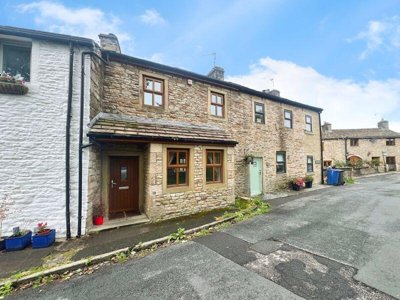
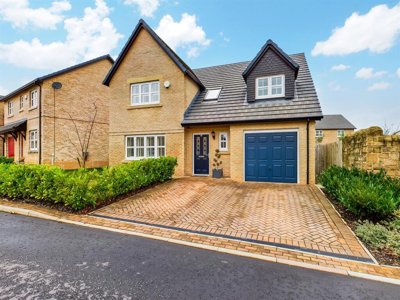
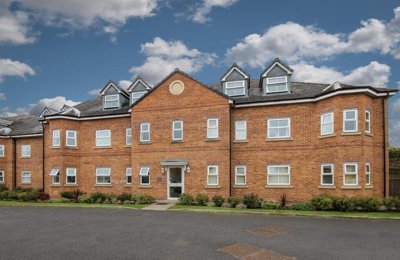
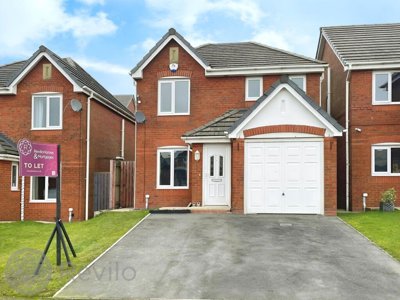
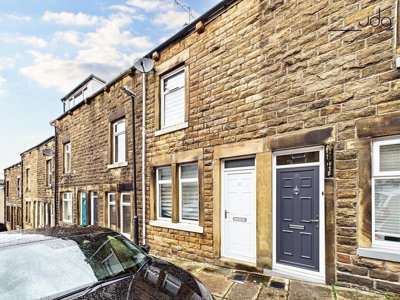
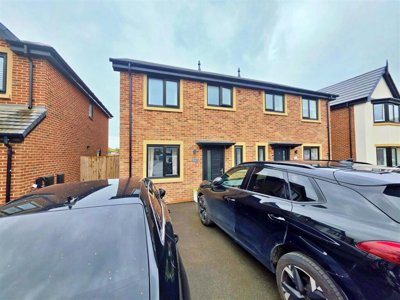
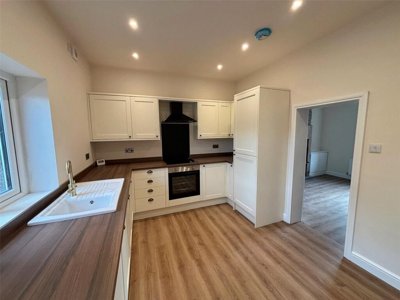
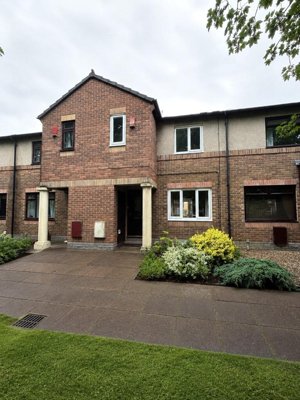
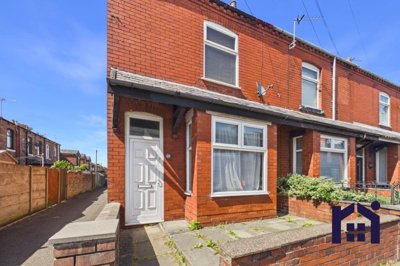
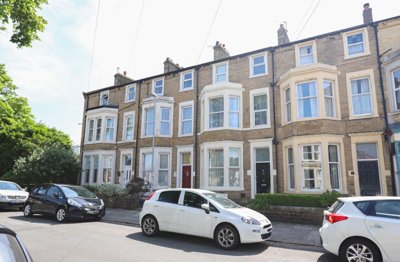
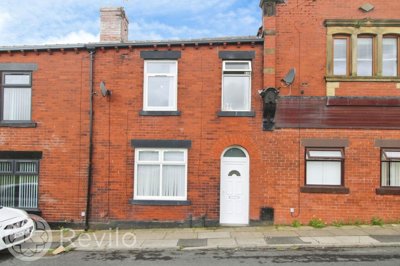
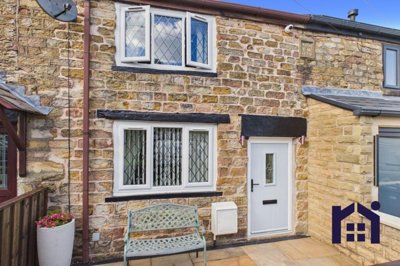
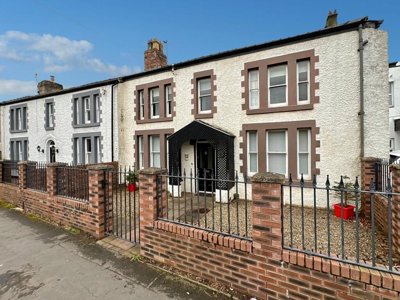
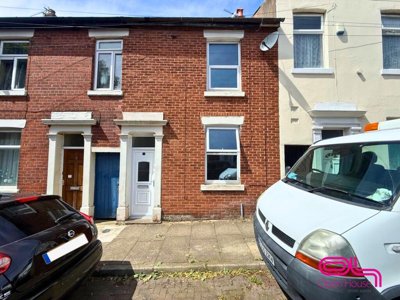
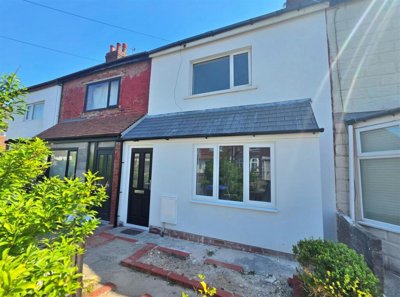
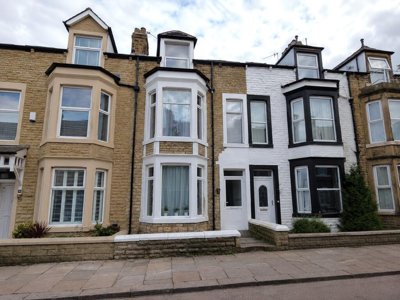
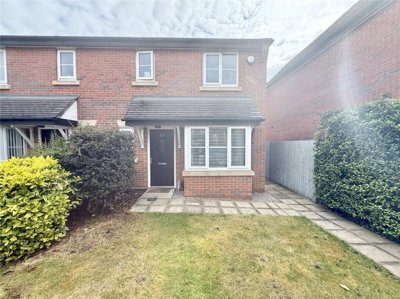
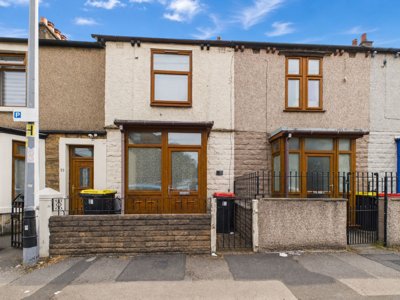
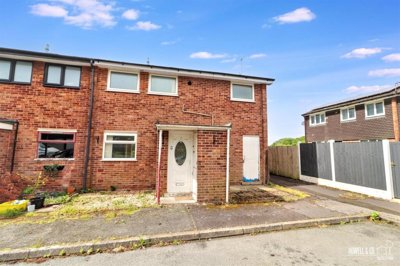
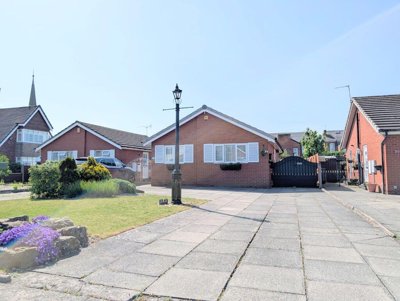
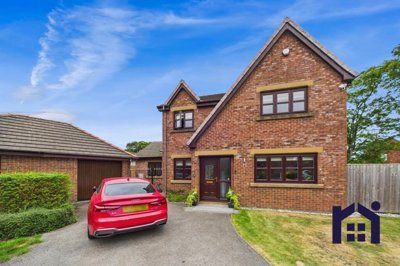
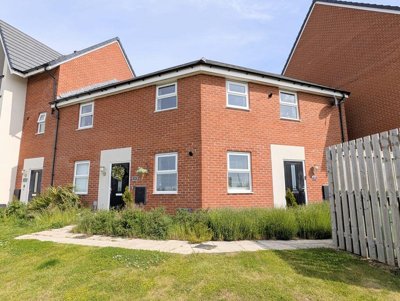
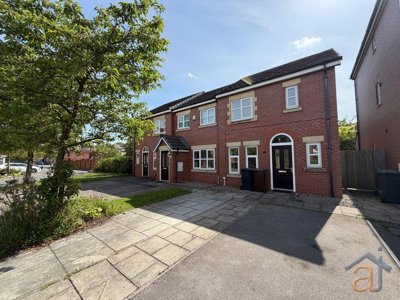
Browse 1,422 rental homes to rent in Lancashire, England from local letting agents.
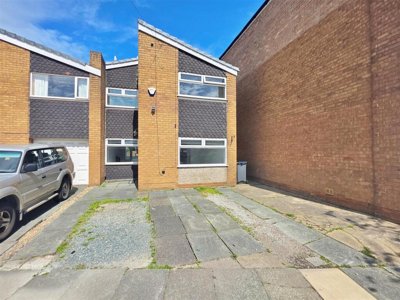
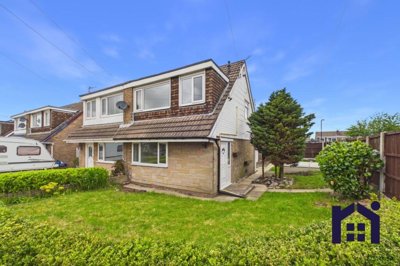
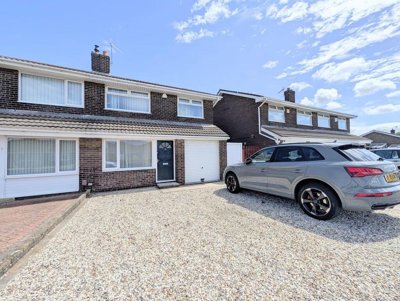
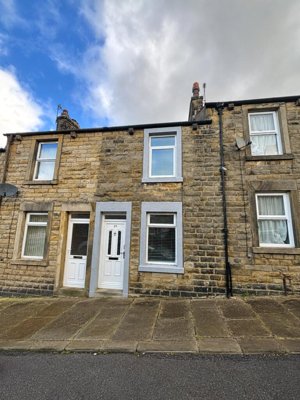
The Lancashire property market offers detached, semi-detached, and terraced houses spanning various price ranges and neighbourhoods. Each listing includes detailed property information, photographs, and direct contact with the marketing agent.
£895/m
235
5
59
Source: home.co.uk
Showing 235 results for Houses to rent in Lancashire, England. 5 new listings added this week. The median asking price is £895/month.
Source: home.co.uk
Terraced
142 listings
Avg £840
Semi-Detached
67 listings
Avg £1,028
Detached
26 listings
Avg £1,594
Source: home.co.uk
Source: home.co.uk
homedata.co.uk records show Lancashire's sold market was broadly steady over the last year. Prices were similar to the previous year and sat about 1% above the 2023 peak of £214,674. For renters planning a longer move, that kind of pattern points to a calm county-wide market rather than a sudden rise or fall. There were 20,400 property sales in the last twelve months, and 742 of them, or 3.6%, were newly built homes. That matters in a county where older terraces and semis still make up much of the stock.
Across the last year, terraced homes made up 37.6% of sales volume, semi-detached homes 32.9%, detached homes 21.9% and flats 7.5%. That split says a lot about the homes you are most likely to see on our search pages. On values, detached homes averaged £363,833, semi-detached homes £212,177 and terraced homes £144,217. So there is a broad range of price points across the county. In rental terms, that often means strong choice in terraces and semis, with newer family homes appearing in growth areas too.
Those county-wide averages only go so far. Lancashire covers coastal, urban and rural districts, and rental demand can feel completely different in Preston, Lancaster, Chorley, Blackpool, Burnley or the Ribble Valley. Commuting habits and local employment both shape the kind of home people look for. We find our property search works best when house type, postcode and transport link are compared together, instead of following one headline price. It gives a better read on value, and it helps when the right place comes up.

Lancashire has a range of settings that many counties cannot offer in one boundary, from seaside towns and mill towns to university centres, farming villages and open countryside. Older housing is still strongly tied to terraced streets, while semis and detached homes appear regularly in suburban and rural spots, and the county's sales mix reflects that. Local sandstone, brick and slate roofs are common traditional materials, giving plenty of streets a recognisable northern look. For anyone drawn to period details, older construction is part of Lancashire's appeal, not a rarity.
Homes here are shaped by geology as much as location. Lancashire includes Carboniferous rocks, Triassic sandstones and Quaternary glacial deposits, and boulder clay in some areas can create shrink-swell risk in very wet or very dry weather. River floodplains around the Ribble, Lune, Wyre and Calder are worth checking carefully. Coastal stretches near Morecambe Bay and the Fylde coast can also face tidal or storm surge pressure. None of that automatically rules a property out, but it does make careful viewings and sensible questions more important.
On a practical level, Lancashire offers a lot of day to day flexibility. Advanced manufacturing, aerospace, energy, digital work, health innovation, education and tourism all support local demand, so renters are not tied to one sort of town or one sort of commute. Lancaster University and the University of Central Lancashire in Preston add a strong student and graduate presence as well, which helps keep cafes, transport links and the rental scene lively in the right areas. Jobs, schools, coast and countryside all pull together here. That is a big reason the county keeps drawing renters who want options without losing character.
For families, school access is often the first filter. Lancashire is a large county, and catchment rules can change sharply from one district to the next. A home that suits a Preston commute perfectly may work badly for a school run in Lancaster, and the same can happen the other way round. We usually suggest narrowing things down to exact streets, then checking admissions rules before applying. It is a far safer way to choose than hoping the postcode fits later.
Lancashire has a broad mix of primary, secondary, sixth form and further education choices, with higher-education hubs in Lancaster and Preston. Lancaster University and UCLan both influence the local housing market by bringing students, graduates and academic staff into the rental mix. For younger children, the best option is usually the one that fits your exact catchment, transport route and term-time routine. Ofsted reports and admissions data matter more than general reputation here, because a well-known school is not much use if your address does not qualify.
Some parts of the county do have selective entry, but many families are equally well served by strong non-selective schools. Because Lancashire covers so many separate towns and rural areas, the right answer is usually postcode-specific rather than county-wide. We always suggest checking the travel time to the gate, not only the school name, since a short distance on the map can still turn into a difficult run on local roads. If schooling is the main reason for the move, a rental budget agreement in principle can help you act faster on homes in popular school zones.

Getting around Lancashire is usually straightforward, though access is better in some districts than others. Preston and Lancaster both sit on the West Coast Main Line, giving the county its strongest long-distance rail links. Local lines through Blackburn, Burnley, Blackpool, Chorley and nearby towns also support commuter travel across the North West. Depending on the station and the service pattern on the day, Manchester, Liverpool and Leeds can all be realistic destinations. For plenty of renters, that flexibility by rail is one of the county's real advantages.
Road travel matters just as much. The M6, M61, M65 and M55 all help with cross-county and regional journeys, while routes including the A6 and A59 link market towns, suburbs and rural communities. Bus services are useful in the bigger centres and between neighbouring towns, but they thin out in more rural parts of the Ribble Valley and along the Forest of Bowland edge. If public transport is essential for you, check the timetable before committing to a home. Some postcodes work far better for commuting than others.
Parking can change how a place feels once you are living there. Older terraces and central streets often come with limited off-street parking, so a property that looks spot on online may feel less easy once permits, visitor spaces and weekday congestion come into it. Cycling works well in flatter, more built-up parts of the county, but the hillier eastern and northern areas are harder going. In Lancashire, we think a smart rental search always weighs the home itself against the route you will use most.
Start by weighing up district, commute and lifestyle together, because Lancashire can feel completely different between Preston, the Fylde coast and the Ribble Valley.
Get a rental budget agreement in principle before you book viewings, so you know which homes are realistic and can act quickly when the right one appears.
Before we book viewings, it helps to settle on the station, bus route, school catchment or parking setup you need, especially if work takes you across multiple towns.
In older terraces or stone houses, pay close attention to damp, heating, insulation, windows and roof details, and ask clearly how repairs are dealt with.
Ask for the EPC, tenancy terms, deposit details and inventory before agreeing to anything, then complete tenant referencing as quickly as you can.
On day one, photograph every room, keep the inventory somewhere safe and record the meter readings. A clear handover protects both sides.
Flood risk is one of the checks that deserves real attention in Lancashire, especially near rivers, the coast and low-lying urban ground. Homes close to the Ribble, Lune, Wyre and Calder can be affected by river systems and surface water, while parts of the Fylde coast and Morecambe Bay are exposed to tidal conditions in bad weather. Boulder clay in some areas can also lead to ground movement, so older homes may need extra care around cracks, doors and drainage. If a property otherwise looks right but sits in a more exposed position, ask direct questions before going ahead.
Historic centres and market towns across Lancashire often include conservation areas and listed buildings. That can bring better-looking streets and plenty of character, but it may also mean stricter rules on alterations, windows, roofs and external repairs. Even in a rental, it is worth asking how much freedom the landlord actually has to make changes, because limits can affect matters such as insulation upgrades and replacement fittings. Period homes are a big part of the county's charm, but they reward tenants who look beyond the postcode.
Flats call for a slightly different checklist. Service charges, communal repairs, building insurance and parking rules can all affect the true monthly cost, even where the rent itself seems reasonable. Leasehold blocks may also slow things down if the landlord needs to deal with a managing agent, so ask who handles maintenance and what happens if the lift, roof or entry system needs attention. Ground rent is normally the owner's concern, but it can still feed into the landlord's wider costs. That is why clear written terms matter.

The supplied research does not give one verified county-wide average rent, which makes sense in a place as mixed as Lancashire. What it does give is sold-price context from homedata.co.uk, where the average property price over the last year was £217,316 and the median was about £179,000. That gap suggests rents will vary sharply by district, property type and commute. For current asking rents, our live search on home.co.uk is the most useful way to compare streets directly.
Council tax bands in England run from A to H, but the amount due on a Lancashire home depends on the exact address and the local authority setting the precept. Since the county covers many districts, a flat in one town may sit in a different band from a similar property elsewhere. The most reliable check is the specific street address, not just the town name. Before you sign, the letting agent or landlord should be able to confirm the band.
There is no single best school for the whole county. Lancashire is simply too large and too varied for that. Lancaster University and the University of Central Lancashire in Preston strengthen the county's education profile, but primary and secondary choices come down to your exact catchment area. In most cases, the right school is the one that matches your postcode, travel route and admissions rules. We recommend checking Ofsted reports and local admissions guidance before choosing a home.
Some of Lancashire's best transport links centre on Preston and Lancaster through the West Coast Main Line. Rail services also make commuting possible from Blackpool, Blackburn, Burnley, Chorley and other towns into cities such as Manchester, Leeds and Liverpool. Drivers benefit too, thanks to the M6, M61, M65 and M55. Bus services can be less frequent in rural areas, so the exact district still makes a big difference.
For many renters, the answer is yes. Lancashire gives you real choice between coast, city edge, market town and countryside settings. The housing mix helps too, with terraced homes accounting for 37.6% of sales volume, semis 32.9%, detached homes 21.9% and flats 7.5%. That usually supports a wide spread of rental budgets and ways of living. Add strong employers, universities and dependable road links, and the county starts to look like a sensible long-term base for plenty of households.
Most renters in England should expect a holding deposit, a tenancy deposit and the first month's rent, with permitted fees limited by law. For standard tenancies, the tenancy deposit is usually capped at five weeks' rent, so the size of the upfront cost depends more on the rent than on the county. If you are thinking ahead to buying, the 2024-25 stamp duty thresholds are 0% up to £250,000, 5% from £250,000 to £925,000, 10% from £925,000 to £1.5 million and 12% above that. First-time buyers get 0% up to £425,000 and 5% from £425,000 to £625,000, with no relief above £625,000.
Older Lancashire homes often justify a slower, more careful look. Many terraces, semis and stone houses were built long before modern standards, so it is sensible to check for damp, roof wear, ventilation issues, outdated electrics and any sign of earlier movement in walls or floors. In a county with clay pockets, flood risk and historic mining in some places, cautious viewings are time well spent. If anything is unclear, ask for written answers before committing.
From 4.5%
Compare rental budget rates first and find the best deal before you begin viewing homes.
From £499
Get ahead of the process by lining up the checks landlords often ask for in an application.
From £35
Before you sign, check the energy rating of any Lancashire home carefully.
From £350
Especially useful for older Lancashire homes, or if a future purchase is already in your plans.
In Lancashire, renting costs usually start with a holding deposit, a tenancy deposit and the first month's rent, followed by the monthly rent once you have moved in. Because the county includes city-centre flats, commuter properties and larger family homes, the cash needed upfront can differ a lot between addresses. Older homes with a modest EPC rating may also cost more to heat, so the lowest rent is not always the lowest monthly outlay overall. We suggest budgeting for moving costs, broadband, contents insurance and any parking or permit charges tied to the street as well.
EPC information is worth checking closely, particularly in stone-built terraces or older semis where insulation and heating efficiency can make a noticeable difference to bills. Ask the landlord or agent for the certificate early, then compare it with how the property actually feels at the viewing rather than relying on photographs alone. Some flat rentals can also involve service charges, and those costs may either be included in the rent or passed on in another way. Clear paperwork matters, especially in Lancashire, where there is already plenty of variation from one home to the next.
Some buyers begin as renters and still want to keep one eye on future ownership costs. If that is you, the 2024-25 stamp duty thresholds are 0% up to £250,000, 5% from £250,000 to £925,000, 10% from £925,000 to £1.5 million and 12% above that, while first-time buyers get relief up to £625,000 with 0% to £425,000 and 5% to £625,000. We mention those figures because many Lancashire movers plan a step ahead while renting in the district that suits them best. Right now, the sensible move is to compare live homes, confirm your budget and pick a tenancy that fits the way you live.
Properties to Rent In London

Properties to Rent In Plymouth

Properties to Rent In Liverpool

Properties to Rent In Glasgow

Properties to Rent In Sheffield

Properties to Rent In Edinburgh

Properties to Rent In Coventry

Properties to Rent In Bradford

Properties to Rent In Manchester

Properties to Rent In Birmingham

Properties to Rent In Bristol

Properties to Rent In Oxford

Properties to Rent In Leicester

Properties to Rent In Newcastle

Properties to Rent In Leeds

Properties to Rent In Southampton

Properties to Rent In Cardiff

Properties to Rent In Nottingham

Properties to Rent In Norwich

Properties to Rent In Brighton

Properties to Rent In Derby

Properties to Rent In Portsmouth

Properties to Rent In Northampton

Properties to Rent In Milton Keynes

Properties to Rent In Bournemouth

Properties to Rent In Bolton

Properties to Rent In Swansea

Properties to Rent In Swindon

Properties to Rent In Peterborough

Properties to Rent In Wolverhampton

Enter your details to see if this property is within your budget.
Loans, cards, car finance
Estimated property budget
Borrowing + deposit
You could borrow between
Typical borrowing
Monthly repayment
Est. at 4.5%
Loan-to-value
This is an estimate only. Your actual budget may vary depending on interest rates, credit history, and personal circumstances. For an accurate affordability assessment, speak to one of our free mortgage advisors.
This calculator provides estimates for illustrative purposes only and does not constitute financial advice. Your home may be repossessed if you do not keep up repayments on your mortgage. Estimates based on 4.5% interest rate, repayment mortgage. Actual rates depend on your circumstances.
Homemove is a trading name of HM Haus Group Ltd (Company No. 13873779, registered in England & Wales). Homemove Mortgages Ltd (Company No. 15947693) is an Appointed Representative of TMG Direct Limited, trading as TMG Mortgage Network, which is authorised and regulated by the Financial Conduct Authority (FRN 786245). Homemove Mortgages Ltd is entered on the FCA Register as an Appointed Representative (FRN 1022429). You can check registrations at NewRegister or by calling 0800 111 6768.

We use cookies to show you personalised content and improve your experience of our website. Find out more in our Privacy policy and Cookie policy.