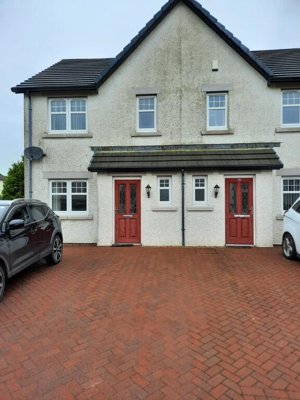
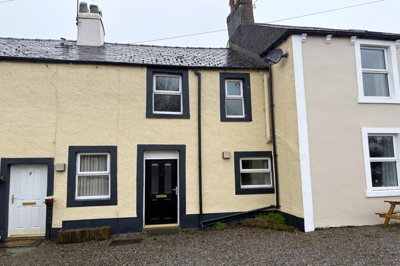
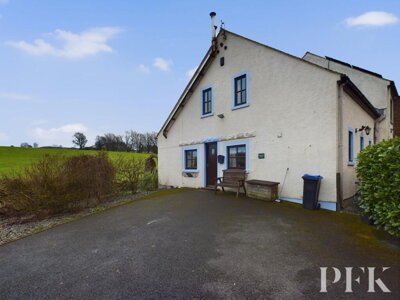
Browse 3 rental homes to rent in Lamplugh, Cumberland from local letting agents.
£925/m
1
0
93
Source: home.co.uk
Source: home.co.uk
Semi-Detached
1 listings
Avg £925
Source: home.co.uk
Source: home.co.uk
Lamplugh sits within West Cumbria’s wider property scene, and the sales figures give a useful steer on rental values. According to home.co.uk, average property values in the Lamplugh area are currently around £367,000, while homedata.co.uk records sold prices averaging £346,250 for the CA14 postcode area. Detached homes average about £340,000, which reflects the premium attached to village addresses close to the Lake District. For landlords, those capital values feed directly into expected yields, so the rental market tends to follow the same upward tilt.
Recent activity in the village has been lively, and the completed sales help shape the picture for prospective tenants. 4 Crossgates, Lamplugh sold for £65,000 in August 2025, a terraced home that sits at the more accessible end of the market. Burnbank changed hands for £230,000 in May 2025 as a detached bungalow, while the Millfields development by John Swift Luxury Homes continues to attract attention, with 3 The Mill Fields and 4 The Mill Fields both selling for £545,000 in March 2025 and 22 The Mill Fields achieving £400,000 in December 2024. Built in traditional Cumbrian style with natural stone and reclaimed Welsh slate, those homes would sit at the sharper end of local rents too.
For anyone looking to rent in Lamplugh, the sales market is a practical guide to what is available and where the price points sit. The CA14 4TY postcode area is made up mainly of period houses built between 1800 and 1911, while CA14 4SQ has more modern homes constructed after 1980. That mix gives the local rental stock a fairly broad spread, from older cottages that may need updating to newer homes in small developments. Compared with Lake District villages nearer the busiest tourist centres, Lamplugh still represents good value, and that is part of its appeal.

Daily life in Lamplugh follows a distinctly rural Cumbrian rhythm, with the seasons changing the colours of the surrounding fells and the community giving the village a settled feel. The name itself comes from Old Norse, a reminder of the long history of settlement here and the way that history has shaped local buildings and traditions. The civil parish covers around 2,000 hectares of mixed landscape, from low-lying farmland to gentle hills and land that falls within the Lake District National Park boundary. Walking routes, cycle tracks and those wide views are all close by.
Farming, tourism and jobs in nearby towns all feed into the local economy, which is one reason Lamplugh has such a mixed community of working families, retirees and professionals. The parish contains twelve listed buildings, among them the Grade II* Church of St Michael, which remains a clear historic landmark. Other listed properties include High Trees, West Farmhouse and Adjoining Byre Range, Lamplugh Hall with its gateway, Low Leys Farmhouse with adjoining scullery and courtyard, and Todhole Farmhouse. The village pub still gives people somewhere to meet, and the primary school helps anchor local family life.
West Cumbria has changed quite a bit in recent years, with renewable energy growing alongside manufacturing and service jobs. Cockermouth, Workington and Whitehaven sit nearby and bring retail, healthcare and employment options within reach. Cockermouth, in particular, has the day-to-day shops, restaurants and a Sainsbury’s supermarket that residents often rely on. The A66 passes through Cockermouth too, linking eastwards to the M6 at Penrith and westwards to Workington and Whitehaven, so Lamplugh works for people who want a village base but commute into the larger towns.

Lamplugh Primary School serves the village and the surrounding countryside, taking children from Reception through to Year 6. Its edge-of-Lake-District setting gives pupils the chance to spend time outdoors, which suits the area rather well. Having a primary school on the doorstep is a real plus for younger families, cutting out the daily drive into town and adding to the village’s family-friendly feel. Before taking a tenancy, parents should check the latest Ofsted rating and admission arrangements.
For secondary education, most families look towards Cockermouth, which is around fifteen minutes away by car and home to schools such as Cockermouth School, a comprehensive serving a wide North Cumbria catchment. The drive is straightforward, and school transport is available for many pupils. Cockermouth also brings the extra supermarkets, healthcare provision and leisure facilities that families tend to need. Keswick School is another possibility, set in the centre of the Lake District to the north, although that does mean a longer commute.
Catchment boundaries matter here, so families renting in Lamplugh are best off checking admission rules before they commit to a property. Cockermouth School and Keswick School both run A-Level programmes, and further education colleges in Carlisle and Barrow widen the choice on the vocational and academic side. Independent schooling is limited in the immediate area, with the nearest options in Carlisle or further out into the Lake District. School provision is one of the main reasons people are drawn to the village, so current Ofsted ratings and admissions policies are worth confirming in advance.

Because Lamplugh sits in West Cumbria, it has decent road links to the region’s main employment centres. The A66 runs through nearby Cockermouth, giving access east to the M6 at Penrith and west to Workington and Whitehaven. Workington is roughly twenty minutes away by car, and Whitehaven takes around thirty minutes. For anyone who works in town but wants village surroundings, those travel times make Lamplugh a workable choice, especially when rental and property costs are lower than in many commuter villages nearer the big cities.
Public transport is thinner on the ground, which is hardly surprising in a rural area like this. Bus services do connect Lamplugh with Cockermouth and Workington, though the timetable is set more for basic links than for rush-hour commuting. Workington and Whitehaven are the nearest railway stations, with services towards Carlisle and the West Coast Main Line, but most residents will find it easier to get there by car. For flights, Newcastle International Airport and Liverpool John Lennon Airport are both within a reasonable drive, while Manchester Airport adds further international routes if a longer journey is acceptable.
That lack of direct motorway access means most residents really do need a car, and it is worth folding that into the overall cost of living from the outset. The A66 gives Lamplugh decent access to the regional network, but day-to-day commuting to work still depends on reliable personal transport. Without a car, the limited bus network can make jobs and services in nearby towns harder to reach. Long-term village living is possible here, but it is more demanding for households without wheels.

Before setting up viewings in Lamplugh, it pays to spend some time in the village and the surrounding countryside. Try it at different times of day, check how long the journey is to work, and get a feel for the shops, schools and transport choices. A walk through the village centre, a stop at the local pub and a chat with people who already live there can tell you a great deal. The atmosphere is part of the decision, not just the house itself.
A rental budget agreement in principle is a sensible place to start before the search begins. This comes from a mortgage broker or financial adviser and shows how much rent can be supported by income and existing commitments. In Cumbria, landlords and letting agents often ask for it as part of the application process, and having one ready shows that the move is being taken seriously. Budget for council tax, utilities and the initial deposit equivalent to five weeks' rent as well.
Available rentals in Lamplugh can be found through Homemove and other property platforms, and it is well worth booking viewings for homes that fit the brief. That gives a chance to check the condition of the property, the feel of the neighbourhood and how close the essentials are. Ask about tenancy terms, fixtures and fittings, and any rules on pets or smokers. In the CA14 4TY postcode area, older features and repair history deserve a closer look.
Once a property has been agreed, the landlord or letting agent will usually ask for references, including credit checks, employment verification and landlord references where there is previous rental history. Payslips, bank statements and contact details for an employer and former landlords are normally needed too. A guarantor may also be requested in some cases, especially where rental history is limited. Our referencing service can help smooth that part of the process for properties across Lamplugh.
Before any signature goes on the tenancy agreement, it is worth going through the details carefully. Pay close attention to the deposit amount, rent payment dates, lease length and any special conditions. The deposit must be protected in a government-approved scheme within thirty days of the tenancy start date. Buildings insurance should be arranged where required, and the check-in inspection should be booked so the condition of the property is recorded from day one. For period homes in Lamplugh, the inventory needs proper notes on original features and any deferred maintenance.
Renting in Lamplugh brings a few local issues that are less common in towns and cities. The village sits within the Great Broughton-Lamplugh district, which includes part of the Cumbrian Coalfield and the northernmost part of the West Cumbrian iron orefield. Old coal mining and iron ore extraction have left underground workings, abandoned shafts and spoil heaps behind, which can create ground stability concerns in some places. Not every property is affected, but landlords or letting agents should be asked about any known mining legacy, especially where former extraction sites are nearby.
Many homes in the CA14 4TY postcode area are period houses built between 1800 and 1911, so more maintenance is often part of the package. Damp, timber decay and outdated services are the usual things to look out for in older buildings. The local mix of materials includes rendered stone with slate roofs, pebbledashed buildings with slate roofs, and some properties with 20th-century concrete tile roofs. Traditional stone construction needs a different approach from modern brick or rendered homes, and listed buildings, of which Lamplugh has twelve including the Grade II* Church of St Michael, may come with tighter rules on alterations and upkeep.
Flood risk is another point to keep in mind. The area drains to the Irish Sea through the River Derwent and its major southern tributary, the Marron, and while no specific flood risk designations for Lamplugh were found in the available data, local geology and river proximity can affect drainage and surface water from one property to the next. Ground checks after wet weather are sensible, especially where waterlogging or past flooding might show up in the gardens. It is also wise to read the Energy Performance Certificate, since older homes can be poor on insulation and heating efficiency. Broadband speeds and mobile reception should be checked too, because rural coverage varies.

Rental price data for Lamplugh itself is thin on the ground, but values here usually mirror the sales market, where average property prices sit between £230,000 and £367,000 depending on postcode and property type. A typical three-bedroom family home would likely fall somewhere between £800 and £1,200 per month, depending on condition, position within the village and specification. Modern detached homes in developments such as The Millfields would sit higher again, with four-bedroom properties and contemporary fittings potentially reaching £1,400 to £1,600 per month. For current figures, tenants should look at live listings on Homemove, because the market moves and seasonal swings do happen.
On council tax, Lamplugh properties fall under Cumberland Council following reorganisation in Cumbria. Bands run from A to H, and they are based on the property’s assessed value rather than the rent. Smaller cottages and terraced homes in the CA14 4TY postcode often sit in Band A or B, with annual charges of around £1,400 to £1,700. Larger detached family houses tend to land in Bands C through E, where yearly bills are more likely to range from approximately £1,900 to £2,800. That cost matters when working out the monthly budget.
Lamplugh Primary School serves the village itself, so children from Reception through to Year 6 can usually walk there from home. The school is closely tied to the community and benefits from being on the edge of the Lake District National Park. For secondary education, Cockermouth School is the nearest widely used option, around fifteen minutes away by car, and it has strong Ofsted ratings for its comprehensive provision across a broad catchment. Families should check admissions rules and catchment lines before moving, and independent schools are limited nearby, with the nearest in Carlisle or farther into the Lake District.
Transport links are modest, which fits the rural setting of Lamplugh and much of West Cumbria. Bus services run to Cockermouth and Workington, but frequencies are limited and aimed more at basic connection than at regular commuting. Workington and Whitehaven are the nearest railway stations, with services to Carlisle and onto the wider West Coast Main Line, though a car makes those journeys easier. For most residents, especially anyone working in nearby towns, driving is part of everyday life. The A66 helps with road access, but it does not change the fact that car ownership is close to essential.
For tenants who value countryside, local character and a close community over urban convenience, Lamplugh has a great deal going for it. Roughly 2 km of the parish boundary falls within the Lake District National Park, so some of Britain’s finest scenery, walking routes and outdoor space are on the doorstep. The village has a friendly, established feel, helped by the primary school, the village pub and parish facilities such as the historic Grade II* Church of St Michael. The main trade-offs are the need for a car, the older housing stock and the distance to the larger towns for shopping and entertainment, but for many households the balance still works.
Deposit rules in England cap tenant deposits at five weeks' rent where the annual rent is below £50,000, which will cover most homes in Lamplugh. So, on a monthly rent of £1,000, the deposit would normally be £2,500, and it has to be protected in a government-approved scheme within thirty days of the tenancy start. There may still be referencing, administration and inventory fees in some cases, although tenant fees were largely banned for most tenancies in England in 2019. First-time renters should still plan for the first month’s rent in advance, the deposit, moving costs and connection charges for utilities and internet. Council tax also needs to be budgeted for, with annual charges ranging from around £1,400 for Band A homes to nearly £2,800 for Band E properties under Cumberland Council.
The Great Broughton-Lamplugh district includes part of the Cumbrian Coalfield and the northernmost part of the West Cumbrian iron orefield, and the legacy of extraction is still visible in underground workings, abandoned shafts and spoil heaps. That does not automatically make renting a problem, but it does mean landlords should be asked about construction, foundation type and any history of structural issues or subsidence claims. Newer homes such as those at The Millfields in the CA14 4SW postcode, built on previously undeveloped land, may carry less risk than older properties in places more directly influenced by mining. Ground conditions also vary because of the local geology, from limestones in the east to resistant siltstones and sandstones in the south-eastern fells.
In Lamplugh, a lot of the housing stock dates from the 1800s through to the early 1900s, especially in the CA14 4TY postcode area, and those homes have plenty of character but need a careful look before a tenancy is agreed. The roof is one of the first things to check, since older slate or tile coverings can be costly to repair or replace. Damp proofing, ventilation, heating systems, electrics, windows and insulation all deserve attention too, and an Energy Performance Certificate will show how efficient the home currently is. It is also worth checking whether the property is listed, because Lamplugh has twelve listed buildings including the Grade II* Church of St Michael, and that can limit alterations and set maintenance expectations. A proper inventory at the start protects both sides by recording the condition of fixtures, fittings and furnishings.
Budgeting for a rental in Lamplugh is not just a matter of the monthly figure, because several other costs come into play. The initial outlay normally includes the first month’s rent, a security deposit capped at five weeks' rent, and any referencing or administration charges from the letting agent. On a property rented at £1,000 per month, the move-in total is likely to sit around £3,500 to £4,000 before a van or furniture is even considered. Cumberland Council tax is added on top, with Band A homes paying around £1,400 a year and Band E properties coming close to £2,800.
Utility bills are another part of the picture, and older homes can be more expensive to run because they are less efficient to heat. In the CA14 4TY postcode, where period houses were built between 1800 and 1911, solid walls, single glazing and weaker insulation can all mean higher energy bills than in a newer home. Broadband and mobile contracts should be checked before moving in, since rural villages like Lamplugh can have patchier high-speed internet and phone coverage. Contents insurance matters too, and tenants should allow for routine maintenance costs where the tenancy agreement places minor repairs on them.
For anyone planning to stay long term, the full cost of village life needs thinking through, not just the rent. Car ownership is effectively essential for most residents, so fuel, insurance and maintenance all sit on top of the monthly spend. Cockermouth, about fifteen minutes' drive away, has the nearest supermarkets and wider shopping options, while Workington and Whitehaven offer more retail choice again. Even with those extra costs, Lamplugh still offers strong value against Lake District villages closer to the main tourist centres, and it gives tenants a route into rural Cumbrian living with the scenery and community spirit that come with it.
Properties to Rent In London

Properties to Rent In Plymouth

Properties to Rent In Liverpool

Properties to Rent In Glasgow

Properties to Rent In Sheffield

Properties to Rent In Edinburgh

Properties to Rent In Coventry

Properties to Rent In Bradford

Properties to Rent In Manchester

Properties to Rent In Birmingham

Properties to Rent In Bristol

Properties to Rent In Oxford

Properties to Rent In Leicester

Properties to Rent In Newcastle

Properties to Rent In Leeds

Properties to Rent In Southampton

Properties to Rent In Cardiff

Properties to Rent In Nottingham

Properties to Rent In Norwich

Properties to Rent In Brighton

Properties to Rent In Derby

Properties to Rent In Portsmouth

Properties to Rent In Northampton

Properties to Rent In Milton Keynes

Properties to Rent In Bournemouth

Properties to Rent In Bolton

Properties to Rent In Swansea

Properties to Rent In Swindon

Properties to Rent In Peterborough

Properties to Rent In Wolverhampton

Enter your details to see if this property is within your budget.
Loans, cards, car finance
Estimated property budget
Borrowing + deposit
You could borrow between
Typical borrowing
Monthly repayment
Est. at 4.5%
Loan-to-value
This is an estimate only. Your actual budget may vary depending on interest rates, credit history, and personal circumstances. For an accurate affordability assessment, speak to one of our free mortgage advisors.
This calculator provides estimates for illustrative purposes only and does not constitute financial advice. Your home may be repossessed if you do not keep up repayments on your mortgage. Estimates based on 4.5% interest rate, repayment mortgage. Actual rates depend on your circumstances.
Homemove is a trading name of HM Haus Group Ltd (Company No. 13873779, registered in England & Wales). Homemove Mortgages Ltd (Company No. 15947693) is an Appointed Representative of TMG Direct Limited, trading as TMG Mortgage Network, which is authorised and regulated by the Financial Conduct Authority (FRN 786245). Homemove Mortgages Ltd is entered on the FCA Register as an Appointed Representative (FRN 1022429). You can check registrations at NewRegister or by calling 0800 111 6768.

We use cookies to show you personalised content and improve your experience of our website. Find out more in our Privacy policy and Cookie policy.