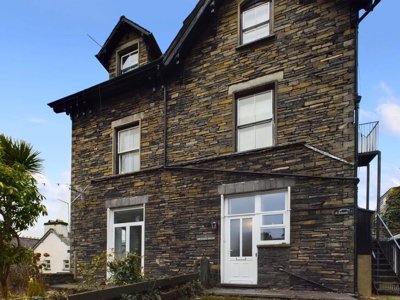
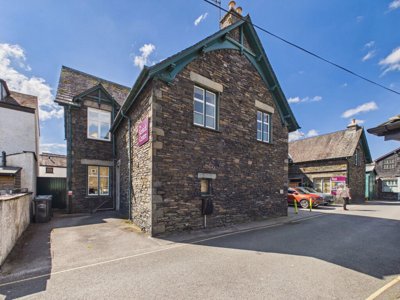
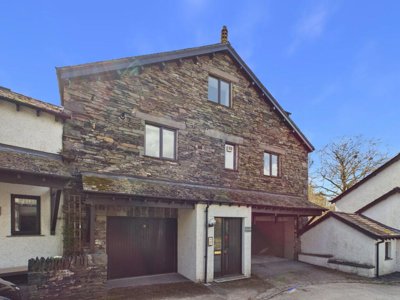
Browse 3 rental homes to rent in Lakes, Westmorland and Furness from local letting agents.
£1,213/m
2
0
27
Source: home.co.uk
Source: home.co.uk
Flat
1 listings
Avg £850
Town House
1 listings
Avg £1,575
Source: home.co.uk
Source: home.co.uk
The Lake District rental market works rather differently from most urban areas, not least because of the National Park's strict planning controls and the area's international pull. Across the region, average property prices sit at around £388,485 for all property types, with detached homes at approximately £608,983 on average. Semi-detached properties usually sell for around £347,750, terraced homes average £290,000 and flats around £200,000. Those figures say a lot about the standard of the housing stock, as well as the limited amount of land available inside the National Park boundaries.
Property values in the Lake District have risen by approximately 1.35% over the last twelve months, which points to steady demand even as the wider national market has moved around. That level of growth speaks to the lasting appeal of Cumbrian living, with its scenery, outdoor pursuits and community spirit. For renters, the message is simple, time spent on a property search is rarely wasted here, because the market tends to hold its value and draw tenants looking for longer-term arrangements.
Housing here carries a strong historic stamp, with over a third of homes pre-dating 1919 and built from traditional materials such as Westmorland green slate, Burlington slate and local stone. Older places often ask for more upkeep, but they also bring a sort of character newer homes cannot easily copy. For tenants, that means checking the state of slate roofs, stone walls and original timber windows before signing a rental agreement.

Stretching across about 2,362 square kilometres of Cumbrian countryside, the Lake District National Park is one of Britain's most important conservation areas. It has a permanent population of roughly 42,000 residents across 18,000 households, so it manages to protect a landscape while still supporting the communities that live in it. The demographic profile leans towards families and older residents, while many younger people head off for university or work in bigger cities. That pattern creates both pressure and opportunity in the rental market, as homes come up when residents downsize or move away.
Tourism sits at the centre of the local economy, supporting hospitality businesses, outdoor activity operators and shops across the area. Farming still matters too, with sheep and cattle grazing continuing on the fells. Public sector employers, including the National Park Authority, local councils and healthcare services, also provide steady work for many people. Remote working has grown in recent years, bringing in professionals who want the quality of life the Lakes offers while keeping jobs with employers elsewhere. That has pushed demand for good rental homes higher, especially those with dependable broadband.
Affordability remains a real issue in the Lake District. Strong demand from second home buyers and holiday let investors has cut the number of long-term rentals, and in some communities permanent populations have shrunk as homes are switched to holiday accommodation. The National Park Authority has brought in planning controls to try to redress that imbalance, but anyone looking to rent should still expect lively competition in popular villages such as Hawkshead, Grasmere and Coniston.

Families looking to rent in the Lake District will find a broad network of primary and secondary schools across the National Park and nearby areas. In villages like Hawkshead, Grasmere and Coniston, primary schools serve local children with small class sizes that are often a plus for younger pupils. Secondary options include schools in Ambleside, Keswick and Windermere, and some students travel moderate distances for the next stage of their education. Nearby grammar schools in other towns add another route for pupils who pass the entrance selection process.
Higher education is available through the University of Cumbria campuses in Lancaster and Carlisle, while the city's institutions draw students from Lake District families who want university study closer to home. Further education colleges in Kendal and Carlisle offer vocational routes into hospitality, agriculture and conservation work. Many families value the chance for children to grow up with outstanding natural beauty on the doorstep, alongside outdoor activities that sit neatly alongside classroom learning.
Independent schools also have a place in the region, with St. Bees School on the western coast giving families another option outside the state sector. Because many Lake District schools are small, teachers are often able to offer more individual attention. The landscape itself becomes part of the lesson too, with geography, biology and environmental science all gaining a practical edge that is hard to match in urban settings.

For a rural area, the Lake District is fairly well connected. Rail links tie towns such as Kendal, Penrith and Oxenholme to major cities including Manchester, London and Glasgow. The West Coast Main Line runs through Penrith, where direct services to London Euston take around three hours. Kendal railway station connects to Manchester and the Lake District's own Windermere branch line. For commuters in technology or professional services based in Manchester or Liverpool, the journey is workable with planning, and the rewards come after hours.
Bus travel inside the National Park is handled by Stagecoach and other providers, linking major towns and villages on the best-used routes. The 555 bus service, which runs between Lancaster and Keswick, passes through many Lakeland settlements and is especially useful for residents without cars. Cycling has become more popular too, helped by routes like the Cetus Trail around Morecambe Bay and the newer paths around Windermere. Even so, car ownership is still close to essential for many Lake District residents, simply because communities are spread out and public transport to outlying homes is limited.
Oxenholme railway station, on the West Coast Main Line, gives commuters heading north and south a useful rail option, which is part of the reason towns like Kendal are popular with people who work remotely several days per week. By road, the A591 links Windermere and Ambleside to the M6 motorway, opening up routes to Manchester, Liverpool and the wider motorway network beyond.

It helps to think carefully about which part of the Lake District fits your routine. Hawkshead and Grasmere have a more traditional village feel, with local shops and pubs, while Windermere and Keswick offer more in the way of supermarkets, restaurants and leisure facilities. Before settling on an area, look at your commute, school access if children are involved, and how close you want to be to transport links.
Before you start viewing homes, we would usually suggest getting a rental budget agreement in principle from your bank or building society. Landlords and letting agents want reassurance about financial stability, and having that paperwork ready can speed up the application process quite a bit. Proof of income, bank statements and references gathered in advance can give you an edge in a market where good properties may attract several applicants.
A good approach is to visit several properties in different parts of the Lake District, so you get a feel for the range on offer. Keep an eye on flood risk in valley bottoms, the condition of older stone and slate buildings, and access to local amenities and transport links. It is also worth asking the letting agent about the property's history, any recent renovation work, and how the landlord usually handles maintenance during the tenancy.
Lake District rentals can move fast, especially in peak tourist seasons when second home owners may want temporary accommodation. Be ready to act quickly, but stay clear on your rights as a tenant under the Tenant Fees Act 2019. Local letting agents can talk through how competitive the market is and give realistic timescales for finding a property in your chosen area.
After a property has been agreed, the letting agent will set up referencing checks. These usually include credit checks, employment verification and landlord references from previous tenancies. Some agents will also ask for proof of the right to rent in the UK, and a guarantor may be requested if you are new to renting or have little rental history.
Moving into the area needs a bit of planning, especially if you are coming from outside the region. Broadband installation can take a while in rural places, so it makes sense to speak to providers early and line up a connection before you need internet for working from home. We would also suggest registering with local services such as the doctors surgery, which can have waiting lists in popular areas, and setting up council tax accounts with Westmorland and Furness Council without delay.
Renting inside a National Park and UNESCO World Heritage Site brings considerations that are different from a standard tenancy. Many properties fall within Conservation Areas, so external alterations, window replacements and garden changes may be restricted. If you want to personalise a rental, check with the landlord and the local planning authority about any permissions that might be needed. Traditional slate and local stone buildings often also carry listed building status, which protects their character.
Flood risk needs proper attention in the Lake District, because the mountainous terrain, heavy rainfall and numerous rivers can turn quickly in wet weather. Homes in valley bottoms, near rivers such as the Derwent or Kent, or close to lake shores carry higher flood risk, and insurers will take that into account. Towns including Keswick, Cockermouth and Glenridding have seen significant flooding in recent years. Ask the landlord about any previous incidents and the flood resilience measures already in place.
Higher ground properties, and older homes built into hillsides, often bring lower flood risk, though there can be other issues such as winter access when rural lanes become tricky. The Lake District geology, with its ancient volcanic rocks, slates and grits, usually means a low shrink-swell subsidence risk, although glacial till in valley bottoms can create local concerns. We always advise asking for copies of any previous survey reports or maintenance records when a property is viewed.

Centuries of building with local materials have given the Lake District a built environment that feels distinctive and is protected by both National Park and UNESCO status. Traditional houses often have walls made from local stone such as greywacke, granite and sandstone, while roofs in Westmorland green slate or Burlington slate have weathered over time into blue-grey and silver tones.
With an estimated 6,000 plus Listed Buildings across Cumbria, including many in National Park villages, a lot of rental homes carry some degree of listed status. That brings duties for landlords and tenants alike when it comes to keeping original details such as sash windows, exposed beams and traditional fireplaces in good order. Tenants should ask the landlord what alterations or improvements are actually allowed during the tenancy.
More than a third of the Lake District housing stock was built before 1919, so many rental properties use older construction methods that need a different approach to maintenance than modern homes. Features such as solid walls instead of cavity insulation, single-glazed windows and original drainage systems can affect energy efficiency and heating bills. Talking these practical points through with the landlord before moving in helps set realistic expectations for the tenancy.
The Lake District rental market behaves differently from the average urban one, shaped by the National Park's strict planning rules and the area's international appeal. Average rents across the region sit at around £1,671 pcm for all property types, with detached homes at approximately £1,350 on average. Semi-detached properties usually let for around £1,300 pcm, terraced homes average £1,250 and flats around £750. Those figures reflect the quality of the housing stock, together with the limited land available within the National Park boundaries.
Council tax bands in the Lake District and the wider Westmorland and Furness area run from Band A through to Band H, reflecting property values across different communities and housing types. For council tax purposes, homes in the National Park sit under Westmorland and Furness Council, and many traditional cottages and village properties fall into Bands A through D because their market values are modest. Newer homes, larger family properties in places like Windermere and Kendal, and houses with sizeable modern extensions may sit in higher bands. Before committing to a rental, you can check the exact banding on the Valuation Office Agency website.
Families in the Lake District have solid schooling options, with good primary schools in villages such as Hawkshead, Grasmere and Langdale serving local communities in small class settings. Secondary schools in Ambleside, Keswick and Windermere support pupils from the surrounding area, and grammar school entry remains available in nearby towns for students who meet the academic threshold. Parents often value the small class sizes and the link to outstanding natural landscapes, and many schools build outdoor learning into the curriculum. St. Bees School on the western Cumbrian coast adds another independent choice for families wanting an alternative to the state system.
Rail links at Windermere, Kendal and Penrith connect the Lake District to the West Coast Main Line, giving direct services to Manchester, London and Glasgow. Stagecoach buses link major towns and villages along scenic routes, and the 555 service between Lancaster and Keswick is particularly handy for residents without cars. Even so, public transport is thin on the ground for outlying properties, evening journeys and smaller villages off the main routes, so many residents still rely on a car for work, shopping and getting to services.
Life in the Lake District offers an exceptional standard of living, with Britain's finest scenery and outdoor recreation right on the doorstep, from hiking and climbing to water sports and cultural attractions. The communities are welcoming and tightly knit despite the rural setting, and local events, farmers markets and village activities help people settle in quickly. Affordability is the sticking point, because demand from second home buyers and holiday let investors affects both supply and pricing for long-term rentals. National Park protections preserve the area's character, but they also limit new housing, so demand regularly outpaces supply in popular villages.
Average property values across the Lake District National Park are approximately £1,671 pcm for all property types combined, with detached properties averaging £1,350 pcm, semi-detached homes around £1,300, terraced properties £1,250 and flats averaging £750. Rent levels vary quite a lot depending on size, location and condition, and premium homes looking out over lakes or fells can command rents of around £3,333 pcm. The Westmorland and Furness area covers a broad price range, though lower-priced homes have become harder to find because of demand from holiday let investors.
Flood risk across the Lake District changes a lot depending on how close a property is to rivers, lakes and the valley bottom locations where many villages and towns sit. Keswick on the River Derwent, Cockermouth and Glenridding have all experienced serious flooding in recent years, so homes there need careful thought before you rent. During viewings, ask about flood history, check the Environment Agency flood risk maps for the exact location, and look at elevation, drainage systems and any flood resilience measures that have been fitted. Homes on higher ground or built into hillsides usually face less flood risk, though they may bring steep access or exposure to winter weather.
As of 2024-25, deposits for rental properties are capped at five weeks rent where the annual rent is less than £50,000, and holding deposits are capped at one week's rent. Under the Tenant Fees Act 2019, letting agents cannot charge tenants for referencing, inventory checks or administration fees, although the first month's rent and deposit may still be due before you move in. Always ask for a full breakdown of charges before agreeing to a rental, and confirm which deposit protection scheme will hold your money within 30 days of the tenancy starting. Your deposit must sit in a government-approved scheme, and written confirmation should follow promptly.
Knowing the costs involved in renting in the Lake District makes budgeting much easier and helps avoid unwanted surprises. The Tenant Fees Act 2019 gives renters important protection, so licensed letting agents should not ask for referencing fees, admin charges or inventory check costs. Your deposit is protected in a government-approved deposit scheme within 30 days of receipt, and you should receive the details when you move in. Holding deposits are limited to one week's rent and are taken off your final move-in costs.
There are still practical costs to plan for, including moving expenses, furniture if the property is unfurnished, and contents insurance for your belongings. Setting up utilities and council tax accounts can take time, so it is sensible to coordinate with your landlord and get access to the property before your official start date for meter readings. In some rural parts of the Lake District, broadband installation can take several weeks, so speak to providers early and arrange connection before you need internet for working from home.
Council tax in Westmorland and Furness is based on property bandings, and most traditional Lake District cottages sit in Bands A through D. You may be able to claim discounts if you live alone or are a full-time student, so contact the council soon after moving in to make sure any reductions you qualify for are applied. Older Lake District homes can have higher utility costs because of solid wall construction and single glazing, so it is sensible to ask the landlord for typical energy costs before you commit to a tenancy.
From 4.5%
Calculate your rental budget to find properties you can afford across the Lake District
From £199
Complete your referencing checks quickly with our partner services
From £85
Get an Energy Performance Certificate for your rental property
From £120
Protect your deposit with a professional inventory at move-in
Properties to Rent In London

Properties to Rent In Plymouth

Properties to Rent In Liverpool

Properties to Rent In Glasgow

Properties to Rent In Sheffield

Properties to Rent In Edinburgh

Properties to Rent In Coventry

Properties to Rent In Bradford

Properties to Rent In Manchester

Properties to Rent In Birmingham

Properties to Rent In Bristol

Properties to Rent In Oxford

Properties to Rent In Leicester

Properties to Rent In Newcastle

Properties to Rent In Leeds

Properties to Rent In Southampton

Properties to Rent In Cardiff

Properties to Rent In Nottingham

Properties to Rent In Norwich

Properties to Rent In Brighton

Properties to Rent In Derby

Properties to Rent In Portsmouth

Properties to Rent In Northampton

Properties to Rent In Milton Keynes

Properties to Rent In Bournemouth

Properties to Rent In Bolton

Properties to Rent In Swansea

Properties to Rent In Swindon

Properties to Rent In Peterborough

Properties to Rent In Wolverhampton

Enter your details to see if this property is within your budget.
Loans, cards, car finance
Estimated property budget
Borrowing + deposit
You could borrow between
Typical borrowing
Monthly repayment
Est. at 4.5%
Loan-to-value
This is an estimate only. Your actual budget may vary depending on interest rates, credit history, and personal circumstances. For an accurate affordability assessment, speak to one of our free mortgage advisors.
This calculator provides estimates for illustrative purposes only and does not constitute financial advice. Your home may be repossessed if you do not keep up repayments on your mortgage. Estimates based on 4.5% interest rate, repayment mortgage. Actual rates depend on your circumstances.
Homemove is a trading name of HM Haus Group Ltd (Company No. 13873779, registered in England & Wales). Homemove Mortgages Ltd (Company No. 15947693) is an Appointed Representative of TMG Direct Limited, trading as TMG Mortgage Network, which is authorised and regulated by the Financial Conduct Authority (FRN 786245). Homemove Mortgages Ltd is entered on the FCA Register as an Appointed Representative (FRN 1022429). You can check registrations at NewRegister or by calling 0800 111 6768.

We use cookies to show you personalised content and improve your experience of our website. Find out more in our Privacy policy and Cookie policy.