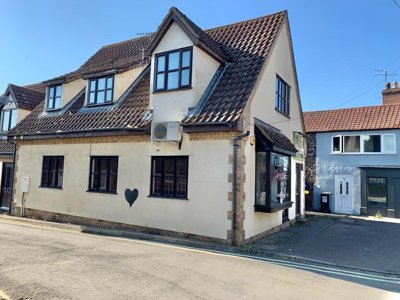
Browse 1 rental home to rent in Lakenheath, West Suffolk from local letting agents.
Studio apartments feature open-plan living spaces without separate bedrooms, incorporating sleeping, living, kitchen, and bathroom facilities. The Lakenheath studio market includes properties in modern apartment complexes, converted Victorian and Georgian buildings, and purpose-built developments.
£0/m
0
0
0
Source: home.co.uk
Showing 0 results for Studio Flats to rent in Lakenheath, West Suffolk.
RAF Lakenheath pulls steady demand into the Lakenheath rental market, with the United States Air Force base driving a constant need for homes in the nearby villages. Houses with several bedrooms are especially sought after by service families and civilian staff based there. Living close to the airbase gives tenants village surroundings without a difficult commute, and private renters, families, and professionals also make up a good share of the local tenant mix.
Rentals in Lakenheath come in a familiar mix of detached houses, semi-detached homes, terraced properties, and a smaller number of flats, which mirrors the village housing stock. The average house price stands at approximately £321,993, with detached properties averaging around £399,997, semi-detached homes at £275,000, terraced homes at roughly £230,000, and flats at approximately £145,000. Those sale figures are useful when judging rental expectations, since larger family homes usually command higher monthly rents than smaller starter homes or apartments. Two active new build developments, The Paddocks by Abel Homes off Station Road and The Heath by Orbit Homes on Back Street, add modern choices, including shared ownership properties.
Over the last twelve months, prices have held fairly steady, with values rising by approximately 1% across detached, semi-detached, terraced, and flats. That points to a market that is reasonably balanced, with neither shortage nor oversupply pushing prices too hard. In the past year, 50 property sales were recorded in Lakenheath, which is a solid level of activity for a village of this size. For renters, that sort of stability often means monthly asking rents stay fairly consistent, although landlord circumstances and the condition of each property still matter. Our search platform pulls listings from several local agents, so we can compare options and match properties to specific requirements without wasting time.

Lakenheath sits in the Breckland area of Suffolk, with gently rolling farmland, traditional brick-built homes, and a landscape shaped by the nearby River Little Ouse. The village has grown naturally around its historic core on the High Street and The Causeway, where period properties and the parish church of St Mary help define the local feel. Many houses are built in traditional red brick or Suffolk white brick, and rendered finishes on older homes add another layer of variety. It still has that recognisably English rural atmosphere that draws people away from urban living.
Daily life in Lakenheath is supported by a practical mix of local facilities and social spaces. There is a convenience store, a traditional butcher, and a bakery, along with pubs and restaurants that act as easy meeting points for residents. Sports grounds, a village hall used for community events, and footpaths through the surrounding countryside give people places to walk, cycle, and take part in local activity. Just outside the village, the RSPB-managed Lakenheath Fen offers a sizeable nature reserve and wildlife watching, which is a real draw for anyone who values open space and outdoor time.
What gives Lakenheath much of its character is the mix of long-established agricultural families and newer residents who have come for work at RAF Lakenheath and nearby commercial centres. That blend creates a socially mixed community, with good links between generations and plenty of ways for newcomers to settle in. A primary school, GP surgery, and pharmacy cover the main day-to-day needs, so larger towns are not always necessary for routine services. Regular markets and local events also help keep the social side of village life active through the year.

Lakenheath Primary School is the main education option for village children at primary age. For families renting locally, that is a practical advantage, because it cuts out the daily run to another village. Secondary pupils generally travel to nearby towns, including King Edward VI School in Bury St Edmunds, Samuel Ward Academy in Haverhill, oriset High School in Brandon, all reachable by school transport. Admission rules and catchment areas deserve close attention, since places can be competitive in popular rural areas.
Across West Suffolk, several primary and secondary schools have earned Good or Outstanding Ofsted ratings, so families do have quality choices within a sensible travelling distance. In nearby market towns, secondary schools usually offer a wider GCSE and A-Level spread than village primaries, plus specialist facilities for sports, arts, and sciences. For anyone renting in Lakenheath, it helps to understand admissions policies, including faith school criteria and grammar school selection processes, before making a decision. Some parents even choose to rent nearer a preferred secondary school during exam years, simply to reduce travel strain for older students.
Further education is available through colleges in Cambridge, Bury St Edmunds, and Norwich, which older students can reach if they are pursuing vocational or academic qualifications after GCSE. Cambridge, Norwich, and other university centres are within reasonable commuting distance for those happy to travel, although many students prefer to move closer for term time. For military families at RAF Lakenheath, the base offers educational support and local schooling information, which helps with admissions when arriving in the area. Early applications for school places are wise, because rental homes can be secured before the academic year starts, yet allocations may still depend on waiting lists and availability.

Road links and occasional public transport shape how people get around from Lakenheath. The village lies near the A1101 and B1112, which connect it to Brandon to the east and Mildenhall to the north, with onward access to the A11 trunk road through the region. From there, Norwich is relatively straightforward to reach to the north and Cambridge to the southwest, although single-carriageway stretches can slow journeys at peak times. Anyone commuting to Cambridge or Norwich will need to think carefully about travel time and fuel costs.
Bus services in and out of Lakenheath are limited, which is normal for rural Suffolk villages, so connections tend to be occasional rather than commuter-friendly. The nearest railway stations are in Cambridge, Norwich, and Bury St Edmunds, with mainline services to London, Birmingham, and other major destinations. For those working in London, Cambridge station gets you to Liverpool Street in approximately 45-50 minutes, making it the more workable commuting choice for hybrid workers. Cycling is also common for short local trips, and the flat terrain and country lanes make it pleasant in decent weather.
For anyone based at RAF Lakenheath, the village is only a short drive or cycle from the base, so the daily journey is straightforward for military personnel and civilian staff alike. Commuters heading to Bury St Edmunds or Norwich will have longer drives of approximately 30-40 minutes each way, although car sharing schemes are used locally to help with costs and environmental impact. Parking arrangements vary, too. Newer developments usually include allocated spaces, while older homes may depend on on-street parking. It is sensible to confirm parking before agreeing to a tenancy, especially if the household has more than one vehicle.

Before arranging viewings in Lakenheath, it makes sense to secure a rental budget agreement in principle so the monthly rent and overall moving costs are clear from the outset. Deposits, agency fees, council tax, utilities, and contents insurance should all be included in the numbers to avoid an unpleasant surprise later. Our platform helps set out the full financial commitment of renting in this village.
Take time to walk around Lakenheath village centre, look at nearby schools, and get a feel for the local facilities. Visit at different times of day and on different days of the week, because that gives a more honest picture of village life, noise levels, and the community atmosphere before choosing a street or area. If anyone in the household will be working at RAF Lakenheath, proximity to the base should sit high on the list.
Once the shortlist is ready, contact local letting agents and book viewings for properties that fit the brief. Arrive with questions about condition, any recent renovations, and the tenancy terms, especially notice periods and renewal options. Older properties, or homes in the Conservation Area, are worth extra scrutiny, so we would ask about maintenance history and any planning permissions already granted.
If the property is over 50 years old, or if it is a Listed Building, commissioning a professional survey is a sensible step. Lakenheath has older homes where damp, roofing problems, or outdated electrics may still be present, and checking those issues before signing can protect the deposit. Properties near the River Little Ouse should also be checked for flood risk history and drainage quality.
Before anything is signed, read the tenancy agreement carefully and ask about any terms that are unclear, especially rent increases, maintenance responsibilities, and end-of-tenancy procedures. We would also ask the agent or landlord to explain anything that does not make sense, and to provide copies of all relevant documents, including the inventory report. For homes in the Conservation Area or Listed Buildings, restrictions on decorations or alterations may apply.
On moving day, carry out a proper inventory check, note the condition of every room and fixture, and take dated photographs as evidence. Any existing damage or issues should be reported in writing straight away so they are not blamed on the tenancy later. Keep all correspondence, and make sure there is written confirmation that the deposit has been protected in a government-approved scheme within the required 30-day timeframe.
Renting in Lakenheath means keeping an eye on a few local factors that can shape the experience of living there. Flood risk matters, especially for properties near the River Little Ouse, where river flooding can happen after heavy rainfall. Surface water flooding can also affect low-lying parts of the village, so checking the Environment Agency flood risk maps for specific addresses is a sensible precaution, along with confirming whether suitable insurance is in place. In higher-risk spots, premiums may be higher or cover may be harder to arrange, so it is best to know that before committing.
The village includes a designated Conservation Area around the historic High Street and parts of The Causeway, along with several Grade II Listed Buildings such as traditional thatched cottages and period farmhouses. Renting a Listed Building means accepting that some alterations, decorations, and improvements may need consent from the local planning authority. Conservation properties can also have construction methods and maintenance demands that differ from standard modern homes, which can affect heating efficiency and day-to-day upkeep. It is better to understand those limits before moving in.
Lakenheath’s geology is mainly sand and gravel deposits over chalk bedrock, which usually means a low shrink-swell risk for buildings on those soils. Even so, localised patches with more clay in the superficial deposits can present moderate risk, and properties on made ground may be vulnerable to ground movement. Older homes can also suffer timber issues such as rot or woodworm, particularly where maintenance or ventilation has been poor. Homes built since the 1980s usually have cavity wall construction and should meet modern standards, though the condition and any recent survey reports still matter.

Rental pricing varies by property type and condition, but the average sale price in Lakenheath is approximately £321,993, with terraced properties averaging around £230,000, semi-detached homes at £275,000, and detached homes reaching nearly £400,000. Standard houses generally rent from around £800-£1,200 per month, while larger family homes can reach £1,200-£1,500 or more depending on size and condition. Homes with modern fittings, recent renovations, or proximity to RAF Lakenheath may attract premium rents, while older properties needing work can be priced more modestly. For the latest figures across available homes, our property listings give up-to-date asking rents in the village.
West Suffolk Council covers properties in Lakenheath, and council tax bands run from A through to H depending on the property value and type as assessed by the Valuation Office Agency. Most standard three-bedroom houses in Lakenheath fall into Band B or C, with council tax usually landing between £1,200-£1,500 per year at those bands. Larger detached homes may sit in Bands D or E, while smaller flats or terraced houses may be in Band A. The specific band for any property can be checked on the Valuation Office Agency website, and the landlord should confirm it at the start of the tenancy. Council tax is generally paid monthly alongside rent, and students, single occupants, and certain other groups may qualify for exemptions or discounts of up to 25%.
Lakenheath Primary School serves the village directly for primary-aged children, making it the natural choice for families renting in the village itself. Several primary and secondary schools in the surrounding West Suffolk area have achieved Good or Outstanding Ofsted ratings, so there is a respectable set of options within a reasonable drive. Secondary choices include King Edward VI School in Bury St Edmunds, Samuel Ward Academy in Haverhill, and oriset High School in Brandon, all reachable by school transport from Lakenheath. Parents should check school performance data, admissions policies, and catchment boundaries, because these can change and may affect place allocation for rented homes. Families stationed at RAF Lakenheath can also draw on the base’s dedicated support for service children during the admissions process.
Transport links are limited in Lakenheath, which reflects its rural setting, so buses provide occasional rather than frequent trips to nearby towns and market days. The nearest stations are Cambridge, Norwich, and Bury St Edmunds, with mainline services to London and other major cities, and Cambridge to London Liverpool Street takes approximately 45-50 minutes. A car is generally essential for day-to-day life, though car sharing schemes are used by people travelling to regular destinations such as RAF Lakenheath, Bury St Edmunds, and Cambridge. Cycling works well for local journeys and nearby settlements, thanks to the relatively flat terrain, which keeps it accessible for most fitness levels throughout the year.
Lakenheath brings together rural village character, a strong community spirit, and close access to RAF Lakenheath, which is why it appeals to service families, professionals, and anyone wanting village life in Suffolk. Essential amenities such as shops, pubs, and a primary school are all close at hand, while larger facilities in Brandon and Mildenhall are easy to reach by car. The two new build developments, The Paddocks by Abel Homes and The Heath by Orbit Homes, give modern rental choices alongside traditional village properties. For people who value quiet surroundings, countryside footpaths, and the nearby RSPB Lakenheath Fen nature reserve, the village offers a good quality of life in a supportive setting.
In England, standard deposits for rental properties are capped at five weeks rent, subject to the annual rent threshold, and landlords must place them in a government-approved deposit scheme within 30 days of receipt. Other costs to budget for include referencing fees, usually between £50-£150 depending on the agency and the number of applicants, which cover identity checks, credit history, and employment verification. Some letting agents still charge administration fees for tenancy processing, although government reforms have curtailed excessive fees, and we would always want a written breakdown before agreeing to any charge. Inventory check fees, usually £80-£200, cover the detailed condition report at the start and end of the tenancy. As a first-time renter, you may qualify for relief from stamp duty on properties up to £425,000, with 5% duty applying between £425,000 and £625,000, although that mainly affects buyers rather than tenants.
Homes near the River Little Ouse face a higher river flooding risk during heavy rainfall or prolonged wet weather, and lower-lying parts of the village can also suffer surface water flooding when drainage systems are overwhelmed in extreme weather. Before committing, prospective tenants should check the Environment Agency flood risk maps for specific addresses and speak with the current occupants or landlord about any flood history. Properties in flood risk areas need buildings insurance that covers flood damage, and excesses can be higher than on standard policies. Knowing the risk in advance helps with planning, budgeting, and deciding whether any extra insurance costs are acceptable.
Renting in Lakenheath involves more than just the first month’s rent, so getting a clear picture of the upfront costs before searching helps with budgeting and shows landlords that the applicant is serious. The security deposit, capped at five weeks rent for most homes in England, must be protected in a government-approved deposit scheme by the landlord within 30 days of receiving it. At the end of the tenancy, the deposit should be returned within ten days of both sides agreeing the final amount, less any deductions for damage beyond fair wear and tear or unpaid rent. Photographs and the formal inventory report are essential at the start, because they give proper proof of the property condition.
There can also be referencing charges for checking identity, credit history, and employment status, usually between £50-£150 depending on the agency and how many applicants are being referenced. Some letting agents still add administration fees for processing the tenancy, although government reforms have limited excessive charges, and a written breakdown of all costs should always be requested before proceeding. Inventory check fees, usually £80-£200, pay for the detailed condition report at the beginning and end of the tenancy, which is an important record of how the property looked when you moved in. For first-time renters in England, relief from stamp duty land tax applies on residential properties up to £425,000, with 5% duty applying between £425,000 and £625,000, though that is mainly relevant to purchases rather than rentals.
Before viewing properties in Lakenheath, arranging a rental budget agreement in principle gives a clear sense of the maximum affordable monthly rent, including existing debts, outgoings, and the savings needed for moving costs. That sort of financial clarity keeps the search focused on genuinely affordable homes and shows agents and landlords that the applicant is prepared in a competitive market. Renting in a village like Lakenheath can also bring costs such as Contents Insurance, utility connections, and council tax, so those should all sit in the overall budget alongside the deposit and agency fees. A methodical approach to the full financial commitment helps the tenancy start smoothly and keeps things on track right through to the end of the agreement.
From 4.5%
Calculate your affordable monthly rent and total moving costs
From £50
Credit checks, employment verification and landlord references
From £400
Detailed condition report for older properties or Listed Buildings
From £85
Energy performance certificate for rental properties
Properties to Rent In London

Properties to Rent In Plymouth

Properties to Rent In Liverpool

Properties to Rent In Glasgow

Properties to Rent In Sheffield

Properties to Rent In Edinburgh

Properties to Rent In Coventry

Properties to Rent In Bradford

Properties to Rent In Manchester

Properties to Rent In Birmingham

Properties to Rent In Bristol

Properties to Rent In Oxford

Properties to Rent In Leicester

Properties to Rent In Newcastle

Properties to Rent In Leeds

Properties to Rent In Southampton

Properties to Rent In Cardiff

Properties to Rent In Nottingham

Properties to Rent In Norwich

Properties to Rent In Brighton

Properties to Rent In Derby

Properties to Rent In Portsmouth

Properties to Rent In Northampton

Properties to Rent In Milton Keynes

Properties to Rent In Bournemouth

Properties to Rent In Bolton

Properties to Rent In Swansea

Properties to Rent In Swindon

Properties to Rent In Peterborough

Properties to Rent In Wolverhampton

Enter your details to see if this property is within your budget.
Loans, cards, car finance
Estimated property budget
Borrowing + deposit
You could borrow between
Typical borrowing
Monthly repayment
Est. at 4.5%
Loan-to-value
This is an estimate only. Your actual budget may vary depending on interest rates, credit history, and personal circumstances. For an accurate affordability assessment, speak to one of our free mortgage advisors.
This calculator provides estimates for illustrative purposes only and does not constitute financial advice. Your home may be repossessed if you do not keep up repayments on your mortgage. Estimates based on 4.5% interest rate, repayment mortgage. Actual rates depend on your circumstances.
Homemove is a trading name of HM Haus Group Ltd (Company No. 13873779, registered in England & Wales). Homemove Mortgages Ltd (Company No. 15947693) is an Appointed Representative of TMG Direct Limited, trading as TMG Mortgage Network, which is authorised and regulated by the Financial Conduct Authority (FRN 786245). Homemove Mortgages Ltd is entered on the FCA Register as an Appointed Representative (FRN 1022429). You can check registrations at NewRegister or by calling 0800 111 6768.

We use cookies to show you personalised content and improve your experience of our website. Find out more in our Privacy policy and Cookie policy.