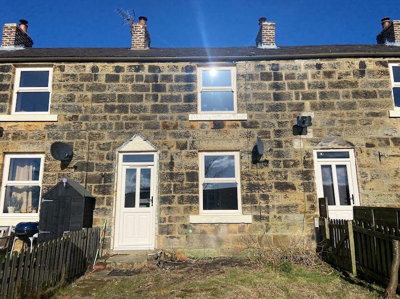
Browse 1 rental home to rent in Kildale, North Yorkshire from local letting agents.
The Kildale property market offers detached, semi-detached, and terraced houses spanning various price ranges and neighbourhoods. Each listing includes detailed property information, photographs, and direct contact with the marketing agent.
£0/m
0
0
0
Source: home.co.uk
Showing 0 results for Houses to rent in Kildale, North Yorkshire.
Kildale’s rental market works on a different scale to larger towns and cities, because the village has a small population and most homes are owner-occupied. A rental can be hard to pin down, and what does appear is often a stone cottage, a converted farm building, or the odd modern apartment tucked inside an old conversion. With so much of the village tied to the estate, private management is more common than big letting agencies, so local contacts and word of mouth matter a great deal.
Values across the YO21 postcode area vary quite a bit, depending on the property and its condition. In Kildale itself, a detached family home at Chapel House sold for £445,000 in September 2021, while Overbeck Cottage went for £340,000 in February 2019. Smaller cottages have achieved between £130,000 and £175,000 in recent years, and Glebe Cottage on Station Road reached £148,000 in 1999. Those figures give a sense of the local market, even though rental prices are not always made public because so many lets are handled privately.
There is more to the village’s property story than houses and cottages. Ironstone mining took place at Warren Moor near Kildale between 1868 and 1876, but the ironstone was poor and the companies failed before the workings were abandoned. The chimney from those old workings is now a Grade II listed monument, a visible trace of the industry that once shaped the place. Moorland has since reclaimed the land, although anyone thinking about a tenancy should still ask about ground stability where mining once happened.
Some homes in Kildale may need updating, while others come with maintenance duties that suit their age and build. Traditional features are common, including Whitby composite timber windows and Yorkshire sliding sash windows, both of which need proper care. Welsh slate roofs sit alongside pantile coverings across the village, so roof repairs are not always straightforward, and any work has to match the building’s historic character.

Kildale is an estate village with a long, narrow layout on the slopes of the North York Moors, where the River Leven begins. It sits on a watershed between the River Leven and River Esk, which gives the village a rather distinctive setting in the landscape. Rolling moorland, deep glacial valleys and the wider National Park scenery all define the area. Limestone and sandstone outcroppings break through the hillsides, while the pantile roofs sit comfortably against the natural backdrop.
From agricultural and mining roots, the village has grown into a residential community with farming and tourism both playing an important part. The 2001 census showed a move towards service industry jobs, with retail, transport and distribution becoming more significant. By 2011, education was the main industry for women locally, while construction stayed strong for men. Farms and most houses in Kildale are tenant-owned under the Kildale Estate, and many residents have deep family links here. There are 32 Grade II listed buildings, and the historic core is also designated as a Conservation Area, so the village’s character is carefully protected.
For anyone looking at a tenancy, the ground conditions are worth a closer look. Kildale Hall sits in a hollow formed by Devensian glacial and periglacial deposits, with a deep spread of glacial drift, including recessional moraine material. Low-lying land carries loamy soil over middle and upper lias, which is part of what made the valley productive for farming. That same geology can make construction and drainage more complicated, so any ground works or changes to an older property may need specialist input.
The River Leven brings its own history. A mill in Kildale was destroyed by a great inundation in the 14th century, and ornamental lakes in front of the manor-house were also lost to flooding before 1846. Today the risks are better managed, but homes close to the river, or in lower spots, still deserve careful thought during tenancy discussions. Because the parish lies on a watershed, drainage can be awkward to read, with water heading towards either the River Leven or the River Esk depending on the exact location.

Families moving to Kildale can look to nearby villages and towns for schooling. The village itself has a direct historical link to education, since the former school and schoolmaster’s house, built in 1836, is now a Grade II listed building. Primary schooling is usually sought in places such as Great Ayton, where local schools have a good reputation for pastoral care and steady academic progress. Small class sizes and close community links are a real advantage in these village schools.
For older pupils, the nearest options are in the nearby market towns, with bus services linking Kildale to secondary schools in Whitby and the surrounding area. Grammar schools in North Yorkshire may also be within reach for families who value academic selection, although catchment rules and entrance requirements will shape what is possible. Whitby adds sixth form and further education choices too. We always suggest checking admissions criteria and catchment boundaries early, because school places can be competitive in rural areas.
Getting to secondary school is not something to leave until the last minute in a place like Kildale. Most pupils need bus transport, with services running to Whitby and beyond, and the coastal journey can take far longer than a school run in town. Families who want a shorter commute, or who are trying to keep travel down, often find the nearby primary options in Great Ayton more practical day to day. It is not unusual for households to stay put until secondary education means moving closer to the school.

Daily travel here is shaped by the countryside. Private car use does most of the work for commuting and errands, and the village sits around 3 miles from Great Ayton, where shops, surgeries and pubs are easy to reach. Whitby is about 10 miles away, roughly 25 minutes by car, and gives access to larger supermarkets, secondary schools and the coastal railway station. The A171 and A173 provide the main road links, though the country lanes can be testing in bad weather.
Public transport is limited, as you would expect in a rural North York Moors village. Buses run through Kildale from time to time, connecting with Great Ayton and Whitby, but not often enough for most people to rely on them alone. Whitby station is the nearest railway link, with trains on the scenic coastal line to Middlesbrough and further afield. Anyone commuting to Leeds or York needs to plan carefully around timetables, or accept a long drive. Cyclists do enjoy the quiet roads and moorland routes, though the hills ask for a decent level of fitness.
Summer changes the picture again, because tourism brings more traffic onto the roads to Whitby and the coast. Anyone travelling at peak visitor times should allow extra time, especially at weekends when the scenic routes fill up with day-trippers. The Esk Valley railway offers a pleasant alternative for reaching Whitby without worrying about parking, with spring trains passing through daffodil fields and coastal views all year round. Even so, services are infrequent, so rail travel here still needs a bit of forethought rather than impulse.

Renting in Kildale means living with the realities of older village housing. Most homes are stone-built, with solid walls, lime mortar pointing and period details such as sash windows and exposed beams. Those features are part of the appeal, but they do ask for a different approach to repair and upkeep than a modern flat. Tenants are usually expected to report issues quickly, while landlords tend to work with local craftspeople who understand historic building conservation.
With 32 listed buildings in the village, many rentals may sit within listed building controls, which limits what can be altered. Tenants should not assume that changes will be easy, because anything that needs permission from the local planning authority may be restricted during the tenancy, and requests have to go through the right process. The North York Moors National Park adds another layer of planning control, as the landscape is tightly managed. Homes near the River Leven may also raise flood questions, so it is sensible to ask about flood history and any resilience measures already in place.
The building materials used here need a careful hand. Welsh slate roofs are durable, but they can be brittle if handled badly. Pantile roofs are common across the village, with overlapping clay tiles that can slip in severe weather, and gutters may need clearing regularly because moorland vegetation is so close by. Original timber windows, including the Whitby composite and Yorkshire sliding sash styles found locally, need regular attention to keep draughts and decay at bay without losing their character.
The old ironstone workings at Warren Moor, active between 1868 and 1876, are another reason to ask the right questions before taking a tenancy. Modern subsidence is unlikely because the mining is so long past, but underground workings can still affect the surface in ways that should be understood in advance. In some locations a specialist building survey may be sensible, especially in lower-lying spots or near former mine sites. Landlords in Kildale usually know a fair amount about their property’s history and can give useful context during the letting process.

We always suggest spending time in Kildale before signing up to a rental. Visit at different times of day and across the week, so you can get a feel for what living there actually means. Check how close the schools, shops and transport links are, and make a note of the nearest towns for everyday services. Summer traffic changes things too, as visitor numbers can push road use up sharply on the routes to the coast.
Sort out your rental budget agreement in principle before you start viewing. It tells landlords that you are serious and that your income has been verified, which can help when there is competition for a place. Make room for the deposit, the first month’s rent and moving costs. If you are looking at an older home, it is wise to leave a little extra for specialist maintenance linked to conservation work during the tenancy.
At viewings, ask about the property’s history, any recent improvements and whether the landlord prefers a short or long stay. Find out which bills are included, who handles maintenance and whether pets or smoking are restricted. Because listed buildings and Conservation Area homes are so common in Kildale, we would also ask directly about planning limits or consent requirements that could affect how you use the property.
Read the tenancy agreement with care. Look closely at the tenancy length, notice periods, deposit protection arrangements and any special terms linked to historic buildings or listed status. Many Kildale homes are specialist in one way or another, so you need to know exactly what you are expected to report, and how quickly repairs should happen. If improvements might need planning permission or listed building consent, make sure those clauses are clear too.
A proper check-in inventory matters. Record the condition of every fixture, fitting and item in the property, and back it up with date-stamped photographs. Any existing damage should be reported straight away, otherwise arguments can come up when you move out. Where a home has stone walls, timber windows or period fireplaces, document those features with particular care so there is a clear starting point for the tenancy.
Most of the usual renting costs apply in Kildale, although the rural setting and older property stock can affect some of them. The standard deposit is five weeks' rent, and it must be held in a government-approved deposit protection scheme for the duration of the tenancy. Landlords have 30 days from receipt of the money to protect it, and you should be given the prescribed information showing where it is held. In some cases a slightly higher deposit may be requested, especially where contents are valuable or maintenance is more specialist.
You may also need to pay the first month’s rent in advance, usually before the keys are handed over, and there could be a holding deposit while referencing is completed. Tenant referencing fees can cover credit checks, employment verification and landlord references from previous homes. If the property is furnished, an independent inventory clerk will usually add another upfront cost, but that protects both sides by setting out the starting condition clearly.
For homes in Kildale’s historic buildings, it can be sensible to budget for specialist surveys if major maintenance issues come up during negotiations. Traditional materials and listed features may need a conservation specialist rather than a general contractor, and that kind of expertise is rarely cheap. Even so, the survey helps both tenant and landlord by making the condition of the property and any existing problems clear before the tenancy begins. As a rough guide, we would allow approximately one-and-a-half to two months' rent as upfront costs when moving to a rental property in Kildale, not including removals.
There is no public rental price record for Kildale, which is hardly surprising given the village’s small size and limited turnover. Rents in this part of the North York Moors tend to sit higher against property value than in urban areas, largely because rural locations are so sought after and period cottages carry a premium. Nearby Whitby and Great Ayton offer some comparison, with similar cottages in the National Park often achieving 700-1,100 pounds per month for family homes, though size, condition and exact location all make a difference. With Chapel House in Kildale selling for £445,000 in 2021 and smaller cottages reaching between £130,000 and £340,000, the rental market has to be understood against those sale values and the yields they imply.
For council tax, Kildale falls under Redcar and Cleveland Borough Council, which covers the northern part of the North York Moors including the village. The bands run from A to H based on value, and historic homes here often sit in the lower bands because of their age and traditional construction. Many of the Grade II listed buildings and homes in the Conservation Area fall within bands A through D, though the actual band depends on the current valuation. We would always check the exact band with the landlord or letting agent, since alterations or successful appeals can change it.
Kildale does not have its own primary school, so children usually go to Great Ayton, around 3 miles away. Nearby village schools are well regarded for small classes and the kind of close community support that helps children settle and progress. The former school and schoolmaster’s house in Kildale, built in 1836 and now Grade II listed, is a reminder of the village’s long link with education, even though it is no longer used as a school. For secondary education, Whitby and the surrounding area are reached by school transport, with buses taking about 25 minutes. Families interested in grammar schools in North Yorkshire may find them accessible, but catchment boundaries and exam performance make planning essential, and journeys can be longer from Kildale.
Public transport reflects the village’s rural scale and its small population of just 142 residents. Buses run only periodically between Kildale, Great Ayton and Whitby, so most people rely on their own vehicle for everyday life. Whitby railway station, about 10 miles away, links into Middlesbrough and the wider rail network through the Esk Valley line, which is often described as one of Britain’s most beautiful railway journeys through the North York Moors. Anyone depending on buses or trains should check timetables carefully before committing to a tenancy, and factor in longer journey times than they would expect in town. In summer, the line is popular with tourists, so seats can be harder to find.
Kildale suits people who want a quieter way of life in the North York Moors National Park. The scenery is excellent, walking and cycling are close to hand, and the community has a strong local identity shaped by long-term residents under the Kildale Estate. With 32 Grade II listed buildings and Conservation Area status, the village values its historic architecture and takes care to preserve it. That said, the rental market is limited, cars are important, and older homes built from local limestone and sandstone come with responsibilities. It is a good fit for anyone who values moorland views, rural calm and period character more than instant access to amenities.
Renting here brings the standard costs you would expect elsewhere, starting with a security deposit of five weeks' rent, the first month’s rent in advance and possible referencing fees. The deposit has to be protected in a government-approved scheme within 30 days, with full prescribed information supplied. You may also face inventory check fees, and furnished homes sometimes come with a higher deposit request. We would allow roughly 1.5 to 2 months' rent as upfront costs when moving to a rental property in Kildale, before removals are added. Because so many homes have historic features and traditional construction, experienced inventory clerks are especially useful for setting a clear baseline and avoiding disputes later on.
Homes near the River Leven should be considered against the area’s flood record. There was a great inundation in the 14th century that destroyed a mill, and ornamental lakes in front of the manor-house were destroyed by flooding before 1846. Modern management has lowered the immediate risk, but tenants should still ask about flood history and any resilience measures for the specific property. The ground beneath the village, made up of Devensian glacial and periglacial deposits, deep glacial drift and recessional moraine material, can create difficult conditions in some places. The old ironstone mining at Warren Moor between 1868 and 1876 also means some locations may have stability concerns, although subsidence from those workings is unlikely to affect most homes in the village.
From 4.5%
Budget planning assistance for your Kildale tenancy
From £499
Referencing checks for North York Moors properties
From £350
Expert survey for traditional stone properties in Kildale
From £85
Energy performance certificates for Kildale rental properties
Properties to Rent In London

Properties to Rent In Plymouth

Properties to Rent In Liverpool

Properties to Rent In Glasgow

Properties to Rent In Sheffield

Properties to Rent In Edinburgh

Properties to Rent In Coventry

Properties to Rent In Bradford

Properties to Rent In Manchester

Properties to Rent In Birmingham

Properties to Rent In Bristol

Properties to Rent In Oxford

Properties to Rent In Leicester

Properties to Rent In Newcastle

Properties to Rent In Leeds

Properties to Rent In Southampton

Properties to Rent In Cardiff

Properties to Rent In Nottingham

Properties to Rent In Norwich

Properties to Rent In Brighton

Properties to Rent In Derby

Properties to Rent In Portsmouth

Properties to Rent In Northampton

Properties to Rent In Milton Keynes

Properties to Rent In Bournemouth

Properties to Rent In Bolton

Properties to Rent In Swansea

Properties to Rent In Swindon

Properties to Rent In Peterborough

Properties to Rent In Wolverhampton

Enter your details to see if this property is within your budget.
Loans, cards, car finance
Estimated property budget
Borrowing + deposit
You could borrow between
Typical borrowing
Monthly repayment
Est. at 4.5%
Loan-to-value
This is an estimate only. Your actual budget may vary depending on interest rates, credit history, and personal circumstances. For an accurate affordability assessment, speak to one of our free mortgage advisors.
This calculator provides estimates for illustrative purposes only and does not constitute financial advice. Your home may be repossessed if you do not keep up repayments on your mortgage. Estimates based on 4.5% interest rate, repayment mortgage. Actual rates depend on your circumstances.
Homemove is a trading name of HM Haus Group Ltd (Company No. 13873779, registered in England & Wales). Homemove Mortgages Ltd (Company No. 15947693) is an Appointed Representative of TMG Direct Limited, trading as TMG Mortgage Network, which is authorised and regulated by the Financial Conduct Authority (FRN 786245). Homemove Mortgages Ltd is entered on the FCA Register as an Appointed Representative (FRN 1022429). You can check registrations at NewRegister or by calling 0800 111 6768.

We use cookies to show you personalised content and improve your experience of our website. Find out more in our Privacy policy and Cookie policy.