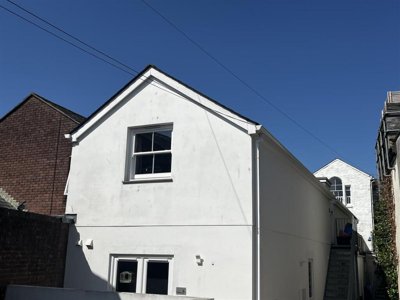
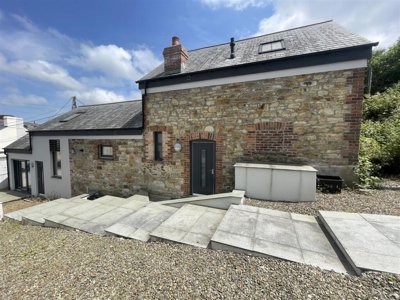
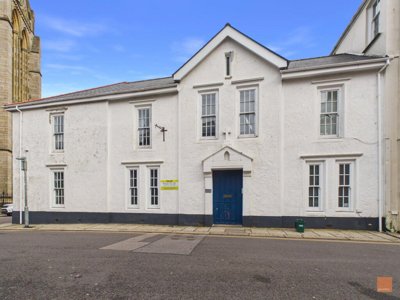
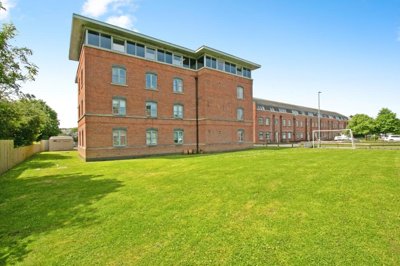
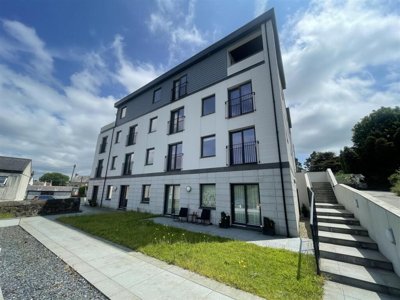
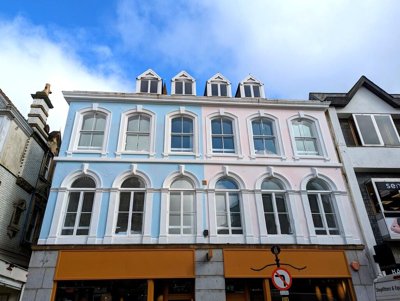
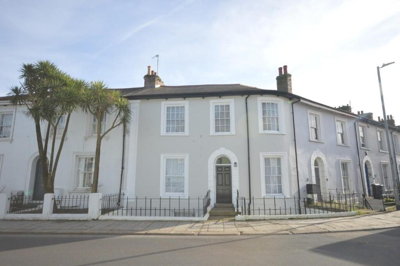
Browse 8 rental homes to rent in Kea, Cornwall from local letting agents.
The 2 bed flat sector typically includes two separate bedrooms, dedicated living areas, and bathroom facilities. Properties in Kea span purpose-built blocks, converted period houses, and modern apartment complexes on various floors.
£0/m
0
0
0
Source: home.co.uk
Showing 0 results for 2 Bedroom Flats to rent in Kea, Cornwall.
Kea's rental market speaks to a small but steady pool of tenants who are drawn to the village's setting on the Fal estuary. There are limited parish-level rental figures, so the wider TR3 postcode area around Truro is the best reference point for this part of Cornwall. Nearby homes have changed hands at a range of prices, and Penelewey Barns now renting at around £2,500 pcm gives a clear hint that similar properties reaching the rental market would sit at the top end. That level of value feeds straight through into rent expectations, so Kea tends to suit those with a realistic budget.
Kea's housing stock leans heavily towards traditional Cornish building, using granite, killas slate and white quartz stone. Listed buildings are common too, from the Grade II* All Hallows Church of Saint Kea and the historic Ropework Row cottages to Albany Farmhouse and Baldhu Methodist Church. That heritage shapes the rental pool, so character cottages, converted barns and period farmhouses often appear alongside a smaller number of newer homes. Cob walling, as at the former farmhouse Halwyn, is another part of the picture. Even small planning moves nearby, such as proposals for new dwellings at Tinneyside Close in nearby Calenick, show continued interest in the Kea catchment from developers and residents alike.
For renters after newer accommodation, opportunities do crop up in the surrounding TR3 postcode area. A recent application at Tinneyside Close, Calenick proposed five new dwellings, while a pre-application for up to five homes beside Valley Lane in Carnon Downs points to more stock in the pipeline. Large new-build schemes are rare within the parish itself because of its protected nature, but smaller developments and building conversions do occasionally add fresh rental choices.

Kea is a civil parish and village with real historical weight, set on the western bank of the Truro River where it meets the Fal estuary. Old Kea, Baldhu and Quenchwell each have their own feel, yet all are tied together by Cornish heritage and community spirit. Rolling countryside, Cornish hedges made from killas slate and local stone, and the constant pull of the waterway shape the landscape. This was once a tin and copper mining area, so mining history sits alongside agriculture in a way that gives each hedgerow and lane its own story. Built from cream Killas stone with granite dressings, the Grade II* All Hallows Church of Saint Kea anchors that long history.
People are often drawn to Kea for the calm, the community networks and the access to nature. A pint or a meal out is easy enough to find in local pubs serving locally sourced food and drink, and village halls keep the calendar busy with quiz nights, craft fairs and the like. Footpaths run through the parish and link into the wider web of coastal and countryside trails around the Fal estuary region, while the creeks and rivers are used for kayaking, sailing and fishing. Truro is close enough for shopping, healthcare and culture, so residents do not have to choose between village life and city conveniences. The recent planning application for solar panels at Treloggas House in Old Kea also points to an interest in sustainable living.
Kea's past as a mining parish gives the local landscape, and the housing stock, extra depth. In parts of the parish, old mining activity has left clay-rich ground conditions that once encouraged cob construction, so the building fabric tells its own story. That background helps explain why so many homes look distinctive and why local building methods developed as they did. Mining, farming and riverside life have all left their mark, creating a community with varied roots and a strong sense of place. Families renting here can pick up more of that heritage on local walks, in historic buildings and through conversations with long-standing residents.

Families looking at a rental in Kea have a fair choice of schools within a sensible travelling distance. The parish falls within the catchment for primary schools in surrounding villages, with several well-regarded primaries serving the wider Feock and Kea electoral division. For children up to age eleven, nearby villages offer smaller classes and close community links. Because the area is rural, school transport arrangements need to be considered carefully when choosing a property. It is sensible to check catchment areas and admission policies before committing, because they can shape the daily routine as much as the rent does.
At secondary level, children from Kea usually move on to schools in Truro or the surrounding market towns, where several secondary schools and sixth form colleges serve the wider area. Truro High School for Girls and Truro School give independent options, while state schools suit families looking for a lower-cost route. Truro College adds a further education choice, with courses ranging from A-levels to professional qualifications. Before committing to a family move, parents should check current school performance data, Ofsted ratings and transport arrangements, because all three can have a marked effect on both outcomes and day-to-day logistics.
Outside the classroom, Kea has plenty to offer in terms of outdoor learning and character building. The Fal estuary brings marine ecosystems into easy reach, so natural science lessons do not always stay on paper, and the network of footpaths and bridleways encourages active habits from a young age. Sailing clubs, youth groups and arts organisations in the surrounding area add extra enrichment. For families planning a tenancy of two years or more, that educational backdrop can matter a great deal, especially where school transport routes and the journey to school shape everyday routines.

Kea gives commuters a workable mix of rural life and day-to-day connection. It sits approximately three miles from Truro city centre, with regular bus services linking the village to Truro's railway station, shopping districts and healthcare facilities. Those routes usually run through Old Kea and Baldhu, and some stops connect with Truro's park and ride for anyone avoiding city centre parking charges. The A39 trunk road runs close by, opening out to the wider Cornwall network and the A30, the main arterial route from the River Tamar to the far west of the county. So residents can keep the peace and quiet without feeling cut off.
From Truro railway station, which is easy to reach from Kea by bus or car, direct services run to London Paddington, Plymouth, Bristol and Exeter. A journey to London takes approximately four to five hours, so the parish can work for occasional commuting, though it is better suited to local work or home working. The station also links into regional destinations, which keeps day trips to other Cornish towns and coastal spots simple even without a car. For remote workers, the combination of high-speed broadband and strong rail links is a practical draw, and the occasional office visit does not turn into a daily slog.
Drivers will find that parking in Truro can be tight at peak times, which is why many Kea residents use the bus or cycle where they can. The Fal estuary views on the road into Truro make the commute a bit easier to take. Cycling suits shorter journeys too, thanks to the fairly flat ground around the estuary, which works for most fitness levels. For longer trips, the A30 reaches Cornwall's airport at Newquay for domestic and international flights, while Plymouth's ferry port gives access to France and Spain. Taken together, those transport links make Kea a strong base for exploring Cornwall while keeping home life quiet.

Before viewing in Kea, it helps to have a mortgage in principle or a rental budget agreement in place so you know exactly where you stand. The Feock and Kea electoral division commands premium rental values because it is so sought after, so a clear budget narrows the search quickly. Set aside up to five weeks' rent for the deposit, plus referencing fees and moving costs, as well as your monthly rent commitment.
Spend some time looking at Old Kea, Baldhu and Quenchwell, because the right settlement depends on the lifestyle you want. Transport links, nearby amenities and the character of surrounding homes all matter when you compare locations. Water views close to the Truro River and Fal estuary are hard to beat, but they may come with higher flood risk, so that needs to sit in the decision as well.
Our advice is to contact local letting agents and arrange viewings of suitable rentals in Kea and the wider TR3 postcode area. Make a note of the property condition, who is responsible for maintenance and any special terms set out in the tenancy agreement. A good number of rentals here are character homes, so the maintenance history matters just as much as the décor.
Before you sign a tenancy agreement for a Kea property, read the rent amount, deposit requirements, notice periods and repair responsibilities carefully. Traditional Cornish homes can bring their own maintenance demands because of age, cob or killas slate construction and, in some cases, listed building status. Ask how damp, timber movement and drainage issues are handled in practice, not just in theory.
Once a property has been chosen, landlords usually ask for tenant referencing, right to rent checks and, at times, a guarantor. Get the paperwork back promptly, as delays can slow down the whole process of securing a Kea rental home. In a market like this, being ready with references and documents can make a real difference when other applicants are in the frame.
When moving in, take an inventory of the property's condition and report any existing problems to the landlord straight away. Cornish coastal and riverside homes can need extra attention to damp prevention and ventilation because of local humidity levels. Photographs are worth keeping for every room and feature, as they help protect the deposit when the tenancy ends.
Renting in Kea means taking account of a few local factors that may not be obvious at first glance to anyone unfamiliar with Cornwall's housing stock. The parish lies within a former tin and copper mining area south of Truro, so some plots sit on land shaped by historic extraction. Modern building standards deal with those issues, but the age and construction of a property still matter when thinking about future maintenance. Cornwall's geology mixes igneous and sedimentary rocks, so ground conditions can change quite sharply from one spot to the next. Traditional homes here often use granite, killas slate, white quartz stone and, in some cases, cob walls, all of which call for different care from modern brick-built properties.
Flood risk deserves close attention in Kea, because the parish borders the Truro River, River Fal and Calenick Creek. Homes near water or in lower-lying spots can face higher risk during heavy rain or high tides. Old Kea, on the west bank of the Truro River, sits particularly close to those flood-prone areas. Before renting, ask about flood history, drainage and any resilience measures already in place. Buildings insurance, contents insurance and the landlord's emergency steps for flood events should all be discussed too. Water nearby also tends to bring higher humidity, so ventilation and heating matter.
The number of listed buildings in Kea means many rentals come with architectural restrictions and extra maintenance responsibilities. Period properties can limit what you do to decorations and alterations, and they may ask more of tenants in day-to-day care. Properties such as 1-6 Ropework Row and Albany Farmhouse are good examples of the traditional homes that can come up to rent, full of character but needing a thoughtful approach. It helps to be clear about what sits with you and what sits with the landlord, because that protects the relationship and the deposit. Ask about thatched roofs, stone walls and original windows in particular, as they need specialist care in Cornwall's damp climate.

Kea's own rental data is not published separately, but the parish still commands premium values, with the Feock and Kea electoral division's property prices approximately 81% above the Cornwall average. In the wider TR3 postcode district, rents vary with type and condition, though period cottages and family homes tend to sit at the top end in this sought-after parish. Barn conversion rentals averaging £2,500 pcm underline that premium positioning. For the clearest picture, speak to local letting agents about current rates, because a limited pool of rental stock means demand and quality can move prices quickly.
Properties in Kea fall under Cornwall Council's jurisdiction and can sit in council tax bands from A through to H, depending on assessed value. Cornwall Council publishes the current band rates annually, and renters should check the exact band with the agent or landlord before setting a budget. Period homes and character properties may sometimes be assessed differently, particularly where listed building status is involved, which can affect both banding and any exemptions. Because the parish contains everything from modest cottages to substantial period farmhouses, the banding can vary a great deal from one home to another, so individual verification matters.
Kea is served by primary schools in the surrounding villages and the wider Truro area, with several schools within easy commuting distance achieving good Ofsted ratings. For secondary education, families usually look to Truro, where state and independent choices include Truro School and Truro High School for Girls. It is sensible to check current school performance data, admission policies and transport arrangements to suit your own circumstances, because school provision can alter which part of the parish works best. Truro College gives older students further education options, and the Fal estuary and surrounding countryside add valuable outdoor learning opportunities as well.
Regular bus services link Kea with Truro city centre, which is approximately three miles away and home to the mainline railway station with regional and national connections to London, Bristol, Plymouth and beyond. The A39 gives access to the wider Cornwall road network, and the A30 trunk road can be reached for longer cross-county journeys. A car offers the most freedom, yet Kea's transport links still work well for people employed in Truro or making occasional rail trips. By car, the journey between Kea and Truro takes approximately 15-20 minutes, while the bus usually takes 30-40 minutes, so commuting into the city is perfectly realistic. Many residents mix home working, the odd office visit and local employment, which means car ownership is useful rather than essential.
Kea offers renters a high quality of life in a historic Cornish parish with strong community ties, striking scenery along the Fal estuary and good connections to Truro. Traditional Cornish architecture, with granite, killas slate and white quartz stone, gives the village a distinctive and appealing look. Rental homes are limited but consistently sought after, which reflects the area's pull for families, professionals and anyone after a quieter Cornwall lifestyle without giving up access to urban amenities. Community spirit, local activities and the nearby countryside all add to that appeal, especially for people who value day-to-day quality of life over city convenience while still needing links to town facilities.
Standard deposits for rental properties in England are capped at five weeks' rent, worked out from the annual rent amount divided by fifty-two and multiplied by five. In Kea's premium market, that can still add up to a sizeable figure, so renters need to budget for it alongside moving costs and any rent paid in advance. A holding deposit of typically one week's rent may also be asked for to secure a property. Tenant referencing fees, identity checks and right to rent verification are common too, though the charges should be set out clearly by the letting agent. Because rents are higher here, deposits and fees can be more substantial than in other parts of Cornwall, so it pays to prepare upfront. Some landlords may also ask for a UK-based guarantor, especially for higher-value properties or for tenants without an established UK rental history.
Kea parish is bounded by the Truro River, River Fal and Calenick Creek, so homes near those waterways can face greater flood risk in periods of heavy rain or tidal surges. Old Kea, on the west bank of the Truro River, sits especially close to flood risk areas and needs careful thought during a rental search. Ask about flood history, any resilience measures already installed and whether buildings and contents insurance covers flood events properly. It is also sensible to be clear about your own responsibilities and the landlord's emergency procedures before you commit to a tenancy. Properties set back from the water and higher above flood levels usually feel safer, while ground-floor homes in low-lying spots may need extra precautions. South Cornwall's maritime climate can also bring humidity and condensation, so ventilation and heating should be considered from the outset.
Renting in Kea means looking beyond the monthly rent and seeing the full financial picture. Under the Tenant Fees Act, the standard security deposit is capped at five weeks' rent, held in a government-approved deposit protection scheme and returned at the end of the tenancy subject to deductions for damage or unpaid rent. In a premium market like Kea, that can mean several thousand pounds that need to be ready alongside the first month's rent in advance. Planning for those upfront costs before you start viewing helps avoid disappointment and makes the move smoother. In practice, securing a home usually means having funds for two months' rent plus deposit.
There are other costs to think about as well when renting in Kea, including holding deposits to secure a property, referencing fees and right to rent verification charges. Some landlords may request a UK-based guarantor, particularly for higher-value homes or for tenants without an established UK rental history. Moving costs, furniture for unfurnished properties and contents insurance should all sit in the budget. Cornwall's rural setting can also mean extra delivery charges for larger items and, in some cases, higher utility bills than you would see in urban areas, especially in older period properties with less modern insulation. Many Kea homes have thick stone walls and original windows, so heating can cost more than in a modern house, although those same features give excellent thermal mass once the place has warmed through.
First-time renters may hear about government relief on stamp duty land tax for purchases, but that support does not apply to rental arrangements. Even so, landlord licensing requirements and selective licensing schemes in parts of Cornwall can affect both availability and costs in certain postcodes. A rental budget agreement in principle before you view properties in Kea shows landlords and agents that you are financially credible, which matters in a competitive market where desirable homes can draw multiple applicants. Many letting agents and landlords in the area value tenants who can show stability through payslips, bank statements and employer references. If you are relocating from outside Cornwall, UK-based references and a UK bank account can make the application stronger still.
Properties to Rent In London

Properties to Rent In Plymouth

Properties to Rent In Liverpool

Properties to Rent In Glasgow

Properties to Rent In Sheffield

Properties to Rent In Edinburgh

Properties to Rent In Coventry

Properties to Rent In Bradford

Properties to Rent In Manchester

Properties to Rent In Birmingham

Properties to Rent In Bristol

Properties to Rent In Oxford

Properties to Rent In Leicester

Properties to Rent In Newcastle

Properties to Rent In Leeds

Properties to Rent In Southampton

Properties to Rent In Cardiff

Properties to Rent In Nottingham

Properties to Rent In Norwich

Properties to Rent In Brighton

Properties to Rent In Derby

Properties to Rent In Portsmouth

Properties to Rent In Northampton

Properties to Rent In Milton Keynes

Properties to Rent In Bournemouth

Properties to Rent In Bolton

Properties to Rent In Swansea

Properties to Rent In Swindon

Properties to Rent In Peterborough

Properties to Rent In Wolverhampton

Enter your details to see if this property is within your budget.
Loans, cards, car finance
Estimated property budget
Borrowing + deposit
You could borrow between
Typical borrowing
Monthly repayment
Est. at 4.5%
Loan-to-value
This is an estimate only. Your actual budget may vary depending on interest rates, credit history, and personal circumstances. For an accurate affordability assessment, speak to one of our free mortgage advisors.
This calculator provides estimates for illustrative purposes only and does not constitute financial advice. Your home may be repossessed if you do not keep up repayments on your mortgage. Estimates based on 4.5% interest rate, repayment mortgage. Actual rates depend on your circumstances.
Homemove is a trading name of HM Haus Group Ltd (Company No. 13873779, registered in England & Wales). Homemove Mortgages Ltd (Company No. 15947693) is an Appointed Representative of TMG Direct Limited, trading as TMG Mortgage Network, which is authorised and regulated by the Financial Conduct Authority (FRN 786245). Homemove Mortgages Ltd is entered on the FCA Register as an Appointed Representative (FRN 1022429). You can check registrations at NewRegister or by calling 0800 111 6768.

We use cookies to show you personalised content and improve your experience of our website. Find out more in our Privacy policy and Cookie policy.