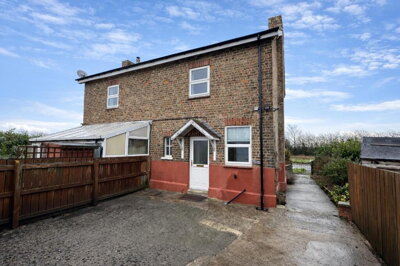
Browse 1 rental home to rent in Howe, North Yorkshire from local letting agents.
£0/m
0
0
0
Source: home.co.uk
The village of Howe sits within the NR15 postcode area of South Norfolk, where property prices and rents are shaped by the county's strong agricultural heritage and proximity to Norwich. While Howe itself is a small hamlet with limited direct sales data, properties in the surrounding area demonstrate the broader Norfolk market. Recent sales in Howe Lane, Poringland, show an average property price of around £257,500, with semi-detached homes averaging £270,000 and terraced properties at approximately £222,500.
The Norfolk rental market offers diverse property types, including traditional Norfolk cottages with their distinctive brick and pantile construction, semi-detached family homes, and detached properties. Historical property sales in Howe itself include a detached house on Sewells Lane that sold for £215,000 in 2000, and more recent transactions reaching £725,000 for premium properties. Rental prices in the Howe area vary considerably based on property type and condition, with period cottages and converted agricultural buildings commanding premium rents while family homes offer more spacious accommodation at competitive rates.
New build developments in nearby Poringland offer additional rental options, with 2 and 3-bedroom properties ranging from £210,000 to £350,000 in value. The presence of new build homes in the surrounding area provides tenants with modern alternatives to traditional village properties, though rental availability will depend on current market conditions. Our platform monitors listings across Howe and surrounding villages to help you find available properties matching your requirements and budget.

Howe is a small village in South Norfolk that embodies the peaceful, community-focused lifestyle typical of rural England. Residents enjoy access to stunning countryside, historic churches, and traditional pubs that serve as social hubs for the community. The village's historic character is evident in landmarks including Howe Hall, a listed building, and the adjacent C17/C18 barn with its traditional brick and pantile construction. St Mary's Church, with its rare 11th-century round tower, stands as the village's long history and provides a focal point for the community.
The surrounding Norfolk landscape is characterised by rolling farmland, hedgerows, and country lanes perfect for walking and cycling. The area between Norwich and the Norfolk Broads offers excellent opportunities for outdoor recreation, with beautiful trails crossing farmland and connecting to neighbouring villages. Local cultural attractions include historic manor houses, village greens, and the distinctive round-towered churches that make Norfolk unique, while community events bring residents together throughout the year.
Essential amenities are accessed through nearby market towns and villages. Poringland, just a short drive away, offers local shops, pubs, and services, while Norwich provides comprehensive retail, healthcare, and cultural facilities. The village's small population means that neighbours often know each other, creating a welcoming atmosphere for newcomers who appreciate a slower pace of life while remaining connected to the wider Norfolk community.

The village of Howe features a distinctive collection of historic properties that reflect Norfolk's rich architectural heritage. The presence of listed buildings, including Howe Hall and its C17/C18 barn, indicates the age and character of properties in the immediate vicinity. Traditional Norfolk construction typically features brick walls with pantile or clay tile roofs, materials that have served the county well for centuries but require understanding when assessing property condition.
Many properties in the Howe area predate modern building regulations and construction techniques. Solid brick walls, before the introduction of cavity insulation, may be susceptible to damp penetration, particularly in properties without updated damp-proof courses. The traditional Norfolk pantile roof, while durable, requires regular maintenance to prevent slipping tiles and water ingress. Understanding these construction characteristics helps prospective tenants evaluate properties appropriately and anticipate maintenance needs during their tenancy.
The village's historic character is protected through planning controls in the South Norfolk district, ensuring that new developments complement rather than detract from the existing architectural fabric. This means that renters in Howe can expect a village environment that retains its traditional appearance and community atmosphere, rather than undergoing the rapid transformation seen in more urban locations.
Families considering renting in Howe will find a selection of primary and secondary schools within reasonable distance in surrounding villages and towns. The village's small population means that local primary schools typically serve a wider catchment area, with children progressing to secondary schools in nearby market towns where they can access a broader curriculum and extracurricular activities. Many Norfolk primary schools serve multiple villages, creating strong community ties between neighbouring settlements.
South Norfolk schools consistently perform well in regional rankings, with many primary schools receiving positive Ofsted ratings for both academic achievement and student welfare. Secondary education options include both comprehensive schools and grammar schools in larger towns, providing families with choices depending on their children's academic needs and preferences. Researching specific school catchments and admission policies is essential, as places in popular schools can be competitive.
For sixth form and further education, students typically travel to Norwich or larger towns where colleges offer a wider range of A-level subjects and vocational courses. The University of East Anglia in Norwich provides higher education opportunities within easy reach of Howe, making the area suitable for families with older children considering university options. Transport arrangements for secondary and further education pupils are an important consideration when renting in Howe, and families should evaluate bus routes and journey times carefully.

Transport connections from Howe are shaped by its rural Norfolk location, with residents typically relying on private vehicles for daily commuting. The A11 runs through Norfolk, connecting the region to Norwich to the east and Thetford and Cambridge to the south. The A146 provides access to Bungay and Beccles to the east, while the broader Norfolk road network connects to Great Yarmouth, King's Lynn, and Cambridge. Major routes ensure that Norwich, with its extensive employment and retail opportunities, remains accessible to Howe residents.
For those working in Norwich, the commute typically involves driving to the city, with journey times depending on traffic conditions. Norwich railway station offers connections to London Liverpool Street, Cambridge, and Birmingham via the East Anglia and Greater Anglia networks. The station is also served by regional bus services, making it a hub for those combining rail travel with local bus connections. Journey times by car to Norwich city centre typically range from 20 to 40 minutes depending on the route taken.
Bus services operate between villages and market towns, though frequencies may be limited compared to urban areas, with some rural routes operating only on specific days. The Norfolk landscape, while beautiful, means that journey times by public transport can be significantly longer than in urban areas, making car ownership advantageous for many residents. Local roads can become narrow in places, requiring confident driving through the picturesque Norfolk countryside. Cyclists will find that country lanes, while scenic, require careful attention given varying road surfaces and farm traffic.

Explore Howe and the surrounding South Norfolk villages to understand local amenities, transport links, and community atmosphere before committing to a rental. Consider visiting at different times of day to gauge noise levels and neighbourhood character, and spend time in nearby Poringland and Norwich to assess access to essential services. Understanding the village's historic character and proximity to listed buildings can help you appreciate what life in Howe entails.
Calculate your monthly rental budget, including rent, council tax, utilities, and other associated costs. Factor in deposit requirements, typically five weeks' rent for properties with annual rents under £50,000, plus the first month's rent upfront. Consider getting a rental budget agreement in principle from your bank, as this strengthens your application in competitive rental situations and demonstrates your financial readiness to letting agents.
Search online property portals, contact local letting agents active in the Norwich and South Norfolk area, and check community noticeboards for rental listings in Howe and nearby villages. Our platform aggregates listings across Howe and surrounding villages, allowing you to compare available properties and set up alerts for new rentals matching your criteria. Properties in popular villages like Howe can let quickly, so acting promptly on new listings is advisable.
Arrange viewings of promising properties to assess their condition, location, and suitability for your needs. In older properties common in Howe, pay particular attention to the condition of brickwork, pantile roofs, and any signs of damp or structural movement. Take notes and photos to help compare properties later, and ask about included utilities, council tax band, and any restrictions on pets or smoking that may affect your tenancy.
Once you have found a suitable property, complete the tenant application process promptly with all required documentation. Provide proof of identity, income verification, and references from previous landlords or employers. Respond quickly to any queries from the letting agent, as delays can result in losing a property to another applicant. Under the Tenant Fees Act 2019, referencing and credit checks are permitted costs, but many other fees are now banned.
Review the tenancy terms carefully, including deposit protection scheme details, notice periods, and any specific clauses relevant to the property. Pay the deposit and first month's rent, and ensure you receive proper documentation of the deposit protection within 30 days. Arrange for a thorough inventory check before moving in to document the property condition, protecting yourself from incorrect deductions at the end of your tenancy.
Renting in a rural Norfolk village like Howe requires careful consideration of property condition and local factors. The area's traditional construction, featuring solid brick walls and pantile roofs, differs significantly from modern properties and requires different maintenance approaches. Pay attention to the condition of brickwork, pointing, and roof tiles, as well as the presence and effectiveness of damp-proof courses and insulation standards. Properties like the converted barns common in the area may have been sensitively updated, but original features can still present maintenance challenges.
Norfolk's geology includes areas with clay soils, which can present shrink-swell risks that may affect property foundations over time. Properties with trees nearby or those built on clay-prone ground may show signs of foundation movement during dry spells or wet seasons. Potential tenants should inquire about any history of subsidence or structural movement in the property or local area, particularly for older properties with potentially shallow foundations. A professional survey, while typically arranged by buyers, can provide valuable information for longer-term tenants.
Properties near farmland may be subject to agricultural activities, including seasonal noise, traffic, and rural odours that are part of countryside living. Always request information about council tax bands, typical utility costs, and any planned local developments that could affect your tenancy. The Energy Performance Certificate provides essential information about insulation and heating efficiency, particularly important in older properties where upgrades may be limited by listed building status. Understanding these factors helps ensure that your rental experience in Howe matches your expectations for village life.

While specific rental data for Howe itself is limited due to the village's small size, the broader South Norfolk rental market reflects property values in the surrounding area. Recent sales in Howe Lane, Poringland, show average prices around £257,500, with semi-detached properties averaging £270,000 and terraced properties at approximately £222,500. Rental prices in the Howe area vary based on property type, size, and condition, with period cottages and converted agricultural buildings typically commanding premium rents while terraced homes and semis offer more affordable options. Properties in Howe benefit from the premium associated with rural Norfolk living, so expect monthly rents to be competitive with similar village locations in the region.
Properties in the NR15 postcode area around Howe typically fall into council tax bands A through H based on their assessed value under the Valuation Office Agency's banding system. Traditional cottages and period properties in Howe often fall into lower bands, while larger detached homes or properties with recent renovations could be in higher bands. Prospective tenants should verify the specific band and associated monthly costs directly with the local South Norfolk council, as council tax forms a significant part of monthly housing expenses and varies considerably between bands.
Primary schools in the surrounding villages serve younger children, with secondary schools available in nearby towns. South Norfolk and the broader Norfolk area maintains generally solid academic performance across both primary and secondary levels, with many schools receiving positive Ofsted ratings for teaching quality and student welfare. Families should research specific school catchments and admission policies, as places in well-regarded schools can be competitive. Transport arrangements for secondary school pupils represent an important consideration when renting in Howe, and families should evaluate bus routes and journey times to schools in nearby market towns.
Public transport options in Howe are limited due to its rural Norfolk location. Bus services connect Howe to nearby towns, but frequencies are reduced compared to urban areas, with some routes operating only on certain days of the week. Most residents rely on private vehicles for commuting and daily activities, with Norwich accessible by car within 20 to 40 minutes depending on route and traffic. The nearest railway station in Norwich provides connections to London, Cambridge, and Birmingham. If you need to commute by public transport, factor in significantly longer journey times and check local bus and train timetables carefully before committing to a rental.
Howe offers an excellent quality of life for those seeking a peaceful rural lifestyle within reach of Norwich and Norfolk's market towns. The village provides strong community ties, beautiful countryside, historic architecture including the rare 11th-century round-tower church, and a relaxed pace of life that appeals particularly to families and those seeking to escape urban pressures. However, limited local amenities and transport options mean that renters should consider their daily travel needs and access requirements carefully. Those who work from home or have flexible arrangements, or who drive regularly to Norwich for work and amenities, will find Howe particularly suitable for their lifestyle.
Standard deposits for rental properties in England are capped at five weeks' rent where the annual rent is less than £50,000. Tenants should budget for the deposit plus the first month's rent upfront, along with potential referencing and credit check fees. Under the Tenant Fees Act 2019, letting agents cannot charge many previously common fees, though you may still need to pay for background checks and tenancy agreement preparation. Monthly costs include council tax, utility bills, and contents insurance. Older rural properties may have higher heating costs, so requesting the Energy Performance Certificate when viewing helps estimate potential energy expenses.
From 4.5% APR
Plan your rental finances with our budget calculator and mortgage in principle
From £100
Complete referencing checks to strengthen your rental application
From £80
Professional inventory report to protect your deposit
From £80
Energy performance certificate for your rental property
Budgeting for a rental property in Howe requires careful consideration of all associated costs beyond monthly rent. Tenants should expect to pay a deposit equivalent to five weeks' rent upfront, plus the first month's rent before moving in. Additional costs may include referencing fees, admin charges from letting agents, and fees for right-to-rent checks as required by law. Under the Tenant Fees Act 2019, holding deposits are capped at one week's rent and can be retained by the landlord if you withdraw from the tenancy or provide false information.
Ongoing costs include council tax, utility bills, and contents insurance. Properties in older rural homes common in Howe may have higher heating costs due to less efficient insulation and traditional construction methods. Requesting an Energy Performance Certificate when viewing properties helps you understand potential energy costs and identify whether improvements might be available. Many letting agents require tenants to take out renters insurance as a condition of the tenancy, which protects your belongings and provides liability coverage.
First-time renters should also budget for moving costs, furniture if the property is unfurnished, and connection fees for utilities and internet services. Rural properties may have limited internet options, so checking broadband availability and speeds in Howe before committing to a tenancy is advisable for those who work from home or require reliable connectivity. Understanding the full cost picture helps ensure that renting in Howe remains affordable and meets your expectations for village life in South Norfolk.
Properties to Rent In London

Properties to Rent In Plymouth

Properties to Rent In Liverpool

Properties to Rent In Glasgow

Properties to Rent In Sheffield

Properties to Rent In Edinburgh

Properties to Rent In Coventry

Properties to Rent In Bradford

Properties to Rent In Manchester

Properties to Rent In Birmingham

Properties to Rent In Bristol

Properties to Rent In Oxford

Properties to Rent In Leicester

Properties to Rent In Newcastle

Properties to Rent In Leeds

Properties to Rent In Southampton

Properties to Rent In Cardiff

Properties to Rent In Nottingham

Properties to Rent In Norwich

Properties to Rent In Brighton

Properties to Rent In Derby

Properties to Rent In Portsmouth

Properties to Rent In Northampton

Properties to Rent In Milton Keynes

Properties to Rent In Bournemouth

Properties to Rent In Bolton

Properties to Rent In Swansea

Properties to Rent In Swindon

Properties to Rent In Peterborough

Properties to Rent In Wolverhampton

Enter your details to see if this property is within your budget.
Loans, cards, car finance
Estimated property budget
Borrowing + deposit
You could borrow between
Typical borrowing
Monthly repayment
Est. at 4.5%
Loan-to-value
This is an estimate only. Your actual budget may vary depending on interest rates, credit history, and personal circumstances. For an accurate affordability assessment, speak to one of our free mortgage advisors.
This calculator provides estimates for illustrative purposes only and does not constitute financial advice. Your home may be repossessed if you do not keep up repayments on your mortgage. Estimates based on 4.5% interest rate, repayment mortgage. Actual rates depend on your circumstances.
Homemove is a trading name of HM Haus Group Ltd (Company No. 13873779, registered in England & Wales). Homemove Mortgages Ltd (Company No. 15947693) is an Appointed Representative of TMG Direct Limited, trading as TMG Mortgage Network, which is authorised and regulated by the Financial Conduct Authority (FRN 786245). Homemove Mortgages Ltd is entered on the FCA Register as an Appointed Representative (FRN 1022429). You can check registrations at NewRegister or by calling 0800 111 6768.

We use cookies to show you personalised content and improve your experience of our website. Find out more in our Privacy policy and Cookie policy.