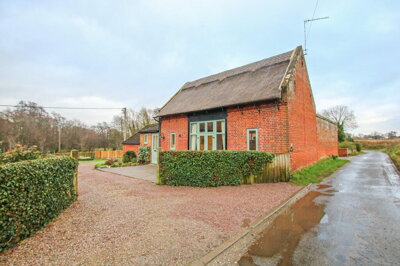
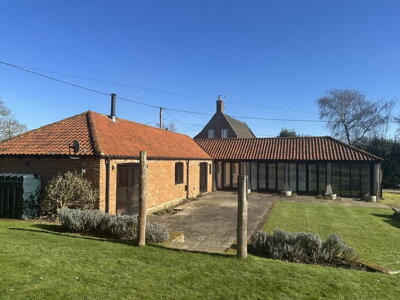
Browse 2 rental homes to rent in Horning, North Norfolk from local letting agents.
The Horning property market offers detached, semi-detached, and terraced houses spanning various price ranges and neighbourhoods. Each listing includes detailed property information, photographs, and direct contact with the marketing agent.
£0/m
0
0
0
Source: home.co.uk
Showing 0 results for Houses to rent in Horning, North Norfolk.
Horning’s rental market mirrors the wider pattern across this distinctive Norfolk Broads spot, where limited housing stock and strong natural appeal mean demand usually runs ahead of supply. Our figures put detached homes at the top of the market, with average prices around £430,000-£640,000 depending on specification and how close they sit to the river. Semi-detached properties tend to sit around £340,000-£420,000, while terraced homes in the village centre are generally in the £360,000-£450,000 range. Flats are still fairly rare in Horning, and where they do appear they are usually priced from £200,000, though rental availability in that bracket shifts quite a bit through the year.
Over the last twelve months, prices in Horning have held up extremely well, with home.co.uk recording a 16% rise compared with the previous year and values now sitting 5% above the previous 2022 peak of £508,367. That sort of growth speaks to the pull of Norfolk Broads living and the fact that very little new development comes forward within the village boundary. Renters exploring the area will notice that it does not behave like an urban market, as many homes are sold privately rather than through large estate agent portfolios. Individual building plots with planning permission, including riverside sites along the River Bure, also point to continued buyer interest in this sought-after location.
For renters, that creates a mixed picture. Horning usually commands higher rents than nearby towns because of its waterside setting and the simple fact that supply is tight. Two-bedroom cottages often begin at around £900 per month, while bigger family homes can reach £1,200 or more, depending on position, specification and river access. Homes with direct water frontage or a private mooring tend to sit at the top end of the market, which is no surprise given the premiums seen in sales too. We keep an eye on current listings so the rental information we provide stays as current as possible.

One of the most appealing villages in the Norfolk Broads, Horning manages to combine a proper rural feel with useful everyday amenities. It sits on the River Bure, one of the broads’ main waterways, so the landscape is all linked lakes, reed beds and quiet channels that have drawn visitors here since Victorian times. There is a genuine sense of welcome in the village, helped by local businesses that serve both residents and the steady flow of holidaymakers arriving by boat or car through the summer. In the centre, traditional pubs, independent shops and the essentials for day-to-day living mean there is less need to head into the larger towns for every errand.
Tourism and leisure drive much of the local economy, with boat yards, pubs and holiday accommodation making up a large share of the work on offer. The calendar is dotted with community events too, from summer regattas to winter celebrations that lean into the village’s character. Outside the built-up parts, the Norfolk Broads provide excellent wildlife watching, and the area is well known for birds, otters and other native species. Walking and cycling routes spread out from the village, linking Horning with neighbouring communities and opening up wide views across the broadland landscape. Add in the scenery, the community feel and the recreational options, and it is easy to see why more people are looking here to leave urban pressure behind.
At the centre of village life, St. Helen’s Church and The Green give Horning its focal point, while the Waterside area nearby is the place to look for river access, moorings or gardens right on the water. The Bure Valley Trail is close by too, linking Horning to Wroxham as both a scenic railway and a pleasant walking route, so it works well for a day out without needing the car. Housing varies from historic thatched cottages along cottages Lane and Lower Street to newer homes that sit more comfortably with the Broads setting while still offering modern layouts. Essential supplies come from the village post office and general store, and summer farmers markets and craft fairs bring out local produce and artisans.

Families looking at Horning will find that schooling is mainly centred across the wider North Norfolk area, with the village itself relying on smaller primary options in nearby communities. The local primary school that serves Horning and surrounding villages takes children from Reception through to Year 6, and the smaller classes can mean more individual attention alongside solid pastoral support. For secondary school, pupils usually travel to Wroxham, Stalham or North Walsham, where the curriculum is broad and Ofsted ratings are generally good. Catchment lines and admissions rules matter here, so it is worth checking them carefully before deciding on a rental property.
Horning Primary School covers the immediate village community and takes children aged 4-11, with a strong reputation for a supportive learning environment. Its small class sizes give teachers room to work closely with each pupil, and the school keeps strong links with the local community through events and activities across the year. For secondary education, families often look at St. Mary's School in East Harling or the wider choice in Wroxham, including St. Peter's Church of England Academy for pupils from Year 7 onwards. Wroxham and Stalham both offer state and faith-based options too, and eligible pupils living in rural areas may be able to use school transport.
Across North Norfolk, there are several well-regarded secondary schools, including grammar schools that admit academically selective pupils from across the region. Parents wanting the widest range of options may need to think carefully about commute times, because schools in Norwich broaden the choice but also add to the daily journey. For households with children of secondary age, school transport and viewing times become especially important when weighing up homes in Horning. Sixth form and further education are concentrated in Norwich and the larger towns, while the East Norfolk Sixth Form College in Gorleston and City College Norwich give older students alternative routes into post-16 study.

Horning’s transport links reflect its village setting, with the community sitting roughly 10 miles north of Norwich, the regional capital. Wroxham is home to the nearest railway station, around 5 miles away, where the Bittern Line runs into Norwich and connects onward to London Liverpool Street and other main destinations. From Norwich, London is about 90 minutes by rail, which keeps Horning within reach for people who need to commute but would rather live in the countryside. Even so, most residents still rely on a car for day-to-day life because public transport in the village is limited.
By road, Horning links out via the A1065 and A149, which give access to the North Norfolk coast and to inland routes respectively. Norwich is usually about 25-30 minutes away by car in normal conditions, so the city’s jobs, shopping and healthcare are all within practical reach. The same goes for coastal work in places such as Cromer or Great Yarmouth, where journey times are fairly similar on the local road network. Bus services run between Horning and surrounding villages, although the timetable is much thinner than in town, so they suit the occasional trip more than the daily commute. Cyclists will find the flat land a plus, even if the wider Broads landscape still means a fair distance to some destinations.
The Bure Valley Railway, the heritage line between Wroxham and Aylsham, passes close to Horning and gives residents both a nostalgic journey and a very handy attraction for visitors. For flights abroad, Norwich Airport handles services to a range of European destinations, while Harwich and Felixstowe provide ferry links to the continent. The A47 to the south improves connectivity too, opening up Peterborough and the wider motorway network beyond. In practice, many people settle on a mix of car ownership for everyday needs and the train for longer trips, especially when parking in Norwich would be expensive or awkward.

Start with Horning’s character and the local rental figures, because both matter here. Our platform lets you compare properties and see how costs stack up, and in this sought-after Norfolk Broads village the waterside setting is a big part of the price. As you plan your budget, do not forget council tax, utility bills and any flood risk insurance that may be needed. It also helps to visit at different times of year if you can, since the summer tourist traffic can change how the village feels.
Get in touch with local estate agents and private landlords to arrange viewings of homes that fit what you need. In Horning, seeing a property in person is especially useful because details such as river proximity, flood risk and the outlook across the Broads can make a real difference. Take notes as you go and photograph each place so you can compare them later. Check the exterior timbers, roof coverings and any private drainage system closely, as those points often reveal the maintenance burden you may be taking on during the tenancy.
Before you go any further, secure a rental budget agreement in principle from a financial provider. Landlords tend to take applicants more seriously when they can see the monthly rent is affordable. Our partners offer quick rental budget assessments, which can help strengthen your position when you make an offer on a property. Having that paperwork ready also tends to speed up referencing once you have found the right home.
After terms have been agreed, your landlord will normally ask for tenant referencing, including credit history, employment checks and references from previous landlords. It helps to have payslips, bank statements and photo ID ready in advance so the process moves along more smoothly. Self-employed applicants should also keep two years of accounts or tax returns to hand, since landlords and their agents may ask for extra financial evidence.
Read the tenancy agreement carefully before signing, especially the deposit amount, notice periods and any clauses linked to the waterside location. Homes in flood risk areas may include specific wording about flood precautions and insurance responsibilities. It is also important to be clear about garden upkeep, particularly where riverside properties have banks that need regular attention. If anything is unclear, ask for it to be explained before you commit.
Before you pick up the keys, walk through the property with the landlord or agent and note the condition of every fixture, fitting and item of furniture. That inventory protects both sides by recording the state of the home at the start of the tenancy, which can prevent disputes when you leave. Photograph each room thoroughly, including any existing marks, damage or wear. Once you are happy, sign and date the document to show you agree with what it says.
Flood risk needs proper attention in Horning, given the village’s place within the Norfolk Broads and its position beside the River Bure. Before signing anything, tenants should look into the property’s flood history and current flood risk assessment, because the practical impact and insurance costs can be significant. Homes with direct river frontage or those in lower-lying parts of the village may face higher premiums or tougher conditions. It is sensible to discuss flood resilience with the landlord and check the drainage arrangements as part of the rental process.
Horning has a wide spread of property ages and construction types, from modern family houses to historic thatched cottages that may be listed or lie within conservation areas. Older homes need a closer look, particularly for damp, timber defects and the condition of any thatched roof. Electrical systems and plumbing may also need updating, so tenants should be clear about who is responsible for maintenance and improvements during the tenancy. Knowing what sits within the rent and what falls to the tenant helps avoid confusion later on.
Traditional building methods are common here, including rendered brickwork, timber framing and thatched roofing, all of which call for specific upkeep knowledge. Some period properties in Norfolk may also use flint cottage construction, which needs specialist understanding when it comes to preservation. Where a property has a private septic tank or drainage system rather than mains sewerage, there will be extra maintenance tasks and costs to think about. Being close to water can also mean higher humidity, so ventilation and damp control deserve close attention during viewings.

Publicly available rental data for Horning is limited, but the wider Norfolk Broads market still shows how desirable and premium this part of the county is. Our platform lets you browse current listings and compare the prices of available homes. In general, Horning rents sit above those in nearby towns because of the waterside setting and low supply. Two-bedroom cottages often start from around £900 per month, while larger family homes can ask for £1,200 or more depending on location, specification and river access. Homes with direct water frontage or a private mooring can go much higher, and the most desirable spots along the River Bure may exceed £2,000 per month.
For council tax, properties in Horning fall within Broadland District Council’s area, following the local government boundary changes that came into effect in 2023. The village has homes across a range of bands, from smaller cottages in Band A or B through to sizeable detached houses in Band G or H. Most standard family homes sit in Bands D to F. Tenants should check the exact band with the landlord or through the council’s online portal, because council tax is a major ongoing cost alongside rent and varies quite a lot depending on size and valuation band.
School provision in Horning itself is limited, so primary education is usually taken up through village schools in the surrounding area. Horning Primary School serves the immediate village and the wider neighbourhood, and it is well regarded for pastoral care and academic progress. Secondary options include schools in Wroxham, Stalham and North Walsham, all of which are within reasonable commuting distance, while St. Peter's Church of England Academy in Wroxham is a popular choice for local families. Anyone focusing on education will need to check catchments and admissions carefully, because those boundaries can have a big effect on which schools are available.
Public transport from Horning is limited, as you would expect from a small village. Buses run to nearby towns, but the service is not really geared to daily commuting, and trips to Wroxham and Norwich are infrequent outside peak hours. Wroxham has the nearest railway station, with Bittern Line services into Norwich and onward trains to London Liverpool Street in around 90 minutes. For most residents, a car is essential, with Norwich reachable in about 30 minutes by road. Cycling is helped by the flat Norfolk landscape, although the distances to larger towns make it impractical for regular work journeys.
For anyone after countryside living with a strong community feel, Horning offers a very good quality of life. The village has the essentials, including pubs, shops and services, while the Norfolk Broads around it provide boating, fishing, bird watching and long walking routes. The main things renters need to weigh up are the higher cost compared with urban areas, the practical need for a car and the flood risk awareness that comes with a waterside place. For people who value natural beauty, community spirit and a slower pace, Horning can work very well indeed, and the lifestyle it offers is not easy to find in most of Norfolk or the UK more widely.
In England, standard rental deposits are equivalent to five weeks' rent and are held in a government-approved deposit protection scheme for the length of the tenancy. So a property at £1,000 per month would need a £1,150 deposit. There can also be referencing costs, administration charges and inventory check fees, although tenant fees were mostly banned for homes covered by the Tenant Fees Act 2019. First-time renters should allow for the first rent payment as well as the deposit before moving in, and anyone who finds those costs difficult may want to look at rental deposit schemes. We always advise asking for a full cost breakdown before agreeing to anything.
Because Horning sits within the Norfolk Broads and beside the River Bure, flood risk is a key issue for any prospective tenant. Some properties in the village are within flood zones, and homes with direct river frontage or in lower-lying spots are more exposed during heavy rain or periods of high river levels. Insurance for flood-risk properties can be much more expensive than for similar homes elsewhere, and some insurers apply conditions or exclusions. We would suggest asking the landlord for the property’s flood history and checking the Environment Agency’s flood risk maps before you sign a tenancy agreement.
Horning’s riverside position means some homes do have direct river access or private moorings, although they are scarce and very much in demand in the rental market. Properties with moorings or frontage usually attract premium rents, because they support the boating lifestyle that many people here enjoy, whether that is dinghies, cruisers or canoes launched straight from the garden. If river access matters to you, say so clearly in your enquiry to local agents so they can flag up suitable homes. Do bear in mind that moorings may be covered by separate agreements with the Broads Authority or with private providers.
There are several upfront costs to plan for when renting in Horning, and it is best to have them lined up well before moving day. The security deposit, capped at five weeks' rent under the Tenant Fees Act 2019, has to be placed into a government-approved scheme within 30 days of receipt. It protects landlords against unpaid rent or damage, while also giving tenants the benefit of the dispute process if there is any disagreement at the end of the tenancy. In Horning, where rents reflect the premium nature of Norfolk Broads living, that deposit can run into several thousand pounds and needs to be available in advance.
Other costs can include the first month’s rent in advance, referencing fees if the landlord does not cover them, and inventory check charges, which usually fall somewhere between £80-£150 depending on the size of the property. Some landlords also ask for a holding deposit while checks are being completed, although this is normally taken off the final deposit or first month’s rent. First-time renters should also factor in moving costs, furniture if the property is unfurnished, and set-up charges for utilities and internet. Working through the full cost picture before you commit helps avoid financial strain during the tenancy.
If you are looking at a property in one of Horning’s flood risk areas, it is wise to allow for higher insurance premiums too. Buildings insurance is usually the landlord’s job, but contents insurance for your own belongings is the tenant’s responsibility and may cost more in flood-prone spots. Some insurers may also want specific flood defence measures in place before they will offer cover, so that is something to discuss with the landlord before you sign. Energy bills can be higher in older, traditionally built homes as well, especially those with thatched roofs where heat retention may be less efficient than in modern builds.
See if you can afford to rent
From 4.5%
Verify your references before you rent
From £249
Protect your deposit at check-in
From £99
Energy performance certificate for your rental
From £85
Properties to Rent In London

Properties to Rent In Plymouth

Properties to Rent In Liverpool

Properties to Rent In Glasgow

Properties to Rent In Sheffield

Properties to Rent In Edinburgh

Properties to Rent In Coventry

Properties to Rent In Bradford

Properties to Rent In Manchester

Properties to Rent In Birmingham

Properties to Rent In Bristol

Properties to Rent In Oxford

Properties to Rent In Leicester

Properties to Rent In Newcastle

Properties to Rent In Leeds

Properties to Rent In Southampton

Properties to Rent In Cardiff

Properties to Rent In Nottingham

Properties to Rent In Norwich

Properties to Rent In Brighton

Properties to Rent In Derby

Properties to Rent In Portsmouth

Properties to Rent In Northampton

Properties to Rent In Milton Keynes

Properties to Rent In Bournemouth

Properties to Rent In Bolton

Properties to Rent In Swansea

Properties to Rent In Swindon

Properties to Rent In Peterborough

Properties to Rent In Wolverhampton

Enter your details to see if this property is within your budget.
Loans, cards, car finance
Estimated property budget
Borrowing + deposit
You could borrow between
Typical borrowing
Monthly repayment
Est. at 4.5%
Loan-to-value
This is an estimate only. Your actual budget may vary depending on interest rates, credit history, and personal circumstances. For an accurate affordability assessment, speak to one of our free mortgage advisors.
This calculator provides estimates for illustrative purposes only and does not constitute financial advice. Your home may be repossessed if you do not keep up repayments on your mortgage. Estimates based on 4.5% interest rate, repayment mortgage. Actual rates depend on your circumstances.
Homemove is a trading name of HM Haus Group Ltd (Company No. 13873779, registered in England & Wales). Homemove Mortgages Ltd (Company No. 15947693) is an Appointed Representative of TMG Direct Limited, trading as TMG Mortgage Network, which is authorised and regulated by the Financial Conduct Authority (FRN 786245). Homemove Mortgages Ltd is entered on the FCA Register as an Appointed Representative (FRN 1022429). You can check registrations at NewRegister or by calling 0800 111 6768.

We use cookies to show you personalised content and improve your experience of our website. Find out more in our Privacy policy and Cookie policy.