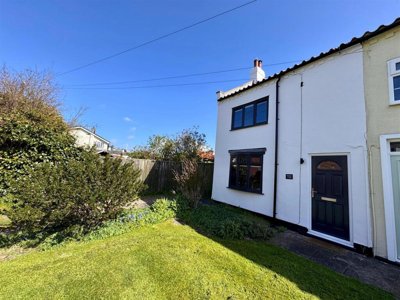
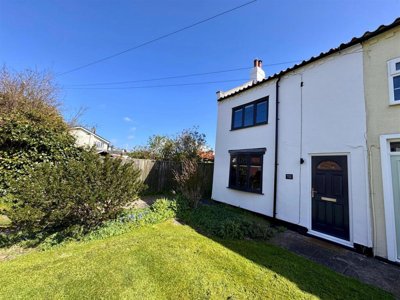
Browse 2 rental homes to rent in Hornby from local letting agents.
The Hornby property market offers detached, semi-detached, and terraced houses spanning various price ranges and neighbourhoods. Each listing includes detailed property information, photographs, and direct contact with the marketing agent.
The rental market in Hornby reflects the village's status as a small but sought-after rural community in North Yorkshire. Property sales data for the surrounding DL6 postcode area shows strong values, with recent transactions reaching £557,500 in December 2024 and estimated average property values around £887,154 in the DL6 2HE area. These sale prices indicate a premium market where rental values are correspondingly competitive, though specific rental listings data for the village itself remains limited due to the small stock of available homes. The predominance of detached properties in the area, with 100% of recorded transactions in the DL6 2HE postcode being for detached homes, suggests renters seeking space and privacy will find suitable options, though family homes and cottages form the backbone of what becomes available.
North Yorkshire's property market has demonstrated resilience, with detached property prices rising by approximately 3.5% in mid-2025 and the wider Yorkshire and The Humber region seeing a 3.3% rise in average house prices over the year to December 2025. This upward trajectory in the sales market influences rental pricing, though Hornby's limited rental inventory means availability fluctuates significantly. The village's position within a Conservation Area affects what properties become available, as any conversions, renovations, or new rental offerings must respect the historic character and planning restrictions that protect Hornby's 27 listed buildings and traditional stone architecture.

Life in Hornby centres on community, heritage, and the natural beauty of the North Yorkshire countryside. The village is bisected by the River Wenning, which flows east to west along the eastern edge of the Hornby Castle estate, adding both visual appeal and a sense of place to the village layout. The castle itself, a significant historic site with its own heritage designation, dominates the local landscape and anchors the village's historical narrative. Residents enjoy a pace of life that contrasts sharply with urban living, where the rhythm of seasons, local agricultural activities, and community events define daily life rather than traffic and commercial pressures. The small population means neighbours know each other, and the village pub, the Grange Arms, serves as a genuine social hub rather than a mere commercial establishment.
The Hornby Conservation Area, designated in 1973, encompasses the castle and its grounds, the medieval borough layout, a stretch of the River Wenning, and virtually all the town's historic buildings. This protection ensures the village retains its distinctive appearance, with stone boundary walls varying from rough rubble field walls to formal cut and squared limestone examples defining property edges throughout. The local architecture demonstrates skilled use of locally quarried stone for both walls and occasional roof slates, creating a cohesive aesthetic that newer properties must respect. For renters, this means living in a village that has consciously preserved its character across generations, with datestones on many buildings recording their construction in the late 17th and early 19th centuries.
Hornby has historically served as a minor commercial centre and livestock market, a legacy that shaped its street pattern and community identity even though the village did not develop a significant industrial base. Today, the village contains local facilities that serve both residents and the surrounding agricultural community. The economy of North Yorkshire generally operates with low unemployment and a preponderance of small to medium-sized businesses, creating steady but modest employment that supports the local housing market without the volatility seen in urban economies. For renters, this economic stability means consistent demand for village properties and a community that values long-term residents over transient populations.

Families considering renting in Hornby should be aware that the village itself is very small and does not contain its own primary school, meaning education arrangements require travel to neighbouring villages. The surrounding North Yorkshire countryside contains several primary schools serving rural communities, with the nearest typically located in nearby market towns or larger villages within a reasonable driving distance. Secondary education options include schools in Northallerton, the county town of North Yorkshire, which offers a broader range of educational facilities including sixth form provision. Parents should research specific school catchments and admission arrangements carefully, as rural school provision can be limited and oversubscribed in popular areas.
North Yorkshire's educational standards are monitored through Ofsted inspections, with schools in the county generally performing well despite the challenges of rural provision. For families requiring childcare or early years education, village communities in North Yorkshire often coordinate shared provision or travel to nearest available settings. The county also maintains strong links between educational attainment and local economic needs, with North Yorkshire's economy characterised by small to medium-sized businesses and relatively low unemployment. Parents moving to Hornby for the lifestyle benefits of rural living will find the educational trade-offs manageable with planning, particularly if working from home or commuting to regional centres where school options are more diverse.
The DL6 and DL8 postcode areas surrounding Hornby contain several primary schools serving rural communities across North Yorkshire. Parents can verify school performance through Ofsted's online database, where Good and Outstanding ratings indicate effective teaching and positive outcomes for students. For secondary education, Northallerton Grammar School and Allertonshire School offer established provision within reasonable travelling distance. Some families in rural North Yorkshire also explore boarding options or grammar school placements in larger towns, though these require earlier application deadlines and additional consideration of logistics and costs.

Transport connectivity from Hornby reflects its status as a small rural village, requiring vehicle ownership or careful planning for those relying on public transport. The A1(M) motorway corridor passes through North Yorkshire, providing north-south connectivity to major cities including Newcastle, Leeds, and York, with the nearest access points reachable by car within a reasonable distance from the village. Bus services operate in the area but with limited frequency typical of rural North Yorkshire, making personal transport the default for most residents. The village layout and local road network reflect its medieval origins, with traditional routes connecting Hornby to surrounding villages and market towns where greater amenities and services concentrate.
Rail connectivity is available at nearby stations in Northallerton and Darlington, both of which offer regular services to major destinations including London King's Cross, Edinburgh, and regional cities across the north. Northallerton station provides CrossCountry and Northern Rail services, while Darlington offers additional connections including LNER services to London and the north. For commuters working in Leeds or York, the drive to rail stations represents a necessary part of journey planning, but the relative proximity of these facilities makes Hornby viable for professionals who can accommodate occasional travel. Cycling infrastructure in rural North Yorkshire has improved in recent years, though the hilly terrain and country roads require appropriate fitness and equipment for regular commuting use.
The practical reality of commuting from Hornby means factoring in the drive to Northallerton or Darlington stations, typically 20-30 minutes by car depending on route conditions. This journey becomes a regular feature of weekly routine for commuters who work in Leeds, York, Newcastle, or beyond. Our platform allows you to filter properties by proximity to major roads, helping you find rentals that balance village character with practical access to the transport network. Those working from home full-time may find the commuting consideration less relevant, making Hornby's rural isolation a positive rather than a constraint.

Start by exploring the Hornby area thoroughly before committing to a rental. Understand the village layout, proximity to local amenities, school catchments, and commuting options. The River Wenning and Conservation Area boundaries influence where residential areas concentrate, so familiarise yourself with these geographical features.
Contact local letting agents or private landlords listing properties in Hornby and the surrounding North Yorkshire villages. Given the limited rental stock in small rural communities, viewings may require scheduling in advance. Prepare questions about the property's history, any recent renovations, and specific considerations for older stone buildings.
Secure a rental budget agreement in principle before making formal offers on properties. This demonstrates your financial credibility to landlords and agents. Budget for not just rent but also deposit, agency fees, and ongoing costs like council tax, utilities, and potential maintenance contributions.
If renting a property within Hornby's Conservation Area, be aware that listed building status or planning restrictions may affect what alterations you can make. Discuss any plans for the property with your landlord and the local planning authority before committing.
Your letting agent or landlord will require tenant referencing, proof of income, and right to rent verification. Ensure you have relevant documentation ready, including identification, employment contracts, and landlord or employer references if available.
Once references are approved and tenancy agreements signed, arrange your move to Hornby. Consider how delivery services, utility connections, and community integration will work in this rural location, and take time to meet neighbours including the staff at local establishments like the Grange Arms pub.
Renting a property in Hornby requires particular attention to the characteristics of the village's historic housing stock, much of which dates from the 17th to early 19th centuries. Stone-built properties, while visually appealing and solidly constructed, often present considerations around insulation, damp management, and heating efficiency that differ from modern buildings. When viewing rental properties, ask about the age of the building, any recent renovations to the roof, walls, or services, and what heating system is installed. Older properties may have solid walls without cavity insulation, making them cooler in winter and more expensive to heat, though they offer excellent thermal mass and character. Understanding these trade-offs helps you make an informed decision and negotiate appropriate rental terms.
The presence of the River Wenning through Hornby means flood risk should be considered when evaluating rental properties, particularly those located close to watercourses or in lower-lying areas. While specific flood risk maps for Hornby were not detailed in available data, properties near rivers in North Yorkshire warrant careful assessment of flood history and mitigation measures. Conservation Area status affects permitted development rights, meaning landlords and tenants face restrictions on external alterations, extensions, or significant changes to the property's appearance. If you plan to keep pets or make lifestyle changes, discuss these with your landlord before committing, as rural properties often have different expectations around gardens, outbuildings, and property use than urban rentals.
Hornby's historic buildings were constructed using traditional methods including locally quarried stone, sometimes in walls described as "brick and a half" thick solid masonry. Many properties feature datestones recording their construction dates, a tradition common across North Yorkshire's vernacular architecture. Our team recommends requesting a professional survey for any rental property dating from this period, as defects common to historic buildings include damp penetration through solid walls, roof condition issues with traditional slate or stone tiles, outdated electrical systems, timber decay, and the condition of traditional lime mortar pointing. A thorough inspection before committing helps avoid unexpected maintenance costs during your tenancy.

Choosing to rent rather than buy in Hornby makes practical sense for many households, particularly given the premium values in this sought-after village location. Property values in the DL6 postcode area have shown consistent strength, with recent sales reaching £557,500 and estimated averages around £887,154, making outright purchase a significant financial commitment. Renting allows you to experience village life before committing to a long-term purchase, testing whether the pace of rural living suits your circumstances without the pressure of property ownership.
The North Yorkshire rental market differs substantially from urban areas in terms of property type and availability. Properties in Hornby tend to be traditional stone cottages, converted agricultural buildings, and period farmhouses rather than modern apartments or terraced housing. Monthly rents in comparable North Yorkshire villages typically range from £700 to £1,500 depending on property size, condition, and whether gardens or outbuildings are included. The limited rental stock in Hornby itself means that available properties may be scarce, but those that do come to market represent genuine opportunities to experience heritage living without purchase commitment.
For those uncertain about long-term plans, renting provides flexibility to relocate as circumstances change without the transaction costs and commitment involved in property sales. Our platform updates regularly with new rental listings across the Hornby area, allowing you to monitor the market and move quickly when suitable properties become available. The village's proximity to Northallerton, Darlington, and the A1(M) corridor means that renting in Hornby does not limit your options for employment or lifestyle, while providing the countryside benefits that make this part of North Yorkshire so desirable.
Specific rental pricing data for Hornby itself is limited due to the village's small size and low rental stock turnover. However, North Yorkshire's broader rental market reflects the county's property values, with the average house price reaching £272,000 in December 2025 and property values in the DL6 postcode area showing consistent strength. Rental prices in rural villages like Hornby typically range from £700 to £1,500 per month depending on property type and size, with larger detached homes commanding higher rents. Contact local letting agents for current market rates on specific properties available in the Hornby area, as each listing varies based on condition, location within the Conservation Area, and whether the property has been recently updated. Our platform connects you directly with available rentals, allowing you to compare options as they arise.
Hornby falls under Hambleton District Council for local authority services, with properties assigned council tax bands based on their assessed value. Historic properties in Hornby, particularly those dating from the 17th to 19th centuries, are typically found in Bands A through D, though individual assessments vary based on property characteristics and recent sales data. Contact Hambleton District Council directly or check their online valuation service for the specific band applicable to any property you are considering renting. Council tax payments in North Yorkshire fund essential local services including education, waste collection, and road maintenance, all of which contribute to village amenities even in small communities like Hornby. Budget approximately £1,200 to £1,600 annually for Band A through D properties in rural North Yorkshire.
The nearest primary schools to Hornby are located in surrounding North Yorkshire villages, with families typically travelling by car to reach school gates. Secondary education options include schools in Northallerton, which serves as the main market town for the surrounding rural area and offers a broader selection including sixth form provision. Ofsted-rated Good and Outstanding schools in the wider area should be researched based on your specific location requirements and catchment boundaries, which can change. North Yorkshire County Council maintains school information and admission policies on their website, enabling parents to understand options before committing to a rental property in the Hornby area. Some families also explore grammar school options in nearby towns, which require passing selective entrance examinations.
Hornby's public transport connections reflect its status as a small rural village, with limited bus services and no direct rail link. The nearest railway stations are in Northallerton and Darlington, both offering regular services to London, Edinburgh, Leeds, and York. Northallerton provides CrossCountry and Northern Rail connections while Darlington offers additional LNER services. Bus services in rural North Yorkshire operate but with frequencies suited to occasional use rather than daily commuting. Residents of Hornby typically rely on private vehicles for regular travel, though the village's position relative to the A1(M) corridor provides good road connectivity to major regional centres. Transport for the North and local bus operators can provide current timetables and route information for planning purposes, though we recommend assuming car ownership as a practical necessity.
Hornby offers an exceptional quality of life for renters seeking authentic rural Yorkshire living in a village with genuine heritage credentials. The Conservation Area designation, 27 listed buildings including St Margaret's Church and Hornby Bridge, and the medieval street pattern create an environment unlike modern developments, while the River Wenning adds natural beauty to daily life. The village pub provides community focal point, and the surrounding North Yorkshire countryside offers extensive walking, cycling, and outdoor recreation opportunities. The trade-offs include limited local amenities compared to towns, reliance on vehicles for most activities, and the considerations involved in renting older stone-built properties. For those prioritising character, community, and countryside over urban convenience, Hornby represents an excellent rental choice.
Standard rental deposits in England are capped at five weeks' rent, calculated based on annual rental value. For a property rented at £1,000 per month, this would equate to a £2,500 deposit, held in a government-approved deposit protection scheme within 30 days of receipt. Tenant referencing fees, while now restricted under the Tenant Fees Act 2019, may still apply for credit checks and references. Additional costs to budget for include council tax, utility bills which may run higher in older stone buildings, contents insurance, and potential costs for maintaining historic properties including heating system servicing and chimney sweeping. Renting a historic property in Hornby's Conservation Area may also involve costs if the property's condition requires particular attention to damp management or period features.
From 4.5%
Budget assessment for renting a home, including affordability calculations and financial preparation guidance
From £499
Comprehensive tenant referencing service for landlords and letting agents
From £85
Energy Performance Certificate for rental properties
From £120
Professional inventory service to protect both landlords and tenants
Understanding the full cost of renting in Hornby extends beyond monthly rent to encompass deposit, fees, and ongoing expenses that together represent a significant financial commitment. The standard security deposit for an Assured Shorthold Tenancy in England is capped at five weeks' rent where annual rent falls below £50,000, meaning most residential rentals in Hornby would require a deposit of this level. This deposit must be protected in a government-approved scheme within 30 days of receipt, providing you with recourse if disputes arise at the end of your tenancy. Landlords of historic stone properties like those in Hornby may request higher deposits to cover potential damage risks, though this must still comply with legal caps and should be clearly documented in your tenancy agreement.
Before committing to a rental property in Hornby, it is advisable to obtain a rental budget agreement in principle from a mortgage broker or financial adviser. This document demonstrates to landlords that you have assessed your financial capacity to meet rental obligations, including during potential voids between rentals or unexpected expenses. The ongoing costs of renting in North Yorkshire include council tax payments to Hambleton District Council, utility bills which may be higher in older stone buildings, and contents insurance to protect your belongings. Budget also for annual costs like gas safety certificates, electrical checks, and any maintenance responsibilities agreed in your tenancy. First-time renters should note that unlike property purchases, rental transactions do not benefit from first-time buyer relief, though some local authority assistance may be available for eligible households.
Properties to Rent In London

Properties to Rent In Plymouth

Properties to Rent In Liverpool

Properties to Rent In Glasgow

Properties to Rent In Sheffield

Properties to Rent In Edinburgh

Properties to Rent In Coventry

Properties to Rent In Bradford

Properties to Rent In Manchester

Properties to Rent In Birmingham

Properties to Rent In Bristol

Properties to Rent In Oxford

Properties to Rent In Leicester

Properties to Rent In Newcastle

Properties to Rent In Leeds

Properties to Rent In Southampton

Properties to Rent In Cardiff

Properties to Rent In Nottingham

Properties to Rent In Norwich

Properties to Rent In Brighton

Properties to Rent In Derby

Properties to Rent In Portsmouth

Properties to Rent In Northampton

Properties to Rent In Milton Keynes

Properties to Rent In Bournemouth

Properties to Rent In Bolton

Properties to Rent In Swansea

Properties to Rent In Swindon

Properties to Rent In Peterborough

Properties to Rent In Wolverhampton

Enter your details to see if this property is within your budget.
Loans, cards, car finance
Estimated property budget
Borrowing + deposit
You could borrow between
Typical borrowing
Monthly repayment
Est. at 4.5%
Loan-to-value
This is an estimate only. Your actual budget may vary depending on interest rates, credit history, and personal circumstances. For an accurate affordability assessment, speak to one of our free mortgage advisors.
This calculator provides estimates for illustrative purposes only and does not constitute financial advice. Your home may be repossessed if you do not keep up repayments on your mortgage. Estimates based on 4.5% interest rate, repayment mortgage. Actual rates depend on your circumstances.
Homemove is a trading name of HM Haus Group Ltd (Company No. 13873779, registered in England & Wales). Homemove Mortgages Ltd (Company No. 15947693) is an Appointed Representative of TMG Direct Limited, trading as TMG Mortgage Network, which is authorised and regulated by the Financial Conduct Authority (FRN 786245). Homemove Mortgages Ltd is entered on the FCA Register as an Appointed Representative (FRN 1022429). You can check registrations at NewRegister or by calling 0800 111 6768.

We use cookies to show you personalised content and improve your experience of our website. Find out more in our Privacy policy and Cookie policy.