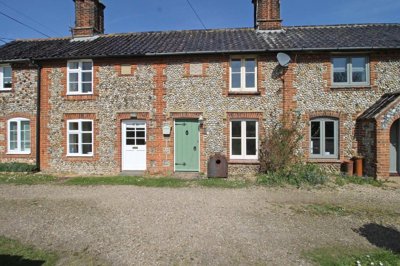
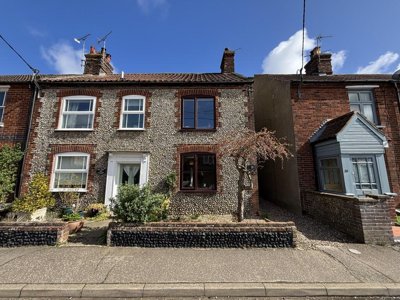
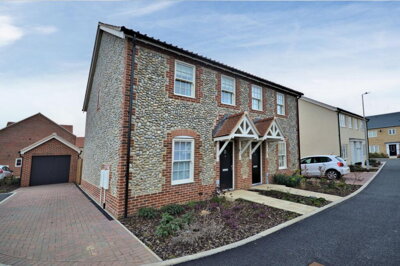
Browse 4 rental homes to rent in Holt from local letting agents.
The 2 bed house market features detached, semi-detached, and terraced properties with two separate bedrooms plus living spaces. Properties in Holt range from Victorian and Edwardian period homes to modern new builds, with pricing varying across different neighbourhoods.
The Holt property market has shifted quite a bit over recent years, and renters have gained more breathing room than buyers. Average house prices in Holt sit at roughly £355,000 to £465,000 depending on the data source, a correction of around 9% from previous peaks. For renters, that makes entry into an area long known for premium prices a little easier, helped by its desirable setting and tight housing supply. The NR25 postcode area recorded 124 residential property sales over the past year, and detached homes made up nearly 40% of all transactions. That change in the sales market is starting to feed through to lettings too, as some owners who might once have sold are now choosing to rent their homes out.
Rental stock in Holt mirrors the town’s varied housing mix. Detached houses attract the highest rents, usually with three to five bedrooms, generous gardens and off-street parking. Average prices for detached homes in Holt range from £422,795 to £745,300 depending on source and specification, which translates into monthly rents of around £1,400 to £1,800 for good family houses. Semi-detached homes are often good value for families, with two to three bedrooms within walking distance of the town centre and typical rents of £950 to £1,250 a month. Terraced cottages, many dating from the Georgian and Victorian periods, suit professionals and couples after characterful living, with two-bedroom homes usually letting for £800 to £1,100 per month.
Flats are still thin on the ground in Holt, so they tend to attract strong interest whenever one appears. The average asking price for flats in the NR25 area is about £100,000, which reflects the limited amount of new-build activity in the town centre. That scarcity pushes rental pricing up for the size on offer, and many flats receive several applications within days of being listed. Anyone hoping to secure one needs to move quickly, as holding deposits are often requested while referencing checks are carried out. From a landlord’s point of view, that rarity also helps make rental flats attractive as investments, which in turn keeps turnover low.

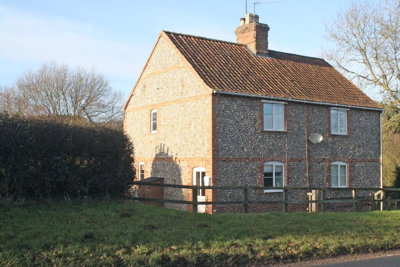
Holt is a classic Georgian market town that has held onto its historic feel while still fitting into modern life. Much of the town dates from the 18th and 19th centuries, with fine brick and flint buildings along the main streets and a market place that remains the centre of everyday activity. Norfolk’s building traditions are visible everywhere, especially in cottages built from locally quarried flint laid in lime mortar, a method used across the region for centuries. Along the principal roads, the cream and grey of Norfolk flint often sits beside red brick detailing, which gives the streetscape extra depth. The Market Place, ringed by historic properties including several Grade II listed buildings, continues to host regular markets and community events through the year.
The local economy in Holt has a strong independent streak, with retail and hospitality doing much of the heavy lifting. Art galleries, antique dealers and specialist food shops line the main streets, alongside traditional pubs, tea rooms and restaurants that serve locally sourced produce. That mix of independent businesses gives Holt a distinct feel, especially compared with market towns where national chains have taken over the best pitches. Thornes Bakery, which dates back to the Victorian era, is one of the better-known names, as are the boutique shops on the pedestrianised stretch near the church. The art galleries draw visitors from across the region too, with work shown by local and national artists in oil, sculpture and photography.
Being close to the North Norfolk Coast Area of Outstanding Natural Beauty gives Holt a useful base for days out to Blakeney, Cley Next the Sea and Sheringham. Around the town, there is farmland, woodland walking and nature reserves with bitterns, marsh harriers and rare wading birds. The North Norfolk Coastal Path runs through several nearby villages, opening up walks along cliffs, salt marshes and sand dunes. Market days, seasonal festivals and local events keep the social calendar busy, so there is usually something on in or around the town. Each summer, the Holt Festival brings together artists, musicians and performers for a lively celebration of the town’s creative side.

Families in Holt have a decent spread of education options, from primary school onwards. The town itself has primary schools that serve the local catchment, and several well-regarded schools sit within easy reach of the centre. For younger children, that often means smaller class sizes and more individual attention than is usually found in bigger urban schools. Parents moving to Holt often point to the standard of local education as a major reason for choosing the area, along with the community-minded approach that shapes day-to-day school life. Strong links between the primary schools, parents and the wider community help support those positive reputations.
One of the most important educational names in the area is Gresham's School, a prestigious independent boarding and day school on Cromer Road at the eastern edge of Holt. Founded in 1915, it occupies a large campus with historic buildings including the distinctive Quad and Memorial Hall. Its former pupils include W.H. Auden, Rowan Williams and members of notable British families, which says plenty about the school’s reputation for academic standards and character. The school also supports the local economy by providing jobs for teaching staff, support workers and ancillary teams, with many of them living in Holt or nearby villages. For families looking at independent education, Gresham’s offers day and boarding places from early years through to sixth form, with fees that match its status.
For state secondary education, most students travel to nearby towns where there is a broader choice of schools and sixth form colleges. Cromer, about 10 miles from Holt, can be reached using school transport that serves the town centre and surrounding residential areas. Families can choose between state and independent options in the wider area, which adds flexibility. That transport network gives Holt pupils access to more secondary schools than they would have in a more isolated rural spot. For many parents, that balance between small-town living and decent education choices is one of Holt’s real strengths.

Holt sits in North Norfolk, with road links that connect the town to nearby villages and the rest of the county. The A148 runs close by, giving access to King's Lynn to the southwest and Cromer to the east. For longer journeys, the A11/M11 corridor links Norfolk with Cambridge and London, although car travel to the capital usually takes more than two hours. The B1149 also runs north-south through the town, linking to coastal villages and inland to Norwich via the Aylsham bypass. By car, Norwich is generally 45 minutes to one hour away depending on traffic, which keeps occasional city trips manageable for people based in Holt.
Bus services from Holt connect the town with Cromer, Norwich and the villages along the coast. They are aimed more at local trips than long-distance commuting, so the timetable works better for shopping or seeing friends than for the daily office run. Sheringham, Cromer and the Blakeney Point area are all reachable by bus, which makes beach days easy enough without a car. For rail travel, Cromer railway station, around 10 miles from Holt, runs hourly services on the Bittern Line to Norwich, with the journey taking about 35 minutes. From Norwich, trains to London Liverpool Street take around two hours, so the rail option can still work for the odd commute if working patterns are flexible.
For flights, Norwich Airport gives access to Amsterdam Schiphol and onward links to destinations across the world. Domestic routes to Edinburgh, Manchester and the islands are also available. A lot of Holt residents mix remote work with occasional office visits, and for many the quality of life on the coast outweighs the inconvenience of being away from the biggest employment centres. North Norfolk’s improving broadband helps that pattern, although tenants should still check the speeds available at any individual property before they commit. Several villages between Holt and the coast have also benefited from better digital connectivity, which makes working from home far more realistic than it once was.

Before viewing properties in Holt, we recommend getting a rental budget agreement in principle from a lender or an affordability check from a letting agent. That gives a clear idea of what rent can be afforded and shows landlords that the applicant is serious. Most agents and private landlords will want proof of income, and it is common to look for annual earnings of at least 2.5 to 3 times the monthly rent. Credit reference checks are standard too, so it is wise to check that your credit history is accurate before applying. Self-employed applicants may need to provide two to three years of accounts or tax returns to show that income is steady.
It pays to spend time looking at the different parts of Holt and the surrounding area before booking viewings. Think about school access if you have children, transport links if you travel regularly, and whether you want the buzz of the centre or a quieter spot on the edge of town. The NR25 postcode covers both the centre and nearby villages, and each area has its own character and rental price point. Getting to know those differences helps narrow the search to homes that genuinely fit. We recommend driving or walking around at different times of day, so noise, traffic and the feel of the community are easier to judge before choosing a location.
Local letting agents can arrange viewings for homes that match your brief. During those visits, look closely at the condition of the property, check for damp or structural concerns, and ask how long the tenancy runs for. Take photographs for reference and make a note of any questions to raise with the landlord before you decide. In Holt’s period homes, it is sensible to inspect sash windows, original fireplaces and floorboards, as these often show how well a property has been looked after. The heating system matters too, because older houses may have costly boilers that affect your monthly outgoings.
Once you have found a property you want, the letting agent will usually guide you through the application. That normally means filling in a form, providing ID and proof of income, and authorising referencing checks. It is worth moving fast, because desirable Holt properties can attract several applications within days of listing. Having your paperwork ready, including proof of identity, proof of address and recent bank statements, helps the process move along more smoothly. Some landlords may ask for a guarantor who owns property in the UK, especially if you are new to renting or have a limited credit history.
If the application goes through, you will receive a tenancy agreement to review. Read it carefully and note the length of the tenancy, rent payment dates and any clauses covering maintenance responsibilities. The deposit will be protected in a government-approved scheme within 30 days of the tenancy start date, and we would expect written confirmation of that from the landlord or agent. In Holt’s period properties, the agreement may include specific points about caring for traditional features or about alterations to listed buildings. Check your responsibilities for garden maintenance and any shared areas before you sign.
Set your move-in date with the landlord or letting agent as early as you can. A professional inventory check is often worth booking, as it records the condition of the property at the start of the tenancy and helps protect both sides if there is a dispute later. That inventory should include detailed notes and photographs of each room, fixtures and any existing damage. Removal firms should be booked well ahead of time, particularly if you are coming from a distance, because Holt’s narrow streets can make access awkward for larger vehicles. You will also need to contact utility suppliers for gas, electricity and water, and tell your council tax provider your new address.
Renting in Holt brings a few local issues that do not always crop up in urban areas. Much of the housing stock is period property built before modern building regulations came in. We would suggest checking carefully for damp, especially on the ground floor and in basements, and looking at the condition of older roofing materials such as slate and tile. Flint construction is attractive, but it needs specialist care and repair, so it is sensible to ask about the property’s recent maintenance history before signing up. It is also wise to check whether any previous damp problems have been treated and whether ventilation has been improved to suit older building methods.
Listed buildings need a careful approach. Holt has plenty of Grade II listed properties where local planning authority consent is needed before alterations, even for things like picture hanging or putting up shelving. These homes can also come with limits on pets, smoking and the type of fixtures and fittings that are allowed. Before signing for a listed property, make sure you know what changes are permitted and whether the landlord’s approval is needed for any adjustments. Conservation area rules may also affect the external look of the property and what can be done under permitted development, so tenants can find themselves with less freedom than in a standard rental. In some cases, there are extra requirements around double glazing and external alterations too.
Flood risk is usually lower in Holt than in the coastal parts of North Norfolk, but it is still worth checking. Homes near watercourses or in low-lying spots may face more risk during heavy rainfall, although detailed flood information for individual Holt properties is limited. Ask the landlord or agent about any flood history and whether prevention measures have already been installed. Energy efficiency is just as important, since older houses can cost more to heat than newer ones. An EPC rating gives a clear guide to expected energy costs and helps with budgeting for a move to Holt. Properties with solid walls usually cost more to run than modern cavity-wall-insulated homes, so that needs to be built into the numbers.

Rental price data for Holt is not published in quite the same way as house prices, but rents still track the local market where average house prices run from around £355,000 to £465,000 depending on the source. Two-bedroom period cottages often let for £800 to £1,100 per month, while larger family homes with three to four bedrooms usually command £1,200 to £1,800 a month. Detached homes in good condition close to the town centre sit towards the top of those ranges, while more modest places can be cheaper. Flats in Holt remain scarce, and that limited supply keeps prices competitive for the few that come onto the market. We recommend speaking with local letting agents for the latest rental figures, as the market changes through the year.
For council tax, properties in Holt fall under North Norfolk District Council. The council has kept rates relatively competitive compared with many urban authorities, and Band D council tax sits at a level that reflects the district’s aim of providing good services while staying manageable for residents. Most rental homes in the town fall within bands B through E, with Band D typical for standard three-bedroom family houses. The make-up of property types in North Norfolk shows detached homes at nearly 40% of the housing stock, semi-detached at around 26% and terraced at 25%, so rental homes cover the full range of council tax bands. You can check the exact band for any property on the North Norfolk District Council website or ask your letting agent before you commit.
Families in Holt and the wider North Norfolk area have a solid spread of schooling options. Gresham's School on Cromer Road is a highly regarded independent school offering day and boarding places from early years through to sixth form, with a strong reputation for academic standards and a broad extracurricular programme covering arts, sport and music. Founded in 1915, it sits on a large campus and has educated alumni including W.H. Auden and Rowan Williams, which reflects its place in British education. For state education, primary schools in Holt and the nearby villages give families good local choices, and smaller class sizes often allow for more individual attention. Secondary places are available in Cromer and across North Norfolk, with school transport running from Holt’s residential areas, and some families choose independent schools for older children.
Public transport from Holt is mainly built around local trips rather than daily city commuting. Bus routes run between Holt, Cromer and Norwich, while Cromer railway station, about 10 miles away, offers services on the Bittern Line to Norwich with links into the wider rail network. The train from Cromer to Norwich takes roughly 35 minutes, and onward journeys to London take about two hours, so occasional commuting can work for flexible workers. Norwich Airport, around 30 miles from Holt, has domestic flights and international connections via Amsterdam Schiphol. For most people working in places such as London or Cambridge, car travel or a mix of rail and driving is still needed, although remote working has made the arrangement more practical.
Holt is widely seen as a very good place to live, bringing together the charm of a Georgian market town with easy access to coastline and countryside. There is a strong community feel, backed by independent shops, cafes and pubs that keep the town lively all year. Rental homes are usually well-kept period properties with plenty of character, although the limited supply can make competition for the best ones fierce. The market suits anyone after a quieter way of life while still wanting everyday amenities and cultural activities close at hand. The North Norfolk coast and the nearby Areas of Outstanding Natural Beauty are easy to reach, so walking, birdwatching and other coastal pastimes are always on the doorstep.
Renting in Holt usually means paying a security deposit equal to five weeks' rent, capped by law for annual rents under £50,000. That deposit has to go into a government-approved Tenancy Deposit Protection scheme within 30 days of receipt, which gives some comfort that the money is protected and should come back at the end of the tenancy, subject to legitimate deductions. A holding deposit of around one week's rent may be asked for while referencing checks are completed, and if the application succeeds it is usually set against the security deposit or first month’s rent. Other costs to plan for include rent paid in advance, generally one month up front, and any agency fees if you are using a letting agent, although many agents now work on a fee-free basis for tenants after recent legislation changes.
Many of Holt’s rental homes are Georgian or Victorian period properties, built with traditional materials such as brick, flint and lime mortar. They often need more looking after than modern homes and can come with quirks like uneven floors, single-glazed windows and older heating systems that affect efficiency. Before renting, it is sensible to check that the property has been kept in good repair and ask about any recent work to insulation, heating or roofing that deals with the problems of older construction. Listed homes may also restrict pets, smoking and permitted alterations, so the tenancy terms need a careful read. Older properties can have EPC ratings well below modern equivalents, which means heating costs should be built into the budget, particularly where solid walls cannot be cavity insulated.
People living in Holt and commuting to major cities usually depend on the car, with the A148 providing access to King's Lynn and the A11/M11 corridor linking on to Cambridge and London. By road, London can take more than two hours, so everyday commuting is not realistic for most workers, though the odd office visit is manageable with flexible working. For rail journeys, Cromer station is about 10 miles away, with hourly trains to Norwich taking around 35 minutes and onward services to London taking roughly two hours from Norwich. Norwich Airport, around 30 miles from Holt, offers domestic flights and international links via Amsterdam for longer trips. A lot of Holt residents now work in hybrid patterns, mixing remote work with the occasional office day, which makes the distance from the main employment centres far less of a barrier.
From 4.5% APR
We can help you get pre-approved for your rental budget before you start searching. That gives you a clearer picture of what rent fits your income and circumstances.
From £30
We carry out referencing checks so landlords can assess an application properly. Credit reference agencies help us verify identity, income and rental history.
From £350
Our professional survey for modern and older homes looks at the overall condition and spots defects that may not be obvious during a viewing. It is a practical check before you commit.
From £60
An Energy Performance Certificate for the property shows expected energy costs and the home’s environmental impact. It is worth looking at before you sign up.
Budgeting for a rental home in Holt means thinking about more than the monthly rent. Security deposits are a major upfront cost, usually five weeks' rent and capped by legislation for properties with annual rents below £50,000. The deposit has to be protected in a government-approved scheme within 30 days of the tenancy start date, which gives protection if there is a later dispute about damage or unpaid rent. Get written confirmation that the deposit has been protected, and read up on how you reclaim it when you move out. If there is disagreement over deductions, the deposit protection schemes offer a free dispute resolution process between tenant and landlord.
Moving costs also need to be worked into the figures. Professional removals into Holt, especially from a city, can be expensive depending on how much needs to be shifted. If the property is unfurnished, furniture and white goods can run to several thousand pounds for a family home very quickly. Gas, electricity, water and broadband connection charges can also build up, particularly where installation is needed rather than a simple switch. Setting up home internet in rural North Norfolk may mean checking which providers serve the exact address, because some properties have limited high-speed options. We recommend checking availability with providers before you commit to a tenancy in the more rural parts around Holt.
Ongoing renting costs in Holt usually include council tax, utility bills, contents insurance and general upkeep within the terms of the tenancy. Homes with poorer energy efficiency ratings cost more to heat, so checking the EPC before signing is a sensible move. For a three-bedroom period property in North Norfolk, average energy bills might be £150 to £250 per month depending on use and the heating system’s efficiency, with solid-wall homes generally sitting towards the higher end. Some rentals include water rates and communal maintenance in the rent, while others leave tenants to arrange and pay separately. Contents insurance is still important for protecting belongings, and premiums in rural areas can be competitive because crime rates are often lower, though flood risk may push costs up in certain locations.
Properties to Rent In London

Properties to Rent In Plymouth

Properties to Rent In Liverpool

Properties to Rent In Glasgow

Properties to Rent In Sheffield

Properties to Rent In Edinburgh

Properties to Rent In Coventry

Properties to Rent In Bradford

Properties to Rent In Manchester

Properties to Rent In Birmingham

Properties to Rent In Bristol

Properties to Rent In Oxford

Properties to Rent In Leicester

Properties to Rent In Newcastle

Properties to Rent In Leeds

Properties to Rent In Southampton

Properties to Rent In Cardiff

Properties to Rent In Nottingham

Properties to Rent In Norwich

Properties to Rent In Brighton

Properties to Rent In Derby

Properties to Rent In Portsmouth

Properties to Rent In Northampton

Properties to Rent In Milton Keynes

Properties to Rent In Bournemouth

Properties to Rent In Bolton

Properties to Rent In Swansea

Properties to Rent In Swindon

Properties to Rent In Peterborough

Properties to Rent In Wolverhampton

Enter your details to see if this property is within your budget.
Loans, cards, car finance
Estimated property budget
Borrowing + deposit
You could borrow between
Typical borrowing
Monthly repayment
Est. at 4.5%
Loan-to-value
This is an estimate only. Your actual budget may vary depending on interest rates, credit history, and personal circumstances. For an accurate affordability assessment, speak to one of our free mortgage advisors.
This calculator provides estimates for illustrative purposes only and does not constitute financial advice. Your home may be repossessed if you do not keep up repayments on your mortgage. Estimates based on 4.5% interest rate, repayment mortgage. Actual rates depend on your circumstances.
Homemove is a trading name of HM Haus Group Ltd (Company No. 13873779, registered in England & Wales). Homemove Mortgages Ltd (Company No. 15947693) is an Appointed Representative of TMG Direct Limited, trading as TMG Mortgage Network, which is authorised and regulated by the Financial Conduct Authority (FRN 786245). Homemove Mortgages Ltd is entered on the FCA Register as an Appointed Representative (FRN 1022429). You can check registrations at NewRegister or by calling 0800 111 6768.

We use cookies to show you personalised content and improve your experience of our website. Find out more in our Privacy policy and Cookie policy.