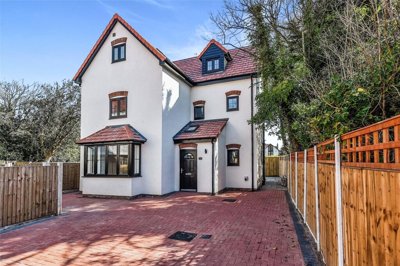
Browse 1 rental home to rent in Hightown, Sefton from local letting agents.
The Hightown property market offers detached, semi-detached, and terraced houses spanning various price ranges and neighbourhoods. Each listing includes detailed property information, photographs, and direct contact with the marketing agent.
£0/m
0
0
0
Source: home.co.uk
Showing 0 results for Houses to rent in Hightown, Sefton.
Hightown's housing market is small but surprisingly well defined, which matters if you want to rent in an area where stock can move quickly. homedata.co.uk shows an overall average price of £314,000, with detached homes at £492,000, semi-detached homes at £280,000, terraced homes at £206,000 and flats at £139,000. Over the last 12 months, prices have risen 3.3% overall, with detached homes up 4.9%, semi-detached homes up 2.6%, terraced homes up 2.0% and flats up 1.5%. That pattern points to steady demand, especially for larger homes that suit families and longer-term renters.
New-build activity is limited, but home.co.uk currently shows The Pastures, off Alt Road in Hightown, with 3 and 4-bedroom detached and semi-detached homes from £299,995 to £439,995. Even though that scheme is for buyers, it gives a good sense of the premium attached to modern homes in the village. Smaller infill homes may appear from time to time, yet much of the rental supply is likely to come from established houses rather than big apartment blocks. For renters, that usually means fewer listings, stronger competition for the right home, and a market where condition and location can matter as much as headline price.

Hightown is a small coastal village rather than a major urban centre, and that shapes almost everything about daily life. The ward population is around 2,200, with roughly 900 households, so the community feels compact and recognisable. Housing stock is weighted towards detached and semi-detached homes, with estimates of about 35-40% detached, 40-45% semi-detached, 10-15% terraced and 5-10% flats. That mix is typical of a suburban coastal settlement where space, gardens, and quieter streets are part of the appeal.
Traditional red brick construction is common here, often paired with slate or tile roofs, while some older homes include render or pebble dash finishes. The area also has a layered housing profile, with pre-1919 properties in smaller numbers, a notable amount of inter-war and post-war stock, and more modern homes from the late 20th century onwards. The geography brings advantages and trade-offs, since clay and mixed soils can create shrink-swell risk, while the coast and the River Alt increase flood awareness. No major concentrations of listed buildings or designated conservation areas sit directly in the main residential parts of Hightown, so the village keeps a practical, lived-in feel rather than a heavily preserved one.
The research supplied for Hightown does not include a verified shortlist of individual schools, so I will not invent one. What I can say is that the village is small enough for catchment choices to matter, because the pool of nearby homes is limited and many families compare options across the wider Sefton coast. Parents usually check Sefton Council admissions maps, current Ofsted reports, and the exact walking route from the front door before they commit to a tenancy. That is especially useful if you need a reliable school run and are balancing it against rail commuting.
Families renting in Hightown often look beyond the village core and consider schools in nearby Formby and Crosby as part of a wider search. That broader approach makes sense in a compact area where housing is mostly detached and semi-detached, and where the right school address can influence how long people stay in a home. If you are moving with children, ask the agent how the property sits relative to current catchments, breakfast clubs, and after-school transport. A quick check now can save a lot of reshuffling later, especially if you plan to rent for more than one academic year.

Commuting is one of Hightown's strongest selling points, because the village works well for people who want a coastal home with access into Liverpool. The research identifies Merseyrail links as a key economic driver, and that lines up with the way the area functions as a residential commuter base. Rail access gives renters a practical route into the city region without needing to live in a dense urban neighbourhood. For many households, that balance between village living and city access is exactly what makes Hightown stand out.
Road travel is also part of the picture, although the village is not shaped like a major road hub, so planning ahead matters more here than in larger towns. Parking pressure can rise near the station, around busy school-run periods, and close to properties that attract visitors heading to the coast. Cycling can work for local trips, but surface conditions and weather exposure are worth considering because this is an open, coastal setting. If you commute daily, think about the door-to-door journey rather than just the train line, since the quiet lifestyle can come with a little more planning.
Start by checking which part of Hightown suits your routine, because the coastline, River Alt edge, and village centre each create a different day-to-day feel. Compare access to rail, parking, local shops, and any school run you need to make.
Get a rental budget agreement in principle before you book viewings, so you know your realistic monthly ceiling and upfront cash position. That keeps you from wasting time on homes that sit outside your comfort zone.
Ask about heating, insulation, broadband, parking, garden drainage, and any signs of damp or salt exposure. In a small market like Hightown, the best homes can go quickly, so arrive prepared.
Review the tenancy terms, deposit protection, inventory, and any permitted payments before you agree to anything. If the property is a flat, ask how management is handled and whether service standards are consistent.
Before you take the keys, check meter readings, appliance condition, and the check-in report line by line. That is the best way to avoid disputes later, especially in homes where weather exposure or older construction can affect condition.
Once you have signed, organise council tax, utilities, and any broadband transfer so the move runs smoothly. A calm first week makes a big difference, particularly if you are combining the move with work or school starts.
Hightown's coastal position means renters should look carefully at damp, ventilation, and external maintenance before signing a tenancy. The local geology includes till, which brings moderate to high shrink-swell potential, so look for hairline cracks, sticking doors, and signs that a property has been moving with wet and dry weather. Homes near the coast can also show more wear on paintwork, timber, and roof coverings because of salt air and wind exposure. A quick visual check at the front, rear, and side of the building can reveal more than a polished viewing ever will.
Flood awareness matters here too, because parts of Hightown sit near the River Alt and the coast, with risk from river flooding, coastal flooding, and surface water in heavy rain. If the property is low-lying, ask where water sits after storms and whether drainage has ever been improved. Flats deserve a separate conversation about service charges, management quality, and maintenance response, even though ground rent and owner costs sit with the landlord rather than the tenant. That kind of detail helps you judge the real living standard, not just the headline rent.
Older homes are part of the appeal in Hightown, but older construction can hide practical issues that matter to tenants. Slate and tile roofs should be checked for slipped coverings or patch repairs, and timber elements need a look for rot or historic damp damage. If the house feels solid but slightly tired, ask what has been replaced recently and whether the landlord has records for roof, boiler, or window work. A good rental home here should feel dry, well ventilated, and ready for coastal living rather than just freshly painted.

Renting costs in England are tightly controlled, so the first thing to check is what is actually permitted. In most tenancies, the holding deposit is capped at one week's rent, and the tenancy deposit is usually capped at five weeks' rent, unless the annual rent is very high. You should not be charged broad admin fees, so ask for every cost in writing before you pay anything. That makes it much easier to compare landlords and agents on a like-for-like basis.
Upfront money usually goes beyond the deposit, because you may also need the first month's rent, referencing costs if they are permitted through a service, and any moving expenses tied to furniture, removals, or utilities. If you are moving into a flat, factor in the quality of the building management, because poorer maintenance can show up later as extra hassle rather than an obvious line item. A clear inventory and check-in report are worth insisting on, since they protect you if a dispute comes up at the end of the tenancy. For renters new to Hightown, the safest approach is to budget for the monthly rent, the deposit, and a little cushion for the practical costs that always appear in the first few weeks.
The research pack for Hightown does not include a verified live average rent, so I would not guess at a figure. What I can verify is the wider property backdrop, where homedata.co.uk shows an average value of £314,000, with detached homes at £492,000 and flats at £139,000. That tells you the village is positioned as a higher-value coastal commuter area rather than a low-cost rental pocket. For a monthly figure, check current home.co.uk listings and use a rental budget agreement in principle before arranging viewings.
Hightown sits within Sefton Council, and the council tax band depends on the exact property, not just the village name. Smaller flats usually sit lower than detached family houses, but you need the address to confirm the precise band. Ask the agent or landlord for the current band before you commit, because it affects your monthly outgoings. If the home is older or larger, the band can be a meaningful part of your budget.
I do not have a verified school ranking for Hightown in the supplied research, so I cannot name a best school with confidence. Families usually check current Ofsted reports, Sefton admissions maps, and nearby options in the wider Formby and Crosby area. Because Hightown is small, catchment and transport can matter more than they do in a larger suburb. If you are renting with children, test the school run before you sign.
Hightown is one of the better-connected villages on the Sefton coast for rail travel, with Merseyrail forming a key part of local commuting. That makes it attractive for renters working in Liverpool or moving around the Liverpool City Region. Bus links and road access help with local trips, but the village is not a transport interchange, so planning still matters. Parking and peak-time timing are worth checking if you expect to travel every weekday.
For renters who want a quieter coastal setting with city access, Hightown is a strong fit. The market looks steady, with homedata.co.uk showing 3.3% annual price growth overall and about 107 sales in the last 12 months, which points to healthy demand. The village feels more residential than urban, so it suits people who want space, a calmer pace, and a commuter-friendly base. If that mix matches your lifestyle, Hightown has a lot going for it.
Most renters in England will pay a holding deposit of up to one week's rent and a tenancy deposit of up to five weeks' rent, subject to the rules that apply to your tenancy. You should also expect the first month's rent in advance, plus any moving and utility costs. Broad admin fees are not normally allowed, so every charge should be clear and permitted. Ask for the full cost breakdown before you submit an application, especially if you are comparing several homes.
Yes, because parts of Hightown are close to the coast and the River Alt, which brings river, coastal, and surface water considerations. That does not mean every property is at risk, but it does mean you should ask the landlord about drainage, historic flooding, and how the home behaves after heavy rain. Ground-floor homes and low-lying streets deserve extra attention. A quick check now can save a lot of stress later.
From 4.5%
Compare monthly affordability and set the right viewing limit
From £499
Speed up checks and make your tenancy application stronger
From £350
Useful for older rented houses and before moving
Have ID, proof of income, references, and a clear idea of your move date ready before you enquire. In a small, sought-after village market, being organised can make your application stand out.
Two properties with the same rent can feel very different in Hightown, especially near the coast or closer to the station. Look at flood exposure, parking, and daily journey times as part of the decision.
Check for damp, roof wear, ventilation, and signs of past repairs, especially in older red brick homes. Ask how often the landlord has dealt with maintenance and whether the property has had any weather-related issues.
Make sure the deposit amount, holding deposit, break clause, and inventory process are all explained before you pay anything. If the property is a flat, ask who handles repairs and how quickly issues are usually resolved.
Set aside money for the deposit, first rent payment, removals, and setup costs for utilities or broadband. A little extra cash reserve makes the first month easier, especially if you are moving with children or working around a commute.
Properties to Rent In London

Properties to Rent In Plymouth

Properties to Rent In Liverpool

Properties to Rent In Glasgow

Properties to Rent In Sheffield

Properties to Rent In Edinburgh

Properties to Rent In Coventry

Properties to Rent In Bradford

Properties to Rent In Manchester

Properties to Rent In Birmingham

Properties to Rent In Bristol

Properties to Rent In Oxford

Properties to Rent In Leicester

Properties to Rent In Newcastle

Properties to Rent In Leeds

Properties to Rent In Southampton

Properties to Rent In Cardiff

Properties to Rent In Nottingham

Properties to Rent In Norwich

Properties to Rent In Brighton

Properties to Rent In Derby

Properties to Rent In Portsmouth

Properties to Rent In Northampton

Properties to Rent In Milton Keynes

Properties to Rent In Bournemouth

Properties to Rent In Bolton

Properties to Rent In Swansea

Properties to Rent In Swindon

Properties to Rent In Peterborough

Properties to Rent In Wolverhampton

Enter your details to see if this property is within your budget.
Loans, cards, car finance
Estimated property budget
Borrowing + deposit
You could borrow between
Typical borrowing
Monthly repayment
Est. at 4.5%
Loan-to-value
This is an estimate only. Your actual budget may vary depending on interest rates, credit history, and personal circumstances. For an accurate affordability assessment, speak to one of our free mortgage advisors.
This calculator provides estimates for illustrative purposes only and does not constitute financial advice. Your home may be repossessed if you do not keep up repayments on your mortgage. Estimates based on 4.5% interest rate, repayment mortgage. Actual rates depend on your circumstances.
Homemove is a trading name of HM Haus Group Ltd (Company No. 13873779, registered in England & Wales). Homemove Mortgages Ltd (Company No. 15947693) is an Appointed Representative of TMG Direct Limited, trading as TMG Mortgage Network, which is authorised and regulated by the Financial Conduct Authority (FRN 786245). Homemove Mortgages Ltd is entered on the FCA Register as an Appointed Representative (FRN 1022429). You can check registrations at NewRegister or by calling 0800 111 6768.

We use cookies to show you personalised content and improve your experience of our website. Find out more in our Privacy policy and Cookie policy.