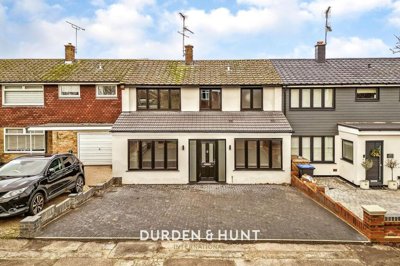
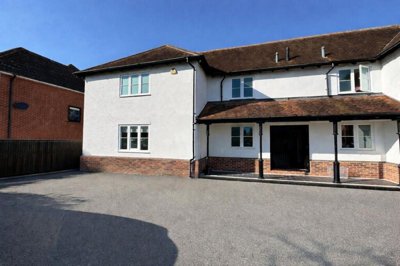
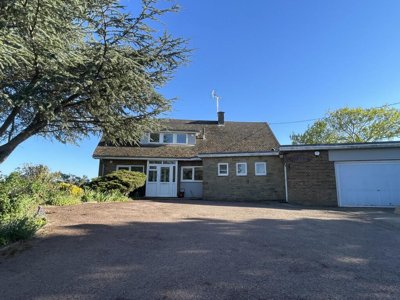
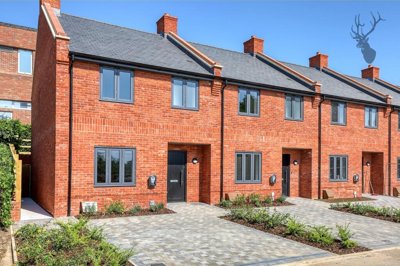
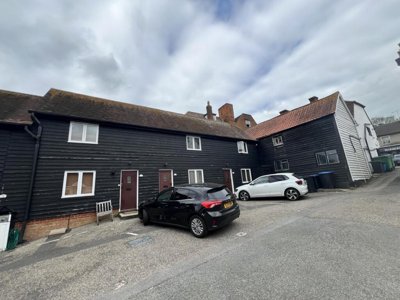
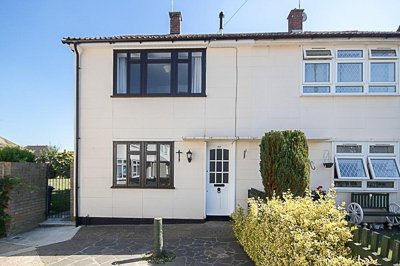
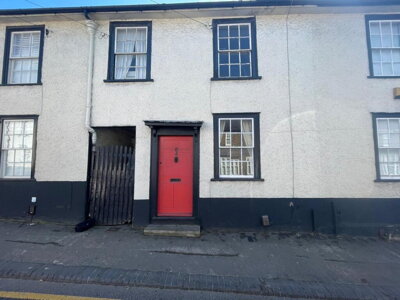
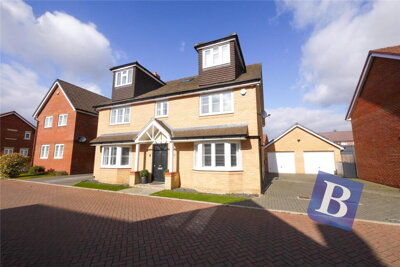
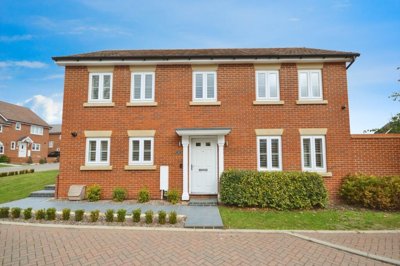
Browse 9 rental homes to rent in High Ongar from local letting agents.
The High Ongar property market offers detached, semi-detached, and terraced houses spanning various price ranges and neighbourhoods. Each listing includes detailed property information, photographs, and direct contact with the marketing agent.
High Ongar does not have a deep pool of rental listings at the moment, so we use the sales market to help fill in the picture for renters. home.co.uk reports an overall average property price of £687,857 in the area, with detached homes at around £754,000 and semi-detached properties averaging £665,000. There is some variation in the wider data, with homedata.co.uk recording £490,000 and home.co.uk showing £485,000 as of early 2026, which points to a market still adjusting. On the lettings side, the overall average rent in High Ongar is £1,119 pcm, with a median of £650 pcm across 11 active listings. That rental market tends to reflect the space and character found in village homes. Sales values have also moved sharply, with prices down between 18% and 45% over the past 12 months according to various sources, and that may feed into landlord pricing and day-to-day affordability.
Across High Ongar, rental stock usually centres on terraced cottages, semi-detached family houses and larger detached homes with gardens. Recent sales figures show semi-detached homes made up 66.7% of transactions in 2025, so this is clearly the dominant local type. In the current market, semi-detached homes reach an average rent of £2,325 pcm, which points to stronger values for bigger family properties. Much of the village housing is historic, with homes from the 17th, 18th, and 19th centuries built in traditional forms such as timber-framed construction, solid brick walls and weather-boarded exteriors. Renters looking in the CM5 postcode should also be aware that High Ongar has seen little new build development in recent years, so most available homes are likely to be period properties with older features.
The conservation area around The Street and the nearby lanes shapes both what landlords can provide and what tenants are likely to find. High Ongar's older stock includes Georgian and Queen Anne houses, thatched cottages and artisan-built homes from the 18th century. Many rentals are listed buildings, or sit within the conservation area, so any changes can be subject to planning restrictions. We regularly talk tenants through those points before they commit to a tenancy in period villages such as High Ongar, so the limits are clear from the outset.

Life in High Ongar has a particular Essex village feel, and much of it revolves around The Street. The centre carries conservation area status, which helps protect its long-established character, and the mix of timber-framed and weather-boarded buildings gives the village a look that has changed very little over generations. Along the High Street and surrounding lanes, residents have the basics close at hand, including a primary school dating from 1871, village pubs that double as social anchors, and restaurants in historic premises. The Forrester's Arms, established in the late 18th century, sits among those traditional spots and helps give many homes an easy walking connection to the social life that long-term residents value.
Food options in High Ongar suit the setting. Cucina Italiana occupies the former Red Lion, a building from the mid-17th century, and Sanuk Thai trades from the former Rectory, another 1600s property. Those places give residents local choices without a trip into town, although plenty of people still head to nearby Ongar, Epping, or Chelmsford for a wider range. There is no large supermarket in the village, but regular mobile library visits and local shops cover day-to-day needs. Across the parish, the population is approximately 1,427, and the events held through the year mean renters looking for a real village community often find one here.
For outdoor time, High Ongar benefits from its place within the wider Epping Forest district. Residents are within easy reach of woodland and open countryside, with miles of routes for walking and cycling across rural Essex. Horse riding, golf and longer country walks are all part of the local draw, while nearby towns keep urban services within reach. Public footpaths branch out from the village across farmland and woodland towards neighbouring communities. It is a small place, and that matters. People tend to settle in, get to know their neighbours and feel part of the place in a way that is harder to find in more suburban settings.

Schooling in the village begins with High Ongar Primary School, a Victorian school established in 1871 for local children and nearby villages. It occupies a historic building within the village's cluster of listed buildings, so the setting is as traditional as the village itself. Parents should check current catchment boundaries and admissions rules directly with Essex County Council, because village schools often work to tight geographic areas. The building and its long history reflect more than a century and a half of local education, with generations of families having attended the same school.
For secondary education, most High Ongar families look beyond the village to Ongar, Epping, or Chelmsford. A number of schools and sixth form colleges in those towns have solid reputations for results and extracurricular activities. Epping also brings grammar school options into the picture for pupils who are suited to that route, although entry depends on passing the 11-plus. For renters, the practical side matters just as much as the headline choice, because school travel often means car journeys or bus services with limited timetables.
Families arriving from larger urban areas often find the school setup takes a bit of getting used to. The nearest secondary schools are in surrounding towns, and the trip is usually around 20-30 minutes by car depending on traffic and the school itself. Some households choose independent schools in the wider area instead, but that brings extra cost and a longer-term commitment. Before taking on a tenancy in High Ongar, we always suggest confirming school availability so there is no unnecessary disruption to a child's education.

Getting around from High Ongar is mainly a matter of roads and a modest bus network, because the village has no railway station of its own. The nearest National Rail stations are in surrounding towns, where services run towards London Liverpool Street and Cambridge, with journey times depending on where you join the network and where you are heading. Bus routes link High Ongar with nearby villages and market towns, but they are not frequent by urban standards, usually running hourly on weekdays, with a reduced service on Saturday and very little on Sunday. For most commuters heading to London or another major employment centre, that means using a car or combining bus and rail.
The A414 is the key road link for High Ongar, connecting the village with Chelmsford, Harlow and the M11 motorway network. That location gives the area its semi-rural feel within Epping Forest district, but it also means day-to-day travel for work and shopping needs some planning. Chelmsford is roughly 25-30 minutes away by car, and Harlow is about 20 minutes via the A414. From junction 7 near Bishop's Stortford, the M11 opens routes to Cambridge, Stansted Airport and the wider motorway network. Parking is worth checking carefully when renting here, especially in older parts near the conservation area, where some period homes have very limited off-street space.
Country lanes around High Ongar make cycling appealing, though they do need care at busy times when narrow roads are shared with farm traffic and delivery vehicles. Mobile coverage can be patchy in parts of the village because of the rural setting, and broadband speeds may depend heavily on how close a property is to the village cabinet. By car, residents working in Chelmsford, Stansted Airport, or London can usually reach those places in workable time, which is why High Ongar still attracts commuters who want a rural base. During viewings, we advise checking both signal strength and broadband availability so the property fits your day-to-day needs.

Before booking viewings, it helps to pin down your rental budget in principle with mortgage brokers or financial advisors. Knowing what you can comfortably afford narrows the search and shows landlords and letting agents that you are a reliable applicant in a competitive village market. We can also talk through budgeting for High Ongar rentals, including the extra cost considerations that sometimes come with period homes.
Take time to walk around High Ongar itself. Check the amenities, try the transport links, and look into school catchment areas. It is also worth testing the practical details, such as parking, mobile reception and broadband, because those can make a bigger difference in a village than many renters expect. We usually suggest visiting at different times of day and on different days of the week to get a proper feel for traffic, noise and how available local services really are.
Start with current rental listings through Homemove and local letting agents, then book viewings for the homes that fit what you need. While you are there, look beyond décor and assess the condition of the building, the immediate setting and any details that come with older village properties, including conservation limitations and traditional materials. In High Ongar period homes, roofs, windows, damp and signs of subsidence all deserve close attention.
After a property is agreed, the letting agent will usually organise referencing, covering credit history, employment checks and references from previous landlords. Having your paperwork ready in advance can speed the process up and make your application stronger against competing tenants. Where applicants are self-employed or have more complex finances, we find that collecting full supporting documents early can make a noticeable difference.
Read the tenancy agreement with care before signing. Deposit levels, notice periods, repair obligations and any restrictions linked to listed status or a conservation area location all need to be clear. Ask about anything that is uncertain before you commit. In High Ongar's conservation area, it is particularly sensible to confirm what permissions would be required if you wanted to make any changes.
Once the tenancy is in place, the next steps are the practical ones, arranging the move, checking the inventory and updating your address with the relevant organisations. With period homes, we strongly advise having a professional inventory report prepared at the start of the tenancy so the condition of the property is properly recorded and your deposit is protected. That usually costs between £100-200, and it can be money well spent if a dispute arises at the end.
Renting in High Ongar comes with a few points that are specific to historic village homes and conservation controls. A good number of properties sit within or close to the conservation area along The Street, so planning restrictions can affect alterations, extensions and changes to the exterior. In some cases, tenants may need consent from Epping Forest District Council for certain works, which limits how far a rental can be personalised. Homes close to St Mary's Church, and others among the listed buildings on The Street, gain a lot from that setting, but the responsibilities come with it.
The way homes were built in High Ongar matters when you are choosing a rental. Timber-framed houses, weather-boarded elevations and traditional brick construction all appear here, and they do not behave in the same way as newer buildings. Properties from the 17th, 18th, and 19th centuries often have solid walls instead of cavity insulation, older-style windows and period details that need more careful upkeep. It is important to understand what the tenancy agreement says about minor repairs and maintenance, because older homes can call for more regular attention than recent builds. Our surveyors inspect properties across High Ongar and regularly spot issues that matter to both landlords and tenants.
Restrictions linked to the conservation area can affect quite small changes in High Ongar rentals. External paintwork, new fencing and garden structures may all need planning permission from Epping Forest District Council, even where the alteration seems minor. Listed building status adds another layer of control intended to preserve historic character. Before agreeing a tenancy, tenants should be clear on those limits and raise any intended changes with the landlord or letting agent. We also recommend a professional inventory at the start, because for older properties it is especially important to record existing wear and tear before move-in and protect the deposit properly.

There is still only limited rental listing data for High Ongar, so the sales market remains useful for context. Detached homes do not have specific rental data in the current market. Semi-detached properties average approximately £2,325 pcm, while mixed-use properties come in at around £780 pcm. What any individual home achieves will depend on size, condition, garden space and whether it is a modern property or a period one. High Ongar's conservation area setting and historic character often support a premium, although recent market movement may leave room for negotiation. For live availability and pricing, we suggest speaking directly with local letting agents about your specific requirements.
Council tax in High Ongar is charged through Epping Forest District Council, using the usual bands from A to H based on property value. Cottages and period homes in the conservation area can sit in different bands depending on how they have been assessed, and older houses with traditional features do not always line up neatly with modern equivalents. The village has a historic housing stock built in ways that are no longer common, which can influence valuations and the resulting council tax band. Renters should check the position on any specific property with the landlord or letting agent, because council tax is part of the real affordability picture. If you want to look things up before viewing, band details are publicly available on the Valuation Office Agency website.
Families renting in the village usually start with High Ongar Primary School, which serves local children from reception to Year 6 in a Victorian building established in 1871. The school sits within the listed building concentration along The Street and gives the village a traditional primary setting. For older pupils, most households look to Ongar, Epping, or Chelmsford, while some travel to grammar schools in Epping or nearby areas. Catchment rules and admissions criteria should always be checked directly with Essex County Council and with the schools themselves before a tenancy is agreed, because places cannot be guaranteed and boundaries can shift between academic years. Journey times and transport arrangements also need proper thought when judging whether a rental property works for family life.
Public transport is one of the main practical checks for anyone considering a High Ongar rental. The village has no railway station, so the nearest rail connections are in surrounding towns, where services run towards London Liverpool Street and Cambridge. Buses do operate between High Ongar and nearby villages and towns, but frequencies are limited, usually hourly on weekdays, with fewer services on Saturday and almost none on Sunday. For regular travel into London or other major centres, many residents find a car is the practical option. By road, the A414 links the village to Chelmsford, Harlow and the M11, with typical driving times of around 25-30 minutes to Chelmsford and 20 minutes to Harlow in normal traffic.
For renters who want peace, character and a genuine village setting, High Ongar has a lot going for it. The community is small, the architecture is historic, and the surrounding Epping Forest district gives easy access to countryside recreation. Families, couples and single renters can all find the appeal in the heritage buildings, the village atmosphere and the rural Essex setting. With approximately 1,427 residents, it is also the kind of place where neighbours often know each other by name. Still, it is only right to weigh that against the more limited amenities, the frequent need for a vehicle, and the realities of living in or maintaining period homes. Conservation area properties come with restrictions, and those should be understood before any tenancy agreement is signed.
For rental properties in England, the standard deposit is equivalent to five weeks' rent, capped at five weeks' rent where the annual rent exceeds £50,000. Holding deposits used to secure a property are generally limited to one week's rent, and there are rules covering when they can be kept or returned. Depending on the landlord and the letting agent, tenant referencing fees, inventory check costs and contract preparation charges may also come into play. For High Ongar renters, those upfront figures should be part of the budget from the start.
Anyone planning to rent in High Ongar should budget for several upfront costs before the search begins. The main security deposit is equivalent to five weeks' rent and is held in a government-approved deposit protection scheme for the length of the tenancy. It protects the landlord against damage or arrears, while also giving the tenant formal protection over the way the money is handled. On a property let at £1,500 per month, that deposit would be £1,731, which is a substantial sum and one that first-time renters are wise to plan for early.
There can be other costs as well. A holding deposit, usually limited to one week's rent, is commonly taken once a property is accepted, and some landlords or agents may also require referencing fees, inventory check costs or contract preparation charges. First-time renters who find the deposit difficult may want to look at government schemes or guarantor options. In High Ongar, it is also sensible to allow for council tax, utilities, broadband and contents insurance as ongoing costs. Older homes can be more expensive to heat because solid wall construction often means there is no cavity insulation, and conservation area homes may bring particular insurance requirements. The same can apply to timber-framed and weather-boarded buildings in the village, where specialist cover can affect the overall monthly cost.
A detailed inventory report at the start of the tenancy can make a real difference when it is time to move out. It records the condition of fixtures, fittings and any existing wear and tear, which helps protect the deposit, especially in period homes where older features and pre-existing issues are often more visible. The usual cost is between £100-200, and that can be good value if it prevents a dispute at the end of the tenancy. Our recommended inventory service includes detailed photography and written notes for every room and each external area, giving both landlord and tenant a clear record. Once the likely maintenance responsibilities of a period property are also understood, budgeting for the full cost of renting in High Ongar becomes much more straightforward.
Properties to Rent In London

Properties to Rent In Plymouth

Properties to Rent In Liverpool

Properties to Rent In Glasgow

Properties to Rent In Sheffield

Properties to Rent In Edinburgh

Properties to Rent In Coventry

Properties to Rent In Bradford

Properties to Rent In Manchester

Properties to Rent In Birmingham

Properties to Rent In Bristol

Properties to Rent In Oxford

Properties to Rent In Leicester

Properties to Rent In Newcastle

Properties to Rent In Leeds

Properties to Rent In Southampton

Properties to Rent In Cardiff

Properties to Rent In Nottingham

Properties to Rent In Norwich

Properties to Rent In Brighton

Properties to Rent In Derby

Properties to Rent In Portsmouth

Properties to Rent In Northampton

Properties to Rent In Milton Keynes

Properties to Rent In Bournemouth

Properties to Rent In Bolton

Properties to Rent In Swansea

Properties to Rent In Swindon

Properties to Rent In Peterborough

Properties to Rent In Wolverhampton

Enter your details to see if this property is within your budget.
Loans, cards, car finance
Estimated property budget
Borrowing + deposit
You could borrow between
Typical borrowing
Monthly repayment
Est. at 4.5%
Loan-to-value
This is an estimate only. Your actual budget may vary depending on interest rates, credit history, and personal circumstances. For an accurate affordability assessment, speak to one of our free mortgage advisors.
This calculator provides estimates for illustrative purposes only and does not constitute financial advice. Your home may be repossessed if you do not keep up repayments on your mortgage. Estimates based on 4.5% interest rate, repayment mortgage. Actual rates depend on your circumstances.
Homemove is a trading name of HM Haus Group Ltd (Company No. 13873779, registered in England & Wales). Homemove Mortgages Ltd (Company No. 15947693) is an Appointed Representative of TMG Direct Limited, trading as TMG Mortgage Network, which is authorised and regulated by the Financial Conduct Authority (FRN 786245). Homemove Mortgages Ltd is entered on the FCA Register as an Appointed Representative (FRN 1022429). You can check registrations at NewRegister or by calling 0800 111 6768.

We use cookies to show you personalised content and improve your experience of our website. Find out more in our Privacy policy and Cookie policy.