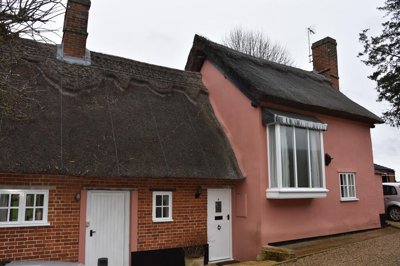
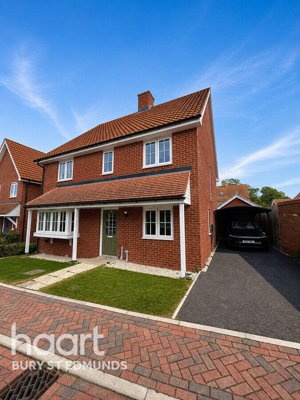
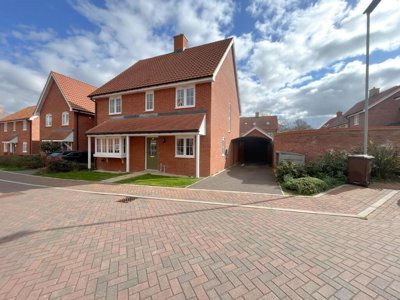
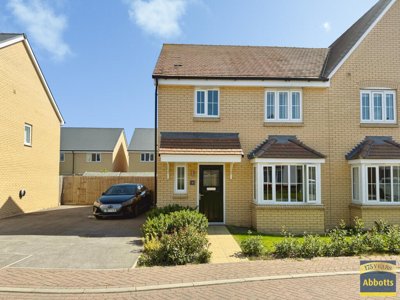
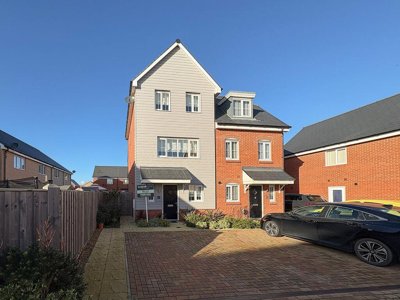
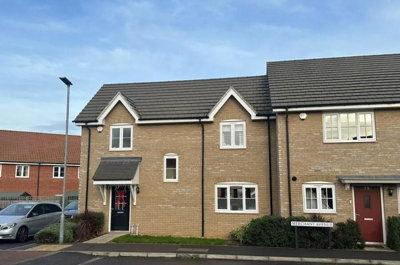
Browse 6 rental homes to rent in Hengrave, West Suffolk from local letting agents.
The Hengrave property market offers detached, semi-detached, and terraced houses spanning various price ranges and neighbourhoods. Each listing includes detailed property information, photographs, and direct contact with the marketing agent.
£0/m
0
0
0
Source: home.co.uk
Showing 0 results for Houses to rent in Hengrave, West Suffolk.
Hengrave's sales market is small, but it moves at a high value level. homedata.co.uk records 92 sales in the last 12 months, an average sold price of £841,100 and a median of £282,500, which tells you the market is heavily influenced by a handful of substantial homes. Recent median prices also show a clear spread, with detached homes around £1,275,000, semi-detached homes near £340,000, terraced homes about £450,250 and flats at £130,000. For renters, that usually means the available stock is character-led rather than mass-market.
Recent activity also points to rarity rather than abundance. There are no active multi-home new-build developments in the specific Hengrave postcode area, although Mill Road has a plot with full planning consent for a single Suffolk character-styled house. That means most rental homes are likely to be older houses, cottages, farm buildings or conversions rather than purpose-built schemes. In a small market like this, having a rental budget agreement in principle ready can help you move quickly when the right property appears.

The village is best understood as a historic Suffolk parish with a rural feel and a strong architectural legacy. Hengrave Hall, built between 1525 and 1538, used stone from Ixworth Priory and white bricks baked at Woolpit, so the local building tradition leans towards solid, older construction. The concentration of listed buildings is notable, from the Grade I listed hall and Church of St John Lateran to cottages, barns, gates and memorials spread through the parish. That heritage gives the area a distinctive look, but it also means repair standards can be higher than in newer estates.
Day-to-day life is quiet, with village roads, open land and easy access to the wider West Suffolk countryside. Because Hengrave is small, most renters use nearby Bury St Edmunds for bigger shops, services and evening options, while returning home to a calmer setting. The local geography is appealing if you like space, older property and a strong sense of place. Our search reflects that reality by focusing on homes that suit people who want rural living without feeling cut off from the town network.
Families moving into Hengrave usually look beyond the parish itself for schooling, because the village is tiny and does not have the sort of school network you would find in a larger town. The most practical approach is to compare nearby primary and secondary options in and around Bury St Edmunds, then check which admissions area fits your chosen address. Catchment lines can be tight in rural Suffolk, so two homes only a short drive apart can open different school choices. If education matters, line up your rental budget agreement in principle early so you can act when a suitable property appears.
The strongest school move is to work from the exact postcode, not just the village name. Admissions teams often look at distance, priority areas and availability before they look at lifestyle appeal, and that is especially true in small villages. If you are relocating with children, ask the agent how transport to school works in winter, where the nearest bus stops are and whether the route is realistic on wet mornings. Those practical details matter more than a broad map view.
Even without a school on the doorstep, Hengrave can work well for households that value a calm home base and are happy to travel for education. The village setting is a good fit for older children and for parents who already know the local school landscape. It also suits renters who want fewer built-up distractions and prefer their home life to feel separate from the school run. If you need nursery or sixth-form provision, widen the search to the neighbouring town before you decide.
Transport is where Hengrave behaves like a proper rural village, not a suburb. Most journeys start by car, with Bury St Edmunds acting as the nearest bigger transport hub for rail, bus links and day-to-day services. From there, commuters can connect into the wider Suffolk and East Anglian network, which makes the village workable for regional travel even if it is not a station-on-the-doorstep location. Parking is usually easier than in the town centre, but narrow lanes and country access roads reward careful driving.
Road connections matter here, and the village sits within reach of the main routes serving West Suffolk. That is useful for anyone heading into Bury St Edmunds, Newmarket, Cambridge or the A14 corridor, especially if work patterns are a mix of office and home days. Public transport is present, but it is best treated as a support service rather than the main commute plan. Renters who depend on late trains or frequent evening buses should check timetables before they commit.

Start with the local road pattern, nearby shops, access to Bury St Edmunds and the style of home you want, because Hengrave is quiet and choice can be limited.
Get a rental budget agreement in principle before you start viewings so you know the monthly rent, deposit and moving costs you can handle.
Character homes in small villages can be snapped up quickly, so arrange viewings as soon as a suitable listing appears.
Have references, ID, proof of income and any guarantor details ready before you apply, especially if the home is one of the village's rarer rentals.
Read the tenancy agreement, inventory, deposit protection details and any maintenance responsibilities before you sign.
Allow time for first month's rent, holding deposit and utilities so the move to Hengrave feels smooth rather than rushed.
Older properties dominate the Hengrave feel, so a viewing should focus on damp, roof condition, windows and any signs of movement. The area has a notable concentration of listed buildings, which often means traditional materials, stricter repair rules and less freedom to alter the layout. In homes of this age, look closely at heating performance, insulation and how easily the house holds warmth through winter. A house that looks charming on the outside can still be expensive to run if the fabric has not been upgraded.
Flood risk and local geology were not clearly identified in the research set, so it is sensible to ask the agent about drainage, any past water issues and whether the property sits near low-lying ground or a ditch. If you are renting a flat or conversion, check service charges, maintenance arrangements and who handles communal repairs, because village conversions can come with more moving parts than a standard terrace. Ground rent may be relevant for some leasehold homes, while older freehold cottages may need more attention to boundary and access rights. A careful viewing here is about practicalities as much as charm.
Parking, broadband and garden upkeep can matter just as much as room count in a place like Hengrave. Narrow lanes, older plots and heritage settings can mean limited off-street parking, shared driveways or constraints on sheds, satellite dishes and external changes. If a home is near one of the listed clusters, ask whether there are conservation-style expectations attached to the street or the wider setting. The more unusual the house, the more valuable a detailed pre-move check becomes.
The main upfront costs are usually the holding deposit, the tenancy deposit and the first month's rent. In England, the tenancy deposit is generally capped at five weeks' rent for most standard tenancies, so the total you need is often more about the rent level than the postcode. That makes a rental budget agreement in principle useful before you view, because it helps you compare homes on the real monthly cost, not just the asking rent. If you are offered extras, check they are permitted under the tenant fee rules before you agree.
Running costs in Hengrave can be influenced by the age and size of the home rather than by the village name alone. Older cottages and detached houses often cost more to heat and maintain than compact modern flats, and the local stock leans towards older properties. If you are thinking a step ahead to buying one day, the current stamp duty thresholds are 0% up to £250,000, 5% from £250,000-£925,000, 10% from £925,000-£1.5 million and 12% above that, with first-time buyer relief up to £425,000 and reduced relief up to £625,000. It is useful context for longer-term movers who may rent first and buy later.
Council tax is set by West Suffolk Council, and the band will depend on the exact property rather than the village as a whole. A compact cottage, a converted flat and a large detached house can fall into very different bands, so ask for the current band on every viewing. Because Hengrave's stock is so varied, council tax should be treated as part of the affordability check, not an afterthought. That is especially true if you are comparing a low-rent older home with a more efficient newer one nearby.
We do not have a verified live average rent for Hengrave in the research set. The best market context comes from homedata.co.uk, which records a median sold price of £282,500 and an average sold price of £841,100 over the last year. That gap shows how sharply the market is skewed by high-value homes, so rents are likely to vary widely by size and character. Check the individual listing and compare running costs as well as monthly rent.
Council tax is set by West Suffolk Council and depends on the exact address. Hengrave's mix of cottages, conversions and detached homes means you will see different bands across the parish. Always ask the agent for the current band before you apply, because a larger older house will usually sit higher than a smaller terrace or flat. It is one of the easiest ways to compare affordability between homes.
The village itself is very small, so most families compare nearby schools in and around Bury St Edmunds. The right choice depends on your exact address, age group and admissions year. Check the latest Ofsted ratings, catchment map and transport route before you commit to a property. If school access is a priority, do that homework before viewings rather than after.
Hengrave is rural, so public transport is useful but not the main reason people live there. Most renters rely on cars and use Bury St Edmunds as the nearest transport hub for rail and wider bus links. That setup works well for regional commuting, but it is not ideal if you need late-night services or very frequent departures. Always test the journey at the time of day you would normally travel.
If you want quiet village living with strong historic character, it can be a very appealing place to rent. homedata.co.uk records 92 sales in the last year, which suggests a small, low-turnover market with a premium end at the top. That suits renters who value space, older homes and a countryside setting more than fast-moving urban convenience. It is less suitable if you need a wide choice of modern flats and constant transport links.
The usual upfront costs are the holding deposit, tenancy deposit and first month's rent. In England, the tenancy deposit is generally capped at five weeks' rent for most standard tenancies, and any extra charges should be checked against the tenant fee rules. Because Hengrave homes can be larger or older than average, the deposit and move-in costs may feel higher even when the rent is reasonable. A rental budget agreement in principle helps you see the full picture before you view.
The research set did not identify any active multi-home new-build developments in the specific Hengrave postcode area. The main development opportunity noted is a single plot on Mill Road with planning consent for an individual Suffolk character home. That means most rentals are likely to come from the older housing stock rather than from purpose-built schemes. If you want a modern build, you may need to widen the search to nearby settlements.
Price on request
Compare monthly rent, deposits and move-in costs before you book viewings
Price on request
Prepare a strong application with the checks landlords ask for
From £350
A practical survey for older cottages, conversions and flats
From £65
Check likely energy performance and running costs before you commit
Properties to Rent In London

Properties to Rent In Plymouth

Properties to Rent In Liverpool

Properties to Rent In Glasgow

Properties to Rent In Sheffield

Properties to Rent In Edinburgh

Properties to Rent In Coventry

Properties to Rent In Bradford

Properties to Rent In Manchester

Properties to Rent In Birmingham

Properties to Rent In Bristol

Properties to Rent In Oxford

Properties to Rent In Leicester

Properties to Rent In Newcastle

Properties to Rent In Leeds

Properties to Rent In Southampton

Properties to Rent In Cardiff

Properties to Rent In Nottingham

Properties to Rent In Norwich

Properties to Rent In Brighton

Properties to Rent In Derby

Properties to Rent In Portsmouth

Properties to Rent In Northampton

Properties to Rent In Milton Keynes

Properties to Rent In Bournemouth

Properties to Rent In Bolton

Properties to Rent In Swansea

Properties to Rent In Swindon

Properties to Rent In Peterborough

Properties to Rent In Wolverhampton

Enter your details to see if this property is within your budget.
Loans, cards, car finance
Estimated property budget
Borrowing + deposit
You could borrow between
Typical borrowing
Monthly repayment
Est. at 4.5%
Loan-to-value
This is an estimate only. Your actual budget may vary depending on interest rates, credit history, and personal circumstances. For an accurate affordability assessment, speak to one of our free mortgage advisors.
This calculator provides estimates for illustrative purposes only and does not constitute financial advice. Your home may be repossessed if you do not keep up repayments on your mortgage. Estimates based on 4.5% interest rate, repayment mortgage. Actual rates depend on your circumstances.
Homemove is a trading name of HM Haus Group Ltd (Company No. 13873779, registered in England & Wales). Homemove Mortgages Ltd (Company No. 15947693) is an Appointed Representative of TMG Direct Limited, trading as TMG Mortgage Network, which is authorised and regulated by the Financial Conduct Authority (FRN 786245). Homemove Mortgages Ltd is entered on the FCA Register as an Appointed Representative (FRN 1022429). You can check registrations at NewRegister or by calling 0800 111 6768.

We use cookies to show you personalised content and improve your experience of our website. Find out more in our Privacy policy and Cookie policy.