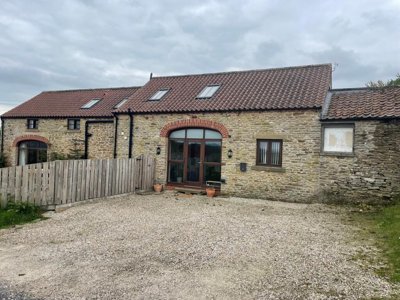
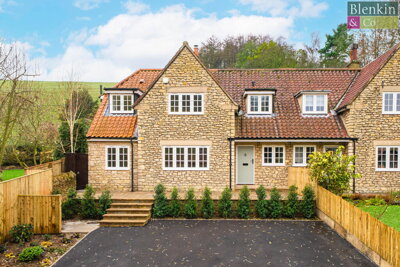
Browse 2 rental homes to rent in Grimstone, North Yorkshire from local letting agents.
£0/m
0
0
0
Source: home.co.uk
The rental market in Grimstone and the surrounding Dorset area reflects the broader trends affecting this part of southern England. Average sold house prices in nearby Dorchester Road have reached approximately £339,000 over the past twelve months, indicating strong underlying property values that influence the rental sector. For renters, this means accessing quality homes in a desirable rural location where property demand consistently outstrips supply, particularly for family-sized accommodation and character properties with gardens. The relationship between house prices and rental values in Dorset suggests that landlords command competitive rents justified by the desirability of the location.
Property types available for rent in the Grimstone area typically include detached and semi-detached houses, with stone or brick construction reflecting the traditional building methods of rural Dorset. The wider Dorset county experienced a modest 1% decline in average property prices over the twelve months to December 2025, with sales volumes dropping by over 13%, suggesting a balanced market where renters may find negotiating positions slightly more favourable than in more volatile regions. Flats and terraced properties form a smaller portion of the local stock, meaning competition for these options can be particularly intense during peak moving periods. Semi-detached properties in Dorset actually saw a 2.3% price increase in the year to December 2025, indicating sustained demand for family-sized accommodation.
The lack of new-build developments within Grimstone itself means the rental stock consists largely of existing properties, many of which are traditional Dorset constructions. This heritage housing stock includes cottages and farmhouses built with local materials, offering character that newer developments cannot replicate. Renters should expect properties to be generally older, with the majority likely exceeding fifty years in age, bringing both charm and the need for careful consideration of maintenance requirements. Understanding the local property market dynamics helps prospective tenants identify the best opportunities for renting in Grimstone.

Grimstone embodies the essence of rural Dorset living, offering residents a peaceful hamlet environment with the practical advantages of proximity to larger settlements. The area is characterised by chalk downland and river valleys, with the village sitting at the confluence of the Sydling Water and the River Frome, providing attractive water features and walks along riverbanks. Local amenities within the hamlet itself are limited, reflecting its small-scale character, but the nearby village of Stratton and the market town of Dorchester ensure that everyday needs are never far away. The combination of natural beauty and practical accessibility makes Grimstone an attractive location for those seeking countryside living without complete isolation.
The demographic profile of Grimstone and the surrounding civil parish of Stratton reflects a mixed community with a population of approximately 592 residents recorded in the 2011 census. The area attracts families, professionals, and retirees who appreciate the combination of countryside living and access to employment opportunities in Dorchester and further afield. Community life revolves around local pubs, parish events, and the strong sense of identity that small settlements like Grimstone foster among residents. The hamlet's small scale creates an environment where neighbours know each other and community spirit thrives, an aspect that many renters find appealing when choosing their next home.
The local geology plays a significant role in the character of Grimstone. The chalk downland provides generally stable ground conditions in elevated areas, while the river valleys of the Sydling Water and River Frome may contain alluvial deposits and clay that require consideration for property owners and renters alike. Understanding the local geography helps residents appreciate why certain properties are positioned where they are, and why flood risk considerations apply to lower-lying areas near watercourses. The Victorian railway viaduct stands as the area's industrial heritage, built in 1846 and opened in 1857, serving as a notable local landmark.

Families considering renting in Grimstone will find a selection of educational options within reasonable driving distance, ranging from primary schools in nearby villages to secondary schools and sixth form colleges in Dorchester. The quality of local schooling is an important factor in rental demand, and the wider Dorset area maintains several well-regarded educational establishments that serve the hamlet and surrounding parishes. Primary school options in the vicinity include schools in Stratton and other neighbouring villages, while secondary education is typically accessed through schools in Dorchester, approximately 4.5 miles away. Transport arrangements may be necessary for secondary school pupils, so families should factor this into their decision-making process.
For families prioritising educational outcomes, researching specific school performance data, Ofsted ratings, and catchment area boundaries is essential before committing to a rental property in the Grimstone area. Schools serving rural Dorset communities often benefit from smaller class sizes and strong community ties, though transport arrangements may be necessary for secondary school pupils. The nearby town of Dorchester offers additional educational pathways including sixth form colleges and further education facilities, providing comprehensive options for students progressing through the education system while living in the Grimstone area. This makes Grimstone viable for families with children at various stages of their education.
The Dorset local education authority manages schools across the county, with secondary schools in Dorchester serving a wide catchment area that includes rural communities like Grimstone. Parents should research the admissions criteria and transportation options for schools such as The Gryphon School in Dorchester and other local secondary establishments. Private and faith schools in the Dorchester area provide additional educational choices for families seeking alternatives to the state system. Planning ahead ensures that children can access appropriate schooling without excessive daily commute times from the family's rental property in Grimstone.

Transport connectivity from Grimstone balances the advantages of rural living with practical access to major towns and cities across Dorset and beyond. The hamlet's location places it approximately 4.5 miles northwest of Dorchester, providing convenient access to the county town for work, shopping, and leisure activities. Major road connections including the A35 and A37 serve the area, linking Grimstone to coastal destinations like Weymouth and Poole to the south, and connecting northwards towards Yeovil and the M5 motorway for longer-distance travel. The A35 provides a direct route to the Jurassic Coast, popular with residents for leisure and tourism.
Public transport options serving Grimstone include bus routes connecting the hamlet to Dorchester and surrounding villages, though frequencies may be limited compared to urban services, making private vehicle ownership practically essential for many residents. Rail services are accessible from Dorchester, with connections to London Waterloo and other regional destinations, while the historic Grimstone Viaduct stands as the area's railway heritage, though passenger rail services no longer operate through the hamlet itself. Cycling infrastructure in the area continues to develop, with quiet country lanes offering enjoyable routes for recreational cycling and commuting for those who prefer active travel options.
Commuting to employment in Dorchester typically involves a short drive or bus journey, with many residents working in the town and returning to Grimstone for the peaceful residential environment it provides. The proximity to the A35 also opens up employment opportunities along the south coast, particularly in Weymouth and Poole, though these involve longer commutes. For those working from home, the rural setting provides an attractive environment, though broadband speeds should be verified with individual providers as rural connectivity can vary. Planning your transport arrangements before committing to a rental property in Grimstone ensures the location works practically for your lifestyle and employment needs.

Properties to rent in Grimstone typically reflect the traditional building methods of rural Dorset, with construction materials including local stone such as Portland or Purbeck stone, flint, and brick. These materials have been used for centuries in the area, creating the distinctive character that defines the hamlet's built environment. Older properties often feature solid walls without cavity insulation, which affects thermal performance and heating costs. Prospective renters should understand that traditional construction brings unique characteristics alongside potential maintenance considerations that differ from modern properties.
The age of many properties in Grimstone means that construction techniques used may no longer meet current building regulations, though this does not necessarily indicate problems. Features such as lime mortar pointing, traditional timber-framed windows, and flagstone floors contribute to the heritage character that makes renting in Grimstone appealing. However, these features may require more careful maintenance than modern equivalents, and renters should discuss any concerns with the landlord before signing a tenancy agreement. Understanding the construction materials helps tenants appreciate why certain properties feel and perform differently from new-build accommodation.
Given the chalk geology underlying much of the elevated areas around Grimstone, properties on higher ground generally benefit from stable foundations. The river valleys of the Sydling Water and River Frome may present different ground conditions, with alluvial deposits potentially including clay that can be subject to shrink-swell movement in response to moisture changes. Properties in lower-lying positions near watercourses warrant particular attention regarding ground conditions and any history of movement or subsidence. A thorough property inspection before committing to rent helps identify any structural or construction concerns that may affect your tenancy experience in Grimstone.
Flood risk is a relevant consideration for properties to rent in Grimstone, given the hamlet's position at the confluence of the Sydling Water and River Frome. Properties situated near these watercourses, particularly those in lower-lying positions or with gardens extending toward riverbanks, may face elevated flood risk during periods of heavy rainfall or prolonged wet weather. Prospective renters should investigate the flood risk classification for any property they are considering, and enquire about any previous flooding incidents with the landlord or letting agent.
Buildings insurance for rental properties in flood-risk areas can be more expensive, and this cost is typically factored into rental pricing by landlords. Renters should confirm that appropriate building insurance is in place and understand their responsibilities regarding content insurance for their personal belongings. Properties with higher flood risk may also face restrictions on certain types of contents insurance, so understanding the specific situation for your potential rental property is important before committing.
Beyond flood risk, the rural setting of Grimstone brings other environmental considerations. Agricultural activity in the surrounding area is common, which may occasionally bring noise, smells, or traffic associated with farming operations. Wildlife and countryside activities are part of daily life, with footpaths and bridleways crossing the local landscape. These factors contribute to the character of rural Dorset living that many residents appreciate, though they represent aspects of the lifestyle that differ from urban or suburban environments. Understanding what to expect helps prospective renters make an informed decision about whether Grimstone suits their preferences and tolerance for rural living.
Before viewing properties, determine what you can afford by calculating your monthly income against existing commitments and debts. Obtain evidence of regular income through payslips or accounts, as landlords will want to verify your ability to sustain rent payments throughout the tenancy. Factor in not just rent but also council tax, utilities, insurance, and potential travel costs for commuting to work or school. Getting your finances clearly understood before starting your property search saves time and prevents disappointment.
Visit the hamlet and surrounding villages to understand what living in this part of Dorset actually involves. Check travel times to your workplace, assess the accessibility of local shops and services, and spend time walking through the community to gauge whether it feels right for you. Consider visiting at different times of day and on weekends to get a fuller picture of the area's character and any potential drawbacks like traffic or noise from nearby farms or roads.
Contact local letting agents or search property portals to find available rentals in Grimstone and the surrounding Dorset area. View multiple properties before making a decision, taking notes on condition, facilities, and any concerns you may have. Ask about the length of the proposed tenancy, any restrictions on pets or smoking, what is included in the rent, and the process for reporting maintenance issues. A thorough viewing helps you understand exactly what you would be committing to.
Once you find a suitable property, complete the tenant application process which typically includes referencing checks, credit checks, and providing proof of identity and residency rights. Landlords in Dorset typically require references from previous landlords, employers, or accountants to verify your suitability as a tenant. Be prepared to provide documentation promptly, as rental properties in desirable rural areas like Grimstone can attract multiple applications quickly.
Budget for upfront costs including any permitted admin fees, a holding deposit to secure the property, and a security deposit which is typically capped at five weeks rent under the Tenant Fees Act 2019. Ensure you receive written confirmation of all payments made and understand exactly what each fee covers. Request receipts for all payments and keep records throughout your tenancy. The holding deposit is usually offset against the security deposit or first month's rent once the tenancy agreement is signed.
Review your tenancy agreement carefully before signing, ensuring all terms are clear including the rent amount, payment schedule, deposit protection arrangements, maintenance responsibilities, and the notice period required by both parties. The landlord must protect your deposit in a government-approved scheme within thirty days and provide you with the required information about where it is held. Ask for clarification on anything you do not understand before signing, and keep a copy of the signed agreement for your records throughout your tenancy in Grimstone.
Renting properties in a rural hamlet like Grimstone requires attention to specific local factors that may not affect urban tenants. Properties situated near the River Frome and Sydling Water offer attractive settings but potential renters should investigate flood risk for any property close to watercourses, particularly those in lower-lying positions or with gardens extending toward riverbanks. Buildings insurance and content coverage should be reviewed carefully, and prospective tenants may wish to enquire about any previous flood incidents at the property.
Given Grimstone's rural Dorset setting, many local properties are likely to be older constructions built with traditional materials such as stone, flint, and brick. These properties offer considerable character but may require more maintenance than newer builds, and prospective renters should inspect aspects including roof condition, damp-proofing measures, and the age and condition of plumbing and electrical systems. Older properties commonly feature in rural hamlets like Grimstone, and understanding the maintenance history helps avoid unexpected repair costs during your tenancy.
Common issues in traditional Dorset properties include damp (rising or penetrating damp in older stone or brick buildings), roof condition problems such as slipped tiles or damaged flashing, timber defects including rot and woodworm in structural elements, and outdated electrical or plumbing systems that may not meet current standards. When viewing a property, look for signs of damp such as discoloured walls or a musty smell, check that light switches and sockets appear reasonably modern, and ask the landlord about recent maintenance or planned improvements. A careful inspection helps you understand what to expect when moving into a character property in Grimstone.
Energy efficiency is another consideration when renting older properties in rural Dorset. Properties without cavity wall insulation or with single-glazed windows will have higher heating costs, which should be factored into your budget alongside rent. Ask the landlord about the property's EPC rating and any insulation improvements that have been made or are planned. Understanding the energy performance helps you budget accurately and assess whether improvements might be available during your tenancy.

Specific rental price data for Grimstone itself is not publicly available at the postcode level, but rental prices in the wider Dorset area reflect the county's average sold house price of approximately £332,000 as of December 2025. Rural hamlet properties in Dorset typically command rental rates influenced by property size, condition, and proximity to Dorchester, with family homes generally ranging from moderate to premium brackets depending on specifications and outdoor space. Properties to rent in Grimstone tend to attract those seeking character homes in a rural setting, which can affect pricing relative to comparable properties in nearby towns.
Properties in Grimstone fall under the Dorset Council authority for council tax purposes. Specific band allocations vary by property depending on valuation, though rural Dorset properties typically span bands B through F. Prospective renters should request the council tax band from the landlord or letting agent before committing, as this forms part of the regular monthly cost of tenancy alongside rent. The band can significantly affect your total monthly housing costs, particularly for higher-banded properties where council tax may be several hundred pounds per month.
Schools serving Grimstone include primary options in nearby villages such as Stratton, with secondary education available at schools in Dorchester approximately 4.5 miles away. The nearest comprehensive schools and sixth form colleges are located in Dorchester, providing a full educational pathway for families. Researching current Ofsted ratings, examination results, and catchment area boundaries helps families identify the most suitable schools for their children before selecting a rental property. Transport arrangements to secondary schools should be confirmed before committing to a rental in Grimstone.
Grimstone has limited public transport options, with bus services providing connections to Dorchester and surrounding villages but with frequencies lower than urban areas. Most residents rely on private vehicles for daily commuting and errands, making car ownership practically necessary for many households in this rural hamlet. Rail services are available from Dorchester, with regular trains to London Waterloo and regional destinations along the south coast. The A35 and A37 roads provide the main transport arteries connecting Grimstone to the wider region.
Grimstone offers an excellent quality of life for renters seeking rural tranquility within reach of town amenities. The hamlet provides a tight-knit community atmosphere, scenic countryside, and proximity to Dorchester for employment and services. However, limited local amenities within the hamlet itself, dependency on private transport, and the character of older properties require consideration. For renters prioritising countryside living over urban convenience, Grimstone represents an attractive Dorset location that combines heritage charm with practical accessibility.
Standard deposits on rental properties in England are capped at five weeks rent, calculated as the monthly rent multiplied by twelve, divided by fifty-two, and multiplied by five. Additional fees may include holding deposits (up to one week's rent), referencing fees, and admin costs. Under current tenant fee legislation, landlords and agents cannot charge fees beyond permitted categories, and security deposits must be protected in a government-approved scheme within thirty days of receiving them.
The small hamlet of Grimstone has a limited rental stock, with most available properties being traditional Dorset constructions such as stone cottages and farmhouses. The wider search area of nearby villages and the route between Grimstone and Dorchester often yields additional rental options. Working with local letting agents familiar with the Dorchester and Dorset countryside market helps identify the full range of available properties to rent in this sought-after area. Setting up property alerts ensures you are notified quickly when new rentals matching your criteria become available.
Properties near the Sydling Water or River Frome in Grimstone may be at risk of river flooding during periods of heavy rainfall. Before renting, check the property's flood risk classification, ask the landlord about any previous flooding incidents, and verify that appropriate buildings insurance is in place. Properties in lower-lying positions or with gardens extending to watercourses warrant particularly careful consideration. Understanding the flood risk helps you make an informed decision and ensure appropriate contents insurance coverage for your belongings.
From 4.5%
Professional budgeting assistance for your rental journey
From £99
Comprehensive tenant referencing services
From £99
Energy performance certificate for your rental property
From £149
Professional inventory service to protect your deposit
Budgeting for a rental property in Grimstone requires careful consideration of all upfront and ongoing costs beyond the monthly rent figure. Upfront expenses typically include the security deposit (capped at five weeks rent under the Tenant Fees Act 2019), a holding deposit of up to one week's rent to secure the property, and referencing or admin fees which are now strictly regulated. First-time renters should also budget for removal costs, potential furniture purchases, and connection fees for utilities and internet services. Getting a complete picture of all costs before committing prevents financial surprises during the moving process.
Understanding deposit protection requirements is essential when renting in England. Your landlord must protect your security deposit in a government-approved scheme (such as Deposit Protection Service, MyDeposits, or Tenancy Deposit Scheme) within thirty days of receiving it, and provide you with prescribed information about where it is held. At the end of your tenancy, the deposit should be returned within ten days of both parties agreeing the final amount, with any deductions required to be justified with evidence of damage or unpaid rent beyond reasonable wear and tear. Keep records of the property's condition at the start of your tenancy, ideally with dated photographs, to protect yourself against unfair deductions.
Ongoing costs to budget for when renting in Grimstone include council tax (which varies by property band), utilities such as gas, electricity, and water, plus internet and mobile phone services. Rural properties may have higher heating costs if insulation standards are below modern specifications, and this should be factored into your monthly budget alongside rent. Buildings insurance is the landlord's responsibility, but tenants should arrange their own contents insurance to protect personal belongings. A clear understanding of all costs associated with renting helps ensure your tenancy in Grimstone remains financially manageable throughout its duration.
Properties to Rent In London

Properties to Rent In Plymouth

Properties to Rent In Liverpool

Properties to Rent In Glasgow

Properties to Rent In Sheffield

Properties to Rent In Edinburgh

Properties to Rent In Coventry

Properties to Rent In Bradford

Properties to Rent In Manchester

Properties to Rent In Birmingham

Properties to Rent In Bristol

Properties to Rent In Oxford

Properties to Rent In Leicester

Properties to Rent In Newcastle

Properties to Rent In Leeds

Properties to Rent In Southampton

Properties to Rent In Cardiff

Properties to Rent In Nottingham

Properties to Rent In Norwich

Properties to Rent In Brighton

Properties to Rent In Derby

Properties to Rent In Portsmouth

Properties to Rent In Northampton

Properties to Rent In Milton Keynes

Properties to Rent In Bournemouth

Properties to Rent In Bolton

Properties to Rent In Swansea

Properties to Rent In Swindon

Properties to Rent In Peterborough

Properties to Rent In Wolverhampton

Enter your details to see if this property is within your budget.
Loans, cards, car finance
Estimated property budget
Borrowing + deposit
You could borrow between
Typical borrowing
Monthly repayment
Est. at 4.5%
Loan-to-value
This is an estimate only. Your actual budget may vary depending on interest rates, credit history, and personal circumstances. For an accurate affordability assessment, speak to one of our free mortgage advisors.
This calculator provides estimates for illustrative purposes only and does not constitute financial advice. Your home may be repossessed if you do not keep up repayments on your mortgage. Estimates based on 4.5% interest rate, repayment mortgage. Actual rates depend on your circumstances.
Homemove is a trading name of HM Haus Group Ltd (Company No. 13873779, registered in England & Wales). Homemove Mortgages Ltd (Company No. 15947693) is an Appointed Representative of TMG Direct Limited, trading as TMG Mortgage Network, which is authorised and regulated by the Financial Conduct Authority (FRN 786245). Homemove Mortgages Ltd is entered on the FCA Register as an Appointed Representative (FRN 1022429). You can check registrations at NewRegister or by calling 0800 111 6768.

We use cookies to show you personalised content and improve your experience of our website. Find out more in our Privacy policy and Cookie policy.